Supporting your lymphatic system isn’t always on your radar, but this network actually has a big effect on feeling energized and staying resilient day to day. Responsible for clearing out waste and kickstarting your immune system, a healthy lymphatic system keeps your body’s systems on track. Using essential oils and herbs as part of daily care is a practical, hassle-free way to keep things balanced and moving, all without too many complicated steps or products.
Why Lymphatic System Health Matters
The lymphatic system works behind the scenes but handles vital jobs in everyday health. It’s your inner clean-up crew, moving toxins out of the system and balancing fluid levels. When the lymph doesn’t flow well, you can start to notice things like bloating, that low-energy feeling, or swelling in your arms or legs. If your lymph system gets bogged down over time, your immunity might trail off, and you may feel run-down in ways that are hard to explain. That’s where herbal and aromatic supports really come in handy.
People around the world have used plants to boost circulation and support cleansing for generations, with traditional practices as varied as dry brushing, herbal teas, and plant oils. These days, a lot of those old-school habits are getting more attention because they’re gentle, uncomplicated, and just plain feel good. While science keeps catching up with anecdotal wisdom, there are plenty of natural, effective options to try for everyday wellness.
Top Essential Oils for Lymphatic Health
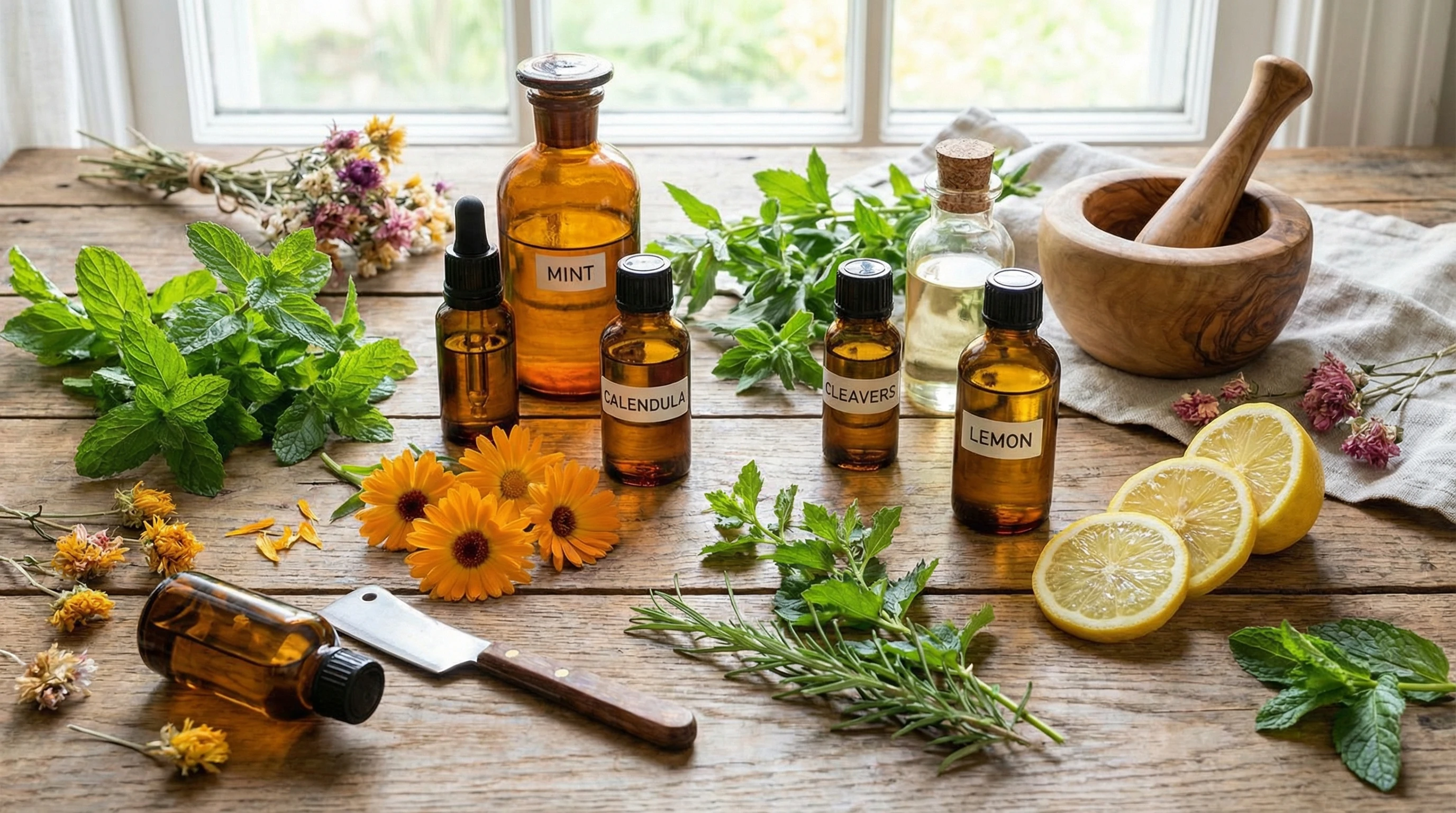
Essential oils offer an easy and soothing approach to helping your lymphatic system. These concentrated plant extracts are typically diluted in a carrier oil like almond, jojoba, or coconut—then massaged into the skin for self-care, used in a warm bath, or applied as a compress. They work best alongside consistent hydration and healthy movement.
- Lemon: Lemon oil is popular for promoting lymph drainage and waking up sluggishness. Its scent is bright, and diluted for gentle massage, feels especially refreshing.
- Grapefruit: Grapefruit oil is a common pick in detox routines. Many people apply it on puffy areas or add it to dry brushing for a bracing, circulation-boosting effect.
- Juniper Berry: Praised for its purifying traits, juniper berry oil smells earthy and crisp and is valued for aiding both lymphatic and kidney wellness. It’s excellent for gentle self-massage and post-exercise recovery.
- Ginger: Warming and invigorating, ginger oil helps relieve that heavy, stuck feeling—especially nice for cool feet or tense legs. It’s perfect in massage blends for the lower body.
- Cypress: Cypress is the standard go-to in traditional swelling or lymphatic massage, loved for its fresh, lightly woodsy aroma and ability to support better circulation.
Remember, always dilute essential oils before using them on your skin (1 drop per teaspoon of carrier oil is usually a safe starting place), and do a patch test when trying something new. Personally, I get the best results from regular, gentle massage toward the heart—it’s amazing how much lighter and more energized you can feel over time.
Helpful Herbs for Lymphatic Support
Herbs are a classic way to back up the lymphatic system, whether as teas, tinctures, or even as meal additions. Some lend themselves to gentle, daily routines while others are best for days when you need that extra push.
- Red Clover: A staple in herbal teas, red clover is great for encouraging fluid movement and supporting soft tissue. If floral and delicate flavors appeal to you, this one’s a gentle, easy pick.
- Cleavers: Also called stickyweed, this humble herb is famous for helping relieve lymphatic sluggishness. Gathered in spring, it makes superb rinses, teas, or mild extracts and is considered very effective when used over time.
- Calendula: While many turn to calendula for skin support, it also moves lymph and helps calm minor swelling. Calendula is very gentle, so it’s easy to use regularly as a tea or an oil infusion.
- Burdock Root: With its deeply earthy flavor, burdock is an old favorite for supporting elimination and detox. Try it in soups or as a tea for a comforting, inside-out approach to wellness.
- Echinacea: Most of us know echinacea as an immune helper, but it’s also handy for supporting active lymph nodes, especially during colds or infections.
Quality matters with herbs—look for fresh, organic, and additive-free options. And if you’re new to herbal supports, have allergies, or take any medications, it’s smart to check with a healthcare provider first as some plants can interact with meds or underlying conditions.
Daily Lymphatic Care: Simple Routines
No fancy equipment needed—here are daily habits that many people (myself included) find helpful for lymphatic care:
- Gentle Lymphatic Massage: Use light, upward strokes with diluted essential oils, moving from your limbs toward your heart. Focus on gentle pressure and smooth, rhythmic movements.
- Herbal Teas: Sipping cleavers, red clover, or burdock tea throughout the week feels grounding and can support fluid movement. Mixing things up with different herbs every few weeks helps keep your system guessing.
- Movement: Walking, stretching, or a yoga session all get your muscles moving, which the lymphatic system relies on. Even bouncing on a mini trampoline (rebounding) is enjoyable and effective.
- Warm Compresses: A warm herbal compress—like a cloth soaked in calendula tea—placed over swollen areas works wonders for comfort and movement.
- Staying Hydrated: Drinking plenty of water or herbal infusions keeps the lymph fluid thinner and encourages the body to clear out what it doesn’t need.
Things to Think About Before Using Oils or Herbs
Even natural remedies have some risks; here are the big ones to keep in mind:
- Allergies or Sensitivities: Always patch test any essential oil and try just a little of any new herb to make sure your body is cool with it.
- Medication Interactions: Certain herbs and essential oils may mess with how medications work, so check with a doctor or trained herbalist if you’re on meds.
- Pregnancy and Nursing: If you’re pregnant or nursing, avoiding certain plants and oils is important—safety first, always check details before diving in.
- Product Quality: Cheap or adulterated products can cause more problems than they solve. Target trusted, third-party-tested brands even if it means paying a little more.
Do a little background searching before starting something new. If you’re unsure, keeping it simple and gentle is usually best. Classic remedies tend to offer the safest path for everyday support.
Cool Ways to Pair Essential Oils and Herbs in Your Routine
Blending oils and herbs is a creative way to get more from both. Here are some fun combinations to try:
- Uplifting Massage: Blend two drops each of grapefruit, lemon, and cypress oils into a tablespoon of jojoba oil. Rub on arms and legs before heading out for the day. It’s bright and feels like a pampering boost first thing in the morning.
- Herbal Steam: Drop a scoop of dried calendula and a few drops of ginger essential oil into a big bowl of hot water, drape a towel over your head, and inhale the steam. It’s soothing and especially nice after a long day.
- Cleansing Tea: Combine red clover, cleavers, and fresh ginger in hot water for a smooth, supportive blend that sets a positive tone for your morning.
Little rituals like these are both affordable and easy to personalize, so you get self-care tailored exactly to your tastes and needs.
Frequently Asked Questions
Here are some common questions people ask about lymphatic wellness:
Question: Is it safe to take essential oils internally for lymphatic health?
Answer: It’s generally best not to take essential oils by mouth unless advised by a licensed practitioner. Topical and aromatic uses offer more than enough support in a safe way.
Question: How long before I notice benefits from using herbs or oils?
Answer: You may notice lighter or more energized feelings within a week or two, but for deeper changes, aim for several weeks of regular, gentle use. Trust your body and tweak things as you go.
Question: Can these natural tools totally replace medical treatment?
Answer: Herbs and oils are there to support you, not replace medical care. For ongoing swelling, infections, or other issues, touch base with a healthcare provider for a full diagnosis and strategy.
Wrapping Up with Daily Wellness
Paying attention to your lymphatic health with essential oils and herbs can give you a real boost day to day. Steady, consistent care and a bit of curiosity make all the difference. Whether it’s a morning tea or a quick massage, these little routines are a simple, gentle way to help your body maintain its natural flow and energy.
Listen to your body and find what fits your lifestyle best. Over time, these practices can help you feel more refreshed, resilient, and ready for whatever your day brings. Small, steady steps work wonders for overall wellness.