
If you’re looking for the best way to get stronger, you’ve probably wondered if it’s better to train at home or hit the gym. Both have their perks and quirks, and figuring out where to build your strength can make a big difference in how motivated you feel, how consistent you are, and how much progress you see over time. Drawing on my own experience balancing both home and gym workouts, I’ll break down the key details so you can find what fits you best.
Why Strength Training is Worth Your Time
Building strength isn’t just about looking toned or bulking up. Strong muscles support your joints, improve bone health, and make everyday activities like carrying groceries or going for a hike way easier. Studies from the CDC and the World Health Organization highlight that regular strength training also helps manage weight, boosts energy levels, and lowers the risk of many chronic diseases (CDC). So, picking a setup that works for you really matters for your health in the long run. There’s also evidence that strong muscles can step up your balance and coordination, making you less prone to falls and injuries, especially as you age. On top of the physical perks, lifting weights or doing resistance work can give your mood a boost by reducing stress and even supporting better sleep at night.
Comparing the Basics: Home vs. Gym Strength Training
Before getting into equipment or routines, it helps to look at how each environment stacks up overall. Training at home and working out at the gym both offer paths to get strong, but the day-to-day experience and the results you might see can be surprisingly different.
- Home: Offers flexibility and saves time but can be less motivating if you find it tough to work out solo.
- Gym: Comes with tons of equipment and a higher-energy vibe, but it can cost more and take extra commitment to get there.
Neither option is automatically better; it really comes down to what you need and what helps you stay consistent. For some people, the simple act of stepping into a gym can snap you into “work mode,” while others thrive in their own space where the focus isn’t split by crowds, music, or distractions from others training nearby. Plus, each environment can suit different stages in your strength training adventure, so you might prefer one or the other at different points.
Main Factors to Consider When Choosing
Everyone’s situation is unique, so I like to break down some basics before deciding where to train. These factors tend to play the biggest roles in making your decision:
- Convenience: How far is the gym? Do you already have space for a few weights at home?
- Budget: Home setups can be cheap or pricey, while gym memberships are recurring but include gear you’d otherwise buy.
- Equipment needs: Are you cool sticking with bodyweight moves, or do you want access to fancy machines and tons of weights?
- Motivation: Do you thrive off the energy of a gym crowd or prefer privacy?
- Goals: Bulking up, rehabbing an injury, or just getting fit all call for different approaches and gear.
- Time: Working out at home can smooth the way for a tight schedule, while the gym can mean extra travel but possibly quicker access to big equipment for faster routines.
Thinking about these areas can help you spot whether you’d stick with strength training more consistently at home, in a gym, or with a blend of both.
Strength Training at Home: Pros, Cons, and What You’ll Need
I’ve spent plenty of time building home routines from scratch, so I know first-hand that convenience is tough to beat. No commute, no waiting for equipment, and you can fit workouts around your life; early mornings, late nights, or even quick sessions between meetings. Plus, you can wear whatever you want (goodbye, gym dress code!). For parents, caregivers, or anyone with a changing schedule, the home setup is a game changer.
- Advantages: Comfort, flexibility, and long-term savings. Great for squeezing in quick sessions.
- Drawbacks: Limited equipment unless you’re willing to invest, and it’s easier to slack off or skip workouts without external motivation.
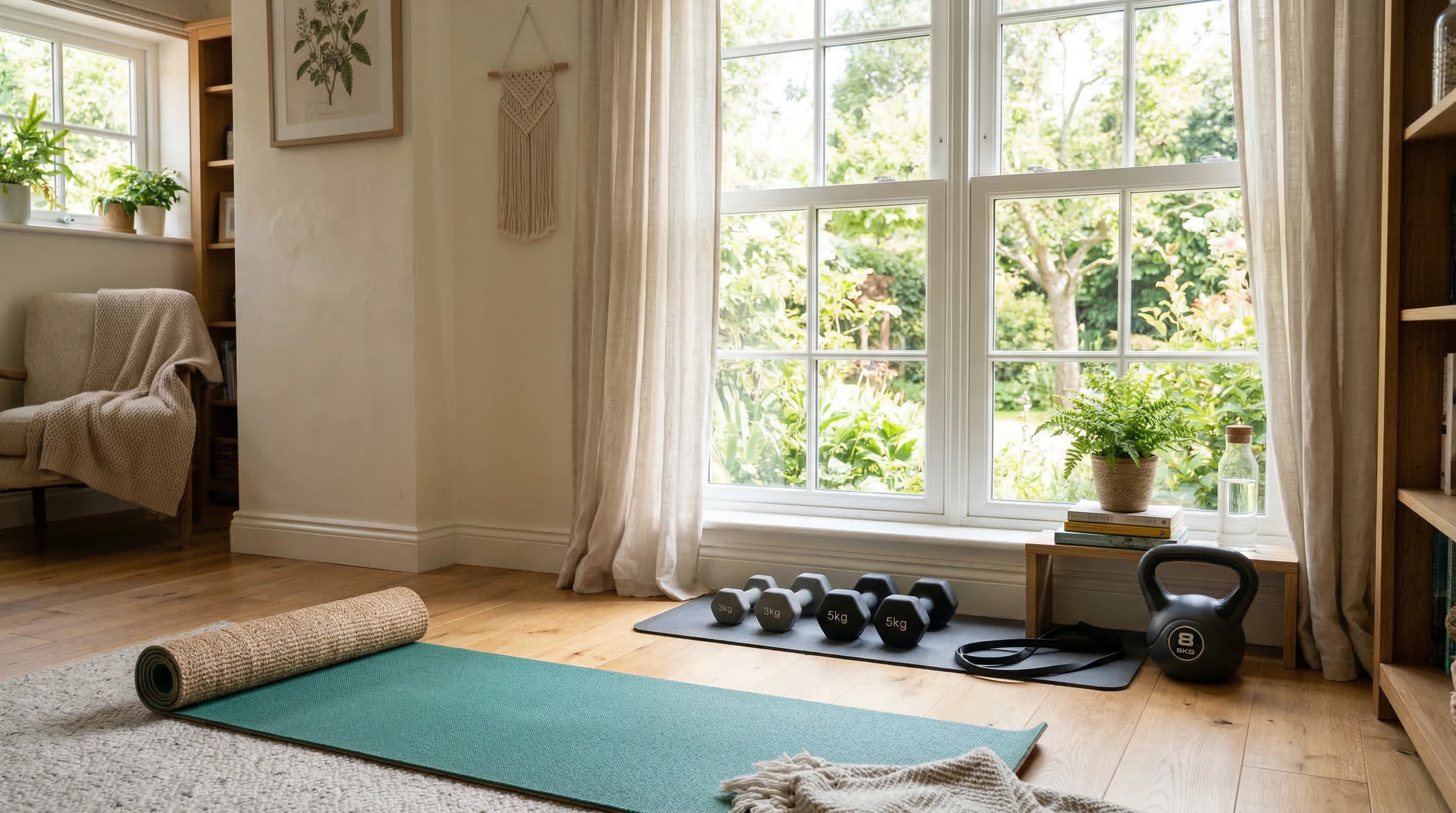
Even with minimal gear, you can get pretty strong at home. Here’s some basic equipment to up your game:
- Resistance bands: Super versatile and take up almost no space in any closet or drawer.
- Dumbbells or kettlebells: Adjustable sets can last for years and let you keep getting stronger by upping weight without filling your home.
- Pullup bar: Fits in most doorways and opens up tons of upper body options, especially for back and arm work.
- Yoga mat: Makes floor work and stretching more comfortable.
Bodyweight exercises, like pushups, squats, lunges, and planks, still get the job done, especially if you follow a structured program that increases difficulty over time. You can add tempo or single-side work (like single leg squats or single arm pushups) to make things tougher without equipment. Plus, modern online programs and apps offer guided routines, progress tracking, and even video instructions, smoothing the way for beginners at home.
Getting Strong at the Gym: Perks, Limitations, and Top Tools
If you’re after variety and heavier weights, local gyms stack up pretty well. I often hit the gym when I want to push past a plateau, try cable machines, or work on lifts I just can’t do at home. Just being around other people training can push you to work harder and stick to your plan. The variety of gear is a big step up, allowing you to train every major muscle group from different angles, which keeps progress rolling as you advance.
- Advantages: Access to tons of equipment, professional trainers, and even group classes. Social vibe can boost motivation and accountability.
- Drawbacks: Can be crowded at peak times, requires a membership fee, and travel time adds up, especially if you have a busy day.
Gyms have more than just weights on offer. Some extra features to check out:
- Power racks and barbells: Perfect for heavy lifting and fullbody workouts. Essential for exercises like squats, deadlifts, and bench press.
- Machines: Great for isolating muscles or training safely if you’re new to strength work. These can be especially helpful for injury prevention and rehab.
- Cable stations and functional trainers: Add tons of variety and allow for smooth movement patterns for your whole body.
- Specialty gear: Medicine balls, sleds, and even battle ropes for a change of pace and some next-level cool cardio.
Having access to trainers on-site is also a big plus. If you need help with form, program tweaks, or just a little push, you can ask for tips or even book a session for a more hands-on approach. And don’t forget about group fitness classes; these can help you meet new people, add some variety, and make you feel part of a team pushing toward similar goals.
Troubleshooting Common Strength Training Challenges
No matter where you train, you’ll run into some obstacles. Here’s how I tackle frequent roadblocks:
- Staying motivated: Mix up your workouts or set new mini-goals. At home, music or fitness apps can pump you up. At the gym, try different classes or work with a friend. If you feel stuck, write down why you want to get strong and keep that note where you’ll see it before each session.
- Plateauing: Change up exercises, add more resistance, or tweak your rep ranges. Growth happens when you keep challenging your body. Consider tracking progress in a notebook or training app so you can spot when it’s time to push a little harder or switch up routines for better gains.
- Limiting injuries: Focus on proper form, don’t rush, and don’t be afraid to go lighter if something feels off. Gyms usually have trainers on-site if you need a quick form check, while at home you can use mirrors or record yourself for a once-over. Warming up and cooling down also goes a long way in keeping an eye out for tweaked muscles or soreness.
Budget and Space: Making It Work for You
Building a home gym isn’t always cheap, but you can keep the costs in check by picking versatile gear first. Resistance bands and adjustable dumbbells offer loads of options without taking up your living room. If you have room and some savings, bigger gear like a squat rack or bench adds possibilities, but start small and add over time. Don’t forget, a gym membership covers tons of gear and can be the more affordable route if you just want to use equipment without the upfront cost of buying your own collection. Some employers or insurance plans even offer gym subsidies, so check what’s available in your area!
Privacy and Comfort Level
For a lot of people (myself included), working out at home means feeling less selfconscious, especially if you’re new to the whole game. You control the music, make the rules, and don’t have to deal with busy locker rooms. Home training can also be a great way to build confidence before showing up at a gym if you’re a beginner. If you like a bit of buzz or competition, the gym is usually a better bet for finding that energy and can help you spot opportunities to meet like-minded folks or find a training partner.
Mixing It Up: Hybrid Approaches and What Works Best
If you like the best of both worlds, combining home and gym training really delivers. For example, I’ll stick to quick bodyweight or dumbbell workouts during the week, then hit the gym on weekends for the heavier stuff. This routine keeps things fresh and flexible, and you can adapt it to fit your schedule, budget, and motivation levels. Some people love online programs or challenges they can do from anywhere with minimal gear, then hit the gym for community classes or special equipment. This hybrid approach can set you up to stay excited and engaged in the long run, and helps break up the monotony if you start to feel bored or burned out by one setup.
Frequently Asked Questions About Home vs. Gym Strength Training
Can you really build muscle at home?
Absolutely. With consistency and progressive overload; increasing weight, reps, or difficulty over time; bodyweight and freeweight routines can be highly effective. There’s a ton of evidence that challenges, not just heavy weights, drive muscle gains (study). The real trick is to make workouts harder as you get stronger – add more reps, slower tempos, or use new equipment when you can.
Do you need a lot of equipment for home gains?
Nope. A set of resistance bands, a pair of adjustable dumbbells, and a pullup bar go a long way. Many people build strength with bodyweightonly routines, especially when starting out. If you get stuck, you can get creative with loaded backpacks, water jugs, or even furniture for a more challenging session.
Is the gym better for advanced lifters?
Gyms usually offer heavier weights and more variety, which helps break through strength plateaus. That said, some experienced lifters invest in home racks and heavy barbells for home gains as well. For most, the gym makes it easier to keep making progress as your strength outgrows basic gear, but it’s not essential.
What if I travel a lot or have a busy schedule?
Portable routines using resistance bands or bodyweight moves let you train almost anywhere, anytime, even if you can’t get to a gym or set up a full home space. Plenty of hotel rooms or parks can become mini gyms if you plan a bit and bring some basics with you. There are also tons of bodyweight app workouts you can squeeze into a packed day or while on the road; just focus on consistency and keeping your routine simple.
Final Thoughts: Finding Your Strength Training Groove
Deciding between home workouts and the gym depends on your goals, personality, space, and budget. Both can help you get a lot stronger, and both can be fun if you keep your workouts challenging and switch things up as needed. For me, blending both options keeps motivation high and progress steady. Pick what feels sustainable and makes you want to keep coming back, because showing up consistently is really important for long-term strength and overall fitness.
Ready to build your strength? Start wherever feels right, stick with it, and find your favorite way to get strong. Your body and mind will thank you. And remember, no matter where you train, showing up, tracking your progress, and making small improvements over time will move you closer to your strength goals one session at a time.