
Building a balanced lifestyle gets a whole lot easier when you add real, organic products into your daily routine. If you’re looking to boost your well-being, avoid harsh chemicals, and support the planet, organic choices are a no-brainer. Still, with the shelves full of options and a bunch of labels, picking the best organic products can feel a bit overwhelming at first. I’ve been navigating this space for years, so here’s my personal guide to figuring out what works best for you and how to make smart, healthy choices that really pay off in everyday life.
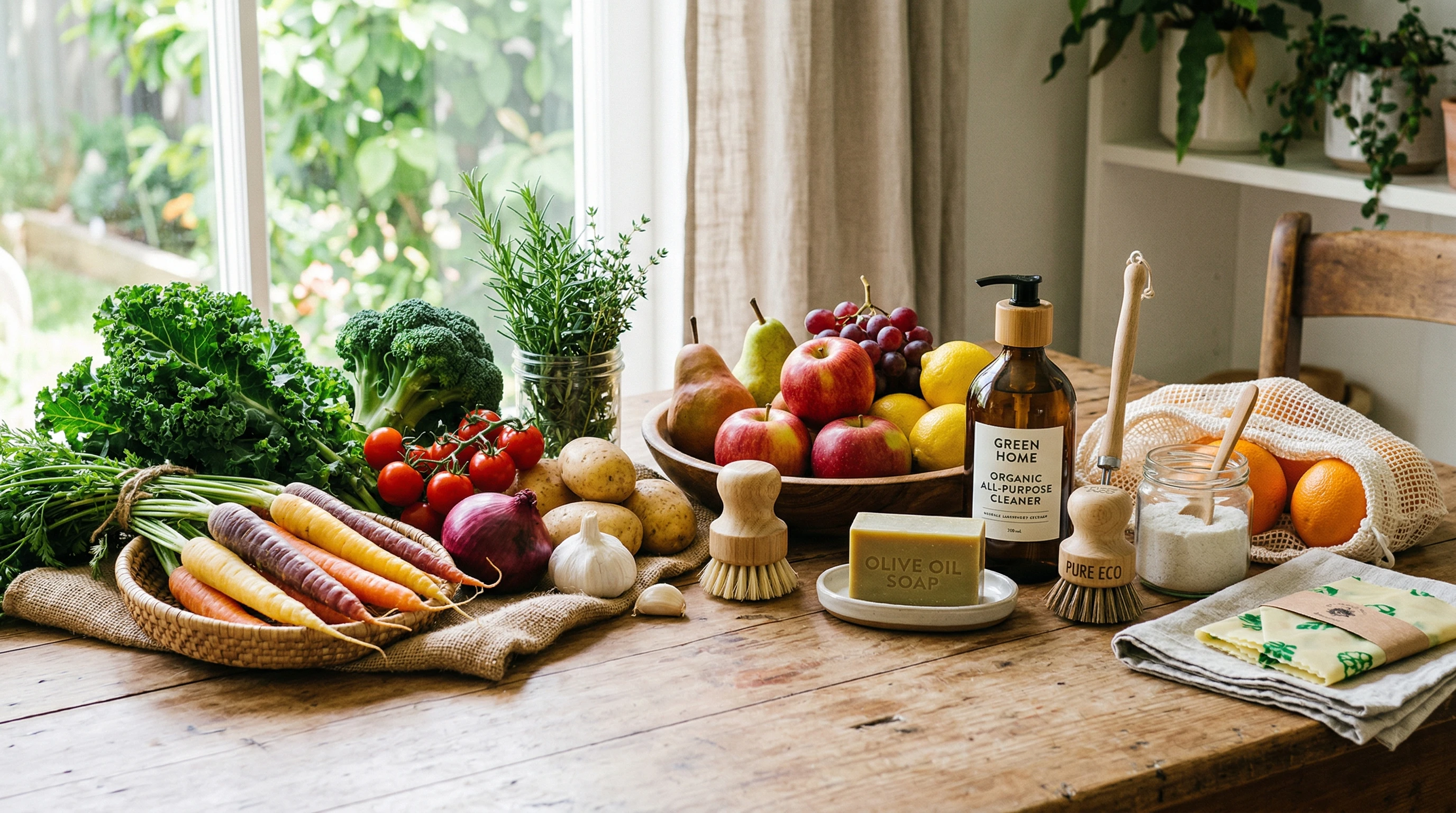
Why Choosing Organic Products Matters
Organic products aren’t just about skipping pesticides, although that’s a big part of the story. They’re also better for the environment, often taste fresher, and for some people, they can even cut down on allergies or reactions to synthetic ingredients. I’ve felt the difference firsthand in my own energy and mood after swapping out conventional products for organic options in both my grocery cart and my cleaning cupboard.
According to the USDA, organic farming practices focus on sustainability and avoiding synthetic fertilizers or GMOs. This approach supports soil health and cleaner water, which is good news if you care about what you put in your body and the future of our planet. Sales of organic products keep climbing every year, showing that a lot of people see the value in making these choices once they get the hang of it.
Understanding Organic Labels and Certifications
The world of organic shopping is packed with different labels and symbols. If you aren’t sure what they mean, it’s pretty easy to get mixed up. Here are the most common certification marks and what they actually stand for:
- USDA Organic: Means the food or product is made with at least 95% organic ingredients and grown without most synthetic pesticides or fertilizers.
- Certified Organic (Country specific): For example, the EU Organic Leaf in Europe or Canada Organic. Each region has a slightly different set of rules, but most match up with avoiding harmful chemicals and GMOs.
- Made with Organic Ingredients: If you spot this on a package, it means 70-94% of the ingredients are organic. It’s a solid option, though not as strict as the fully certified label.
- Non-GMO Project Verified: Not the same as organic, but this tells you the product doesn’t contain genetically modified organisms. When this is combined with “organic,” you’re on the right track.
Checking these labels before you toss anything into your cart really cuts down on confusion and helps you dodge greenwashing, that sneaky marketing approach that makes things look more “natural” than they actually are.
First Steps: Deciding What to Switch to Organic
Going completely organic overnight often isn’t practical or necessary. I started out with the basics: produce, some pantry staples, and then moved to household goods and personal care. Here’s my advice on where to get started if you want to make the biggest impact without breaking the bank:
- Start with the Dirty Dozen: The Environmental Working Group (EWG) releases an annual list of produce most likely to have heavy pesticide residues, like strawberries, spinach, and apples. I found focusing on these first brought peace of mind without ballooning my grocery bill.
- Think About What You Use Most: Items you eat or use daily, like milk, eggs, bread, or cooking oils, are great candidates for making the switch since you end up reducing your exposure to synthetic additives over time.
- Household Staples: Laundry detergent, dish soap, and basic cleaning products have organic or ecofriendly options, too. Look for certifications like the USDA Biobased label to stay on the right path.
Key Factors to Consider When Shopping Organic
Once you’re ready to put organic products in your basket, a handful of factors help you figure out what’s the real deal versus clever advertising. Here’s what I keep an eye on every time I shop:
- Ingredients List: Short and simple ingredient lists usually mean fewer additives. I check for familiar, wholefood ingredients and avoid products with a bunch of tricky names.
- Packaging: Sustainable packaging isn’t required for organic certification, but many brands use recyclable or compostable materials. This fits well with a greener lifestyle.
- Local Organic Options: Supporting local farmers’ markets or regional organic brands means fresher choices and a smaller carbon footprint. I’ve found this method also helps me stumble upon unique new foods and products.
- Organic AND Fair Trade: Especially with coffee, chocolate, tea, and some beauty products, the Fair Trade label means producers got fair wages and worked in decent conditions. It’s an extra step that really adds value if you care about people and the planet.
How to Read Between the Lines of Product Marketing
Shopping for organic products means running into plenty of buzzwords like “allnatural,” “pure,” or “ecofriendly.” Not all of these claims are official, so I always check for third-party certifications and ingredient details. Brands sometimes throw around words like “clean” or “green” just to stand out; if you want to be sure what you’re buying is truly organic, stick to products with certified organic stamps.
One trick I’ve used for years: when in doubt, look up the company’s own story and sourcing policies online. Trusted organic brands almost always share detailed info about how they grow or make their products, and what standards they follow.
Common Challenges and Solutions for Choosing Organic
Aiming for more organic doesn’t mean aiming for perfect. I’ve run into a few bumps and discovered some practical fixes:
- Higher Prices: Organic can be pricier. Shopping in bulk, going to discount grocers, or joining a local food coop helps ease the strain on your wallet.
- Limited Selection: Smaller stores might not carry everything. Ordering online or asking local shops to bring in items you want often solves this issue.
- Freshness and Shelf Life: Organic produce sometimes spoils faster. I focus on meal planning and proper storage to cut back on food waste.
- Greenwashing: Companies may use misleading packaging. I always double-check for proper organic certification and scan the ingredients list.
Troubleshooting Top Organic Product Hurdles
Dealing with Higher Prices: Signing up for loyalty programs and watching for sales on your favorite organic brands helps a lot. Swapping out just your top basics for organic and sticking with conventional for other foods can stretch your budget further.
Spotting Authentic Products: I check the certification, read reviews, and look for transparency on brand websites to avoid being tricked by ‘natural’ claims that don’t mean much.
Managing Spoilage: Snagging frozen or dried organic versions keeps me eating well all year and can actually be cheaper and last longer than fresh produce.
Advanced Tips for Creating a Balanced, Organic Lifestyle
Once you get comfortable with shopping for organic groceries and products, there are some upgrades that really keep your lifestyle balanced and sustainable over the long haul. Here are a few tricks that have worked for me:
Meal Prep Using Organic Staples: Planning out your week with organic grains, legumes, and produce makes healthy eating way easier. Batch preps save time and make it simple to stay on track with your goals.
Check for Multiuse Products: Organic coconut oil, for example, works in cooking, as a skin moisturizer, and even as a hair conditioner. Having versatile items keeps things simple and budgetfriendly.
Embrace Seasonal and Local Organic Foods: Focus on in-season options for fresher taste and better deals. If you get the chance, visit a local farm or join a CSA (Community Supported Agriculture group). This supports your community and connects you with your food.
Switch to Organic Personal Care: Shampoo, toothpaste, and lotions come in organic formulas these days. Look for clear ingredient lists and trusted certifications, just as you would with food.
Explore Sustainable Home Goods: Once you start with food and personal care, check out home goods like reusable organic cotton towels, bedding, and biodegradable sponges. These small shifts add up and show how every part of your life can be a bit greener.
All of these steps help you build a lifestyle that isn’t just about picking food, but supports your long-term wellness, too. As you experiment with organic options, you’ll stumble upon new habits and favorite brands—and the benefits, from greater peace of mind to a reduced eco-footprint, make it worthwhile. Try different products, compare results, and remember, progress is what counts most.
Organic Products FAQ
Some of the most common questions pop up when people start thinking about going organic. Here are a few I hear most often, with my personal take:
Q: How can I afford a mostly organic lifestyle?
A: Focus on high-impact switches, like produce with highest pesticide risk and items you use daily. Shop sales, buy in bulk, and consider frozen or dried organic foods to keep costs down.
Q: Is everything labeled “organic” truly better for me?
A: Look for trustworthy organic certification and simple ingredients. ‘Organic’ chips or cookies can still be junk food, so stick to whole food basics for the best results.
Q: What’s the difference between “natural” and “organic”?
A: “Natural” isn’t a regulated term, while “organic” requires strict certification. Always check for the official label when you want real organic quality.
Q: Should I worry about organic being less safe or nutritious?
A: Research shows organic products are just as safe, and some studies say they carry fewer pesticide residues and may even be slightly higher in certain nutrients. The biggest win comes from fewer added chemicals and supporting environmentally friendly farming.
Bringing Organic Choices Into Your Balanced Lifestyle
Choosing the best organic products for a balanced lifestyle gets easier as you learn the ropes and trust your judgment. Looking out for proper certifications, reading through the ingredients, and making changes at your own pace helps keep everything manageable and rewarding. Little by little, these choices add up, not just for individual health, but for the wider world too. Keeping it simple and focusing on your main needs makes the biggest difference over time. Organic living isn’t all or nothing; it’s about steady, flexible change that fits your real life.
If you want more info, check out the EWG’s Shopper’s Guide or explore your country’s organic standards for more tips and resources. Being curious and asking questions helps you make choices that fit your life and priorities. You might be surprised at how many great options you can find once you start looking—and how quickly small changes add up to a healthier routine for you and the planet.