
Minimalism is known for making life simpler, but the reasons people get into it often run deeper than just having less stuff. When I first tried out minimalism, I wanted to bust through brain fog and find a bit more clarity in my day-to-day. The truth is, our surroundings can be a source of constant distraction; sometimes it’s the visible clutter, other times it’s stuff constantly fighting for our attention. In this guide, I’ll break down how minimalism can really give your mind a boost, offer usable strategies to get started, and share answers to some of the most common questions people have when first getting into this lifestyle.
What Minimalism Actually Means
Minimalism takes on different shapes depending on who you ask. Some people see it as an art form—think clean lines, simple color palettes, and barely decorated walls. But for most, it’s about being intentional with what you allow into your life. The core idea is to strip away distractions or things that don’t genuinely serve you so there’s more mental and physical space for what really matters.
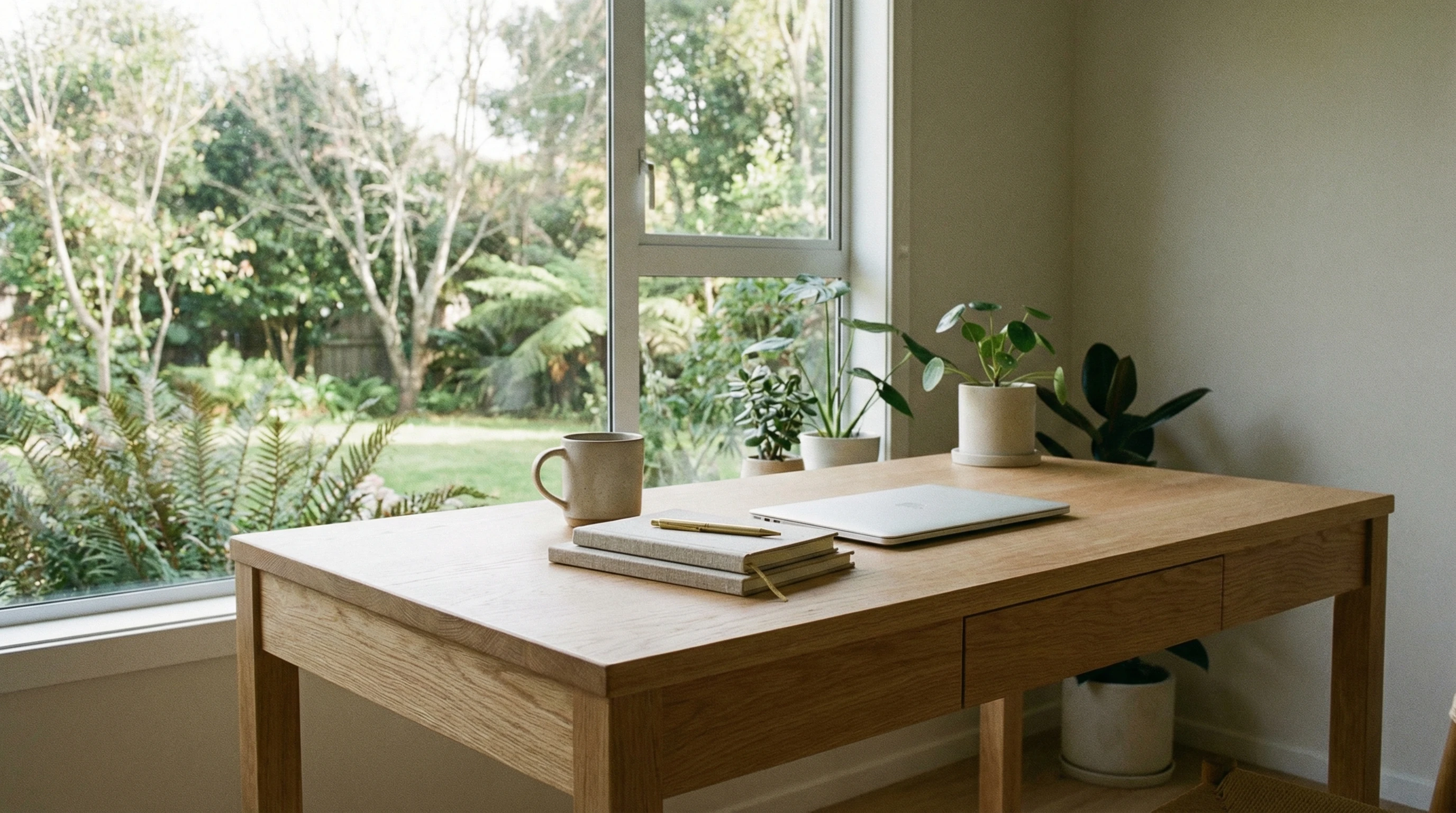
It’s not about living with nothing. Personally, I hold onto the things I genuinely use—like my trusty coffee mug. I realized that once I gave away a lot of the extras I never actually needed, my mind just felt a little less scattered. There’s science behind this, too. Research shows clutter reduces your focus, raises your stress hormones, and even leaves you feeling more anxious. Minimalism, then, isn’t just a look; it’s a legit tool for clearer thinking and peace of mind.
How Minimalism Clears the Mind
Whenever my workspace is crowded, even the smallest things can distract me. I might be typing away on my laptop, but then my attention gets pulled by a pile of old mail or a tangle of unused chargers. One little distraction can throw off your entire groove. Stack up a bunch of tiny distractions like that, and it’s no wonder you end up feeling drained or overwhelmed.
Clearing away the clutter sets off a chain reaction, and here’s how minimalism can directly lead to a clearer mind:
- Cuts Down on Overwhelm: With fewer things clamoring for attention, your mind can breathe a little easier.
- Encourages Focus: A pared-down space makes it way easier to zero in on one thing at a time without your thoughts jumping around.
- Lowers Stress: Removing visual chaos helps your nervous system chill out, reducing stress in everyday life.
- Clarifies Priorities: When there’s less around you, what you do keep stands out and steers your focus to what matters.
Tons of minimalist experts—like authors and professional organizers—point out that clearing up your space helps you tidy up your mental life, too. I can definitely say that’s been true for me, especially when I finally clear out a spot that’s become a dumping ground.
Simple Steps to Get Started With Minimalism
Tackling all your stuff at once can feel overwhelming. I was definitely hesitant when I first thought about becoming more minimalist. But it actually helps to start small. These steps made all the difference for me in the beginning:
- Start with One Area: Instead of overhauling your whole house, clear out just one drawer or shelf. Focus on the things you reach for weekly—the rest is probably just taking up headspace.
- Use Timed Sessions: Try decluttering for just 10 or 15 minutes. You might be surprised at how much ground you cover, and it’s way less daunting than a marathon cleaning spree.
- Ask Yourself Why You Have Things: When deciding whether to keep or lose something, check if it’s useful, beautiful, or meaningful. If not, it’s probably a distraction.
- Tackle Paper Clutter: Paper is one of the sneakiest clutter sources. Old mail, receipts, and notes can pile up and drag you down, so shred what you don’t need and go digital when possible.
One of the best surprises from starting small was realizing just how much better my space—and my brain—felt even after clearing just one shelf or bag of old clothes. The process tends to snowball. Once you see how good it feels, you’ll want to keep going in other areas, too.
Everyday Minimalist Habits to Keep Your Mind Clear
Minimalism is less of a one-off event and more of a daily habit. Keeping these routines going has helped me avoid backsliding into clutter and chaos:
- One In, One Out Rule: Each time you pick up something new—whether it’s clothes, gadgets, or kitchen tools—make sure something else leaves your space. This keeps accumulation in check.
- Daily Five-Minute Cleanup: A quick tidy each day stops messes from growing and keeps your mind from feeling scattered.
- Trim Your Digital Life: Unsubscribe from emails, delete unused apps, and organize your digital files. A streamlined digital presence can have a real-world effect on your focus.
- Practice Saying No: Minimalism is about physical space, but it’s just as much about your time. Declining extra commitments protects your energy.
It doesn’t have to be a big deal—just a few intentional minutes here and there can make a massive difference in keeping your mind unburdened and open.
Common Challenges and Staying Motivated
Minimalism isn’t always a walk in the park. Sometimes, emotional hangups pop up and slow you down. Here are a few hurdles I hit (and still do sometimes), along with how I handle them:
- Nostalgia: Sentimental things from past events or loved ones can be tough to let go of. I keep one special item or take a photo if I want the memory, letting the rest move on.
- “Just-In-Case” Thinking: It’s normal to worry about needing something someday. My rule now: If I haven’t used it in over a year, it’s safe to donate. If I regret it, I try to borrow next time rather than buy again—which almost never happens anyway.
- Guilt: Sometimes parting with a gift or something you spent good money on can feel wasteful or rude. But keeping things out of guilt doesn’t serve anyone. If it’s no longer serving you, let it find a second life elsewhere.
Something that helped me was always keeping a donation box handy. Whenever I’m on the fence, I put it in the box and give myself a week. Nine times out of ten, I forget about it. That makes it way easier to donate and move on without regret.
How Minimalism Comes Through in Daily Life
Minimalism isn’t just for your living room. You’ll run into it in loads of different places, where it works wonders for mental clarity:
- At Work: A clear, streamlined desk with only essentials helps me focus and hammer out tasks without excess distractions. Even simply tucking away tools I use less often makes a big difference.
- In Your Tech Life: Too many desktop icons, notification pop-ups, or digital knickknacks can clutter your screen and your mind. Clearing them lets you use your tech for what matters and leaves you calmer.
- With Your Phone: Organizing apps into folders, deleting duplicates, and turning off non-essential notifications keeps your phone from turning into a source of distraction or stress. Less screen time, more peace of mind.
- Scheduling: Minimalism also applies to how you spend your time. Leaving open spots in your calendar lets your mind reset, which is just as refreshing as a clean shelf.
There’s no single way to “do” minimalism. I know people who keep only the basics and others who simply step back on shopping or only keep what they use regularly. The important part is that it lines up with what feels right for your life, rather than just hitting a specific number of possessions.
Frequently Asked Questions
I hear a lot of the same questions when people want to try minimalism for clarity and focus. Here are some quick answers:
Question: Do I have to get rid of everything I own?
Answer: Absolutely not. Minimalism is about settling on what makes your daily life smoother and more enjoyable, not going without. Keep what helps or makes you happy.
Question: What if my family or roommates aren’t into minimalism?
Answer: Focus on your own space first. Often others notice the benefits and join in down the road, but everyone sets their own pace. Be patient and lead by example instead of pushing for change.
Question: How do I handle stuff that’s sentimental or gifted?
Answer: If something is truly special, keep it. For items you feel stuck with out of politeness or nostalgia, try snapping a photo so you can remember without needing the object itself. Letting go is about space for who you are now.
Minimalism for a Clearer, More Focused Life
Minimalism keeps my space uncluttered, my schedule less frantic, and my thoughts more focused. It takes time to get used to and shouldn’t be rushed. Even making the smallest change—a single drawer, shelf, or inbox—can give your mind an instant lift. Make it your own, grow into it gradually, and you’ll notice your home and mindset starting to sync up and bring more comfort and clarity to your everyday life.