
The lymphatic system is one of those parts of the body that I didn’t really pay much attention to until I started to check out how it connects with the rest of our immune defenses. It moves a clear fluid called lymph throughout the body, acts like a waste disposal service, and brings immune fighters where they’re needed. If you want to keep yourself healthy or are curious about how your body deals with germs, checking out how the lymphatic system supports immune health is super interesting.
Understanding the Lymphatic System: The Basics
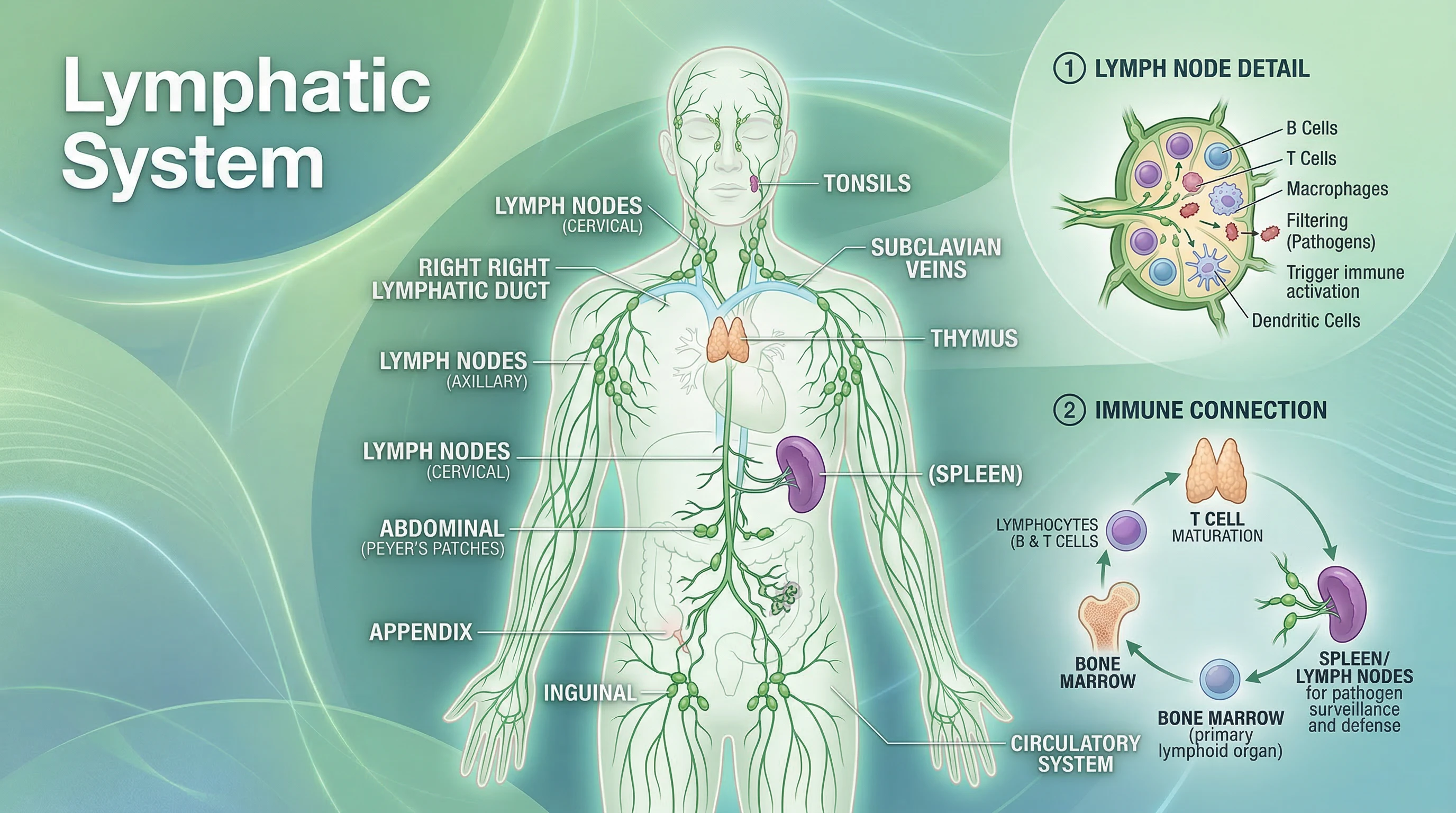
When people think about the immune system, they usually think of white blood cells or maybe the spleen. But the lymphatic system is a superstar too. It’s a network of tiny vessels, nodes, and organs such as the spleen and thymus. Lymph— that clear, yellowish fluid— travels through these vessels, a bit like blood flows through veins, collecting waste, dead cells, and occasionally stray bacteria along the way.
Lymph nodes serve as mini check-in stations. They’re packed in clusters all over the body, like in the neck, armpits, and groin. Each node filters the lymph, snaring unwanted materials and giving immune cells a space to interact with potential threats. The spleen and thymus are essential players: the spleen filters blood and recycles old blood cells, while the thymus is the childhood training ground for certain white blood cells called T-cells.
How the Lymphatic System Supports Immunity
So, how does the lymphatic system play into immune health? Think of it as a superhighway for immune cells. Lymph transports invaders— like viruses or bacteria— directly to the lymph nodes. Here, all kinds of immune cells, mainly lymphocytes, gather information and develop a plan to attack. Lymph nodes can even swell when they are on high alert, for example, if you have a sore throat or infection.
- Lymphocyte Transport: White blood cells named lymphocytes (B-cells and T-cells) travel through the lymphatic system. B-cells create antibodies, while T-cells take down infected or abnormal cells.
- Antigen Detection: As lymph passes through a node, immune cells inside can spot and react to new invaders (called antigens).
- Waste Removal: Not only does the system trap pathogens, but it also helps clear away cell debris, keeping your tissues healthy and not bogged down with junk.
The lymphatic system acts as both a delivery route and a set of security checkpoints for your immune system. This is incredibly helpful when fighting off colds, viruses, or infections in wounds.
Key Terms and Organs: What to Know
If you want to brush up on the lymphatic system, here are a few words that always come up. Here’s what they mean in plain English:
- Lymph: The clear fluid that moves through the vessels, carrying immune cells and waste products.
- Lymph Nodes: Small, bean-shaped filters packed with B-cells and T-cells. Swollen lymph nodes often mean your body is mounting a defense against invaders.
- Spleen: The biggest lymphatic organ, it filters your blood and helps sense and respond to bacteria or viruses in the bloodstream.
- Thymus: Located just above the heart—and especially crucial in kids and teens—this organ is where certain white blood cells mature.
- Tonsils and Adenoids: Found in the throat, they’re the first line of immune defense against what you breathe in or swallow.
Everyday Ways the Lymphatic System Protects You
Thinking of the lymphatic system as a backstage hero really helps make sense of why it deserves some attention. Here’s how it works for you each day:
- Fights Infections: When your body spots an invader, lymph nodes set off an immune response. That might result in a fever or swollen glands, but it’s a good sign your body is doing its job.
- Filters Fluid: The system maintains fluid balance, returning extra fluid to the bloodstream and stopping body tissues from swelling up.
- Transports Immune Cells: It’s the main route white blood cells use to get to sites of infection or injury fast—almost like a biological delivery truck.
If the lymphatic system gets overwhelmed, such as in lymphedema (when fluid builds up in tissues), or overloaded with repeated infections, you’ll typically notice it through swelling or wounds that take too long to heal.
Quick Guide: Supporting Your Lymphatic and Immune Health
Keeping your lymphatic system healthy ties directly to how solid your immune defenses are. Here are some ways to keep everything working well:
- Stay Active: Moving your body gets your lymph flowing, since it doesn’t have its own pump like the heart. Walking, stretching, and gentle yoga all help.
- Drink Plenty of Water: Lymph is mostly water, so staying hydrated really keeps it moving. If you notice swelling after being inactive, a stretch and a glass of water can help a lot.
- Balanced Diet: Nutrients like vitamin C, zinc, and antioxidants are useful for supporting the immune system and lymphatic cells.
- Healthy Skin Care: The lymphatic system is crucial for wound healing. Keeping any cuts or scrapes clean helps lymph sweep in and fight threats before they grow into bigger problems.
Anyone with regular swelling or repeated infections should connect with a healthcare professional. These signs may mean the lymphatic system isn’t working as well as it should be.
What Can Go Wrong? Common Lymphatic and Immune Problems
The lymphatic system pulls off a lot, but sometimes it hits a snag. Here are some common health issues related to immune function:
- Lymphedema: This is noticeable swelling, often in the arms or legs, caused by lymph fluid not draining as it should—often after surgery or treatments that affect lymph nodes.
- Infections: Swollen, sore lymph nodes often show your body is working to fight off something like a throat infection or bad cold.
- Lymphoma: This is cancer of lymph cells and tissues. While rare, it’s a reminder that the system’s cells need to be kept in check.
- Autoimmune Disorders: Sometimes the lymphatic system is part of conditions where the immune system attacks healthy tissue by mistake, as in lupus or rheumatoid arthritis.
If you regularly have swelling, lots of sore lymph nodes, or infections that won’t go away, talk with your doctor for advice and tests.
Advanced Tips for Keeping the Lymphatic System Healthy
Once you’ve got the basics down, you might want to jump into more ways to step up your lymphatic and immune health. Here are some bonus strategies you can try:
- Manual Lymphatic Drainage: Special massage styles are meant to help move lymph, which may help with mild swelling and also feels super relaxing.
- Cold Showers: Switching back and forth between warm and cool water can get your lymph moving, as the body reacts to changing temperatures.
- Wear Comfortable, Nonrestrictive Clothes: Wearing loose clothing helps lymph flow easier, especially if you’re prone to swelling.
- Deep Breathing: Breathing exercises, especially using your belly, can push lymph through your system with the motion of your core muscles.
These aren’t medical cures, but these lifestyle tweaks can be simple to try at home. Keeping things consistent and easy is the best way to look after your health over the long haul.
Real-World Applications and Quick Examples
The lymphatic system pops up in all sorts of situations beyond the doctor’s office. Here are a few ways it makes a difference:
- Sports Recovery: Athletes rely on massage, active recovery sessions, and lots of hydration to keep lymph flowing and speed up recovery after tough training.
- Post-Surgery Care: After surgery, especially cancer treatments, lymphatic health becomes a focus to lower swelling and reduce the risk of infection.
- Infection Control: Notice swollen lymph nodes in your neck or armpits? That can be one of the first ways your body shows it’s fighting off illness.
This system also plays a key role if you’re dealing with allergies or recoveries of any kind—a reminder that it matters in regular life, not just emergencies.
Frequently Asked Questions
Here are some questions people often ask about the lymphatic system and immune health:
Question: What are the first signs of a problem with the lymphatic system?
Answer: Swelling in the arms or legs, frequent infections, or lymph nodes that stay enlarged for several weeks should definitely be checked by a healthcare provider.
Question: Can you improve lymphatic health through diet or exercise?
Answer: Absolutely. Regular movement, enough fluids, and eating a balanced diet all support the lymphatic system and the immune cells flowing through it.
Question: Are swollen lymph nodes always something bad?
Answer: Most of the time, swollen nodes mean your body is fighting off an infection. If the swelling sticks around too long or comes with things like fever or weight loss, it’s time to see a healthcare professional.
Takeaway
The lymphatic system is vital for keeping your immune system working well. Showing it a little care through straightforward choices like staying active, hydrated, and maintaining healthy skin can support your overall wellness. If anything seems off—like ongoing swelling or infections that never quit—don’t wait to seek advice. Paying attention to the lymphatic system really makes a difference when it comes to fighting infections and keeping healthy long-term.