
Supplements for prostate health have become really popular, especially among folks looking to keep things running smoothly as they get older. With so many pills and powders lining the shelves, it’s easy to wonder what’s inside these bottles and how the ingredients actually work. I’m going to break down the science behind some of the most common ingredients found in prostate supplements, covering what they do, what the research says, and what you might want to keep in mind if you’re thinking about adding one to your daily routine.
The Basics: What’s In Prostate Supplements?
Prostate supplements usually include a mix of herbs, plant extracts, minerals, and sometimes vitamins that have been linked in studies or traditional medicine to prostate health. Most of these products are designed to support healthy urine flow, reduce nighttime bathroom trips, and offer some general support for aging men’s urinary systems. The most commonly used ingredients often claim to reduce symptoms associated with benign prostatic hyperplasia (BPH), which is a non-cancerous enlargement of the prostate that affects a lot of older men.
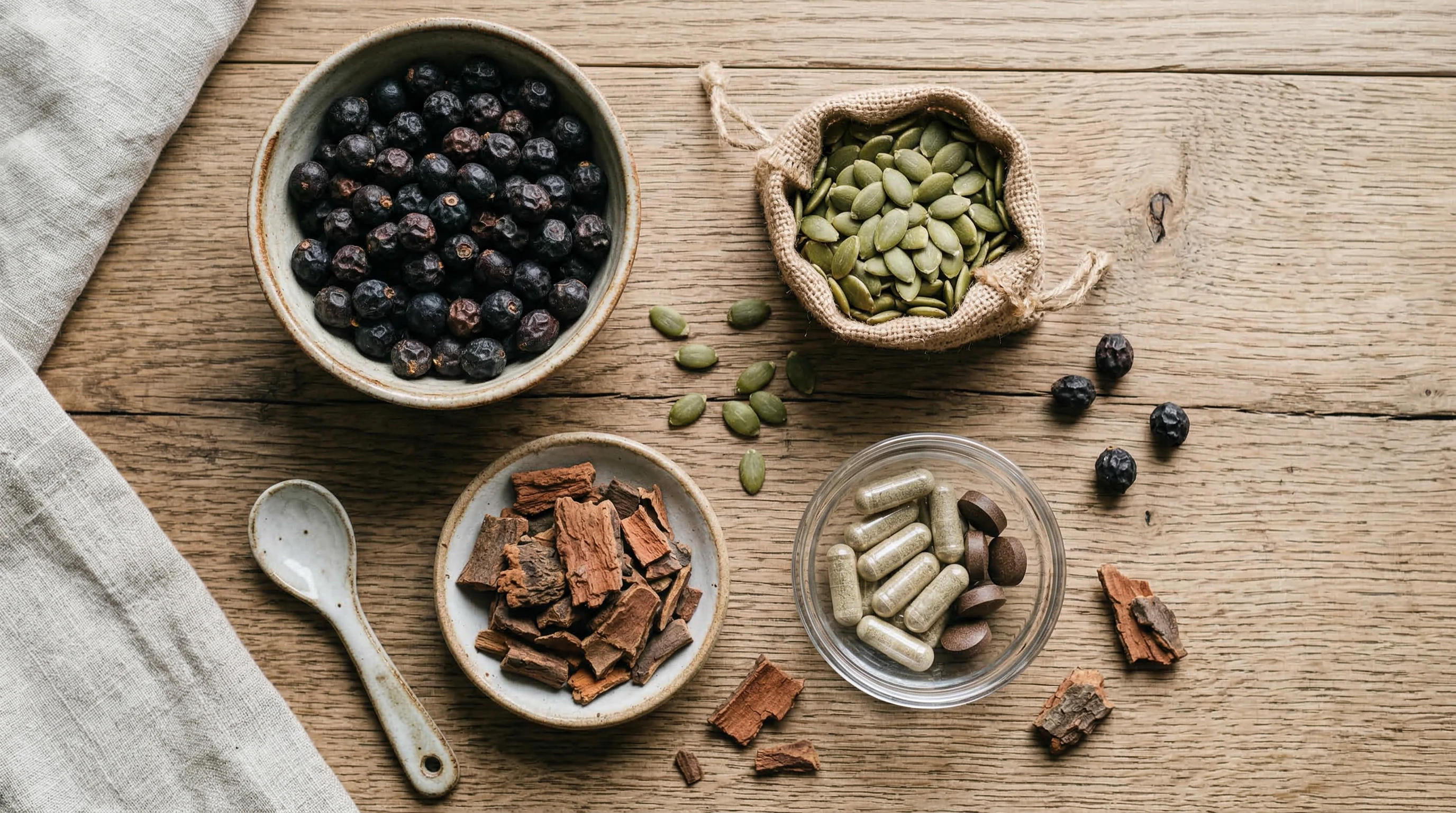
Saw palmetto, betasitosterol, pygeum, and pumpkin seed extract are just a few ingredients you’ll see over and over. Sometimes, zinc, selenium, and lycopene also make an appearance. Since the FDA doesn’t regulate supplements as strictly as prescription drugs, there’s a lot of variation between brands and formulations.
Popular Prostate Supplement Ingredients and What the Research Says
Here’s a breakdown of some standout ingredients that show up most often in these products, along with a look at what the science actually says about each one.
- Saw Palmetto: This palm plant extract is probably the most famous of them all. It’s been used in traditional medicine for urinary symptoms linked to BPH. Researchers think saw palmetto may block the activity of an enzyme (5-alpha reductase) that turns testosterone into dihydrotestosterone, a hormone that can make the prostate grow too large. Some clinical studies show a small benefit for BPH symptoms, while others don’t see much of an effect beyond a placebo. Most reviews agree it’s generally safe, so it gets used a lot.
- BetaSitosterol: This plant sterol is found naturally in many vegetables and nuts. Betasitosterol may improve urine flow and reduce the urge to go at night, which is really helpful for guys dealing with BPH. Several studies have shown modest improvements in symptoms, though it doesn’t actually shrink the prostate. It’s usually well tolerated with very few side effects.
- Pygeum Africanum: This extract comes from the bark of the African cherry tree. Pygeum has been used for decades to ease urinary symptoms. Some research suggests it may reduce inflammation in the prostate and boost urinary flow. Meta-analyses show mild benefits for BPH, especially when it comes to night-time urination and the volume of urine left in the bladder after going.
- Pumpkin Seed Extract: Pumpkin seeds, or pepitas, contain phytosterols that might curb prostate growth. Lab studies and small clinical trials suggest a possible benefit for urinary function in people with BPH. Pumpkin seed oil is also sometimes included, with anecdotal evidence supporting its use, though more research would definitely be helpful.
- Lycopene: Lycopene is the red pigment in tomatoes and some other fruits. It’s an antioxidant, and some early studies pointed to a lower risk of prostate issues with higher lycopene intake. Mixed results in bigger studies mean it’s not a magic bullet, but lycopene’s antioxidant effect seems to offer a bit of support for general prostate wellness.
- Zinc: The prostate contains more zinc than almost any other organ in the body. Zinc plays a part in hormone metabolism and cell growth, and some research shows men with prostate problems may have lower zinc levels. While supplements might help people with a deficiency, too much zinc can actually do harm, so it’s best to aim for balance.
- Selenium: This trace mineral helps protect cells from damage. Some early studies linked selenium supplementation with a lower risk of prostate issues, but more recent, larger studies have had mixed or even negative results, especially if you already get enough from your diet.
How These Ingredients Support Prostate and Urinary Health
The way these ingredients work isn’t always totally clear. Some support healthy hormone balance, some reduce irritation, and others work as antioxidants. Here’s a quick look at how these popular plant extracts and nutrients go about their job:
- Hormone Balancing: Ingredients like saw palmetto and betasitosterol are thought to limit the effect of hormones that can make the prostate grow, like dihydrotestosterone.
- AntiInflammatory Action: Several plant-based supplements, like pygeum and pumpkin seed extract, seem to lower inflammation in the prostate area, which could help ease symptoms.
- Antioxidant Protection: Compounds like lycopene and selenium protect sensitive cells in the prostate from being damaged by free radicals, which are unstable molecules produced naturally in the body but also through things like pollution or poor diet.
- Urinary Flow Support: Betasitosterol, pygeum, and pumpkin seed extract might help relax the muscles in the urinary tract, allowing urine to flow more easily and reducing nightly interruptions.
Practical Tips Before Adding Prostate Supplements to Your Routine
Not every supplement works the same for everyone, so checking in with your healthcare provider before starting anything new is really important, especially if you take medications or have health conditions. Here’s what I’d recommend for anyone considering these products:
- Check Dosages and Formulations: Different brands include different amounts and forms of each ingredient. Stick with brands that are third-party tested or come recommended by healthcare professionals.
- Watch Out for Drug Interactions: Supplements like saw palmetto can interact with drugs like blood thinners. Always read the labels and talk to your pharmacist or doctor.
- Be Patient With Results: Herbal supplements often take at least a few weeks to show any effect. They’re usually slower acting than prescription meds for BPH.
- Monitor for Side Effects: Most of these ingredients are considered pretty safe when used as directed. Some folks might have mild stomach upset or allergic reactions, especially with plant extracts.
- Don’t Skip Real Medical Care: Supplements aren’t a replacement for medical diagnosis or treatment. If you have ongoing urinary changes or pain, always get checked out to rule out anything serious like infection or cancer.
Comparing Popular Prostate Supplement Ingredients in Research
Head-to-head comparisons between these ingredients are rare, and very few studies look at their combined effect, which is how most supplement blends are actually sold. Some reviews suggest saw palmetto and betasitosterol have the most consistent support, with pygeum and pumpkin seed trailing behind but still worth considering. Lycopene, zinc, and selenium are more about general health support than immediate symptom relief.
Research is ongoing and opinions can change as more data comes out, so I like to stay openminded and keep an eye out for new studies, especially systematic reviews and large clinical trials. The National Institutes of Health is a great place to check for updates if you want to read the latest science for yourself.
Frequently Asked Questions
Here are a few questions I hear a lot from people who are thinking about trying a prostate supplement:
Question: How long does it usually take for prostate supplements to work?
Answer: Most herbal ingredients, like saw palmetto and pygeum, take at least 4-6 weeks before any change is noticeable. Some people may not feel much difference at all, so it’s good to set realistic expectations.
Question: Are there any risks to taking prostate supplements every day?
Answer: Most ingredients used in prostate supplements are generally safe for most people when taken as recommended. Risks mostly come from taking high doses, drug interactions, or using the supplements instead of seeing a doctor if symptoms are severe or new.
Question: Do I need a prescription to get these ingredients?
Answer: Nope. These ingredients are found in over-the-counter supplements. It’s still a good idea to review new supplements with your healthcare provider to make sure they’re safe alongside your current treatments.
Common Uses and RealWorld Impact
People use these supplements for different reasons. Some want to avoid prescription meds. Others are looking for extra support in addition to a healthy diet and lifestyle. Some guys swear by saw palmetto or betasitosterol for reducing their bathroom trips at night. A family friend of mine found that pumpkin seed extract actually helped with mild symptoms, though not everyone has the same experience.
- Support for Nighttime Urination: These products are popular with people who get up a lot at night and want to cut down on interruptions to their sleep.
- General Wellness: For those dealing with mild or occasional urinary issues, supplements can provide peace of mind and extra nutritional support.
As always, the best outcomes usually come from combining smart supplement use with regular exercise, a balanced diet, and regular checkups with your doctor. And while supplements can give a boost, staying proactive about your health as you get older is still the most important piece of the puzzle. Your personal experience may vary, so checking in with your healthcare provider ensures you’re making choices that fit your unique needs and help you stay comfortable and healthy for years to come.