
Kettlebells have blown up in popularity, popping up everywhere from big box gyms to home workout corners. I’m all about how simple these round weights make it to build real, functional strength. If you’re looking for routines that give a ton of bang for your buck, especially if you don’t have space for a huge gym set up, kettlebell exercises are really worth checking out. You don’t need fancy gear or a dozen pieces to get strong; you just need a trusty kettlebell and a solid set of moves. Here’s my take on the exercises that can help anyone build real strength and stay injury free.
Kettlebell Training Basics
Even though they look pretty straightforward, kettlebells are awesome for working your entire body. The design lets you swing, press, row, and squat using a bunch of muscle groups at the same time, which is why so many trainers, myself included, use them for almost every kind of strength and conditioning workout. Plus, they’re really good for building “real world” strength, the kind that helps in everyday life and sports.
The kettlebell’s history goes back hundreds of years, but it has picked up a cool cult following in modern fitness. For beginners, getting the basics down first really pays off, since good form is super important to avoid injuries and get the most from each rep. Learning proper technique also helps prevent plateaus and makes every session more rewarding.
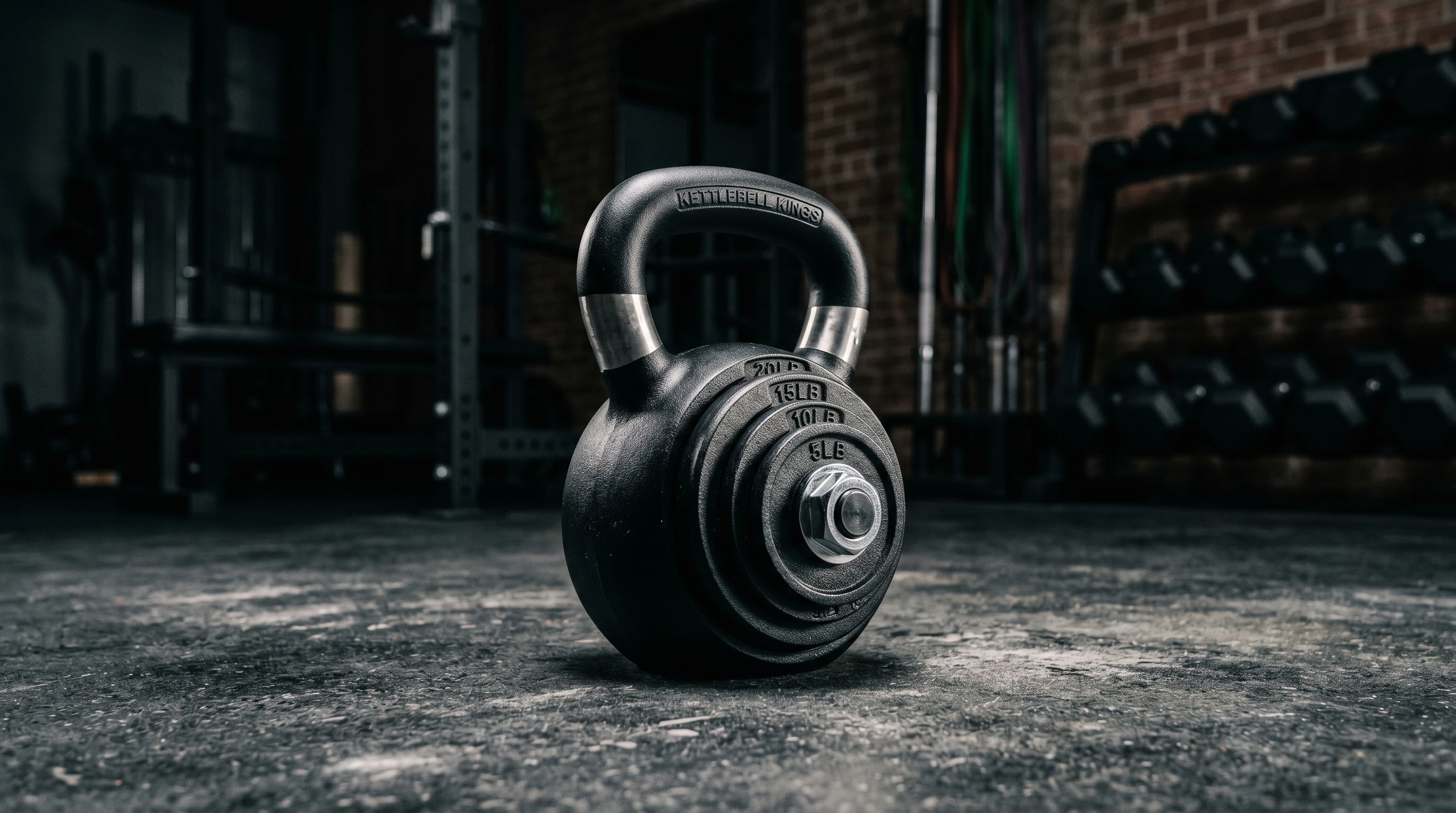
Grabbing an adjustable weight kettlebell lets you keep challenging yourself as you get stronger without needing to buy new weights every few months. One solid piece of equipment that never seems to go out of style, and it’s portable enough to use inside or outside for a change of scenery.
Getting Started with Kettlebell Exercises
Kettlebell workouts are pretty beginnerfriendly, since most moves are easy to learn and don’t take a lot of space. Still, it’s a good idea to start light until you’ve nailed the technique. Here’s what helps when you’re kicking off kettlebell training:
- Neutral Spine: Keeping your back straight and core braced protects you and helps you use the right muscles.
- Controlled Movement: Don’t rush the moves. Smooth, steady motions deliver better results and keep things safe.
- Proper Grip: Use a firm but not deathgrip when holding the kettlebell, so you stay in control through every move.
Once you’re familiar with the basics, strength gains come quick, and you’ll notice improvements in core stability, grip, and even balance before long. Some even find it helpful to record themselves to keep an eye on their form as they go.
10 Kettlebell Exercises for Building Strength
I picked my favorite ten kettlebell moves for building strength from top to bottom. These are staples in my routine, and I see great progress from beginners and seasoned lifters who stick with them. Try adding two or three of these to start, and work up to full circuits as you get stronger.
- Kettlebell Deadlift: Perfect for training your hips, hamstrings, and lower back. Stand over the kettlebell, keep your chest up, push your hips back, and drive back up while gripping the weight firmly. This is the foundation for pretty much all other kettlebell lifts. Doing these right teaches your body to pick things up safely, whether in the gym or real life.
- Kettlebell Swing: Works your whole posterior chain, mainly glutes, hamstrings, and core. Swinging also builds grip strength and encourages good posture, reinforcing your natural movement patterns.
- Goblet Squat: Hold the kettlebell at your chest and squat down, elbows inside your knees. You’ll notice your quads, glutes, and core seriously working. This is one of the best ways to build squat depth and flexibility safely.
- Kettlebell Clean: This gets the bell from the floor to the “rack” position at your shoulder. It’s great for teaching explosive hip power and is the entry point for heavier overhead work. Keeping the motion smooth means less smashing your wrist and more power for the next move.
- Kettlebell Press: From the rack position, press the kettlebell overhead. Shoulders, triceps, and your whole core get tested here, especially as you fight to stabilize the bell. Steady, controlled presses pay off with stronger, healthier shoulders.
- Kettlebell Row: Hinge at your hips, support yourself on one knee or bend forward, and row the kettlebell with control. This is great for building your back and biceps. Rows also improve upper back posture, which helps in everyday activities.
- Turkish Get Up: A totalbody move that takes you from lying down to standing up while holding a kettlebell overhead. It’s slow and technical, but amazing for shoulder stability, core strength, and coordination. Each segment of this movement trains balance, flexibility, and mental focus.
- Kettlebell Snatch: An explosive lift that carries the bell from a swing position all the way overhead in a single move. You’ll build speed, power, and full body coordination. This is an advanced movement, but it packs a huge return for your investment with practice.
- Kettlebell Front Squat: Similar to the goblet squat, but with a bell racked at the shoulder (or one in each hand). It loads your core and upper body more than the goblet version. Front squats build strength for both sports and daily life, especially for lifting objects more efficiently.
- Kettlebell Farmers Carry: Just pick up a couple of heavy kettlebells and walk. This simple move works your grip, traps, lats, and all your stabilizer muscles, while also giving your lungs a run for their money. It’s a functional movement everyone should try.
All of these exercises work well as standalone moves or paired together for a killer full body workout. Splitting upper and lower body kettlebell moves throughout the week can also keep things fresh and balanced.
Things Worth Considering Before Starting Out
Kettlebell training is pretty straightforward, but a little prep goes a long way. Here’s what I like to sort out first:
- Weight Selection: Start with a weight that lets you finish your sets without failing but still feels challenging by the last rep. For most beginners, 8kg to 12kg works well for upper body, and 12kg to 16kg for lower body. Using the right load gives you gains without putting excess strain on your joints.
- Floor & Space: A sturdy, nonslippery floor and enough space to safely swing or move the bell keeps things safer. Clearing nearby objects is good practice, especially in smaller rooms.
- Footwear: I go barefoot or use flat, grippy shoes for stability, since cushy running shoes mess with your balance. A steady base helps you build power from the ground up and keeps your movements precise.
- Form Above All: Watch some good instructional videos and pay attention to joint alignment and movement quality. Bad form feels okay in the beginning, but can mess up your back or shoulders in the long run. Find a training buddy or coach if possible to get real time feedback.
Spending a little extra time here helps you get better results while keeping injuries out of the picture. With a solid foundation, your progress will come easier and last much longer.
Common Challenges and How to Deal With Them
Even though I love kettlebell training, there are some typical sticking points that trip people up. Here’s how I bypass them:
- Wrist Discomfort: Make sure you’re not letting the kettlebell bang against your forearm on cleans and presses. A softer grip and proper hand position go a long way toward staying comfortable.
- Lower Back Strain: This usually comes from rounding your back on swings and deadlifts. Keeping your spine neutral and engaging your lats helps support your form, so your back is protected.
- Blisters and Calluses: A sign you’ve been putting in work, but too much friction can be a problem. Chalk and a proper grip keep your hands happier. Sometimes taping trouble spots or adjusting handle placement prevents blisters before they start.
- Fatigue Too Soon: Kettlebells are sneaky when it comes to cardio. Take shorter sets when starting out, and let your conditioning build over time. Small breaks help you focus and catch your breath while building a solid aerobic base.
If something feels sketchy, backing off and correcting technique is always the right move. Don’t be afraid to take a rest day when needed—your body grows stronger when given time to recover.
NextLevel Kettlebell Tips and Tricks
Once you’re cool with the basics, taking your kettlebell workouts up a notch is pretty straightforward. These are my go to upgrades:
Stick to FullBody Routines: Pair 2 or 3 moves (like swings, squats, and rows) for circuit workouts. You get more out of less time and keep your heart rate up. This keeps things efficient and stops boredom in its tracks.
Track Your Progress: Write down weights, reps, and rest periods. Seeing progress over weeks is super motivating, even if you’re just training at home. Helpful apps or old fashioned notebooks both do the trick.
Finish with Carries: Farmers carries at the end of a session boost grip strength and build mental tenacity. Start light and go for time or distance. Challenge yourself by carrying heavier loads as your strength increases.
Absorbing new cues or techniques from kettlebell specialists also keeps things interesting. There’s always a clever variation to try once you’ve mastered the base moves. Look for workshops, online tutorials, or meetups to keep learning and meet other fans.
RealWorld Benefits of Kettlebell Training
Besides the strength gains, kettlebell workouts make a noticeable difference in everyday life. I’ve noticed better posture, easier lifting and carrying, and way less stiffness after long work days. A simple kettlebell routine covers:
- Strength: Major muscle groups like legs, glutes, back, chest, and core.
- Stability: Tougher core and joint control, leading to fewer injuries.
- Conditioning: Cardio benefits, balance, and coordination all in one.
Whether it’s hauling groceries, wrangling kids, or tackling chores around the house, I feel more prepared to handle active days thanks to building up with kettlebell training. Small investment, big payoff. Plus, many notice new confidence and less low back pain after a few weeks of consistent sessions.
Frequently Asked Questions
Here are a few things people usually ask when thinking about starting their own kettlebell routine:
Q: Do I need more than one kettlebell?
A: I started with one adjustable kettlebell and got plenty of results. As you progress, having two or a few sizes does open up more exercise options, but you can build serious strength with just one. Consider borrowing extra bells from a friend or finding them secondhand as your workout grows.
Q: How often should kettlebell training be done?
A: I recommend starting with two or three sessions per week and working up from there, always focusing on good recovery and not overdoing volume early on. Don’t forget, rest days matter as much as training days for growth.
Q: Are kettlebells safe for beginners?
A: Absolutely, as long as you watch your form and start with manageable weights. Getting a session or two with a coach or watching solid instructional videos is helpful, especially at the start. Learning correct moves from the start gives you confidence and keeps setbacks away.
Q: Can you gain muscle using kettlebell exercises?
A: For sure! Kettlebell lifts hit multiple muscle groups at once, and with consistent effort and progressive loading, you’ll build lean muscle. Focus on getting stronger and the results follow. Pair your workouts with good nutrition and you’ll really notice the difference.
Wrapping Up
Building strength doesn’t need to be complicated. Kettlebell exercises fit into everyday routines and give impressive results whether you’re a fitness newbie or looking to shake up an existing program. Getting the basics right sets the stage for steady progress, while staying aware of form and body feedback helps you keep moving forward safely. A good kettlebell, especially an adjustable one, can stick with you for years and never gets boring. Enjoy your training, celebrate the small wins, and keep the swing going!