Buying organic foods is one of those choices that can feel both simple and surprisingly layered. Organic labels are popping up everywhere, and whether I’m wandering a farmers market or browsing supermarket aisles, I keep thinking about how those organic strawberries or salad greens made it to my fridge. This whole farm-to-table movement isn’t just a buzzword; it’s basically the story of how careful farming, careful handling, and lots of steps come together before those products ever reach my plate. I’ll break down exactly how organic products travel from farm fields all the way to my table, plus why it even matters.
What Makes Food Organic?
“Organic” means a lot more than just pesticide free. For something to earn that green and white USDA organic stamp, it’s got to follow a strict set of rules. Organic farming skips synthetic fertilizers, most pesticides, and genetically modified organisms (GMOs). Instead, farmers focus on practices that support healthy soil and encourage a thriving ecosystem. Think: crop rotation, composting, and natural pest control like using ladybugs or crop covers instead of chemicals.
I’ve seen plenty of confusion about what “organic” really covers. For plants: Soil has to go without prohibited synthetic substances for at least three years before the crop is even planted. For organic dairy and meat? Animals must eat 100% organic feed, snack on pasture in the fresh air for a certain number of days a year, and can’t be dosed with routine antibiotics or growth hormones. If you want to double check an organic standard or see what a certain certification means in detail, the USDA’s organic portal is pretty handy.
The Organic Farm: Where It All Starts
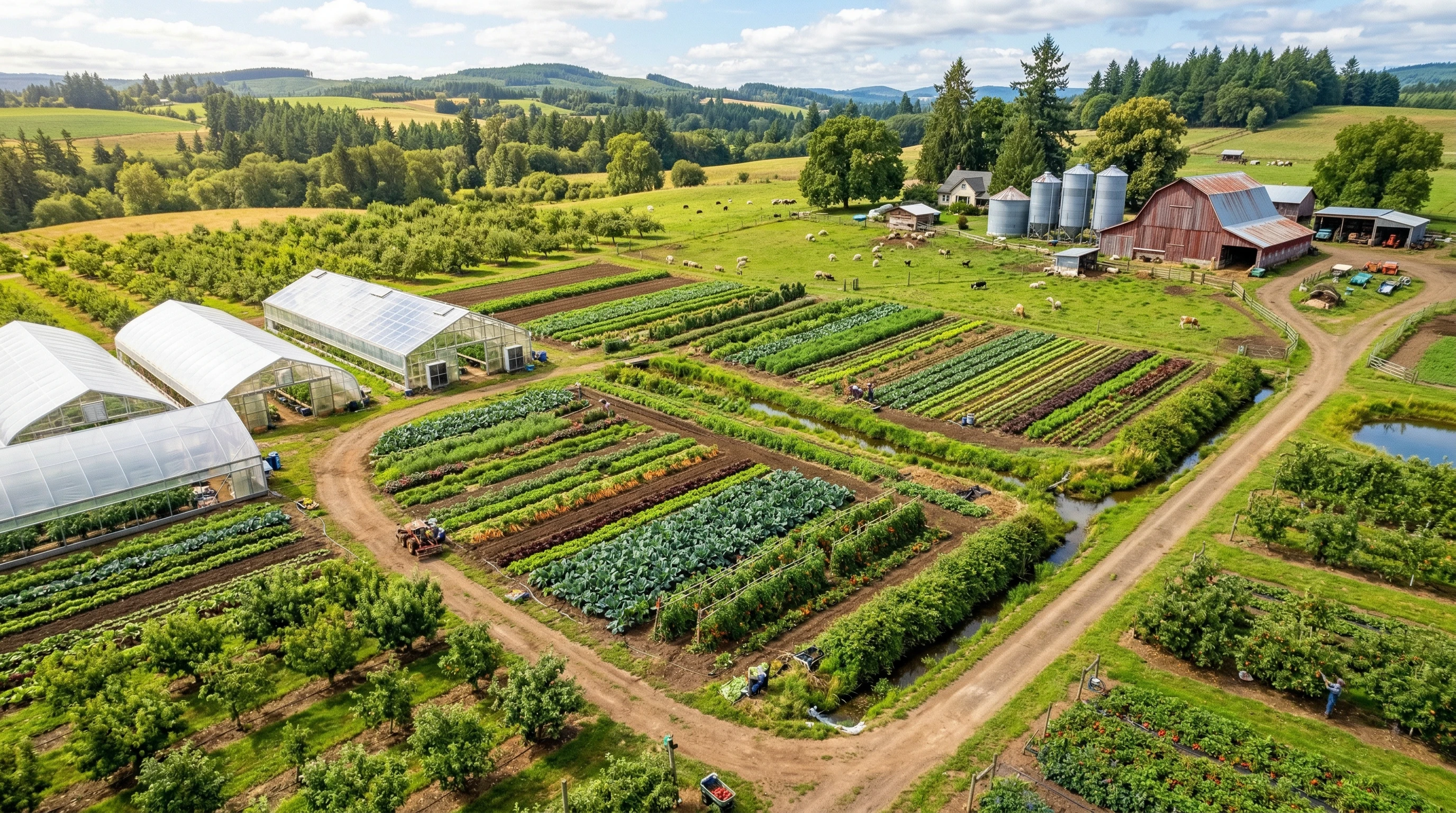
Even before anything is planted, organic farmers are busy prepping the fields. They run soil tests, choose plant varieties that do well in their area, and plan out crop rotation to keep the land healthy. Instead of dumping on chemical fertilizers, they’ll use compost or plant cover crops like clover to naturally boost nutrients. When pests break out, the fight is about balance: introducing beneficial insects, growing companion plants, or setting up barriers instead of reaching for pesticides.
For animal products, organic animals spend a good chunk of time outside. Cows and sheep graze, chickens roam around barns or pasture, and bedding, feed, and water all need to meet organic standards. Organic certification is checked once a year, and every farm keeps a detailed log tracking what goes in or out, including feed, medicine, and even cleaning supplies. That sense of record keeping is essential for maintaining the organic status and gives farms a path toward continuous improvement.
Harvesting and Handling: Getting Ready for Market
When it’s harvest time, organic farmers have to be pretty careful. Since none of the crops can mix with nonorganic products, harvested food is stored in clearly marked bins and even washing tools must be checked for chemical residues. This bit is super important because any slip up here could mean losing that certified organic status for a whole lot of produce.
Many farms are certified by organizations like the California Certified Organic Farmers (CCOF) or Organic Trade Association to ensure the organic chain stays protected from farm to packaging. These third party certifications give shoppers extra peace of mind, as auditors check every link in the chain each year.
Packing and Shipping: Keeping Things Separate
This is the stage where things can get tricky if you’re not paying attention. Organic products are packed in facilities that either handle only organics or keep things super separate from conventional foods. Equipment is cleaned, bins are labeled, and even transport trucks can have special cleaning protocols before being loaded with produce. Temperature controls are also key, as organic berries, greens, or dairy products can spoil quickly if not stored correctly, especially in the warmer months.
All those rules might sound a bit overboard, but they’re actually what helps set organic products apart. Trucks and warehouses keep records that document every stop a tomato or bag of beans has made, making it easy to trace back in case of a recall or mix up. That traceability is one of the reasons the organic label still carries real value today.
The Retail Journey: From Wholesaler to Store Shelf
Before anything ends up in my shopping cart, there’s usually one more round of checks. Wholesalers and stores have to keep organics physically separate and labeled through every part of their system, from receiving docks to back storage. Organic foods are hardly ever right next to regular foods in bulk bins, for example. Staff also handle them with separate utensils, gloves, or containers. Even in big supermarkets, you can usually spot organic goods by location and signage, making it easier to stay confident in your choices as a shopper.
Online retailers dealing in organic groceries need to have the same clean chain. Delivery companies handling only organics or having strict sorting systems manage the last leg of the journey all the way to my doorstep. Subscription boxes, like those for organic produce or specialty snacks, also keep up this strict separation so you know what you’re getting meets expectations.
Why The Journey Matters
I’ve noticed that people sometimes pay more for organic because they want to avoid pesticides, support animal welfare, or look after the environment. The farm to table adventure for organics takes a lot of extra effort because mixing conventional and organic, even by accident, would break the trust that buyers have in that little organic sticker.
Transparency and traceability play a big part here. Every certified product comes with a batch or lot number so stores and buyers can see exactly where things came from. This builds trust that the food isn’t just labeled “organic” to sound fancy, but actually follows the rules all the way back to the farm.
Common Challenges and How Farms Handle Them
- Weather and Pests: Without fast acting pesticides, organic farmers sometimes face tough losses to bugs or weather. Tools like netting, rotating crops, or growing resistant varieties help ease some of these risks.
- Cost and Yield: Organic farms often produce lower yields per acre than conventional farms, especially at first. The higher price tag on organic helps offset these costs, paying farmers for the extra work (and paperwork) they put in.
- Certification Hurdles: Getting and keeping an organic certification isn’t a one time thing. The inspection process is yearly and comes with tracking requirements, field checks, and fees. It’s a real commitment.
Weather and Pests
Storms, drought, and big pest outbreaks can hit organic farmers hard because they don’t have as many rescue options. Prepping fields with healthy soil, planting backup crops, and timing plantings to match local weather patterns helps cut down on these risks. Farmers rely a lot on observation and experience rather than chemical quick fixes to get through tough seasons, and that sometimes means a smaller harvest but healthier soil for the next year.
Cost and Yield
Organic farming isn’t always about making more food from the same acreage. Since it leans more on hand labor and careful planning instead of chemicals, the number of crops or livestock managed per field or barn is often lower. That’s part of why organic food might cost more at the store. Consumers paying a premium know that extra labor and investment in the land goes right back into more eco friendly, sustainable practices overall.
Certification Hurdles
The certification process includes a mountain of paperwork and careful logs, but it’s what protects the value of the word “organic.” Abdicating standards means products could lose their place in the market quickly. This is also why some small farms that use organic methods but skip certification might call their products “grown with organic practices.” For some, the paperwork is overwhelming, though they may be passionate about similar values in their farming.
Tips If You’re Shopping for Organic
- Read Labels: Not every “natural” or “ecofriendly” label equals organic. The USDA Organic logo means it hits all certified standards.
- Know Local Sources: Farmers markets and food cooperatives are pretty good places to find fresh, local organic foods. Sometimes you can even chat with farmers about how they grow and what certifications they hold. Getting to know the people who grow your food opens up a direct line for asking about everything from farming methods to seasonal skips in the crop rotation.
- Consider Your Priorities: Some people focus on buying organic for produce most likely to carry pesticide residue (like the EWG’s Dirty Dozen list), while others look for organic dairy or meat because of animal welfare factors. Budget and preference matter here. Buying organic can be as much about values and what matters to you as a shopper as it is about the specific products you pick up from week to week.
Frequently Asked Questions
Question: How do I know if organic food is really organic?
Answer: Look for the USDA organic label, or check your country’s local organic certifier. Store staff at reputable markets usually know about their suppliers and can answer questions about certifications.
Question: Is eating organic really better for the environment?
Answer: Organic farming does a lot to improve soil health, water quality, and biodiversity by banning most synthetic chemicals and encouraging ecofriendly methods. Every farm’s practices are a little different, but the overall trend is toward supporting a healthier environment. Indigenous traditions and community based knowledge also sometimes play a role, adding layers of care for the land that aren’t always talked about in big box stores.
Question: Are organic foods safer or healthier?
Answer: Research is still mixed, but organic foods consistently have lower pesticide residues. Some people also choose organic for taste, animal welfare, or to support sustainable farming even if the vitamin and mineral content isn’t much different from conventional. There’s also a sense of community around farmers markets and organic CSAs that is hard to measure but means a lot to supporters of local food networks.
Bringing Organic From Farm to Table
Organic food’s adventure is a careful process that includes strict standards, annual checks, and a lot of transparent handling. For me, understanding how organic products go from farm to table helps explain the higher price tag and reminds me that every organic tomato or apple represents a long road, real work, and a choice for a different style of agriculture. Whether I’m picking out organic for health, taste, or the environment, seeing the big picture makes those choices feel way more meaningful. Next time you see that organic label, you’ll know the entire adventure behind it—and why that extra effort matters for everyone involved.