
Gratitude is something I try to work on every day. It’s surprising how quickly a simple thank you or mindful reflection can lift my mood and help me slow down. If you’re looking for ways to bring more positivity into your life, getting into the habit of practicing gratitude is a really helpful step. Sticking with a daily practice doesn’t take much time, but the payoffs can feel huge, like less stress and more joy. If that sounds good to you, here’s a full guide on how to work gratitude into your day, even if life feels busy or overwhelming.
Why Make Gratitude a Daily Habit?
Practicing gratitude goes beyond just saying thanks. It’s about noticing the good things happening around you, big and small, and letting yourself feel joy or appreciation. Making it a regular part of your routine can boost overall happiness and add some calm to busy days. Studies have linked gratitude with better mental health, less anxiety, and even improved sleep. It can help you become more resilient when everyday troubles pop up, and, honestly, life just starts to feel a little lighter.
People from all professions and backgrounds have shared stories about gratitude helping them appreciate the everyday joys they might otherwise overlook. I’ve found that writing down just one or two things I’m grateful for, like my morning coffee or a friendly smile, can set a good tone for my day. It’s not about ignoring tough times but letting yourself see the bright spots, too.
Easy Ways to Practice Gratitude Every Day
Integrating gratitude into daily routines doesn’t have to feel forced or complicated. Here are some practical ways to make it work, no matter your lifestyle:
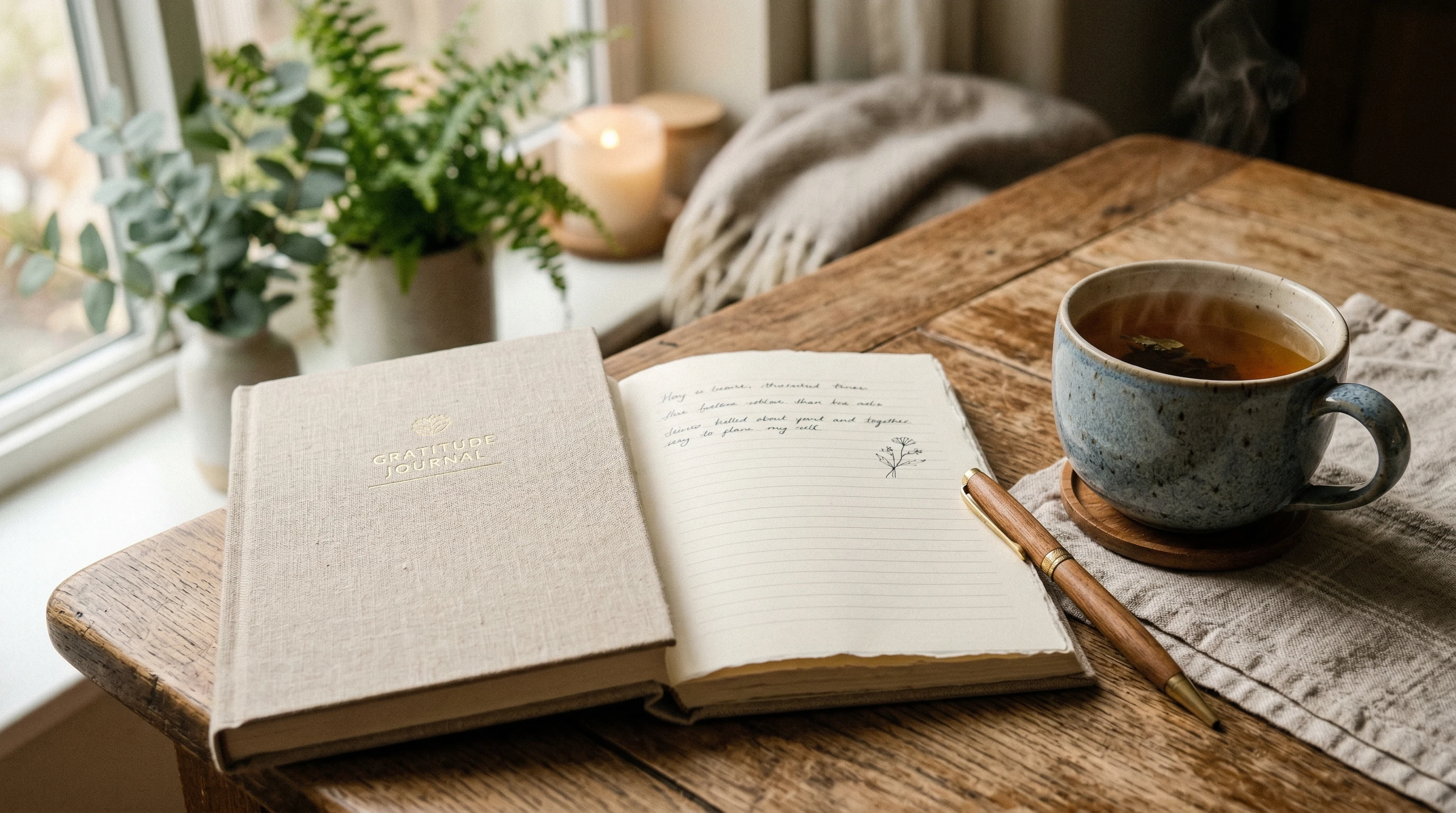
- Keep a gratitude journal: Jot down three things you’re grateful for each morning or evening. It could be a favorite song, a moment of quiet, or even catching the bus on time. Writing it down helps the feeling stick.
- Savor small moments: Pause when something makes you smile, even if it’s just a warm meal or sunlight through the window. Let yourself enjoy it for a couple of extra seconds.
- Express thanks out loud: Thank coworkers, friends, or family, even for little things. A quick “I appreciate you” can make their day, and yours.
- Use visual cues: Place sticky notes or reminders on your computer, fridge, or mirror. These nudges help you check in with your gratitude habit throughout the day.
- Pair gratitude with another habit: Think of something you’re grateful for each time you wash your hands, make your bed, or pour a glass of water.
Step-by-Step Guide: Building a Gratitude Routine
Getting started with gratitude is pretty straightforward. If you want to make this a real part of your life, consistency helps. Here’s my go-to flow that makes it easy to stick with:
- Choose your method: Decide if you want to write, speak, or reflect quietly. Journals work well for some people, while others like sharing gratitude at the dinner table or in a voice memo.
- Pick a regular time: Attach your gratitude moment to a daily habit, like brushing your teeth or brewing coffee. This helps make it automatic.
- Start small: Just list one or two things you’re grateful for at first. Over time, you’ll notice more positive moments without even trying.
- Stick with it: Set reminders or ask a friend to share the practice with you for accountability. Missing a day is totally fine. Just get back to it when you can.
- Reflect on the impact: Check in with yourself after a couple of weeks. Do you feel lighter or less stressed? Tracking your mood can help you see the benefits.
After about a month of regular practice, the upsides start to become more obvious. You might catch yourself focusing less on frustrations and more on moments you enjoy, kind of like training your brain to see the good without much effort.
Things That Might Get in the Way (And What to Do About Them)
Building any new habit comes with a few bumps. When it comes to gratitude, here are some common obstacles and ways to roll with them:
- Forgetting to practice: Daily routines change, and it’s natural to skip a day here or there. Gentle reminders go a long way, whether it’s a phone alert or a note on your bedside table.
- Struggling to find things to feel grateful for: On tough days, even tiny things count. A favorite snack, reliable WiFi, or your pet’s funny face really does “qualify.”
- Feeling like it’s forced or insincere: You don’t need to pretend everything is great. Some days, gratitude is just recognizing that you got through a stressful moment, or that the rain sounds nice on the window.
- Losing interest over time: Mix up your approach. Try drawing what you’re grateful for, texting a friend, or snapping a photo of what made you smile.
Forgetting to Practice
Missing days is totally normal. Setting a tiny, regular trigger, like pausing at lunch or bedtime, makes all the difference. I use a note on my nightstand to prompt me, but calendar reminders or habittracker apps also help.
Struggling to Find Things to Feel Grateful For
It’s easier some days than others. When I have a tough day, noticing really basic comforts, like a nice cup of tea or a warm shower, still gives me a small mood boost and keeps the habit going.
Feeling Like It’s Forced
Some days, it feels fake to practice gratitude. That’s okay. On those days, I focus on simple, honest things or just recognize being grateful for the chance to start fresh tomorrow.
Losing Interest Over Time
If gratitude journaling starts to get stale, shaking up your routine can bring back your enthusiasm. Sometimes I’ll just text a friend what I appreciated today. Other times, I’ll notice things I’m grateful for while out on a walk, and that helps it feel fresh.
Giving yourself permission to keep things flexible usually helps break through tough spots and makes it easier to keep gratitude as a regular part of your life.
Advanced Gratitude Tips: Taking Things Up a Notch
If you’re comfortable with the basics and want to deepen your practice, these ideas can help you make gratitude a bigger part of your life:
Expand your focus: Pay attention to overlooked areas, like work achievements or skills you’ve developed. These don’t always feel eye-catching, but recognizing them helps grow self-worth.
Make it social: Share your gratitude with friends or coworkers. Creating a gratitude circle where you share highlights from your week often brings everyone closer and spreads good vibes.
Combine gratitude with mindfulness: Take a few deep breaths and focus on something positive in the present moment. This short pause helps anchor you in the here and now.
Show appreciation through actions, not just words: Small gestures, like holding the door, passing along a compliment, or helping someone out, turn gratitude into something others can feel, too.
Reflect on challenges with a grateful perspective: When something tough happens, look for lessons or personal growth, even if it takes a while. This isn’t about denying stress, but about recognizing your own strength or support system.
These tips help gratitude reach different parts of your life, not just the easy stuff but the tricky times too. Little by little, it can mix up how you see your day and the people around you.
Real Life Examples: Where Gratitude Makes a Difference
Lots of people practice gratitude in unique ways that match their routines. Here are a few scenarios that show its impact:
- Family dinners: Some families share one good thing about their day over a meal. These simple checkins can uncover moments you’d otherwise forget to celebrate together.
- Workplace shoutouts: Teams that highlight positive moments or thank coworkers start to notice a more upbeat work environment and better teamwork.
- Selfreflection after a tough day: Pausing to notice a kind word, finishing a tricky project, or having a pet nearby can balance stress and help you recharge faster.
Frequently Asked Questions
Here are a few things I get asked a lot about practicing gratitude daily:
Question: What if I feel like I don’t have anything to feel grateful for?
Answer: It’s totally normal to feel that way sometimes. Start really small, think about everyday comforts like a roof over your head, warm socks, or your favorite cereal. Even when life is challenging, these small sources of comfort can help switch up your mood.
Question: Do I have to write things down, or is thinking about gratitude enough?
Answer: Both work! Writing it down can help you remember, but reflecting quietly or saying it out loud works too. Pick what feels manageable and stick with whatever helps you stay consistent.
Question: Can gratitude practices help with stress and anxiety?
Answer: Many people find that regular gratitude practice helps them feel calmer and less overwhelmed. While it doesn’t magically fix every problem, it does encourage a more balanced perspective and can help you react to stress in a more relaxed way.
Bringing Gratitude Into Your Everyday Life
Practicing gratitude daily is all about noticing moments, big or small, that bring you a bit of joy or comfort. Whether you’re writing in a journal, sharing with others, or just pausing to notice the good stuff throughout your day, sticking with gratitude can switch up your perspective and help you feel a little more at ease with life’s ups and downs.
Try adding a gratitude moment to your routine this week. No pressure, just see how it feels and what you notice about your mood and mindset. A little gratitude goes a surprisingly long way.