
Fabric texture plays a huge role in your sleep quality and how your skin feels when you wake up. Over the years, I’ve spent plenty of nights testing out all kinds of sheets, pillowcases, and pajamas, and it’s clear that not all fabrics work the same way once bedtime rolls around. If you ever find yourself tossing and turning or waking up with irritated skin, the textile you’re using could be more important than you realize. This guide lays out what I’ve learned about fabric textures and how to pick the right ones for getting great sleep and keeping your skin healthy.
Understanding Fabric Texture: Why It Matters for Sleep and Skin
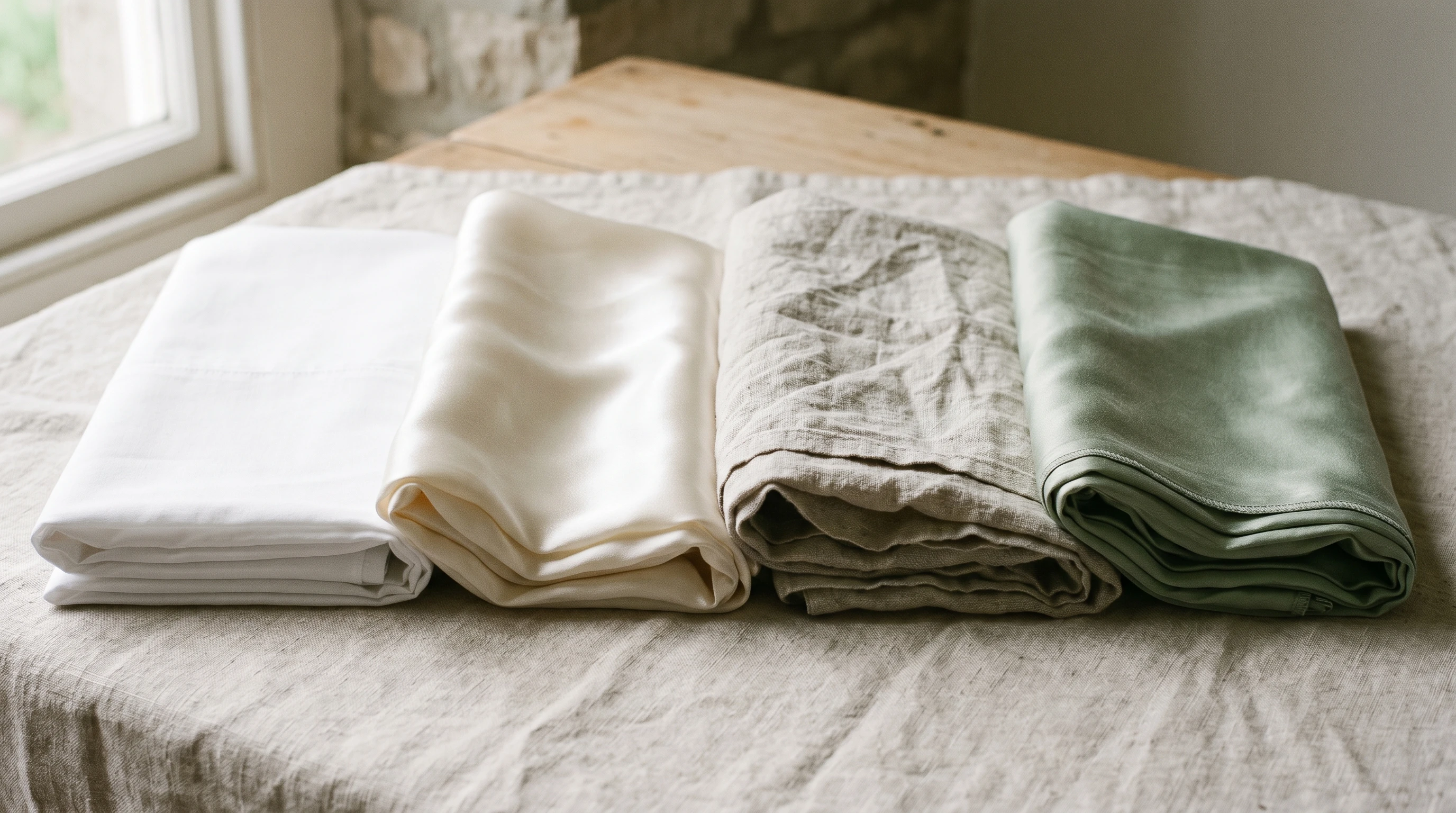
Fabric texture is all about how a textile feels on the surface and the way it’s constructed—it changes your whole experience in bed. Some are ultra smooth, like silk or sateen, while others, such as linen or flannel, bring more of a nubby or tactile sensation. The weave and finish play a huge part in how a fabric interacts with your skin. Factors like softness, breathability, and how fast it takes in or lets off moisture all start with texture.
What I’ve noticed trying different brands is that weave and finish sometimes matter as much as the fiber itself. For example, cotton percale feels crisp and cool, making it my go-to for summer. Meanwhile, jersey knit cotton is stretchy and soft—ideal for chilly nights. These slight differences can help you figure out what works best for your comfort and your environment.
Types of Common Fabric Textures and Their Sleep Effects
With so many choices out there, knowing where to start can feel overwhelming. Here’s a look at some popular fabric textures and how they stack up for real-life sleep:
- Cotton Percale: This fabric stands out for its matte feel and crispness. It suits people who tend to get hot at night or anyone who loves that “cool sheet” experience when they first get into bed. It’s fresh and simple.
- Cotton Sateen: Sateen is much smoother and silkier than percale. It feels more gentle on sensitive skin, though it can get a bit warm, so it’s usually better for those who get cold easily or for cooler months.
- Linen: Linen has a slightly rougher texture, but it only gets softer the more you use and wash it. Its breathability and moisture-wicking qualities make it great for sweaty sleepers or anyone in a humid climate.
- Silk: Known for being incredibly smooth with low friction, silk glides over your skin. It’s a popular pick for people dealing with breakouts or wrinkles. Plus, it’s hypoallergenic. Just keep in mind, silk needs more delicate care to stay in top shape.
- Flannel: Flannel sheets feel fuzzy and warm due to their brushed finish. They’re cozy in cold weather, but can make you feel overheated in the summer if you run warm.
- Bamboo/Viscose: Bamboo fabrics feel buttery soft, almost like silk, but hold up better in the wash. They tend to keep you cooler at night, with impressive breathability and moisture control.
I find it helpful to switch between different textures based on the time of year and how my skin is feeling. There’s no single best answer; knowing what each texture brings to the table makes choosing your sleep gear much less guesswork.
The Science Behind Fabric and Skin Health
Your skin is the biggest organ you’ve got, and it spends about a third of every day pressed against your bedding. The texture of those fabrics affects your skin’s health in several ways:
- Friction: Rougher or scratchy fabrics occasionally create micro-abrasions on your skin, especially for people with sensitivity or conditions such as eczema. On the other hand, smoother textures like silk and sateen reduce friction and help keep irritation and sleep wrinkles at bay.
- Moisture Wicking: Natural textures like linen and bamboo wick away moisture more efficiently than synthetic alternatives, helping reduce issues such as heat rashes or breakouts.
- Breathability: Loosely woven and porous textures (linen being a prime example) allow lots of airflow, keeping heat and humidity in check and reducing the chance of night sweats or clogged pores.
- Allergen Build-up: Plush or dense fabrics trap more dust mites and dander, making allergies worse. Hypoallergenic or tightly woven fabrics help you avoid waking up congested or sneezy in the morning.
I’ve found that rough or poorly made fabrics cause breakouts or itchiness for me, so I’m careful to check fabric quality and feel straight out of the package. Pre-washing your sheets softens many fabrics and sticking to natural fibers generally keeps my skin calmer.
How To Choose the Best Fabric Texture For Your Needs
Picking sleepwear and bedding is more than picking a color scheme or focusing on thread count. Here are tips for finding the texture that best matches your needs:
- Know Your Skin: Sensitive skin types should stick to smoother textures like sateen, bamboo, or silk. Even jersey cotton is gentle enough for most.
- Match to Your Sleep Climate: Hot at night? Go for fabrics like percale, linen, or bamboo that let your skin breathe. Feel chilly while sleeping? Try sateen or flannel for extra warmth.
- Factor in Care: Silk feels awesome but is tricky to keep looking good—it may need hand washing or special detergents. For hands-off care, look for fabrics that do well in the washing machine.
- Mix and Match: Try combining textures. For instance, a bamboo pillowcase can work wonders for your face even if the rest of your bedding is another fabric.
It’s smart to check reviews and touch samples in stores when you can. Certifications like OEKO-TEX mean the textile is free of harsh chemicals, great news for anyone with delicate skin!
Common Problems Related to Fabric Choice (and How To Avoid Them)
- Pilling: Those annoying fabric balls form more on certain fabrics or lower-quality items. Go for tight weaves and remember to use gentle wash cycles. Pre-washing sometimes helps smooth things out early on.
- Static Cling: Synthetic fabrics are magnets for static, making bedding cling to you or attract pet hair. Choosing smooth, natural fibers cuts those issues.
- Heat Trapping: Dense or fluffy fabrics like flannel hold body heat in. If you often overheat, switch to airier textures.
- Wrinkling: Crisp or lightweight textures like percale and linen wrinkle quickly. If wrinkled sheets bother you, try sateen, bamboo, or blends that hold their shape better even after washing.
Getting good sleep sometimes just means trying a different texture or breaking in your bedding with a few washes. Cheap, coarse fabrics may save money up front, but can lead to long-term discomfort or aggravate skin flare-ups.
Tips to Get the Most Comfort and Skin Benefits from Your Bedding
I’ve honed my bedding routine through lots of experimenting. Here are easy ways to boost comfort and protect your skin:
- Always wash sheets and pillowcases before using them to remove irritants and soften the fabric.
- Switch up textures with the seasons; crisp for summer, warmer for winter.
- If you have skin troubles, try swapping just the pillowcase to silk or bamboo for healthier skin by morning.
- Go to bed with clean skin to limit sweat and oil build-up on your bedding.
- Check care labels, because lower maintenance fabrics hold up longer and stay soft.
Doing all this together means your bedding stays comfier and your skin stays happier. Even tiny changes in texture can make a noticeable difference for both.
Frequently Asked Questions
Question: Is higher thread count always better for sleep comfort?
Answer: Not at all. Thread count is just one part of what makes bedding comfy; the fabric’s weave and quality matter more. For instance, a 300-thread-count percale can feel airier and cooler than a higher count sateen if you tend to overheat.
Question: What kind of fabric is best for acne-prone skin?
Answer: Fabrics with a smooth, low-friction surface such as silk or bamboo viscose help keep pores clear and limit irritation. A bamboo pillowcase is an easy upgrade that really pays off.
Question: How can I tell if bedding will irritate my skin?
Answer: Check for roughness, fuzz, or a scratchy feel right after washing. Look for certifications and consider testing a small piece before committing if your skin is extra sensitive.
Wrapping Up
The fabric texture touching your skin every night isn’t just about looking good or feeling fancy—it seriously affects your comfort and skin health. By paying attention to material, weave, and how everything feels, bedtime can go from a chore to something you can’t wait for. Over time, testing out different textures helps you get real rest and wake up with your skin in top shape. Don’t hesitate to experiment; you might be surprised at what a good sheet or pillowcase can do for your sleep and skin.