Kettlebell weight training is a pretty solid way to get stronger, leaner, and build up your fitness without needing a fancy gym setup. I’ve found it’s perfect for beginners because kettlebells are simple, versatile, and don’t require a ton of space. If you’re just starting out, you might be wondering how to pick up this new workout style safely. I put together straightforward advice and personal tips to help you kick things off on the right track, so you can enjoy the benefits without any worries.
Why Kettlebell Weight Training Is Worth Your Attention
Kettlebells have taken over the fitness world in recent years, and for good reason. They look like a cannonball with a handle, but don’t let the simple design fool you. Kettlebells offer a unique kind of training that works your muscles and your heart at the same time. I’ve noticed more gyms adding kettlebell classes because people want functional strength, better balance, and workouts that actually help out in real life, not just in a gym mirror.
Kettlebell training started out way back in Russia, with strongmen using them to show off their power and endurance. Today, you’ll see everyone from athletes to desk workers swinging these weights to fight off back pain, increase their stamina, and even boost weight loss. Because the handle sits away from the weight’s center, your body has to work extra hard to stabilize it, which helps you get strong all over, not just in one muscle group. Kettlebells are also super portable, so you can use them at home, in a park, or just about anywhere you have some floor space.
One big reason for the popularity of kettlebell weight training is how it combines cardio and strength in a way few other tools can. Instead of long sessions on a treadmill followed by lifting weights, you get all-in-one benefits in a shorter amount of time. It fits busy schedules and keeps things interesting, especially when compared to repetitive gym routines.
The Basics: Choosing Your First Kettlebell
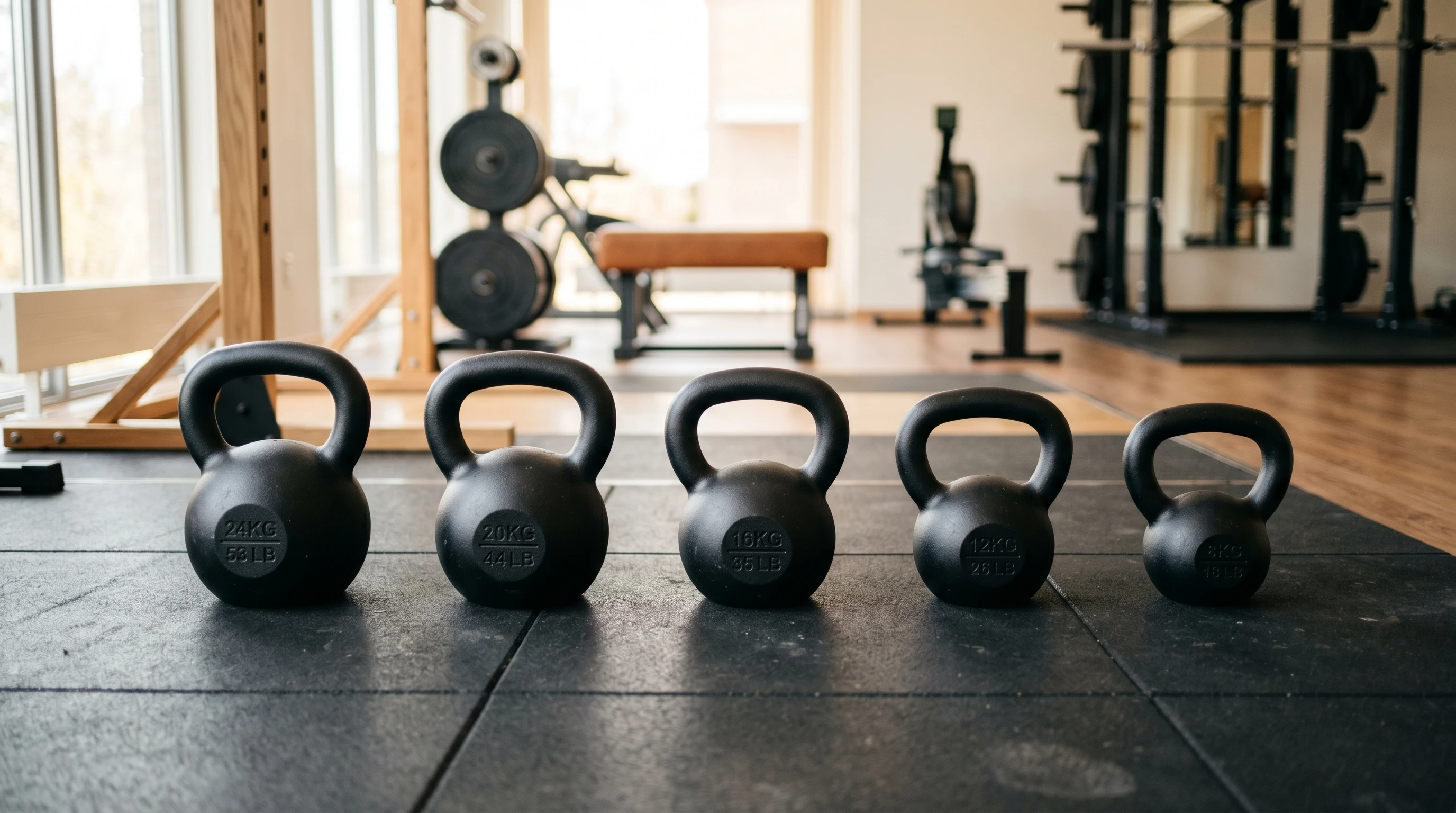
The kettlebell aisle can honestly be a little overwhelming for beginners. There are different shapes, coatings, and lots of claims on what works best. The first question I get asked: “What weight should I start with?” Most beginners do well with something around 12 kg (about 25 lbs) for men and 8 kg (about 18 lbs) for women. If you’re totally new to fitness, it’s smart to start even lighter. The aim here is to nail your form before you go heavier.
Look for a kettlebell with a smooth handle; rough seams can tear up your hands quickly. I like powdercoated or cast iron bells best. Vinyl or plastic-covered kettlebells often have handles that are too thick or slick for a safe grip, so I skip those. The bottom should be flat so the kettlebell won’t wobble when you set it down. If you’re buying online, checking the product reviews can help you dodge flimsy or uncomfortable options.
- Handle size: You should be able to grip it easily with both hands.
- Coating: Powdercoating gives a grippy feel, which is pretty handy for sweaty workouts.
- Shape: Classic round bells are easier to learn with than odd shaped competition bells.
Safety First: Laying the Groundwork for Success
I can’t stress enough how important safety is with kettlebells. These weights move fast and can put some real stress on your lower back and shoulders if you rush. The best route for beginners is to start slow, learn proper form, and focus on control rather than how much you can lift.
- Warm up: Before you even pick up the bell, take five to ten minutes to get your body moving. Simple moves like arm circles, lunges, and a bit of jogging in place get your muscles warm and prep your joints for action.
- Clear your space: Make sure nothing is around that you could whack with a kettlebell. You don’t want to send one flying through a TV or a window.
- Watch your feet: Training in sneakers with a flat, sturdy sole gives you stability. Skip the thicksoled running shoes; they can throw off your balance and make it easier to roll your ankle.
- Respect the weight: It’s easy to get overconfident swinging kettlebells, but slow, smooth movements protect your lower back, wrists, and knees.
Staying safe also means listening to your body. If you ever feel sharp pain or something just doesn’t feel right, stop immediately and check in with a pro if needed. Consistency is way more important for your adventure than going too hard and getting hurt early on.
Learning the Key Moves
The big draw with kettlebells is how much you can get done with just a handful of moves. These are the classics every beginner should start with. Spending time mastering each one set me up to add fancier stuff later on.
- Deadlift: This move teaches you how to hinge at your hips and pick up weight safely. It’s the basis for every kettlebell skill, from swings to cleans.
- Goblet squat: Holding the kettlebell against your chest, you squat down nice and low, working your legs, core, and upper body all at once.
- Kettlebell swing: Probably the move you’ll see the most. This explosive hip drive exercise fires up your glutes and hamstrings and gets your heart rate going.
- Overhead press: Press the kettlebell from your shoulder straight up to work your shoulders, arms, and upper back.
Learning these key moves with patience makes all the difference. Watching yourself in a mirror, filming your technique, or asking for feedback can help you fix small mistakes and step up your skills.
A Step-By-Step Beginner Kettlebell Routine
Here’s how I usually recommend kicking off a full body kettlebell routine. The focus at first is perfecting form and building total body strength, not burning yourself out or risking injury.
- Deadlift: 8 to 10 reps
- Goblet squat: 8 to 10 reps
- Overhead press: 6 to 8 reps per arm
- Russian swing: 10 to 15 reps
Do two or three rounds, resting as needed. Go slow, think about each movement, and don’t worry about speed yet. As you get stronger, add reps or a little more weight, but always prioritize smooth, controlled movement. If you want a little extra for your core, you can add suitcase carries or planks between rounds.
Common Beginner Mistakes (And How to Avoid Them)
Kettlebell training feels fun and fresh when you start, until you realize your back is sore or your wrists are aching. A lot of beginners (I was totally guilty of this at first) make small mistakes that add up. Here are a few to watch out for:
- Using your arms, not your hips, during swings: Kettlebell swings power from the hips. If you’re lifting with your arms or swinging too high, back off and really nail that hip hinge.
- Going too heavy too soon: Jumping to a big weight before perfecting your form does more harm than good. Patience here really pays off.
- Neglecting your grip: Over gripping makes hands tired and wrists sore. Your grip should be firm but not white knuckle tight.
- Skipping the warmup: I always make time to warm up. Cold muscles and quick movements don’t mix.
Tweaks That Help Progress Happen
I’ve seen the best results by mixing things up once the basics feel easy. Swapping in single arm moves, adding more rounds, or combining kettlebell training with bodyweight exercises all keep things interesting. If you get stuck or bored, changing up your routine a little is usually all it takes to stay motivated.
Another way to keep progressing is by setting small goals, like mastering Turkish getups or hitting a higher rep count. Celebrating small wins helps make the training adventure enjoyable and gives you reason to stick with it long term.
Practical Tips for Sticking with Kettlebell Training
It’s tempting to go all in after your first week, but growth takes time. Tracking your workouts in a notebook or app helps you spot progress, even when it’s slow. Having a training buddy or taking an occasional class can also keep you on track. And if you’re not sure about your technique, there are tons of free form checks and tutorials online, including helpful ones on StrongFirst or ACE Fitness.
Dealing with sore muscles is part of getting stronger. Light stretching, foam rolling, and rest days help a ton. If you’re feeling very sore or something hurts in a bad way (sharp or stabbing pain), definitely give yourself an extra rest or get some pro advice before jumping back in. Staying hydrated and getting enough sleep can also help your recovery big time, so don’t ignore those basics.
Frequently Asked Questions
How often should beginners do kettlebell training?
Most people see good results with two to three sessions per week when starting out. This gives your muscles time to recover while still building strength and skill.
Do I need more than one kettlebell?
Starting with a single bell is totally fine for most beginners. Once you get more advanced, you might want to add a second for doublehanded work or supersets.
Should I take a class or work with a trainer first?
While you can absolutely learn basics from good videos, a session or two with a certified trainer is really helpful for perfecting technique and building confidence at the start. If you’re unsure, checking in with a fitness professional can keep bad habits from sneaking in.
Gear That Makes Kettlebell Training Smoother
You don’t need much besides a kettlebell and a bit of open space. A quality exercise mat keeps your floor safe and gives a good surface for floor moves. Chalk or sweat absorbing towels help with slippery hands. If you want to go deeper, a mirror for checking form or a basic heart rate tracker offers more feedback on performance. A small speaker with your favorite playlist can also turn your workout space into a motivating zone.
- Mat: Cushions your knees and back for floor work.
- Chalk/towel: Keeps handles dry for a solid grip.
- Mirror: Lets you spotcheck form without needing a partner.
- Water bottle: Hydration sneaks up on you faster than you think.
Final Thoughts
Kettlebell weight training is straightforward, effective, and easy to tailor as you get stronger. By starting with the basics, focusing on safety, and building your skills, you’re setting yourself up for a training approach that fits any schedule or fitness level. Enjoy the progress, and remember, those first small wins lead to bigger gains as you continue on your adventure!