Nitric oxide supplements have picked up a lot of hype in the workout and wellness world. You’ll hear everything from gym buddies who swear by them for epic pump, to health gurus claiming they’re good for your heart. But with so many opinions swirling around, figuring out which benefits are real, what the risks are, and what the science actually says can get a little confusing. I’m tackling those questions head-on here, sharing what you need to know if you’re thinking about adding a nitric oxide booster to your routine.
What Are Nitric Oxide Supplements?
Nitric oxide (NO) is a gas molecule your body makes naturally. It works as a signaling molecule, helping blood vessels relax and widen, which means more oxygen and nutrients get to your muscles and organs. Supplement makers claim their products can help you make more nitric oxide, either by providing raw materials or by encouraging your body to ramp up production.
Most of these supplements aren’t actually pure nitric oxide (you really don’t want to breathe that in). Instead, you’ll usually see ingredients like:
- L-arginine: An amino acid used by your body to create nitric oxide
- L-citrulline: Another amino acid that converts to L-arginine in your kidneys
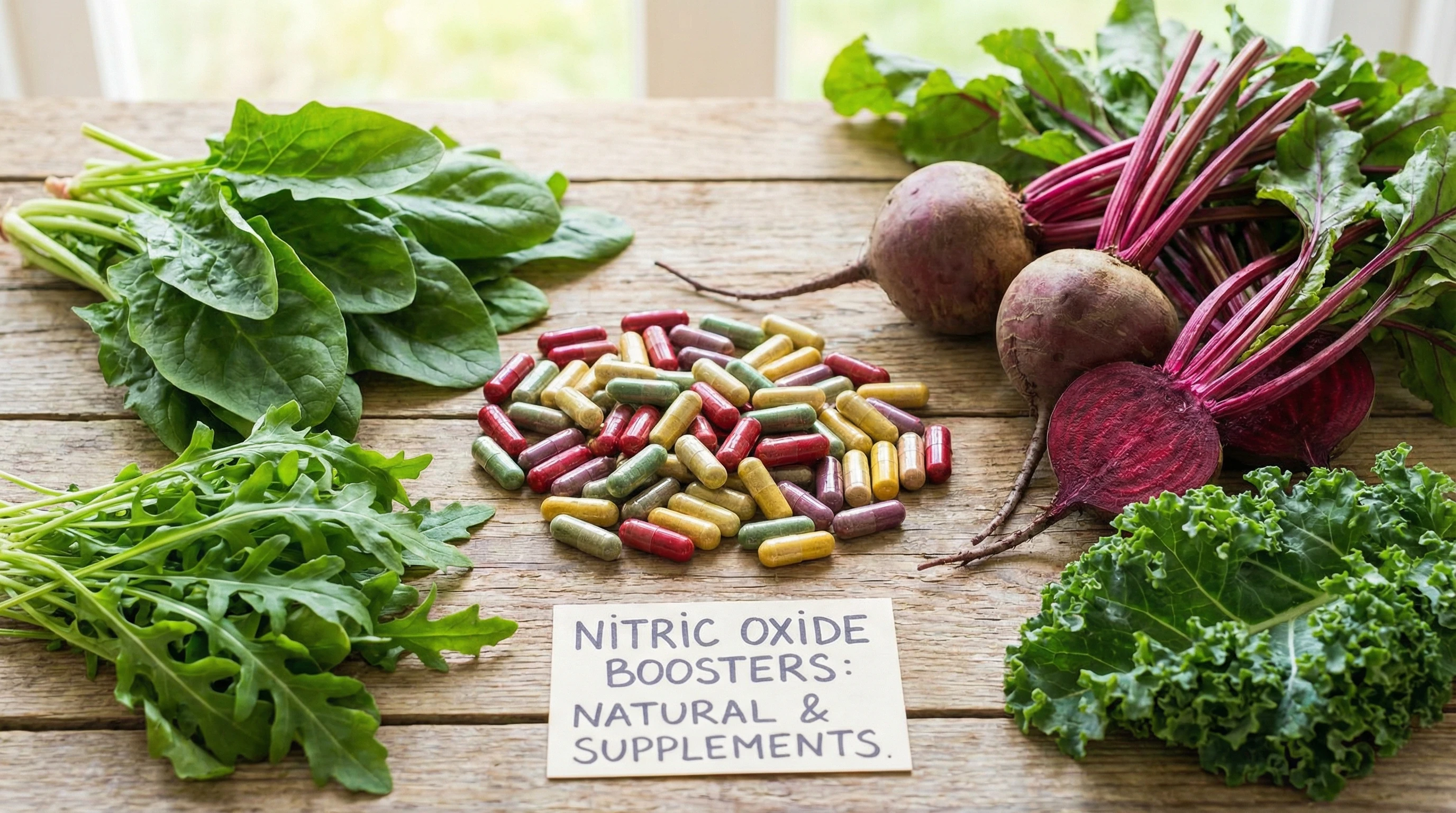
- Beetroot extract or juice powder: Rich in dietary nitrates, which are turned into nitric oxide
You’ll find these ingredients in powders, capsules, and even premixed workout drinks. They’re popular among athletes, older adults, and people interested in heart health.
Main Benefits of Nitric Oxide Supplements
The idea behind using these supplements is to boost nitric oxide levels in your body for improved blood flow. This can lead to some practical benefits, which I’ll break down here, along with what science says about each one.
Improved Exercise Performance
One of the biggest reasons people take nitric oxide boosters is for a better workout. With better blood flow, muscles get more oxygen, letting you power through tough sets or longer cardio sessions. The research is a bit mixed, but here’s what’s generally found:
- Supplements with L-citrulline or beetroot (nitrate rich) seem to give a boost for high intensity and endurance exercises, such as cycling, running, or weightlifting.
- L-arginine‘s results are not as impressive, as the body doesn’t absorb it as well as L-citrulline.
In my experience, and from talking to regular gym goers, some people really notice a solid pump or less fatigue with these supplements. If you’re active and want to see if you can push your limits, they could be worth a shot.
Support for Healthy Blood Pressure
Healthy blood pressure is super important for long-term heart health. Since nitric oxide relaxes your blood vessels, there’s been a lot of interest in these supplements for people who want to manage their numbers naturally:
- Beetroot and nitrate rich supplements seem especially promising, with studies reporting small but real reductions in blood pressure for some users.
- Results with L-arginine and L-citrulline are more mixed, but some people (especially those with mild high blood pressure) have seen minor improvements.
If you’re already on medication or have known health issues, checking with your doctor is really important before trying these. Yet, the research looks encouraging for some users.
Enhanced Recovery and Reduced Muscle Soreness
Another perk athletes and weekend warriors hope for: less soreness after a tough session. Boosting nitric oxide can improve recovery speed by helping clear waste from muscles and delivering recovery nutrients more efficiently. There’s evidence that L-citrulline, in particular, might help cut down that next-day stiffness. It’s not a miracle cure, but a little added boost is always nice after a brutal leg day.
Brain Health and Cognitive Benefits
While not as well studied, there’s a growing interest in how these supplements could support brain health. The logic is simple: better blood flow means more oxygen and nutrients reach your brain. Some studies on older adults hint at mild cognitive benefits from nitrate rich foods like beetroot, but this area is pretty new and still being explored.
Potential Risks and Side Effects
Even though nitric oxide boosters sound natural, they’re not completely risk free. Here are some things I think you should know before jumping in:
- Digestive issues: Ingredients like L-arginine and L-citrulline can sometimes lead to bloating, nausea, diarrhea, or stomach cramps, especially at higher doses.
- Blood pressure drops: If you already have low blood pressure, these supplements might make you feel lightheaded or dizzy, especially if you stand up quickly.
- Medication interactions: These supplements can interact with certain meds for blood pressure, erectile dysfunction, or heart disease. Always check with a healthcare provider before adding them to your stack.
- Not good for people with certain health conditions: Anyone with herpes simplex virus should steer clear, since L-arginine could trigger outbreaks. People with kidney or liver issues should also be very cautious.
Quality Control and Purity
Supplements aren’t as tightly regulated as medications. You can run into products that don’t match the label or contain unwanted fillers. Going with a brand that third party tests its products helps you get what’s on the label, and nothing weird or sketchy.
What Does Science Say? Evidence at a Glance
I dug into what researchers have been finding, and here’s a clear summary of where the science stands with nitric oxide supplements:
- L-citrulline: Supported by the most consistent evidence for improving workout performance (especially endurance), with positive impacts on muscle fatigue and blood flow.
- Beetroot/nitrates: Strongest research for reducing blood pressure and possibly helping with stamina in aerobic sports like running and cycling.
- L-arginine: Research shows it does work, but the effects might not be as strong because it gets broken down before your body can fully use it.
Some studies don’t show huge differences, especially if the user is young, healthy, or already active. Your individual results might vary depending on your genes, health, and training style.
Tips for Getting the Most Out of Nitric Oxide Supplements
If you want to try these, here are some practical tips from my experience and what research suggests:
- Choose the right form: L-citrulline malate or beetroot powder are the options with the most userfriendly results and science backing them up.
- Watch your timing: A lot of people take these about 30 to 60 minutes before exercising for best effect.
- Start with a lower dose: This helps you gauge your reaction and avoid stomach issues.
- Pair with a balanced diet: Eating leafy greens, beets, and other nitrate rich foods can also give you a nitric oxide bump without needing a supplement every day.
- Pay attention to other ingredients: Some formulas add caffeine or artificial colors you may not want.
Along with these tips, it’s smart to keep a fitness journal. Track your performance, energy levels, and even how you feel after workouts with or without supplements. This will help you decide if nitric oxide boosters really make a difference for you individually. Also, variety counts: including other blood flow friendly foods, like pomegranates and garlic, can support your routine in a natural way.
Who Should (and Shouldn’t) Use Nitric Oxide Supplements?
- Athletes, especially those doing intense training or endurance sports, may notice a performance edge, particularly from beetroot and L-citrulline.
- People with mild blood pressure concerns could see small improvements, but only if a healthcare provider gives the go-ahead.
- Those looking for a brain boost: Early research is promising, but don’t expect a night and day difference just yet.
I wouldn’t recommend them for kids under 18, pregnant or breastfeeding women, or anyone with a history of heart, liver, or kidney issues unless their doctor specifically clears it.
Frequently Asked Questions About Nitric Oxide Supplements
Question: Are nitric oxide supplements natural?
Answer: Many are made from naturally occurring amino acids or plant extracts (like beets), but the way they’re processed and the dose you get is much higher than what you’d get from food.
Question: Can I get nitric oxide benefits just from food?
Answer: Leafy greens, beets, garlic, and citrus fruits all promote nitric oxide in your body. You might see benefits by adding more of these foods to your meals. Supplements are just a more concentrated and convenient option.
Question: How quickly can I notice results?
Answer: Some people feel more energy and improved workout stamina almost right away, while blood pressure changes might take a few weeks. Everybody is a bit different, so tracking your own progress is really helpful.
Question: Are there any long-term risks?
Answer: Long-term supplement use hasn’t been studied very much. Responsible dosing and taking breaks now and then are good ideas. Always check with your healthcare provider if you plan to use them for a long period.
The Big Picture: Should You Try Nitric Oxide Supplements?
Nitric oxide supplements can be a handy tool for people looking to get a little more from their workouts, support healthy blood pressure, or recover faster. The benefits are pretty real for certain groups, especially active adults. Risks are generally low for healthy people, but keeping an eye on dosage and possible side effects is really important. Combining these supplements with a diet full of fresh veggies, staying active, and following medical advice is the best way to get real, lasting results.