
Building healthy sleep habits can make a big difference in how you feel each day. Sleep hygiene basically boils down to the behaviors, environment, and routines that lead to better, more restful sleep. Anyone can benefit from a few basic changes, whether you’re dealing with occasional restless nights or want to start waking up a little more refreshed. I want to walk through straightforward, practical sleep hygiene tips so you can enjoy all the perks that come with better rest.
Why Prioritizing Sleep Hygiene Matters
Quality sleep plays a big part in pretty much every area of life, from mood to memory to immune function. A good night’s rest helps your brain and body recharge, manage stress better, and keep your energy steady during the day. Sleep hygiene is about creating a repeatable set of conditions, both habits and environment, that give your body the chance to fall asleep and stay asleep naturally.
The CDC reports that about one-third of American adults aren’t getting enough sleep, and data from The Sleep Foundation shows chronic sleep deprivation can lead to increased risk of diabetes, heart problems, and even depression. So building up those nightly habits is a smart move whether you’re struggling or just want to take your daily routine up a notch.
Sleep hygiene isn’t some complicated system. It’s a collection of small choices that can make falling asleep less of a challenge and help you get more restorative sleep overall.
Building Your Sleep Routine: Habits That Count
The most effective sleep routines are simple, consistent, and centered on winding down. I find that having a consistent set of steps before bed, like brushing teeth, reading, or dimming the lights, sends a signal to my brain and body that sleep is coming. Here are some things I’ve found really helpful:
- Stick to a schedule: Going to bed and waking up at the same time each day, even on weekends, helps regulate your internal clock so sleep comes easier.
- Create a winddown ritual: Relaxing activities like gentle stretching, reading, or meditation can set the mood for sleep. Skip screen time for at least half an hour before bed, since blue light from devices can throw off your body’s natural melatonin production.
- Pay attention to what you eat and drink: Heavy meals, caffeine, and alcohol (even a glass of wine) late in the day can disrupt deeper sleep cycles. One simple tweak: have your last cup of coffee before 2 p.m., and keep snacks before bed light and easy to digest.
- Get movement in: Regular daytime activity improves sleep quality, but save vigorous workouts for earlier in the day. Even a short evening walk can be a nice addition to your routine, as long as it doesn’t get your heart rate up too high right before bed.
Optimizing Your Sleep Environment
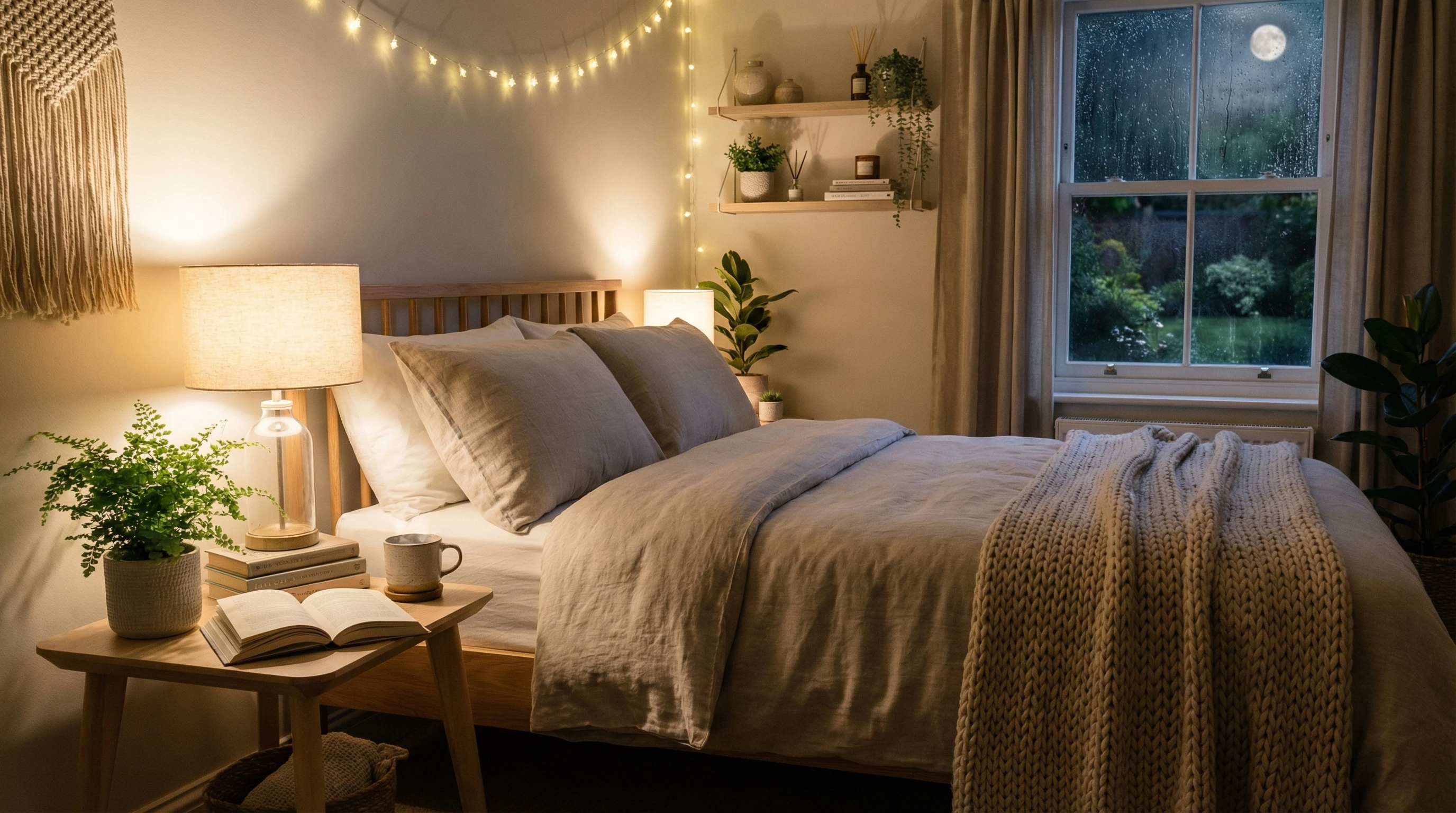
The place where you sleep matters just as much as bedtime habits. I’ve definitely noticed how much easier sleep comes in a quiet, dark, and cool room. Here are some practical ways to adjust your bedroom for better rest:
- Keep it dark and cool: Blackout curtains or sleep masks are pretty handy for blocking out early morning light. An ideal temperature is generally between 60-67°F (15-19°C). If you tend to get too warm, using breathable sheets and lightweight bedding helps.
- Minimize noise: White noise machines, earplugs, or even a simple fan can block out noisy neighbors or city sounds.
- Clear the clutter: A tidy bedroom can be surprisingly calming. Keep distractions, like piles of laundry or bright, blinking electronics, out of your line of sight from the bed.
- Designate your bed for sleep: Reserve your mattress for sleep and intimacy only, no scrolling, no work emails. This trains your brain to link bed with rest, not alertness or stress.
Everyday Factors That Affect Sleep Hygiene
Even with solid routines and a cozy room, some everyday details can still mess up your sleep hygiene. Here’s how to handle a few common culprits:
- Stress: Everyday worries or big events can keep your mind racing. I like to keep a notebook by my bed to jot down nagging thoughts before sleep. It works as a “brain dump” so I don’t have to keep it all in my head.
- Napping: Daytime naps can be refreshing, but long or late naps might make it harder to fall asleep at night. If you need a nap, aim for 20-30 minutes early in the afternoon.
- Travel or shift work: Sudden changes to your routine, like flying across time zones or working irregular shifts, can throw off sleep patterns pretty easily. You can adjust slowly by tweaking your sleep and wake times by 15-30 minutes in the days leading up to a big schedule change.
- Pets and family: Sharing the bed is comfy, but pets, kids, or even a partner’s snoring can break up your sleep cycles. Earplugs, separate comforters, or a pet bed right next to yours can help everyone get a bit more shuteye.
Temperature and Light
Keeping your sleep environment cool and dark is one of the most reliable ways to trigger sleep. If you can’t control the lighting, try an eye mask or blackout shades. For temperature, a fan or an open window can do the trick if you don’t have AC.
Noise and Distractions
Consistent background noise, like a fan or an app with white noise, can cover up outside sounds that might wake you. I use a cheap white noise machine for city traffic, and it’s super useful.
Switching Up Habits That Hurt Sleep
Some daily habits can sneakily wreck your sleep. Here are things I’ve picked up that make a big difference:
- Screen time curfew: Blue light from phones and laptops makes your brain think it’s still daytime. If you have to use a screen at night, blue light blocking glasses or device settings like “Night Shift” are handy workarounds. Still, nothing beats turning your phone off 30 minutes before bed.
- Evening caffeine cutoff: Some people feel the effects of caffeine for up to eight hours after their last cup. Move your coffee break to early afternoon to avoid trouble falling asleep later.
- Winddown alerts: Set an alarm to start your nighttime routine. Something as simple as a phone reminder helps keep your schedule on track when things get busy.
Common Questions About Sleep Hygiene
People often want to know what’s “normal” when it comes to sleep and what to do if things still aren’t working. Here are a few questions I get asked a lot, with answers I’ve found useful:
Q: How many hours of sleep do most adults need?
A: The sweet spot for most adults is 7-9 hours each night, but it’s okay if you’re a little above or below that range. What matters is how you feel; if you’re refreshed during the day, you’re probably getting enough. Learn more at Sleep Foundation.
Q: What if I wake up in the middle of the night?
A: Waking up once or twice isn’t unusual. If you’re wide awake, don’t stay in bed frustrated. Get up and do something quiet in low light, like reading or listening to calming music, until you’re sleepy again.
Q: Are sleep supplements helpful or safe?
A: Over-the-counter supplements like melatonin can help reset your sleep cycle if used for a short period, but they aren’t a cure-all. Check with your doctor before starting regular use, especially if you have health conditions or take other medicine.
Small Changes That Make a Big Impact
Making even one or two healthy choices around sleep hygiene can help your body get more restful sleep. Try keeping a consistent routine, adjusting your bedroom setup, and tackling habits that get in the way. It’s worth paying attention to your own sleep needs. Everyone’s a little different, so don’t be afraid to experiment until you find what works best for you. Better rest means better days, and it often starts with just a few simple changes at bedtime.