
Cotton is found everywhere, from the clothes I wear to the sheets on my bed. When I’m chasing better sleep, cotton stands out for bedding, pajamas, and even mattress covers. I’ve tracked down that grasping why cotton matters for sleep pays off, especially if you’ve dealt with restless nights or sweaty sheets. Here’s a rundown of how cotton can genuinely help make sleep better and some down-to-earth tips to get the most out of it.
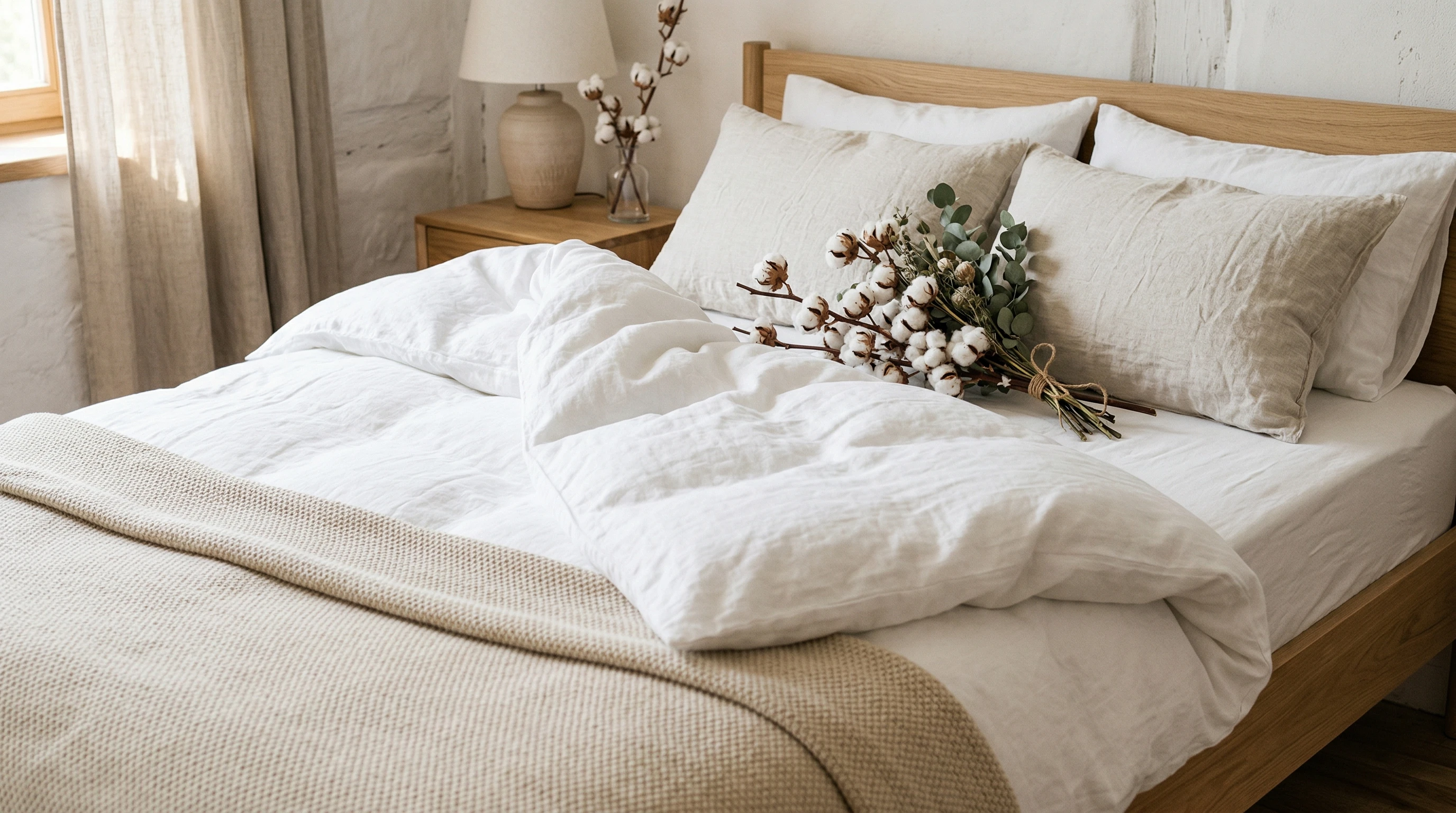
Why Cotton Makes a Difference for Sleep
Sliding into bed after a hectic day should feel relaxing. I’ve seen firsthand that the materials in my sheets play a big role in that experience. Cotton bedding and pajamas, compared to most synthetics, always seem lighter, softer, and cooler. There’s a reason for that and it goes farther than just feeling good on the skin.
Cotton’s big claim to fame is its breathability. The fibers let air move freely, which helps keep your temperature steady at night. Synthetics like polyester or microfiber trap heat, but cotton sheets allow warmth to leave your body more easily. If you’re often waking up sweaty or hot, this is the fix you’ve been searching for.
Cotton is great at wicking away moisture, too. So, if you sweat at night or live in a humid spot, cotton will absorb and let go of that moisture, keeping things dry and comfortable. Sleep Foundation points out that this keeps you from feeling sticky or damp, letting you ease into deeper sleep without interruptions.
When you combine these factors, you get more restful, uninterrupted sleep. Sheets that can manage heat and sweat mean you stay comfortable—and your sleep cycles benefit as a result.
Picking the Right Cotton Bedding
Bedding shopping can be a maze with all the labels: Egyptian, percale, sateen, organic, and more. To sort things out, here’s how I choose bedding that boosts sleep quality and doesn’t break the bank.
- Thread Count: Many think higher thread count means better sheets. That’s not always true. I’ve used soft, sturdy cotton sheets between 200 and 400 that outlast some “luxury” ones. Find a range that feels good to you rather than focusing on the highest number.
- Weave Type: Cotton sheets come in several weaves. Percale is crisp and keeps things cool, making it perfect for hot sleepers. Sateen is smooth and heavier, adding a cozy touch in colder months. Both have their strong points, so pick according to your comfort.
- Organic vs. Conventional: Organic cotton, grown without pesticides and with less water use, is great for sensitive skin or allergies. It’s also the more ecofriendly option.
- Certification Labels: Certifications like OEKO-TEX or GOTS are your sign that the cotton is free of certain harmful chemicals. That’s one less worry about what you’re sleeping on night after night.
Cotton’s Role in Other Sleep Essentials
Bedding is just a starting point. I’ve switched up my pajamas, pillowcases, and even the mattress cover to cotton. It all adds up for better sleep. Here are key points I keep in mind:
- Cotton Pajamas: Lightweight cotton material breathes and moves with you. These pajamas stay cool and won’t trap sweat or irritate sensitive skin, which matters on hot nights or for folks with allergies.
- Pillowcases: A cotton pillowcase keeps your head cool and doesn’t cause irritation like some synthetic blends. Your hair and skin will thank you.
- Mattress Protectors: Cotton-topped mattress protectors add a soft, breathable surface without the sticky plastic feeling you get from some waterproof covers. This change alone can give your sleep comfort a serious lift.
Making the Most of Cotton Bedding
Even the most eye-catching cotton sheets and pajamas need regular care so you get the best sleep, every night. Here’s what helps me get the most out of my cotton bedding:
- Wash Often: Clean sheets feel better and let cotton fibers “breathe.” I stick to washing sheets weekly, using a fragrance-free, gentle detergent to keep everything fresh and soft.
- Control the Heat: High heat in washers and dryers damages cotton over time. I always use warm, not hot, water and tumble dry on low or air dry to help my bedding last longer and keep its breathability.
- Avoid Fabric Softeners: Softeners or dryer sheets coat cotton, making it less absorbent. Wool dryer balls give softness naturally, skipping the chemicals.
Keeping up this routine means my cotton bedding stays comfy, clean, and long-lasting—and the cooling, soft benefits stick around.
Potential Drawbacks and Tips to Fix Them
While cotton has a lot of upsides, there are also a few things to be aware of. Cotton bedding can shrink in the dryer, wrinkle more than synthetics, and needs more drying time. Plus, untreated cotton can stain or wear out faster if not cared for right.
To stop shrinkage, always check the care label and use lower heat in the dryer. If wrinkles bother you, take sheets out of the dryer quickly and fold them or put them on your bed while a bit warm. Sheets in a percale weave also tend to look less wrinkled (and feel crisper) than some flimsier styles.
For long-lasting softness, always look for longstaple cotton, such as Egyptian or Supima. These fibers are stronger and hold up longer before showing wear or pilling—totally worth tracking down if you want bedding that lasts.
Advanced Tips for Better Sleep With Cotton
I found that after switching my bedding and sleepwear to cotton, I could do even more for comfort and restful nights. Here are a few tips and tricks:
- Layer Bedding: Mix cotton sheets with other natural fibers like a lightweight wool blanket. It lets you adjust for seasonal changes and find your sweet spot for temperature.
- Swap Weaves Seasonally: Percale stays cool for hot months, while sateen is a bit heavier for when it’s chilly. Rotating the weave helps you avoid overheating in summer and enjoy cozy warmth in winter.
- Cut Down on Allergens: Consistently washing and drying your cotton bedding keeps dust mites and other allergens in check, which is a must for easy breathing—and happier mornings if you’ve got allergies or asthma.
Real-Life Sleep Benefits of Cotton
The benefits of cotton run deeper than just how it feels against your skin. These are real perks I (and many others) have noticed since switching over:
- Better Sleep for Hot Sleepers: Cotton’s ability to wick moisture and allow air flow helps warm sleepers rest comfortably.
- Kind to Sensitive Skin: Cotton is gentle on the skin and nonirritating for those dealing with eczema or allergy flare-ups, especially compared to rougher synthetic blends.
- Easy to Keep Fresh: You can wash cotton bedding regularly without ruining it, so it stays fresh and snuggly. That’s perfect for busy households with pets or kids too.
Frequently Asked Questions
Friends and readers often ask about buying and caring for cotton bedding. Here are answers to some of the top questions I get asked:
Question: Is cotton better for hot or cold weather?
Answer: Cotton is a great year-round pick. It really shines for hot sleepers or in warm climates. If it gets cold, you can layer a heavier blanket to stay comfortable.
Question: How do I tell if cotton sheets are really good quality?
Answer: Your best bet is to select sheets made from longstaple cotton, such as Egyptian, Pima, or Supima. Reliable certifications help, too, but don’t focus only on thread count. Feel the fabric and trust ratings.
Question: Can I use bleach or stain remover on cotton bedding?
Answer: I skip bleach, which can weaken the fabric and cut the life of your sheets short. Instead, I stick with mild, chemical-free stain removers to deal with spots or spills.
Wrapping Up
Switching up your bedroom with more cotton can really boost sleep quality. With its natural cooling, softness, and simple care, cotton is tough to beat for anyone searching for better rest. Ditching synthetic blends in favor of cotton helps you take care of your health—and it just feels fantastic after a long day.
Give pure cotton a shot if you haven’t already. Even small changes can make bedtime restful and enjoyable, and the upsides just keep building the longer you use it.