
Most advice about burning fat treats the body like a light switch: cut carbs, flip into “fat-burning mode,” and wait. Bodies do not work that way, and people who try it often end up in the same loop of strict rules, rebound hunger and regained weight. A more useful way to look at it is metabolic flexibility, the ability to use sugar or fat for fuel depending on what is available and what you are doing.
That ability varies from person to person, and the habits you keep appear to influence it. This article covers how to improve metabolic flexibility naturally, using four everyday levers: food quality, meal spacing, movement and sleep. It also covers what the adjustment period feels like and where the evidence stops. No single tactic here is a guaranteed route to fat loss, and I will say so where it matters.
Why Your Body Can Get Stuck on Sugar (and What “Flexible” Actually Means)
Your body burns a mix of fuels all day. Carbohydrate, stored as glycogen in muscle and liver and circulating as glucose in blood, is one. Fat, from your diet and from body fat stores, is the other. Protein contributes a smaller share.
Researchers use “metabolic flexibility” to describe how well your body adjusts that mix to the situation. After a meal with carbohydrate, a flexible system uses more glucose and stores the surplus. During a fast, or during a long easy walk, it shifts toward fat. An inflexible system responds sluggishly in one or both directions.
Why would it get stuck? The research points to a few contributors: frequent eating with little gap between meals, a diet heavy in refined carbohydrate and low in fiber and protein, little muscle-loading movement, a mostly sedentary day, and short or erratic sleep. Insulin, the hormone that moves glucose into cells, stays elevated for longer when you eat constantly, and high insulin suppresses the release of fat from storage. The body is not broken. It is responding sensibly to a pattern of constant fuel supply by never needing the backup tank.
An honest caveat: much of this comes from lab studies and observational research. The link between poor flexibility and conditions like insulin resistance is well described. Whether deliberately training flexibility causes lasting weight loss is less settled.
Metabolic Flexibility Is Not the Same as Keto
Keto and metabolic flexibility get lumped together, but they describe different things. A ketogenic diet is a fixed eating pattern: carbohydrate is kept very low so the liver makes ketones from fat. Metabolic flexibility is a capacity, not a diet. A flexible person can eat a bowl of oats at breakfast, handle the glucose, and still shift to fat burning later in the day when the glucose is gone.
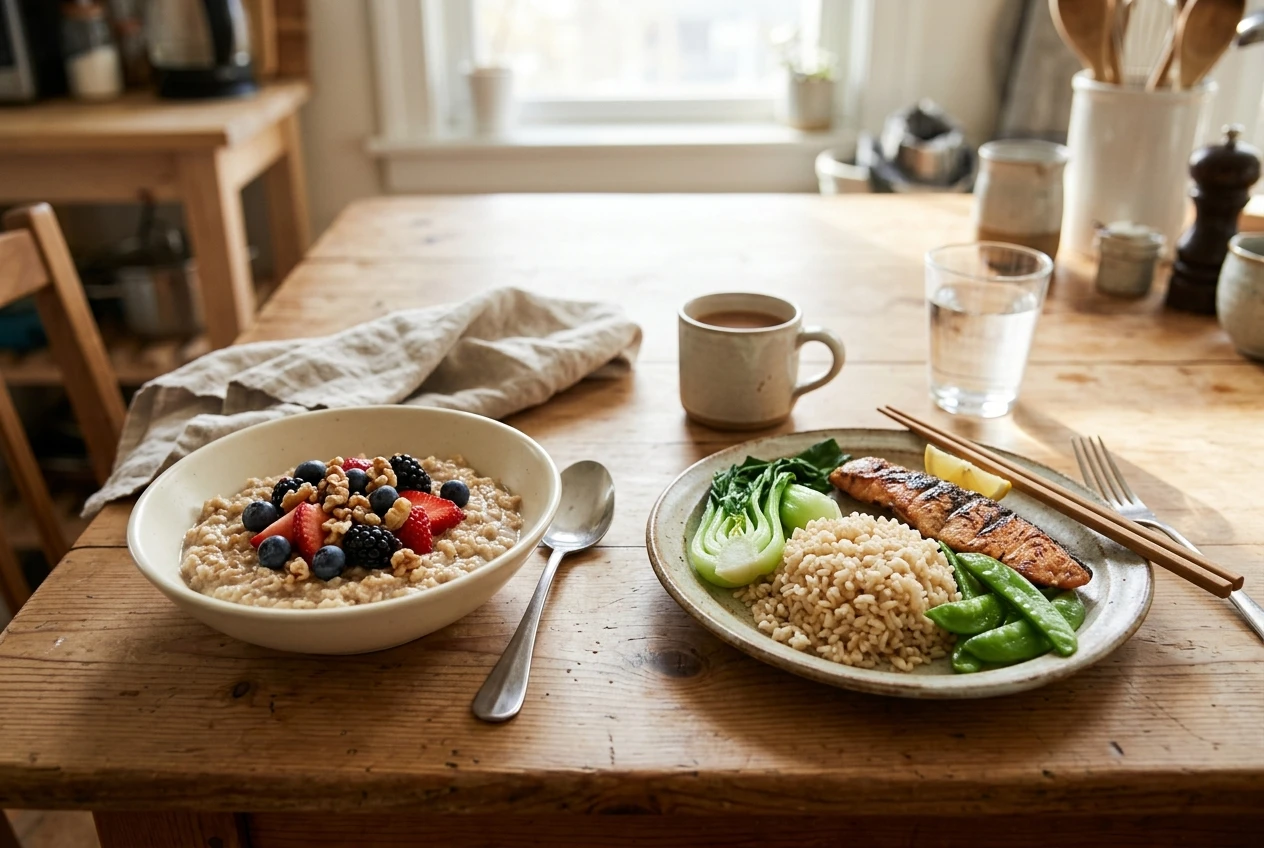
Eating very low carb can raise fat use, because there is little else to burn. But fat burning that depends on never eating carbohydrate is a sign of restriction, not of flexibility. The goal is to handle both fuels well, so a plate of rice or a skipped lunch does not knock you off balance.
This matters for people tired of yo-yo dieting. A rigid protocol is hard to keep, and when it ends, the old pattern returns. A skill you build gradually, through habits you can live with, has a better chance of lasting. That is a reasonable expectation, though long-term studies of “training flexibility” specifically are limited.
Fat burning also does not equal fat loss. You can burn plenty of fat during a fast and then eat enough afterward to cancel it out. Over weeks and months, body weight still follows total energy intake and expenditure. What flexibility may change is how steady your energy and appetite feel while you manage that balance.
Signs Your Fuel Switching May Be Sluggish, and What They Can’t Tell You
Several everyday experiences are commonly linked to sluggish fuel switching:
- Strong hunger, shakiness or irritability when a meal is delayed by an hour or two
- A heavy energy slump after meals high in refined carbohydrate
- Frequent snacking to keep energy up between meals
- Strong cravings for sweet or starchy food in the afternoon
- Difficulty exercising at an easy pace without feeling you need to eat first
These signs are worth noticing, and none of them is a diagnosis. Each has plenty of other possible causes: poor sleep, high stress, a very low-calorie breakfast, caffeine timing, iron deficiency, thyroid problems, blood sugar disorders, medication effects, or simply a long morning with no food. Feeling hungry at 11 a.m. does not prove anything is wrong with your metabolism.
There is also no home test for metabolic flexibility. In research it is measured with lab methods such as indirect calorimetry, which compares oxygen use and carbon dioxide output at rest and under different fuel conditions. Consumer wearables and glucose monitors can show glucose patterns, but they do not measure how your body is choosing fuel. If your symptoms are strong or persistent, a doctor can check fasting glucose, HbA1c, and other markers that give actual information.
Lever 1: Food Quality and Meal Spacing That Give Your Body a Reason to Tap Fat Stores
Your body taps stored fat when insulin is low and glucose is not arriving. So two things matter: what you eat, which determines how large the glucose and insulin response is, and how often you eat, which determines how many hours insulin stays low.
Food quality. Build meals around foods that digest slowly:

- Protein at every meal, such as eggs, fish, poultry, legumes, Greek yogurt or tofu
- Vegetables and fruit with their fiber intact
- Whole-food carbohydrates such as oats, beans, potatoes and intact grains rather than juices, sweets and refined flour products
- Fats from olive oil, nuts, seeds and fish
Fiber and protein slow digestion and generally blunt the glucose spike after a meal. This does not need a perfect plate. Swapping one refined breakfast for a protein-and-fiber one is a legitimate start.
Meal spacing. If you eat every two to three hours, including snacks, insulin rarely gets a long low stretch. A gentle step is to leave three to five hours between meals and let snacks go if you are not actually hungry. Some people also extend the overnight gap, finishing dinner a few hours before bed and eating breakfast a bit later. That is a loose version of time-restricted eating.
What is not proven: strict fasting windows have not shown a clear advantage over ordinary calorie control for weight loss in the trials so far, and extended fasting is not necessary for flexibility. A moderate gap is enough to try. Stretching it further should be gradual, and some people should not do it at all (see the last section).
Lever 2: Walking, Strength Work and Zone 2 Effort as Fuel-Switching Practice
Muscle is the main place where your body decides what to burn, so how you use your muscles matters a great deal. Three kinds of movement each play a part.
Walking. A 10 to 20 minute walk after a meal is a simple habit that helps muscles take up glucose from the blood. It requires no equipment and no fitness level. Longer, easier walks during the day add time spent in the lower-intensity range where fat supplies a large share of the fuel.

Strength work. Muscle is a large storage site for glycogen and a major consumer of glucose, so more muscle and better-trained muscle gives you a bigger and more responsive fuel system. Two or three sessions a week of squats, hinges, presses and rows, done with weights you can control, is a sound baseline. If you are building leg strength, this guide to exercises for vital leg strength is a practical place to start.
Zone 2 effort. Zone 2 is a steady, easy-to-moderate pace where your breathing is elevated but you can still hold a conversation in full sentences. Brisk walking, easy cycling, swimming or light jogging can all qualify. At this intensity, your muscles lean on fat for a good portion of their energy, and regular practice is associated with improvements in the mitochondria that burn it. Many people aim for a few sessions a week of 30 to 60 minutes, building up slowly.
Honest limits: exercise is excellent for health and flexibility, but it does not guarantee weight loss on its own, because appetite often rises alongside it. Think of it as improving how your body handles fuel, with weight change depending on the whole picture.
Lever 3: Sleep and Circadian Rhythm, the Overlooked Part of Appetite and Glucose Control
People often work on food and exercise for months and ignore sleep, even though it shapes both. In controlled studies, short sleep has been linked to higher hunger, stronger appetite for energy-dense food, and reduced insulin sensitivity the following day. A single bad night will not wreck anything, but a steady pattern of short sleep makes everything else in this article harder to do.

Your body also runs on a roughly 24-hour internal clock, and insulin sensitivity is not the same at every hour. Glucose tolerance tends to be better earlier in the day and worse late in the evening. That is one reason a heavy meal right before bed is more likely to produce a higher and longer glucose response than the same meal at midday. It is also a reason for the earlier dinner suggested above.
Practical habits that support this:
- Keep wake time consistent, including weekends, within about an hour
- Get outdoor light in the morning soon after waking
- Dim lights and screens in the last hour or two before bed
- Finish eating a few hours before sleep when you can
- Keep the bedroom cool, dark and quiet
If sleep is the weak link in your routine, fix it before adding anything else. A well-rested person following a modest plan often does better than a sleep-deprived person following a perfect one.
What the First Few Weeks of Adapting Really Feel Like
Here is the unglamorous part. When you lengthen the gaps between meals and cut back on refined carbohydrate, your body does not adapt instantly. Most people report some mix of the following:
- Hunger at your usual snack time. The body and the hormones that signal appetite have learned a schedule. This often eases over a week or two as the schedule shifts.
- Energy dips. A flat or foggy stretch, especially mid-morning or mid-afternoon, is common when the body is less practiced at fat use.
- Cravings. Sweet and starchy cravings can be loud early on. Adequate protein and sleep tend to help.
- Lower exercise performance at first. Hard sessions may feel heavier for a while if you are eating fewer carbohydrates.
There is no reliable timeline, and anyone quoting an exact number of days is guessing. Individual differences are large. Many people notice things settling over a few weeks, but that is a general impression rather than a proven schedule.
Go slowly. Change one thing at a time, such as a protein-rich breakfast, a walk after dinner, or a 30-minute extension of your gaps. Eat when you are truly hungry. Do not push through if you experience any of these:
- Dizziness, fainting or heart palpitations
- Shakiness with confusion, or a cold sweat
- Headaches that persist
- Persistent fatigue or poor sleep that does not improve
- Obsessive thoughts about food or rules that you feel guilty breaking
If these appear, eat, ease back, and talk to a clinician. Slowing down is part of the method, not a failure of it.
How to Keep the Weight Off: A Simple Maintenance Routine and Who Should Check With a Doctor First
Yo-yo dieting happens when the plan requires more effort than daily life can sustain. A maintenance routine for metabolic flexibility should be small enough to survive a busy week:
- Protein and fiber at most meals, built from whole foods you actually like.
- Three to five hours between meals most days, with snacks only when hungry.
- A short walk after your largest meal.
- Two or three strength sessions a week, plus one to three easy zone 2 sessions.
- A consistent sleep and wake time, with dinner a few hours before bed.
- A weekly check-in: how are energy, hunger, sleep and mood? Adjust one thing, not five.
Expect imperfect weeks. A holiday dinner or a bad night of sleep is data, not failure. The point of a flexible system is that it recovers quickly.
Weight maintenance also depends on factors this approach cannot control, including medication effects, hormonal changes, age and genetics. If your weight shifts significantly despite steady habits, that is worth a conversation with a professional rather than more self-restriction.
Check with a doctor before changing meal timing or diet if you:
- Have diabetes or prediabetes, especially if you take insulin or medication that lowers blood sugar, since longer gaps between meals can cause dangerous low blood sugar
- Are pregnant or breastfeeding
- Have a history of an eating disorder or disordered eating
- Take medications for blood pressure, heart conditions or thyroid issues
- Have kidney or liver disease
- Are under 18 or over 65 and underweight
- Have a medical condition that has you unsure whether fasting is safe
Where to Go From Here
If you would like the three levers laid out in a form you can follow, join the email list for a free one-page weekly routine that puts food and meal spacing, movement and sleep into practice without turning your week into a project.
For your next step, two related pieces go deeper on the parts of this that are easiest to overlook. Fuel use happens inside your cells, so how to support your mitochondria for steady mental energy is a natural follow-up. And since sleep timing affects appetite and glucose, this guide on how to reset your circadian rhythm naturally is the place to start if that lever is your weakest.