If you search for the best recovery tools for athletes, most lists rank products by how many reviews they have. This one ranks them by what they cost you in money, what they cost you in minutes each week, and how much evidence says they work. A $400 device you use twice and forget about is expensive. A free habit that takes 20 minutes a day can be a bargain or a burden, depending on what it returns.
The order below runs from the cheapest, best-supported basics to the devices where the evidence gets thin. Most readers will find that the first two sections do the heavy lifting.
How to judge a recovery tool: cost, minutes per week, and strength of evidence
Every recovery tool can be scored on three questions.
- Money: What does it cost up front, and does it need refills, subscriptions or replacement parts?
- Minutes per week: How much of your schedule does it take? A tool that needs 30 minutes of setup and cleanup competes with the sleep and training it is supposed to support.
- Evidence: Does the research show an effect on something you care about, such as soreness, performance in the next session, sleep quality or injury risk? Or does it show only that people feel better, which counts for something but is a weaker claim?
The third question needs a caveat. A lot of recovery research uses small groups, short follow-ups and soreness ratings that people report themselves. That does not make the findings worthless. It means a tool with “some evidence” usually has a modest effect, and a modest effect is worth a small purchase rather than a large one.
Here is how the categories in this article line up. The ratings are my summary of the research picture, not a lab result.
Tool Money Minutes per week Evidence Sleep, protein, hydration Low to none Mostly built into your day Strong Easy movement and mobility None 60 to 120 Moderate to strong Cold water or contrast Low 20 to 60 Mixed, depends on goal Foam roller Low 30 to 60 Modest, short-term Massage gun Moderate 30 to 60 Modest, similar to massage Sleep wearable Moderate to high A few, plus the risk of fixating Mixed Compression boots High 60 to 120 Limited Red light panels High 60 to 100 Thin and inconsistent
The free tier: sleep, protein, hydration and easy movement beat every gadget
Nothing you can buy replaces this section. If any of these are weak, a device will not make up for it.
Sleep
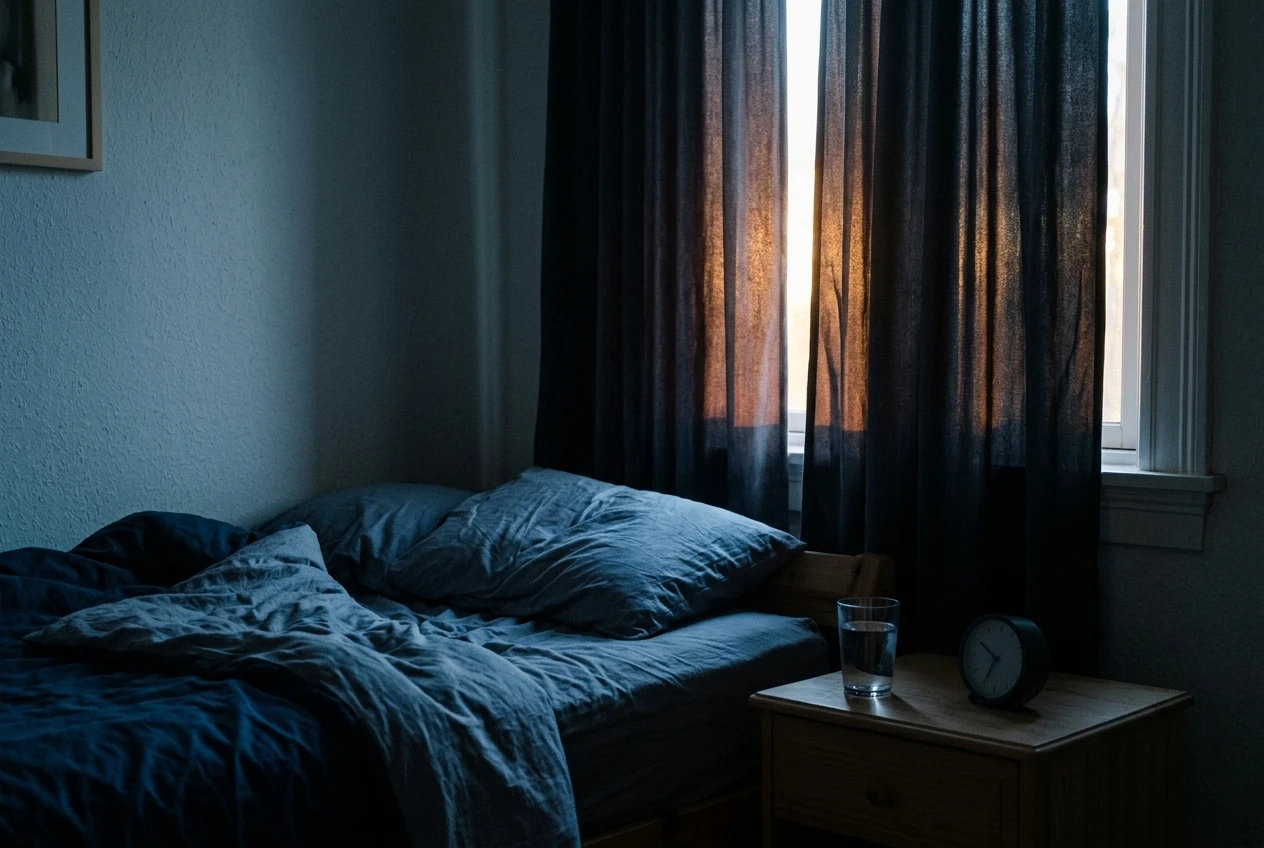
Most adults do best with roughly seven to nine hours, and athletes with heavy training loads tend to land toward the upper end. Tissue repair, hormone release and the consolidation of motor skills all depend on sleep, which is why short nights make hard sessions feel harder.
The cheapest improvements are a consistent wake time, a dark and cool bedroom, and morning daylight. If your sleep schedule drifts or you struggle to fall asleep, the circadian rhythm guide on this site covers the timing side in more depth than there is room for here.
Protein and total food
Muscle repair needs raw material. Sports nutrition position statements commonly put the protein target for people who train regularly in the range of about 1.4 to 2.0 grams per kilogram of body weight per day, spread over several meals. Eating enough total calories matters just as much, because an under-fueled body repairs slowly regardless of how much protein is in the mix.
After hard sessions, carbohydrates refill the glycogen your muscles burned. If you train twice in one day, eating soon after the first session matters more than if you have 24 hours before the next one.
Hydration
Replace what you sweat. A practical check is urine color: pale yellow usually means you are fine, dark means drink more. Heavy sweaters on long sessions may also need sodium, which food or an electrolyte drink can supply.
Easy movement
A 20 to 40 minute walk on a rest day raises blood flow without adding training stress. It also gets you outside, which helps with the daylight part of the sleep equation. It costs nothing and takes minutes you would otherwise spend sitting, and it tends to relieve stiffness better than lying still.
If your soreness or stiffness is persistent, the piece on chronic inflammation, diet, sleep and stress explains how the same basics show up in the research.
Cold exposure and contrast therapy: cheap, quick, and what it can blunt
Cold water immersion is among the most popular recovery methods, and it has a real tradeoff. Studies of cold water immersion after resistance training have found that it can blunt some of the muscle growth and strength adaptations that training is meant to produce. Cold reduces the inflammatory signaling that part of the adaptation process relies on.
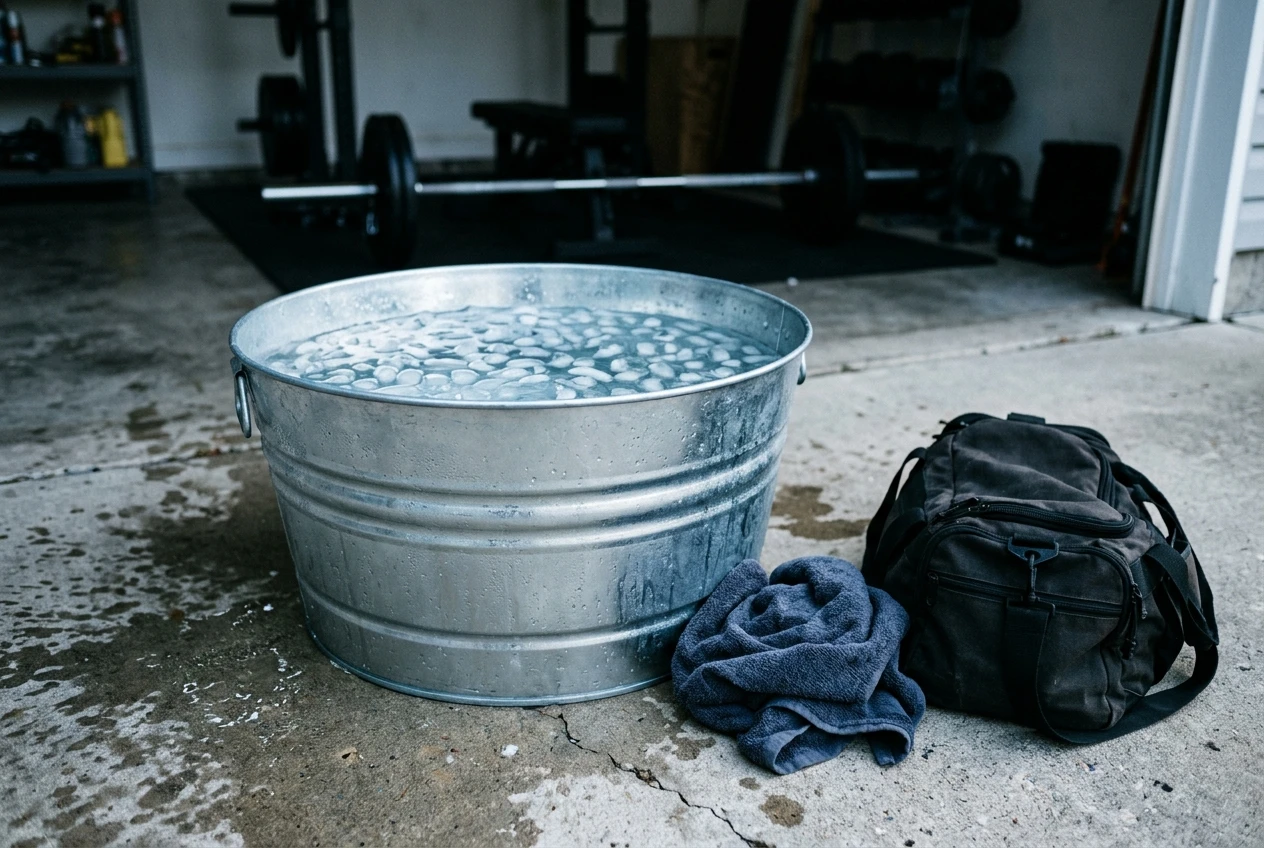
That makes the timing and goal matter.
- If you are trying to build strength or muscle, skip cold water right after lifting. Use it on separate days, or save it for times when the training itself is not the priority.
- If you have two competitions in a weekend, or two hard sessions in one day, cold immersion can reduce soreness and make the second effort feel better. Here, feeling fresh matters more than long-term adaptation.
- If you just like it, a cold shower costs nothing and wakes you up. That is a fine reason.
Contrast therapy, alternating hot and cold, has similar evidence: some reduction in perceived soreness, little proof of anything dramatic. Its cost is low if you use your shower and higher if you buy a tub or sauna setup. Five to ten minutes a few times a week is enough to find out whether you like it.
For specific methods and how to start safely, see the cold exposure techniques guide. People with heart conditions or blood pressure problems should check with a doctor before using extreme cold.
Sleep tracking wearables: useful data or just anxiety with a battery?
Wearables can tell you things you might not notice: how consistent your bedtime is, how much time you spend in bed against actual sleep, and how your resting heart rate trends over weeks. Those are useful, and they cost almost no minutes once you have the device on.
The weaker part is the detail. Consumer devices estimate sleep stages from movement and heart rate, and their estimates of deep and REM sleep compare imperfectly with lab measurements. A score of 62 on a given morning tells you little that how you feel does not.
There is also a behavioral risk. Some people start worrying about their sleep score, which makes it harder to fall asleep. Sleep researchers have a name for the preoccupation with perfect tracked sleep: orthosomnia. If checking your numbers makes you tense, the device is costing you recovery rather than adding to it.
A reasonable way to use one:
- Look at weekly trends, not single nights.
- Use it to check whether a change (earlier bedtime, no caffeine after noon) correlates with better results.
- Stop wearing it if you find yourself bargaining with the score.
If you already own a fitness watch with sleep tracking, you do not need a separate ring or band. If you do not own one, the free tier above gets you most of the benefit.
Massage guns, foam rollers and compression: what they do for soreness and what they don’t
These tools sit in the middle. The evidence is modest and fairly consistent: they reduce how sore you feel for a short while and can briefly improve range of motion. They have not been shown to speed up actual tissue repair.
Foam rollers
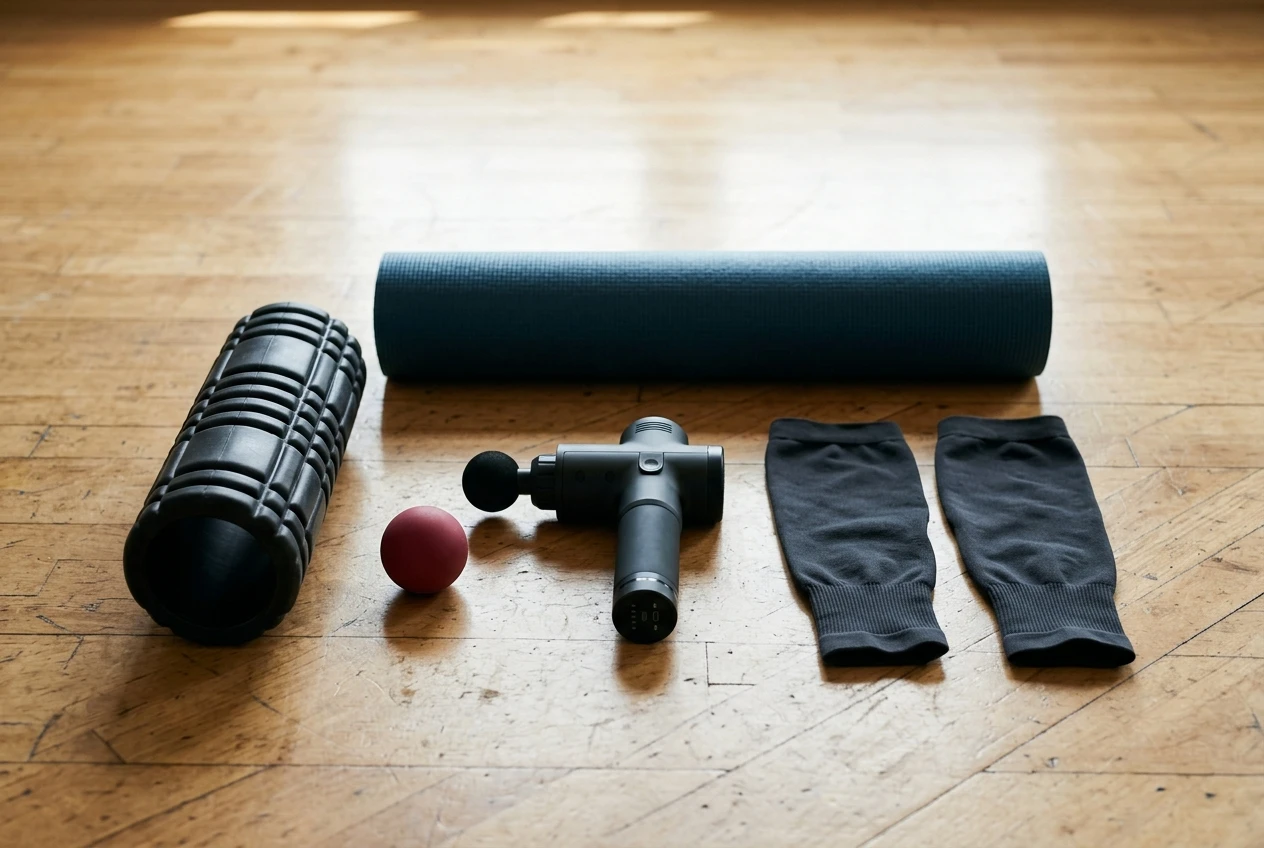
A foam roller is the best value in this group. Studies generally find that rolling reduces perceived soreness after hard sessions and gives a short-term increase in flexibility without hurting performance. It takes five to ten minutes, it is inexpensive, and it lasts for years. A lacrosse ball does the same job on smaller areas like the feet, glutes and shoulders.
Massage guns
A massage gun does roughly what a foam roller does, with less effort on your part. The research on percussive devices is smaller, but findings look similar to those for massage: temporary relief of soreness and a short boost in range of motion. If you have trouble keeping up with foam rolling, or you want to work on your back or shoulders without contortions, a gun makes sense. If you already roll, it adds little.
Use it on muscle, not on joints, bones or the front of the neck, and keep sessions short. A minute or two per area is plenty.
Compression gear and boots
Compression garments worn after exercise have some support for reducing perceived soreness, and they are inexpensive enough to try. Pneumatic compression boots are a bigger purchase with thinner evidence. They may help with the sensation of heavy legs, particularly for endurance athletes with high weekly volume. They also take an hour or so of sitting still with your legs in sleeves, which is time you could spend walking, eating or sleeping. For most recreational athletes, the money and minutes buy less than the free options.
Red light therapy and other pricey devices: where the evidence is thin
Red and near-infrared light panels are marketed heavily for recovery. The idea is that specific wavelengths affect the mitochondria in muscle cells. Some studies do report reduced soreness or small performance benefits, but results vary widely between studies, and so do the devices, wavelengths, doses and timing. That inconsistency is the problem: it is hard to know which product, at what distance and for how long, would reproduce any result you read about.
Those panels are expensive, and the time cost is real, since sessions are typically spent standing or sitting in front of the light. Until the research settles on clear protocols, this is a “wait and see” category for a budget-minded athlete.
The same caution applies to other high-priced items sold on recovery claims, such as hyperbaric chambers, full-body electrical stimulation suits and subscription recovery clinics. If a seller cites one small study and a before-and-after story, ask whether the claim holds up against a night of extra sleep, because that comparison is usually the one that matters.
If you want to support energy at the cellular level through food and habits rather than a panel, the guide to supporting mitochondria is a better first stop. I would not buy a red light device until the basics are in place and the budget has room for an experiment.
Mace and mobility work as active recovery you may already own
Active recovery means light, controlled movement that keeps blood moving and joints working through their range without adding real training stress. It is the cheapest tool on this list after walking, and many people already have the equipment.
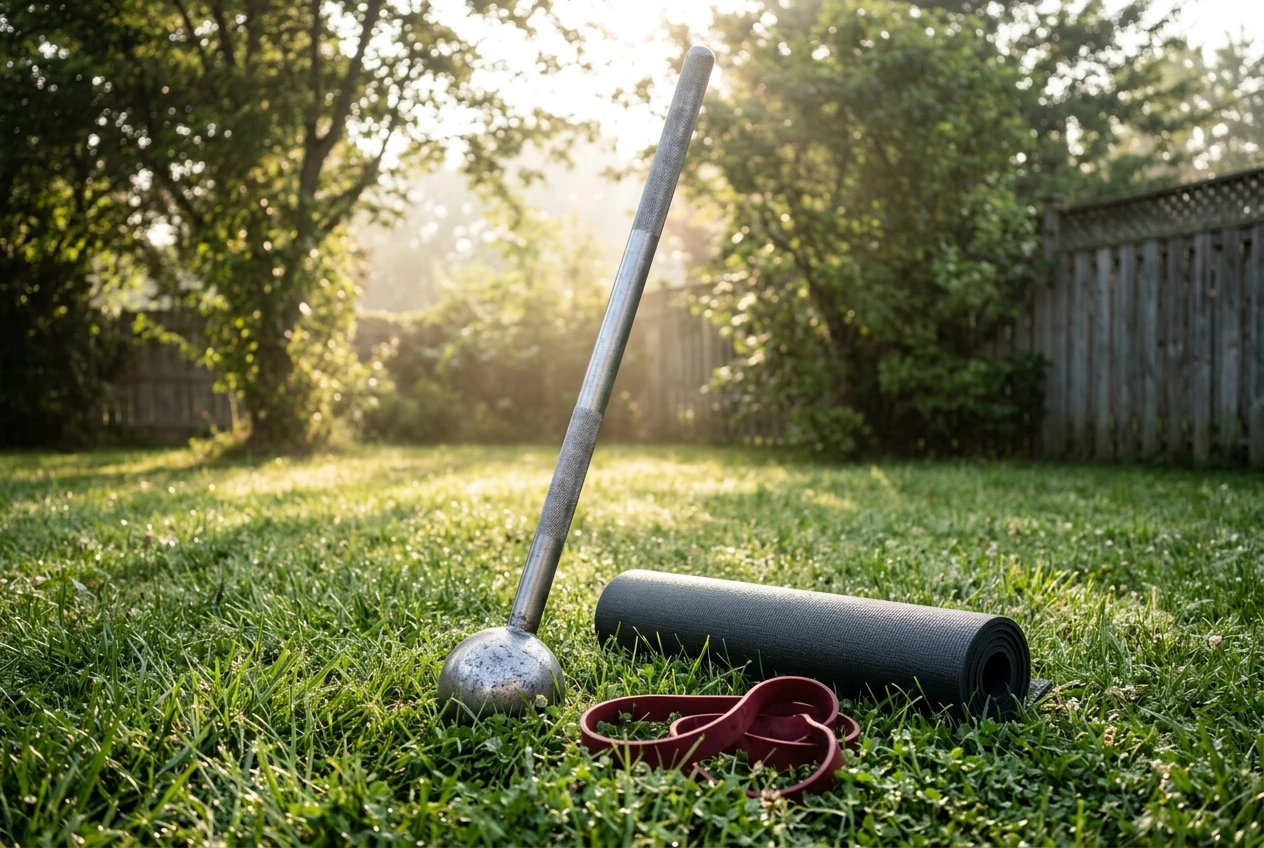
A steel mace is a good example if you train with one. Slow, deliberate swings and rotations at low intensity move the shoulders, thoracic spine and hips through large ranges under light load. The key is to cut the weight and speed from what you use in a normal session, and to stop well before fatigue. The goal is to leave the session feeling looser than you started.
If you have no mace, the same job is done by:
- Bodyweight mobility flows: cat-cow, hip openers, thoracic rotations and shoulder circles.
- A resistance band for gentle shoulder and hip work.
- Easy cycling or swimming at a pace where you can hold a conversation.
- A walk.
Aim for 10 to 20 minutes on rest days, or a short session of it after training. For shoulder-specific ideas, this article on mace training for shoulder mobility and stability goes through the movements in detail.
A starter recovery stack at three budgets: $0, under $100, and splurge-worthy
Build in order. Each tier assumes you have the one before it working.
$0
- Fixed wake time, with morning daylight within an hour of waking.
- Seven to nine hours in bed as a target, with a cool, dark room.
- Protein at each meal, enough total food, and carbohydrates around hard sessions.
- Water through the day, with extra on heavy sweat days.
- A 20 to 40 minute walk on rest days and 10 to 15 minutes of mobility work.
- Cold showers if you enjoy them, timed away from strength sessions if you want the full training effect.
This tier takes about two to three hours a week, most of it overlapping with things you do anyway, and it covers most of what the evidence supports.
Under $100
Add inexpensive tools that make the free habits easier or more comfortable:
- A foam roller and a lacrosse or massage ball.
- A sleep mask or blackout curtains if light is a problem in your bedroom.
- A resistance band for mobility work.
- Compression sleeves or socks if you like how they feel after long sessions.
These add roughly 30 to 60 minutes a week and are the point where most recreational athletes should stop and spend the rest of the budget on food or coaching instead.
Splurge-worthy
This tier is for people with high training volume, a specific problem or the money to experiment.
- A massage gun if you will not roll but will use a gun, or if you have hard-to-reach areas.
- A sleep wearable if trends motivate you and you do not obsess over scores.
- Compression boots if you do high-mileage endurance work and legs feel heavy.
- A red light panel only as a curiosity purchase, with expectations set low.
Notice that nothing in this tier is required. If your sleep and food are solid, these are extras. If your sleep and food are shaky, none of them will fix it.
Get the one-page checklist and the picks
If you want the stack above on a single page you can stick on the fridge, join the email list and you will get a free one-page recovery stack checklist.
I have also collected affiliate-linked picks for the tools in this article that earned a recommendation. Disclosure: I may earn a commission if you buy through those links, at no extra cost to you. That never changes what ranks well, and the free tier stays at the top either way.