
Herbal supplements have picked up a lot of attention lately, especially for handling stress in a more natural way. If you sometimes feel wound up or overwhelmed by daily life, you’re definitely not alone. A lot of people are looking for gentle, plant based ways to support their mood and calm their nerves. I’ll walk you through the main benefits of herbal supplements for stress relief, some popular herbs, tips on getting started, things to watch out for, and a few expert insights that might help you make more informed choices.
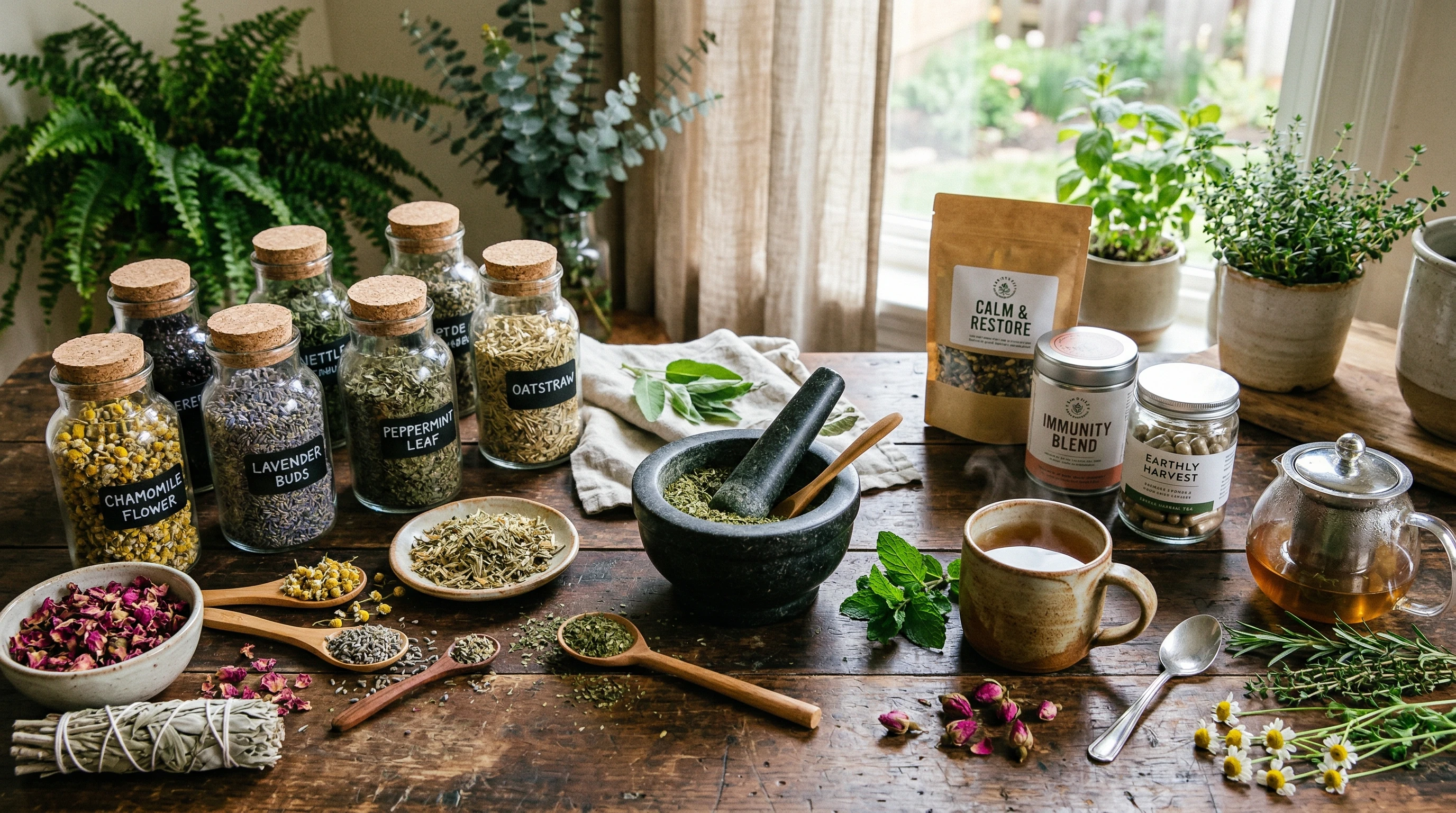
Why Herbal Supplements for Stress Relief?
The use of herbs for calming nerves goes back centuries and pops up in a lot of traditional medicine systems. Unlike some pharmaceutical options, herbal supplements often come with fewer side effects and aim to gently support the body’s own stress response. There’s a big push for wellness right now, with more people wanting to take control of their mental health naturally. Herbal remedies really fit into this mindset for a lot of individuals.
Several studies back up the idea that certain herbs can help tone down feelings of anxiety, give a boost to relaxation, or support better sleep (which is super important when stress hits). That said, you still want to make sure you know exactly what you’re using and why.
Getting Started with Herbal Stress Support
Trying herbal remedies for stress doesn’t mean you have to switch up everything in your wellness routine overnight. Small steps, like working a calming tea into your bedtime routine, can make a noticeable difference after a few weeks. Here are a few things that helped me when adding herbal supplements for stress support:
- Start Small: Adding just one new herb at a time lets you see how your body responds.
- Timing Matters: Some herbs like to be taken in the morning (such as adaptogens), while others work best before bed (think valerian root or chamomile).
- Diet and Hydration: Herbs are most helpful when you’re already eating pretty well and drinking enough water.
- Check Interactions: If you’re on any meds, always check with your doctor first. Some herbs do interact with common prescriptions.
Popular Herbal Supplements for Stress Relief
A few herbs show up over and over in conversations about relaxation and mood support. Here are some of the most well known and how they might give your nerves a break:
- Ashwagandha: An adaptogen that helps the body handle stress and stay balanced. Some people say it makes them feel steadier during tough times without feeling sleepy.
- Chamomile: This is one of my favorites for winding down at night. It’s usually found in teas and is known for its mild sedative effects. A lot of folks use chamomile to help quiet racing thoughts or support better sleep.
- Rhodiola Rosea: This one stands out for handling mental fatigue. Many people find that rhodiola helps them stay focused and less frazzled during busy days.
- Lemon Balm: A member of the mint family, lemon balm is super gentle and often used to ease tension and give a boost to mood.
- Valerian Root: Known for its calming impact, valerian is popular among people who have a hard time switching off before bed.
- Lavender: Not just a pleasant smelling plant, lavender supplements and teas are recognized for their ability to help manage anxiety and promote relaxation.
It’s always smart to check for the quality and source of your herbal supplements. Organically grown and third party tested products are generally a safer bet. You can usually find these herbs in capsules, loose teas, tinctures, or essential oils, depending on your preferences.
Quick Guide to Adding Herbal Supplements Into Your Routine
If you’re interested in trying out herbal supplements for stress, here’s a quick roadmap that’s helped me (and many others) keep things simple:
- Pick One Herb to Start: Maybe start with a mild option like chamomile or lemon balm if you’re new to herbs.
- Choose the Right Form: Decide if you’d prefer capsules, teas, or tinctures. Some people find drinking tea super calming as part of the process.
- Track Your Progress: Jot down how you feel physically and emotionally, especially in the first couple of weeks.
- Adjust Dosage if Needed: Always stick to the suggested dose, but feel free to adjust your timing if one approach seems more helpful.
- Check for Reactions: Watch for anything unusual, like tummy upset or allergic reactions, and pause if anything feels off.
By taking these steps, you can figure out what really works for you without a lot of guesswork or wasted money.
Things to Keep In Mind Before Trying Herbal Supplements
Herbal supplements sound simple, but they’re not totally risk free. Being aware of common challenges helps you avoid surprises and makes your experience smoother:
- Quality Control: Supplements aren’t regulated in the same way as prescription meds, so you have to be picky about brands and sources.
- Consistency: Herbs need some time; don’t expect results in a single day or two. Most people notice best effects after two to four weeks of regular use.
- Interactions: Double check with a pharmacist or doctor if you’re taking other drugs, have health conditions, or are pregnant/nursing.
- Side Effects: While rare, things like headache, stomach upset, or allergic reactions can pop up, especially with higher doses.
Quality Control
Not every bottle of herbal supplements is made the same. Labels can sometimes be misleading, so reaching out directly to companies or reviewing third party labs (like USP or NSF) is a pretty handy move. Look for organic certifications and avoid unnecessary fillers or additives if possible.
Interactions and Sensitivities
An herb that helps one person unwind might spark weird side effects in someone else. Herbal combinations can get tricky, too. For example, combining valerian with other sedative herbs might make you groggy during the day. Always try new supplements on days when you don’t need to be super focused at work or school.
Expert Tips for Maximizing Herbal Stress Relief
People who have used herbal remedies for a long time often recommend a few extra tricks to really get the most out of your supplements:
Be Patient and Observant: Herbs work best when you’re watching for subtle changes over a few weeks. Keeping a simple diary of your mood, sleep, and energy helps you see the big picture.
Mix Herbs With Other Stress Busters: Supplements are one tool. Yoga, exercise, regular sleep, and time outdoors all give a boost to your overall results.
Tea Time Rituals: Some folks love making herbal tea time a calming bedtime tradition, not only getting the herbal benefits but also the relaxing ritual itself.
Everyday Situations Where Herbal Stress Support Shines
Herbal supplements aren’t magic solutions, but they fit nicely into lots of busy lifestyles. Here are some ways I’ve seen herbal stress support used in real life:
- At Work: A rhodiola capsule in the morning can help shake off mental fog and make stressful days feel less intense.
- Before Bed: Chamomile or valerian tea is popular for unwinding, especially when you’re dealing with restless nights.
- During Exams: Lemon balm is a hit among students for staying calm and focused without feeling sleepy.
- Supporting Recovery: Ashwagandha’s balancing effects are noticed most in folks recovering from burnout or high intensity work periods.
Finding what works is a bit of trial and error, but the steady results can make a long day feel a little easier. For example, you might toss lemon balm in your afternoon tea for a mellow, bright mood or add ashwagandha to your routine during demanding life changes. People often say that adding just one cup of herbal tea at the right time helps them pause and reset.
Frequently Asked Questions
People are always curious about using herbs for stress relief, so here are a few questions I get all the time:
Question: How long does it usually take for herbal supplements to start working?
Answer: Most people notice some mix up in mood or anxiety within two to four weeks, although some calming teas (like chamomile or lavender) can work faster for mild symptoms.
Question: Can I combine different herbs together?
Answer: Combining mild herbs like lemon balm and chamomile is usually fine, but always start slow and check with a healthcare provider if combining stronger ones (like valerian and ashwagandha).
Question: Are herbal supplements safe for everyone?
Answer: Most are safe for healthy adults, but kids, pregnant or nursing women, and people on certain meds need to be extra careful. Always check in with a healthcare professional for personal advice.
Key Takeaways for Herbal Stress Relief
Trying out herbal supplements is a worthwhile option if you’re looking to support your mind and body in a gentle, natural way. Learning about different herbs, choosing quality products, and making changes slowly all help you find relief from everyday stress, without complicating your routine. If you work closely with a medical professional and pay attention to your body’s feedback, herbal remedies can become a really helpful part of your wellness toolkit. Remember, slow and steady changes can make your stress management routine pay off in big ways over time.