Getting your body to perform at its best isn’t just about training hard or eating right. Sometimes, unexpected things, like cold exposure, can mix up your routine and help you reach new levels in recovery and endurance. From ice baths to chilly plunges after a workout, athletes of all backgrounds are using cold to their advantage. I’m here to get into how cold exposure fits into athletic training, the science behind it, and practical tips on making the most of it for recovery and endurance.
Why Athletes Use Cold Exposure: Recovery and Endurance Basics
Cold exposure has popped up everywhere from pro athlete locker rooms to local gyms, and there’s a reason it keeps trending. Whether it’s dunking in an ice bath after a big game or using cold showers as part of a morning routine, many athletes swear by cold for a boost in recovery and even a bit of toughness.
Recovery plays a major role for anyone pushing their limits. When you finish up a tough workout or a long race, your muscles are often inflamed and tired. Cold exposure works by making blood vessels tighten up, which helps reduce swelling, numbs sore spots, and is thought to help clear out metabolic waste. This combo can mean less muscle soreness and a quicker bounce-back for your next session.
Endurance, on the other hand, isn’t just about grinding through a hard run. Cold exposure may help your body become more resilient over time, teaching it to handle stress better, both physically and mentally. Some studies even suggest that regular cold exposure could give your cardiovascular function and stamina a boost by helping your body adjust to stressful environments.
Getting Started: Types of Cold Exposure Athletes Try
If you’re curious about starting with cold exposure, here are a few methods you’ll come across most often:
- Ice Baths: Filling a tub with cold water (usually between 50-59°F or 10-15°C) and soaking for around 10-15 minutes. This is especially popular right after intense workouts.
- Cold Showers: A quick and accessible option. Just turn your shower to cold for a couple of minutes at the end of your usual routine.
- Cryotherapy: Stepping into a chamber that blasts you with air as cold as -200°F for up to three minutes. This method is often found in upscale gyms or sports clinics and offers an alternative to traditional cold immersion.
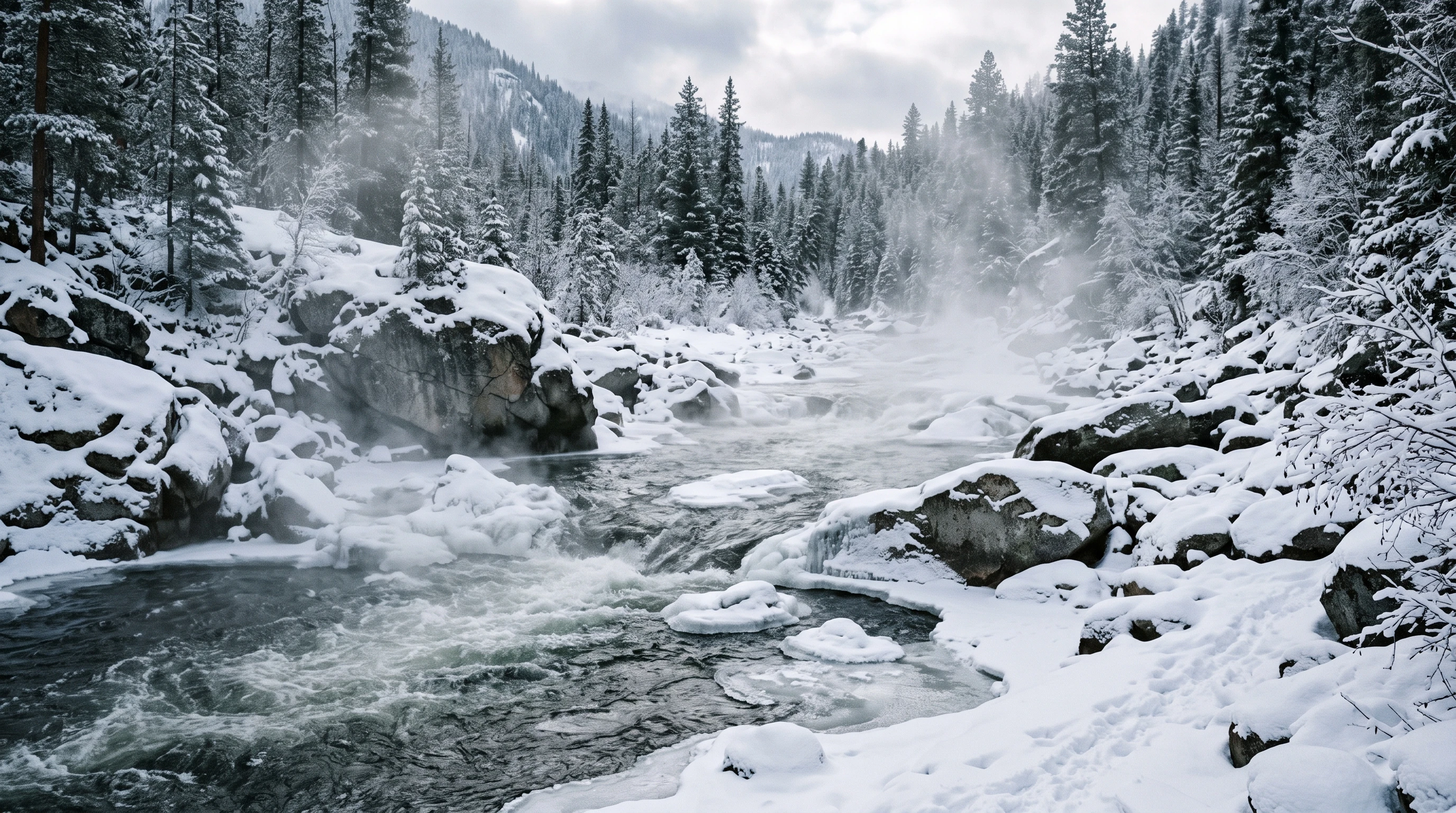
- Natural Cold Exposure: Swimming in lakes or rivers in colder months is another way athletes track down the benefits of cold without much high-tech gear. Open water swims in brisk weather can be an energizing alternative and connect you more with nature, too.
Each of these options comes with its own vibe and level of intensity. You don’t have to jump straight into a freezing river. Starting with cold showers or a moderately cool bath is a good way to get used to the sensation and figure out what works for your goals.
Science Behind the Chill: How Cold Supports Recovery
The main reason athletes turn to cold when they want a fast recovery is because of how it affects inflammation and blood flow. When you expose your body to cold, blood vessels tighten up (vasoconstriction), which can help bring down swelling and tissue breakdown after an intense workout. Once you warm up again, the vessels relax, encouraging fresh blood flow and helping flush out built-up waste in your muscles.
This process may help reduce those next-day aches known as delayed-onset muscle soreness (DOMS). Some research points out that while cold won’t repair muscle tissue directly, it does help numb pain and tone down excessive inflammation, so you can move more freely.
- Numbs pain: That “icy” feeling dulls soreness, which can motivate you to keep moving even after tough exercise.
- Lowers swelling: Brings down the inflammatory process in acute injuries or after heavy training sessions.
- Improves blood flow (after warming): When you heat up again after the cold, the after-effect brings nutrients and oxygen to muscles, helping in longer-term recovery.
It’s worth noting that research is still catching up, and not all scientists agree on every detail. Some latest studies suggest that using ice immediately after weight training could slow down muscle growth if used too often, since the body’s natural inflammatory response also helps build new muscle. Moderation is key here. Cold is really handy for sore, overworked muscles, but it doesn’t replace the benefits of natural recovery.
How Cold Exposure Impacts Endurance and Mental Grit
Building physical resilience and mental toughness are both important for athletes, and regular cold exposure fits right into that. Exposing your body to chilly environments or cold water may help your cardiovascular system adapt, making it better at handling physical stress. This so-called “training effect” could mean improved blood circulation, a steadier heart rate, and better oxygen delivery when you’re exercising for longer periods.
There’s also the mental side. Stepping into freezing water takes commitment. Over time, this can fire up your confidence and strengthen your mind to handle discomfort. Many athletes find that regular cold exposure makes them more adaptable, not just in training but also in high-pressure competitions. Ongoing research links cold showers and ice baths to lower anxiety and improved mood, thanks to endorphins and other brain chemicals released during and after exposure.
Making Cold Exposure Work for You: Smart Tips and Precautions
Jumping into cold exposure doesn’t have to be extreme or risky. Here’s how I usually suggest easing into it without making your recovery routine a punishment:
- Start Slow: Begin with short, cool showers before working up to ice baths. Your body needs time to get used to lower temperatures.
- Time It Right: Most benefits for recovery show up when cold exposure happens right after tough training, not a day or two later.
- Listen to Your Body: If you’re shivering or the cold feels painful, it’s smart to get out and warm up.
- Be Consistent but Not Extreme: Using cold exposure 2-3 times a week works well for many athletes, but it’s not needed after every workout, especially for activities like strength training where a little inflammation helps build muscle.
- Pair With Other Recovery Tools: Stretching, hydration, sleep, and balanced nutrition are still important. Cold exposure is just one tool in your kit.
Safety Reminders
Some folks—like those with heart conditions or problems with circulation—should check in with a healthcare provider before using intense cold exposure. Always avoid jumping directly into freezing water without preparation.
Things to Keep in Mind Before Making Cold Exposure a Habit
Trying out cold exposure isn’t only about getting into cold water whenever you’re sore. Paying attention to a few key factors helps you get the most from the experience:
- Watch Your Skin: Avoid staying in too long; skin damage and mild frostbite can happen, especially in ice baths or cryotherapy if you overdo it.
- Check Your Training Goals: If you’re focused on muscle-building, using cold immediately after every workout might not be ideal. But for endurance athletes or for in-season recovery, it’s usually more useful.
- Monitor Your Well-Being: Pay attention to how you feel during and after cold exposure. If you feel extra tired or drained, try a gentler approach or back off a bit.
Real-World Example: A Runner’s Routine
I know a distance runner who uses two-minute cold showers after long runs but saves full-body ice baths for recovery after races or back-to-back tough workouts. She finds that the “chill” helps her sleep better and move more freely the next day, but avoids ice after short strength sessions to make sure her muscles still adapt and grow.
Common Questions About Cold Exposure and Performance
Athletes and sports fans always want to ask about using cold strategically for training. Here’s what I get asked often:
Question: How cold does a bath have to be to work?
Answer: Most studies show that anywhere below 59°F (15°C) gives a recovery effect, but you don’t have to go colder than that. Even a brisk shower can be enough if you’re just starting out.
Question: Should I use an ice bath after every workout?
Answer: Not necessarily. Cold exposure is super useful for reducing soreness and bouncing back from endurance training, but using it all the time after every session, especially strength training, could slow muscle growth. It works best as a recovery tool for tough training blocks, races, or workouts that really wear you out.
Question: What if I hate being cold?
Answer: You’re not alone! Try starting with just 30 seconds of cool water in the shower and slowly work your way up. Many people find it gets easier with practice and can still benefit, even with short sessions.
How To Fit Cold Exposure Into Your Routine
Figuring out how to add cold exposure to your training is pretty personal. Some athletes love a cold dip at the end of every big workout, while others save it for competitions or heavy recovery days. Pairing it with days you really push your limits, like after a long run or intense intervals, brings the biggest difference you’ll notice.
- Create a Post-Workout Ritual: Try a 5-10 minute cold shower or ice bath after your hardest sessions. Add some gentle stretching for maximum relaxation.
- Make It Social or Fun: Challenge friends or teammates to join in. The shared experience can help make it far less intimidating.
- Track Your Results: Keep a quick recovery log and note how you feel after different types or durations of cold exposure. Everyone’s reaction is a bit different.
If you keep your approach balanced, cold exposure can become a go-to part of your performance toolkit and help you train harder, recover faster, and stay on top of your game, all without burning out.
Wrapping up, using cold exposure in your routine can give your body and mind a boost, but it works best as part of a well-rounded recovery plan. Pay attention, experiment safely, and you’ll find the right mix that helps you shine in both recovery and endurance.