
Prostate supplements are starting to get a lot more attention these days, and I’ve noticed more people around me asking whether they actually help. The latest research is giving us a clearer picture, and I’m here to break down what’s legit and what’s just hype. If you’ve ever walked into a vitamin aisle or scrolled through online health shops, you know how crowded this market can be. So, I’m laying out what prostate supplements actually do, which ingredients are worth checking out, and what the studies are revealing now.
Why Prostate Health Matters and How Supplements Fit In
Prostate health can become a bigger deal as men get older. Symptoms like having to pee more often at night, trouble starting urination, or even discomfort can sneak up fast. Most of us don’t even think about our prostates until something feels off. What’s interesting is that issues like benign prostatic hyperplasia (BPH), which basically means an enlarged prostate, are common starting in your 40s or 50s. For some, it’s just inconvenient, but for others, it disrupts daily life.
This is where supplements step in. They don’t replace medical care, but some folks reach for them to support urinary comfort, cut down on unwanted nighttime bathroom trips, or just give themselves a little extra peace of mind. If you’re already eating healthy, exercising, and following your doctor’s advice, adding a supplement can be an extra boost that feels worth trying. Of course, regular checkups and professional medical input will always be the foundation for long-term prostate health.
The Big Ingredients: What’s Actually in Prostate Supplements?
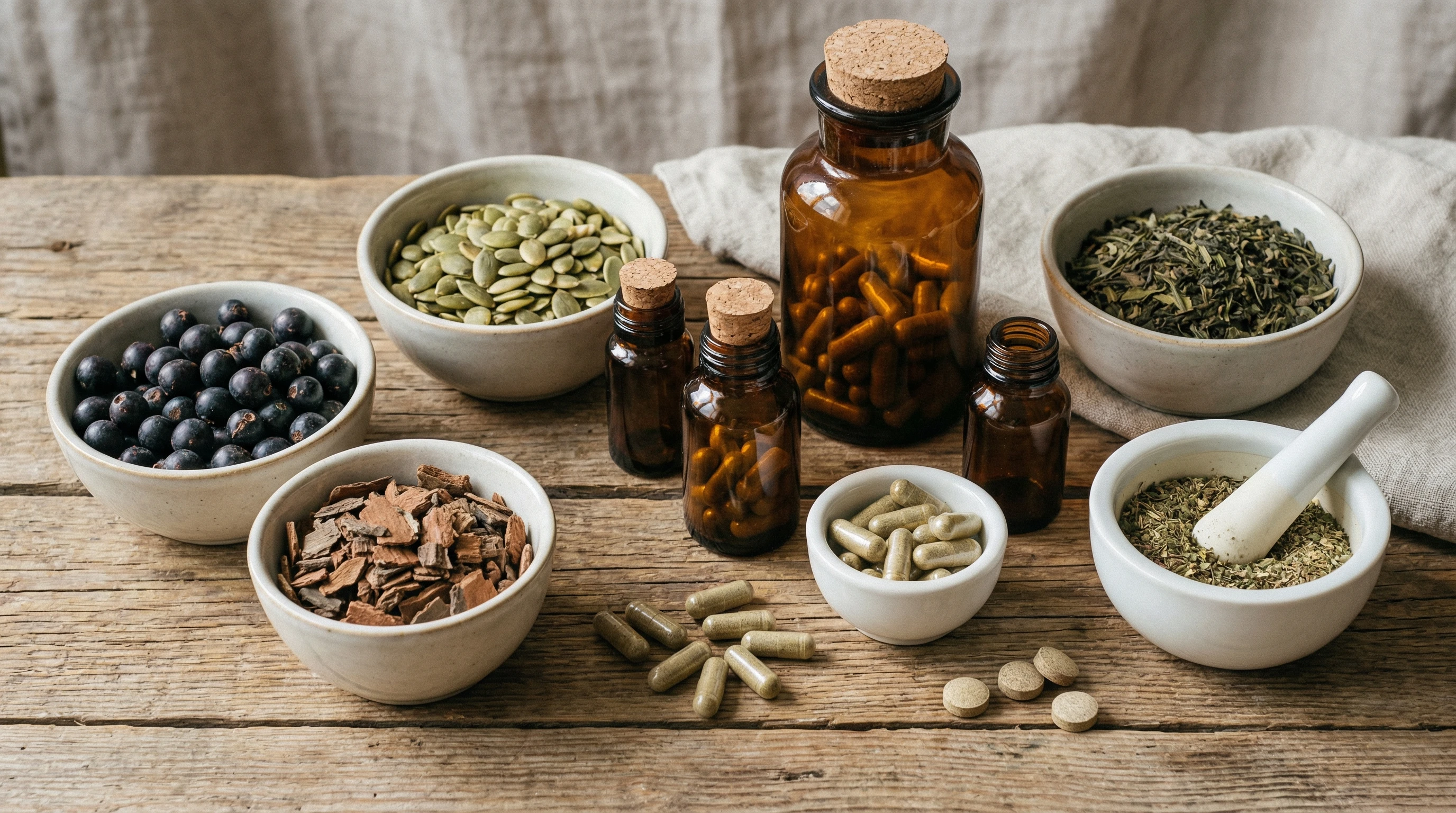
Prostate supplements boast long ingredient lists. Some formulas pile on dozens of elements, but not all are supported by science. Here are the main players that keep showing up in solid research:
- Saw Palmetto: This is probably the best-known prostate supplement plant. A number of studies show it supports lower urinary tract symptoms and may help shrink an enlarged prostate, though other research has found mixed results. The quality and dosage seem to matter, so paying attention to the product details is important.
- Beta Sitosterol: As a plant-based compound, beta sitosterol appears in plenty of prostate blends. There’s a good amount of research showing beta sitosterol can improve urinary flow and reduce symptoms of BPH, which is why it remains popular.
- Pygeum Africanum: This tree bark extract is especially popular in Europe for urinary comfort. Several studies show pygeum helps with nighttime urination and general symptoms, even though it’s not a guaranteed fix for everyone.
- Zinc: Men’s health supplements often include zinc, for good reason. The prostate contains high levels of zinc, and deficiencies sometimes have a connection to prostate problems. Don’t go overboard—stick to balanced doses.
- Lycopene: Lycopene, which you find in tomatoes, is known as an antioxidant that might support overall prostate health. Some early research points to a possible role in reducing the risk of prostate cancer, though it’s still being studied.
- Stinging Nettle: While the name might sound prickly, stinging nettle is a familiar face in prostate formulas. It’s often mixed with saw palmetto. The research is mixed, but some users feel it helps relieve mild BPH symptoms.
What the Latest Research Says About Prostate Supplements
Fresh research gets published every year, so it’s smart to stay updated if you’re weighing whether prostate supplements are a good fit. Some of the most interesting findings I’ve seen from trusted sources include:
- Saw Palmetto: Some double-blind studies show saw palmetto works almost as well as popular prescription meds for mild BPH symptoms. However, other research doesn’t notice much difference compared to a placebo. The product’s quality and the dose taken matter a lot. (NIH: Efficacy of Saw Palmetto)
- Beta Sitosterol: Reviews of multiple studies (meta-analyses) suggest men get improved urinary flow and make fewer trips to the bathroom, with only mild side effects. (NCBI: Beta-sitosterol for BPH)
- Pygeum Africanum: Several reports indicate improvement in symptoms, especially during the night. Some users even see an overall quality of life boost. (PubMed: Pygeum for Prostate)
- Lycopene: The data on lycopene tends to be positive for general prostate health, but remember it doesn’t work exactly like medicine and doesn’t bring rapid results. (NIH: Lycopene and Cancer)
Most research agrees supplements are best for those dealing with mild symptoms who want natural support. They aren’t a cure and don’t replace treatment for serious issues. If you notice changes in how you feel, check in with your doctor, since symptoms could come from something more serious than just BPH. Being proactive is great, but keeping safety first is even better.
Practical Tips Before Trying a Prostate Supplement
Starting a new supplement can feel like a gamble. Here are some things I always keep in mind and usually recommend if someone’s weighing their options:
- Look for brands you can trust: Supplements are not tightly regulated like prescription meds. I prefer brands that show clear labeling, support third-party testing, and score strong reviews from actual customers.
- Stick to ingredients backed by research: Focus on saw palmetto, beta sitosterol, and pygeum, all of which stand up well in studies. Skip wild mixes filled with unfamiliar herbs.
- Go low and slow with dosing: Some people find results with a lower dose, while others need to gradually build up. More isn’t always better, especially when it comes to minerals like zinc, which might upset your stomach if you take too much.
- Loop in your doctor: This is especially true if you’re on medication (like heart or blood pressure meds), since certain ingredients can interact in strange ways. A quick chat with your healthcare provider keeps you safe.
A Closer Look at Side Effects and Safety
For most people, prostate supplements are pretty safe when you take them as directed. The most common side effects folks mention are mild stomach upset, headaches, or a bit of nausea. Rarely, you might see blood pressure changes, allergic responses, or trouble with blood thinning if you’re using other medications. As always, make your doctor aware if you plan to start or change supplements.
Everyday Strategies to Support Prostate Health
Supplements are only part of the picture. Everyday habits matter a ton for prostate health. Try these proven approaches for all-around support:
- Balance what you eat: Diets heavy in vegetables, fruits (think tomatoes for that lycopene!), whole grains, and omega-3 fatty acids can give your prostate a big boost. Watch your intake of processed foods and lots of red meat, since they can up your risk for more issues over time.
- Move every day: Regular activity links to lower risks for BPH and even prostate cancer. Simple activities and brisk walks add up over time and make a difference.
- Manage your weight: Belly fat is strongly connected to more BPH symptoms, so if you drop some pounds, it might ease discomfort for some guys.
- Don’t skip checkups: Regular screenings and honest conversations with your doctor about new or unusual symptoms are important. Early advice makes a world of difference.
A good support plan involves more than just what’s in a pill bottle. Stress management, hydration, and sleep habits play a part in long-term health as well.
Common Questions About Prostate Supplements
Questions naturally come up before buying a prostate supplement. Here are some of the most frequent ones I’m asked:
Q: Can prostate supplements help cut the risk of prostate cancer?
A: There’s not much solid proof that supplements alone prevent prostate cancer. Antioxidants like lycopene might play a role in reducing risk, but these don’t replace regular checkups or following your healthcare team’s plan.
Q: Are prescription drugs more effective than supplements?
A: For moderate or severe symptoms, prescription meds such as alpha-blockers or 5-alpha-reductase inhibitors are proven to work better, though they do have side effects. Prostate supplements are best for those with mild issues, or as a way to complement regular care.
Q: How long should I wait to see results from a supplement?
A: On average, studies suggest most people see mild improvement after about four to twelve weeks, if they’re going to notice any change. Consistency and patience are key—switching products too fast won’t help you judge if something is working.
Making an Informed Choice on Prostate Supplements
Your choice about using a prostate supplement should reflect your health needs, symptoms, and your comfort level with ingredients. For men who experience mild urinary symptoms, or just want to take a proactive step, these products could make sense—just keep expectations realistic and use them alongside healthy habits. Going for formulas backed by actual research helps you avoid paying extra for hype.
I always buy from reputable companies, watch for any weird symptoms, and talk with my doctor if something changes. The main way to keep your prostate in top shape still comes down to diet, exercise, and good habits—supplements can be a helpful addition if used wisely. Keeping up with new research is a smart move, since it lets you adjust your approach and make the best calls for your health as you get older.