
Mace training holds a pretty unique spot in the world of martial arts. Watching someone swing a heavy steel mace might look impressive, but there’s a very deep history behind these exercises that goes back way before modern gyms and fitness trends. Today, I’ll be digging into where mace training actually started, how it has evolved over time, and what makes it so popular among martial artists now. If you’ve been curious about those oddlooking clubs and why martial artists love them, you’re in the right place.
The Ancient Origins of Mace Training
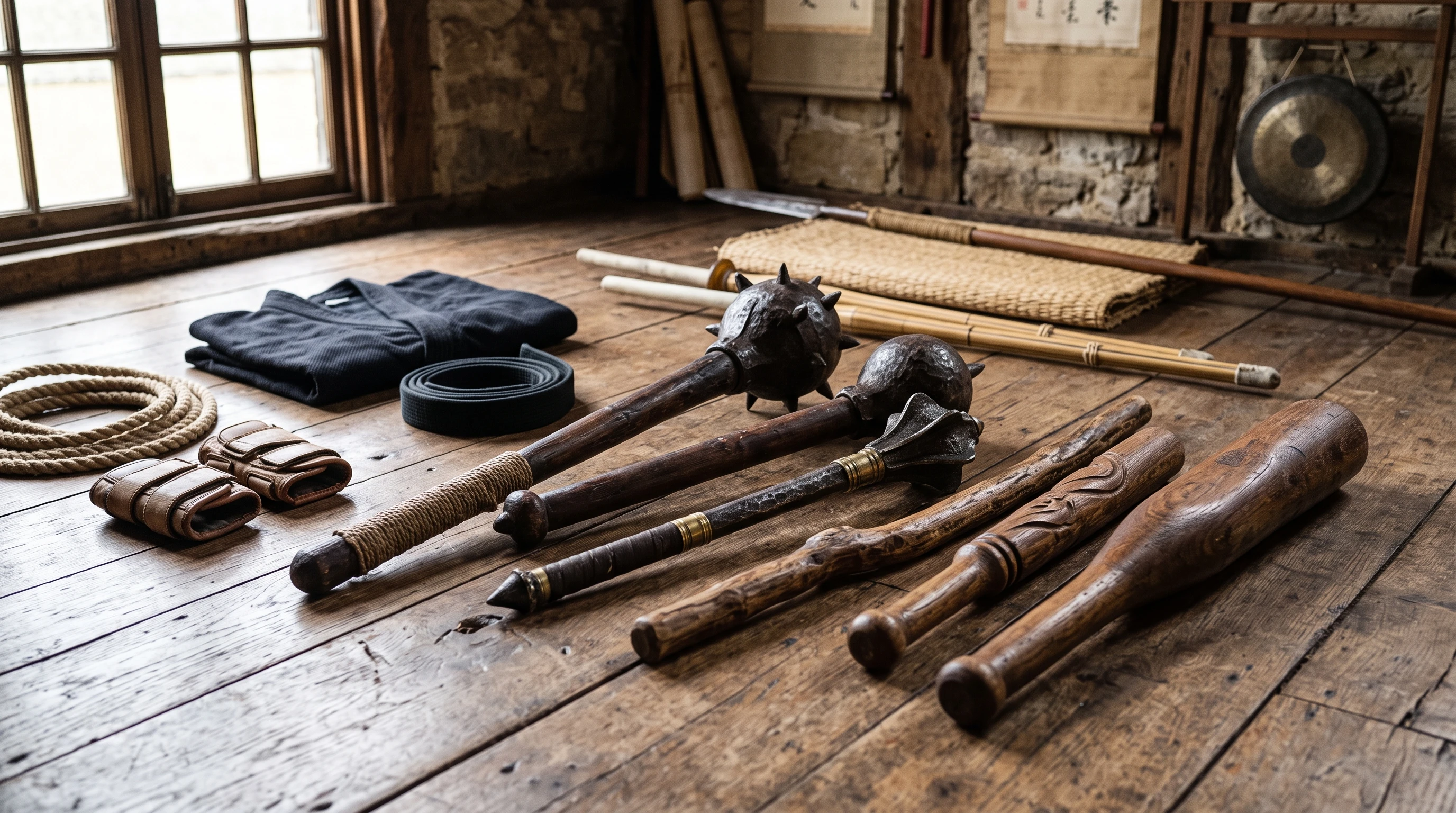
Mace training didn’t just appear recently in fitness circles. It’s a tool that has been around for thousands of years, with its roots in the warrior cultures of ancient Persia and India. The earliest maces or gada, as they’re called in India, were more than weapons; they were central to building strength for combat and daily life.
In Persia, the training mace (known there as the “meel”) played a big part in preparing warriors and wrestlers for battle. These were sometimes massive clubs, crafted from wood, that required wholebody coordination and serious grip strength. Over in India, the gada was both a symbol of strength and an actual weapon. Hindu mythologies feature figures like Hanuman, the monkey god, wielding a mighty gada as a testament to heroic strength and virtue.
What stands out about this history is how these ancient societies didn’t separate fitness from function. Warriors needed movement patterns that built rotational strength, mobility, and power. Training with the mace hit all these points, making it a natural choice for martial artists who wanted a practical edge, both then and now.
How Mace Training Spread Across Martial Arts
As travel increased and military cultures interacted, the concept of weighted club training followed. Through trade and conquest, warriors and wrestlers in Central Asia, the Middle East, and later Europe, started to borrow from each other’s training regimens. Persian and Indian influences reached the Roman empire and even influenced club and mace designs across medieval Europe.
In India, mace training never really left the martial traditions. It remained a pillar for wrestlers (pehlwani) and soldiers across centuries. Traditional akharas, Indian wrestling gyms, still use the gada today, and similar practices can be found among Pahlavani wrestlers in Iran, using tools like the mil and sang.
Mace training even made its way into ceremonial uses, particularly in South Asian royal courts. Here, the mace became a trophy, awarded to champions and warriors, often adorned with ornate designs and precious metals, showing off status and skill.
Key Concepts Behind Mace Training for Martial Artists
While the modern mace isn’t exactly the same as those old wooden gadas, the principles are strikingly similar. For martial artists, swinging a mace isn’t only about looking strong; it’s about developing qualities useful for fighting and self-defense.
- Rotational Strength: The offset weight of a mace teaches your body to control twisting and turning, skills that translate directly to striking, grappling, and weapon work in martial arts.
- Grip & Shoulder Endurance: Holding, swinging, and stopping the mace builds serious hand and forearm strength, plus helps protect shoulders from injury. It’s super useful for both striking artists and grapplers.
- Core Power: Unlike barbells or regular dumbbells, a mace feels alive in your hands. Stabilizing a moving load targets your midsection in a pretty intense way.
Mace training also helps boost mental discipline. Learning to control the unpredictable motion of a mace requires focus and patience, two traits that benefit all martial artists. Plus, the rhythmic swinging patterns can have a meditative quality, helping practitioners get in the zone before or after sparring sessions.
The Decline and Renaissance of Mace Training
Interestingly, mace training almost disappeared from popular use during the rise of modern sports and fitness equipment. As weightlifting, calisthenics, and gym culture spread in the 20th century, a lot of traditional equipment went out of style. Wooden and steel maces became niche or ceremonial, tucked away in wrestling gyms or forgotten about in martial arts schools.
But around the early 21st century, people started to stumble upon these old tools again. Fitness coaches, strength athletes, and martial artists saw the value in their dynamic, unconventional movement patterns. Now, companies make modern, steel maces designed for safety and variable resistance, bringing the practice back into mainstream fitness and martial arts.
This comeback wasn’t just about nostalgia. Modern studies highlighted the benefits of rotational training for injury prevention, core strength, and athletic performance. As people searched for new ways to mix up their workouts, the mace fit the bill perfectly by offering variety and challenge not found in standard gym routines.
Getting Started with Mace Training
For anyone interested in picking up mace training, it pays to understand some basics first. The typical modern mace is a steel rod with a weight on one end, usually ranging from 7 to 20 pounds. The most basic exercises, like the 360 swing or 10to2, come from wrestling strongmen in India and Persia and are still the foundation of mace practice today.
- 360 Swing: This classic move involves swinging the mace all the way around the head, switching directions for balance. It’s amazing for shoulders and grip, but takes practice to master.
- 10to2: Similar to the 360, but the mace moves from one side of the body (“10 o’clock”) over to the other (“2 o’clock”), mimicking the path of a sword or club.
Learning these basics first gives martial artists a strong foundation. From there, you can add more complex moves that combine lower body work, footwork, and even partner drills. Many practitioners also use the mace for conditioning circuits, integrating swings with bodyweight exercises for a fullbody training session.
What to Watch For: Challenges and Tips for Beginners
A lot of folks new to mace training run into some common hurdles. The offset weight makes it feel way heavier in motion than it looks. Here are a few tips that I like to recommend:
- Start Lighter Than You Think: A 10pound mace is no joke if you’re swinging it with good form. Go lighter to perfect your technique.
- Protect Your Wrists: Keep your wrists neutral and don’t let the mace yank you around. Good form is really important here.
- Respect the Space: You need plenty of room to swing, so make sure you’re not near walls, ceilings, or anything breakable.
- Consistency Beats Intensity: Daily or regular light practice builds control and skill faster than occasional, heavy sessions.
Take some time to warm up your shoulders, wrists, and upper back. Shoulder dislocates with a stick or light band and simple arm circles both help prepare you for swinging.
Common Mistakes in Mace Training
One thing I’ve noticed is people tend to grip the mace too tight and muscle the movement with just their arms. The real power, and safety, comes from learning to use the whole body, relaxing the grip just enough, and guiding the movement smoothly through the shoulders and hips.
Another common mistake is ignoring mobility. The big swings will show up poor range of motion fast. Adding some shoulder and thoracic warmups pays off huge here.
Don’t rush; the key to progressing safely is listening to your body and focusing on smooth, coordinated movements rather than swinging harder or faster. If possible, recording yourself or getting feedback from a coach can help you spot issues early and stick with proper technique.
Building a Routine for Martial Artists
If you’re a martial artist wanting to add mace training to your schedule, start by plugging it in as a warmup or finishing drill 23 times a week. The best routines keep things simple:
- 10-12 reps of 360 swings each direction
- 10-12 reps of 10to2 each direction
- Short sets of flowing combinations (squats, presses, swings)
Keep the focus on control. Speed and weight can come later. These workouts won’t just build strength but will help improve shoulder stability and core power for your main martial routines.
Adding mace training as a supplement rather than a replacement helps martial artists stay injury-free and keeps training exciting. Over time, you’ll notice improved posture, punch power, and overall movement quality.
Modern Use and Popularity of Mace Training
The steel mace is now showing up in all sorts of gyms, martial arts schools, and even in popular exercise classes. Part of the renewed appeal is how mace training forces people out of repetitive patterns. It hits stabilizer muscles, improves coordination, and trains the mind, not just the body. In fact, leading coaches like Rik Brown and organizations such as Onnit have helped spark global interest. You’ll find online tutorials, certifications, and full programs built around ancient mace mechanics tailored for today’s fitness and martial needs.
Many professional fighters, wrestlers, and even football players now use the mace to protect their shoulders, improve rotational power, and add variety to their routines. Whether you’re working to recover from an old injury, boost your athletic performance, or just want to mix in some new movement, the mace offers a unique blend of tradition and modern challenge. Plus, it builds a sense of community as practitioners often share tips, progress, and routines online and in group classes.
FAQs about Mace Training in Martial Arts
Question: Do I need to be a martial artist to benefit from mace training?
Answer: Not at all. While it’s perfect for fighters and wrestlers, the stability, strength, and mobility gains from mace swinging help anyone, whether you’re into sports, fitness, or just want better movement.
Question: Is mace training safe for beginners?
Answer: Yes, with a few precautions. Start light, learn technique first, and focus on slow, controlled reps. It’s always good to watch structured tutorials or ask someone experienced for tips.
Question: How does mace training compare to kettlebells or clubs?
Answer: While all three tools work grip and rotational strength, the length and offset weight of the mace give it a unique challenge for shoulder and core stability, making the movements a bit different than other tools.
Why Mace Training Deserves a Place in Martial Arts
Mace training brings something practical, historical, and surprisingly modern to martial arts practice. It’s more than swinging a hunk of metal; it’s about connecting with centuries of warrior tradition and finding new ways to train for power, balance, and resilience. With so many resources and communities focused on maces today, it’s definitely worth exploring for martial artists or anyone interested in holistic strength training. The roots are ancient, but the benefits still hit hard right now.