Intermittent fasting has become a pretty hot topic, especially among those looking for a simple way to manage weight and support their overall health. If you’ve seen the term pop up on social media, or heard friends talking about their fasting routine, you might be a bit curious about what it really involves. As someone who’s tried intermittent fasting myself, I’ve found it way less intimidating than a lot of strict diets. Here’s a rundown from my own experience, along with practical tips that make this style of eating a lot more approachable for beginners.
What Is Intermittent Fasting?
Intermittent fasting (IF) isn’t a diet in the traditional sense. Rather, it’s an eating pattern where you cycle between periods of eating and fasting during the day or week. Unlike plans that tell you exactly which foods to eat or avoid, IF focuses more on when you eat. I’ve found this really helpful, since it adds structure without feeling like you’re constantly restricted on food options.
The main goal is to give your digestive system regular breaks, letting your body switch between burning glucose (from your last meal) and stored fat. This approach has roots in ancient times, when people didn’t always have access to food all day. Modern research is still catching up, but many folks say they feel more energetic, less bloated, and even find it easier to maintain a healthy weight.
It’s worth mentioning that intermittent fasting is being explored in various nutrition and medical studies. Researchers are searching for how these eating patterns might boost metabolism, balance insulin response, and support healthy aging. While early results look promising, making choices based on your body’s needs and consulting a healthcare professional for specific concerns is always recommended.
Main Types Of Intermittent Fasting
There are a handful of popular ways to structure an intermittent fasting routine. Depending on what fits best with your day-to-day life, you can start with shorter fasting periods and build up as you get more comfortable. Here are some of the most common approaches:
- 16:8 Method: Fast for 16 hours and eat during an 8-hour window (for example, only eating from noon to 8 p.m.). Many folks skip breakfast and have lunch as their first meal.
- 5:2 Method: Eat normally five days a week and limit yourself to about 500–600 calories for the other two days (not consecutive days).
- AlternateDay Fasting: Switch between eating normally one day and limiting calories the next. This can be a bit challenging for beginners, but some people like the structure.
- EatStopEat: Fast for a full 24 hours once or twice a week, then eat normally on the other days. I’d only try this after getting used to shorter fasting windows.
There’s no single “best” way to do intermittent fasting, and a lot depends on your own schedule and how your body responds. It’s all about picking the approach that feels the least disruptive while fitting in with your lifestyle.
Getting Started With Intermittent Fasting
Trying intermittent fasting can be pretty simple once you’re familiar with the basics. Here’s what I found helpful when I first gave fasting a shot:
- Pick A Starting Window: Begin with a 12-hour fast overnight (like 8 p.m. to 8 a.m.), then gradually extend it to 14 or 16 hours as you feel more comfortable.
- Stay Hydrated: Water, black coffee, and plain tea don’t break your fast, so keep them handy. Hydration actually helps manage hunger and keeps you feeling alert.
- Listen To Your Body: Some hunger is normal, especially at first, but it shouldn’t be extreme. If you feel dizzy or unwell, break your fast and give it another try later.
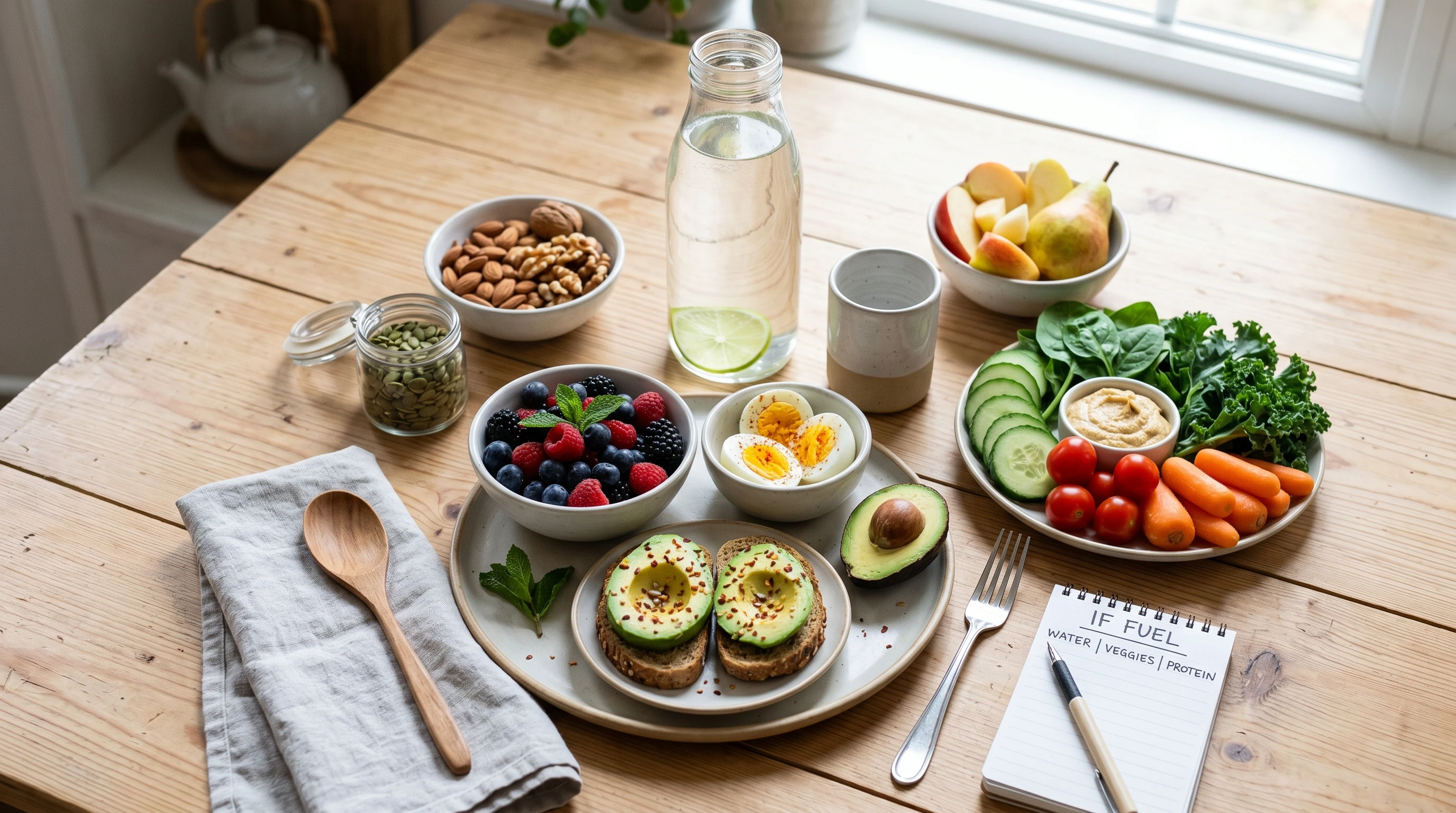
- Keep Meals Balanced: When it’s time to eat, focus on balanced meals with whole grains, protein, healthy fats, and plenty of veggies. This keeps you fuller for longer.
- Plan For Social Events: Be flexible; if life or family plans mess up your fasting schedule, it’s totally fine to shift things around. It’s about consistency, not perfection.
Giving your body some time to adjust is key. The first week can feel a little weird, but most people settle into a routine by the second or third week.
Why People Try Intermittent Fasting
People come to intermittent fasting for a bunch of reasons. Here are some real-life perks that I and a lot of others have noticed:
- Simplified Meals: With fewer meals to prep, you save time (and sometimes money) without constantly thinking about food.
- Weight Support: Many find it easier to maintain or lose weight, since eating in a limited window naturally reduces calorie intake.
- Better Energy: Rather than feeling sluggish, lots of people report more steady energy throughout the day once their body adapts.
- Less Mindless Snacking: Fasting windows make it easier to avoid grazing all day, which can help curb impulsive eating.
- Potential Health Support: Some early research links intermittent fasting with a lower risk of conditions like type 2 diabetes and inflammation, though more studies are still needed.
Results vary from person to person, and intermittent fasting isn’t magic, but I’ve found it super useful for bringing some structure to my routine.
Common Challenges And How To Handle Them
Starting something new always comes with its fair share of bumps. Here are a few common hurdles I ran into, along with what helped me get past them:
- Feeling Hungry: This is really normal in the first few days. Drinking more water and slowly increasing the length of fasting helps. Sometimes just getting busy and distracted makes the fast go by much faster, too.
- Social Pressures: If you get invited out for breakfast or brunch, there’s no need to explain your fasting routine; just eat if you want, and get back to your routine the next day. Flexibility is super important.
- Energy Slumps: When starting out, I noticed a dip in energy right before my eating window opened up. Keeping meals balanced and not skimping on healthy carbs (think brown rice, sweet potato, or fruit) really made a difference for me.
- Overeating After Fast: It’s easy to feel really hungry and want to eat everything during your eating window. Planning meals ahead can help you avoid going overboard.
Adjusting Fast Length
Everyone’s body is different. If you find the 16:8 routine tough, drop back to 12 or 14 hours. There’s no rule that says longer is always better. I started with a simple overnight fast and slowly stretched it as I got more comfortable.
Managing Special Circumstances
If you’re active, play sports, or have physically demanding work, you may need to adjust eating times for peak performance. It’s also really important for anyone with health conditions such as diabetes, low blood pressure, or if you’re pregnant or breastfeeding, to talk with a doctor before trying intermittent fasting. Your safety comes first every single time.
Tips To Make Intermittent Fasting Easier
Trying a new eating pattern doesn’t have to mean struggle. Here are a few tips from my own routine that helped smooth out the process:
- Plan Your Meals: Planning ahead means you won’t end up grabbing snacks or processed food when your eating window starts.
- Prioritize Sleep: Getting solid, regular sleep can help reduce cravings and improve energy, which makes fasting a lot less stressful.
- Stay Busy: If you find yourself thinking about food all morning, plan activities or chores to keep your mind off your stomach.
- Enjoy Your Meals: Make your eating window count. This isn’t about deprivation; it’s about enjoying satisfying, tasty food when you eat.
Everyday Life Examples
Here are a few examples I’ve seen in my own circles that show how people make intermittent fasting part of their routine:
- A busy parent who skips breakfast, eats lunch at noon, and has dinner with the family before 8 p.m.
- A college student who finds it easier to fast until after morning classes, then breaks their fast in the early afternoon.
- A remote worker who takes advantage of not having a commute by enjoying two larger meals a day and sipping tea during fasting hours.
None of these folks follow the “perfect” routine every single day. What makes intermittent fasting stick is flexibility and finding a groove that feels natural.
Frequently Asked Questions
Question: Will I lose muscle while fasting?
Answer: With a balanced diet and regular exercise, most people don’t lose muscle during intermittent fasting. Eating enough protein and staying active is what matters most.
Question: Can I have coffee while fasting?
Answer: Black coffee, tea (without sugar or milk), and water are all fine during fasting windows. Adding sweeteners, cream, or milk usually breaks the fast, so I skip those in the mornings.
Question: Is intermittent fasting safe for everyone?
Answer: It’s not a good fit for everyone, especially kids, teens, people with certain health issues, or those who are pregnant or breastfeeding. Chatting with a healthcare professional before starting any fasting plan is really important.
Final Thoughts
Intermittent fasting is one of those habits that can fit into all kinds of lifestyles. It’s lowmaintenance and flexible, which is great if you don’t want to count calories or weigh every meal. For me, it brought a new sense of structure and simplicity to the way I eat. If you’re thinking about giving it a shot, ease in slowly, listen to your body, and focus on making it enjoyable rather than a chore. Remember, consistency helps, and your own experience is the best guide.