Hip flexor mobility isn’t just for athletes or gym fans. It plays a key role in how comfortable and free you feel moving around during your day. If you ever notice stiffness when getting up from your desk or tightness walking up the stairs, your hip flexors might need more attention. In this piece, you’ll see why keeping hip flexors flexible can make basic activities feel easier, help you feel better as you move through regular life, and why everyone—regardless of fitness level—can benefit from giving these muscles a bit of love.
Why Hip Flexor Mobility Matters In Everyday Life
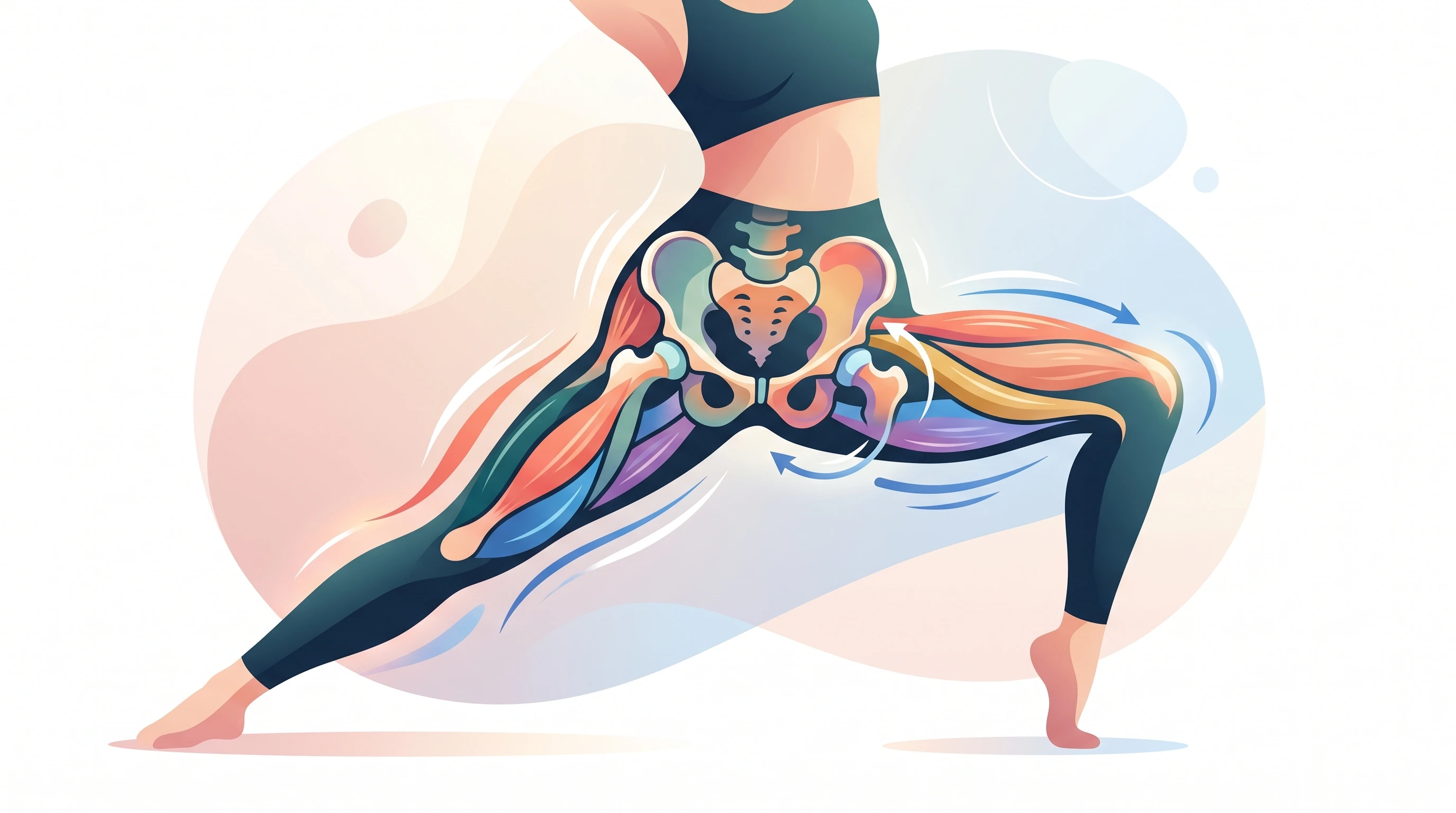
So many daily moves count on your hip flexors. These muscles connect your lower back, pelvis, and thighs, making it possible to bring your knee up, walk, climb stairs, or simply sit and stand comfortably. When they get stiff, even ordinary things like standing, crouching down, or bending forward can feel clumsy or tough.
Lots of time spent sitting—at work or while commuting—keeps these muscles short and tight. This isn’t just annoying; it can mess up your posture, make walking awkward, and even cause soreness in your back or hips. Keeping those muscles mobile means you move more naturally instead of forcing each step, so it takes less effort to do simple things.
What Are Hip Flexors, And Why Do They Get Tight?
Your hip flexors are a bundle of muscles at the front of your hip. The best-known ones are the iliopsoas (actually the psoas major and iliacus combined) plus the rectus femoris, which is part of your quads. These guys help you lift your knees, bend at the waist, and swing your legs forward.
They get tight for some pretty normal reasons, including:
- Sitting Too Much: When you sit, your hips stay bent, holding the hip flexors in a short position for ages.
- Skipping Stretching: A good workout is great, but it’s easy to forget about stretching your hips for flexibility.
- Weak Glutes or Core: If the muscles in your backside and core aren’t pulling their weight, your hip flexors pick up the slack and can get overworked.
- Repetitive Activities: If you run, bike, or repeat similar motion sports, those hip flexors can get overused and tighten up over time.
Benefits Of Having Good Hip Flexor Mobility
When you work on hip flexor mobility, it pays off in so many parts of your day. Here are some big highlights:
- Better Posture: Tight hip flexors can tip your pelvis forward, leaving you with an overarched lower back. More flexibility here means it’s easier for your spine to stay neutral, so standing and walking feel more relaxed.
- Less Back And Hip Discomfort: Stiff hip flexors are often linked to low back aches and hip tension. When they loosen up, you take some stress away from those areas.
- Smoother Walking And Stair Climbing: Moving your knees up—like walking, hiking, or getting up stairs—feels easier when your hip flexors work right.
- Getting Up Or Down With Ease: Looser hips make squatting, sitting, or getting down to the floor less awkward and less effortful.
- Improved Balance And Control: When these muscles move well, it helps every other muscle fire at the right time, making you more stable and less likely to take a spill.
All that from simple stretches and staying active—mobility here really gives your daily comfort and movement a boost.
How To Start Improving Hip Flexor Mobility
If your hips feel tight, don’t worry. Making a few basic changes can loosen those muscles. Here’s how to get rolling:
- Start With Light Stretches: Try a kneeling hip flexor stretch or a gentle standing lunge, holding each for about 30 seconds on every side. Let your body relax into it.
- Add Moving Stretches: Leg swings, gentle moving lunges, or standing marches are an easy way to wake up your hip flexors.
- Break Up Your Sitting: If you’re at a desk often, stand up and walk around at least every 30–60 minutes. Even standing to refill your cup is a good chance to reset those muscles.
- Strengthen Glutes And Core: As you open up your hips, work on surrounding support muscles. Moves like bridges, clamshells, or planks get your whole midsection in on the act, easing the load of the hip flexors.
- Warm Up Before Hard Effort: If you’re going to run, cycle, or play sports, use warmups that get your hips moving to keep those muscles mobile and wake them up before harder moves.
Rolling out your thighs with a foam roller or using a massage ball for gentle self-massage can also release tension in the front of your legs. Don’t do too much at once; regular small changes help more than pushing hard all at once.
Common Signs Your Hip Flexors Need More Mobility
Not sure if tight hip flexors are holding you back? Here are some signs that show up in folks who sit a lot or repeat movements:
- Stiffness or soreness in the front of your hips after a long drive or a day behind a desk.
- Your low back feels tight or super arched after standing a while.
- Pinching or discomfort when kneeling, squatting, or using stairs.
- Walking or running stride feels off—shorter or less smooth than before.
These aren’t the only signals. If you just feel generally stiff but can’t nail down where, try some gentle movement and stretching. If pain is sharp, doesn’t go away, or makes life tough, talk with a health professional for advice that’s right for you.
What To Keep In Mind When Improving Hip Flexor Mobility
- Start Easy: Pushing too hard, too soon can cause soreness or mild injuries. Aim for moves that are stretchy but never painful.
- Stick To A Routine: Just like brushing your teeth, doing small stretches and moving daily is way more helpful than one big session per week.
- Pair Mobility With Strength: Opening the hips is great, but use strength exercises to make sure you’re building support from glutes and core.
- Mix Your Moves: Try both static and moving stretches, as well as different angles—your body likes variety and adapts over time.
- Focus On Form: Watch some video tutorials from reliable trainers or check with a pro to see if your form protects your knees and back.
When To Check With A Professional
If you ever notice sharp pain, popping, or pain that persists even after stretching, it’s a smart move to check in with a physical therapist or medical professional. They can put together a custom plan just for your needs and help you get back to comfort and healthy movement.
Examples Of Daily Movements That Benefit From Better Hip Flexor Mobility
- Walking And Commuting: Your step feels longer and smoother, turning every walk or trip to the store into a breeze.
- Around The House: Picking up bags, crouching to tie shoes, getting into low cabinets—all much easier with mobile hip flexors.
- Sitting And Standing: Less lower back fatigue and more ease as you move from your seat, standing up, or sitting down without a hitch.
- Favorite Hobbies: Hiking, dancing, gardening, or any sport feels better with hips that can move without resistance or tightness.
Every time you stretch and find more freedom in your movement, you’re giving your hip flexors the chance to help you out.
Frequently Asked Questions About Hip Flexor Mobility
Question: What’s the easiest way to start improving hip flexor mobility?
Answer: Try a basic kneeling hip flexor stretch and aim to get up from your seat more during the day. Mixing in some simple dynamic moves like leg swings is also a winning combo.
Question: How often should I stretch my hip flexors?
Answer: Work in a little gentle stretching each day. Just a few minutes can make a big difference over time—regular routine beats marathon sessions every time.
Question: Can weak glutes or core muscles make hip flexor tightness worse?
Answer: Absolutely. When your glutes and core don’t pitch in, hip flexors try to do more than their share, which can make them tighter.
Question: Should I stretch if I feel pain when moving my hip?
Answer: Gentle stretching is fine for normal tightness, but if you get sharp pain or serious discomfort, check with a professional to get it looked at.
Key Takeaways For Enjoying Daily Movement With Mobile Hip Flexors
Flexible hip flexors make every move in your day better—think smoother walking, easier sitting and standing, and less tightness in your back or hips. Just a few easy stretches and less sitting time can improve how your body works all around. Mobility is about helping your body do what it’s built for, from getting out of bed to having fun with friends. By keeping your hips flexible, you’re giving yourself a gift every day—your body will thank you!