
If you’re searching for a fresh way to improve your heart health, mace training offers something unique. This ancient tool, also called a steel mace or gada, is catching on in gyms for its swinging motions and the way it works your muscles and stamina all at once. Whether you’ve been in the fitness game for years or feel like you’ve tried every cardio routine out there, picking up mace training could add excitement and real benefits to your workouts, especially for cardiovascular health.
Understanding Mace Training for Cardio Health
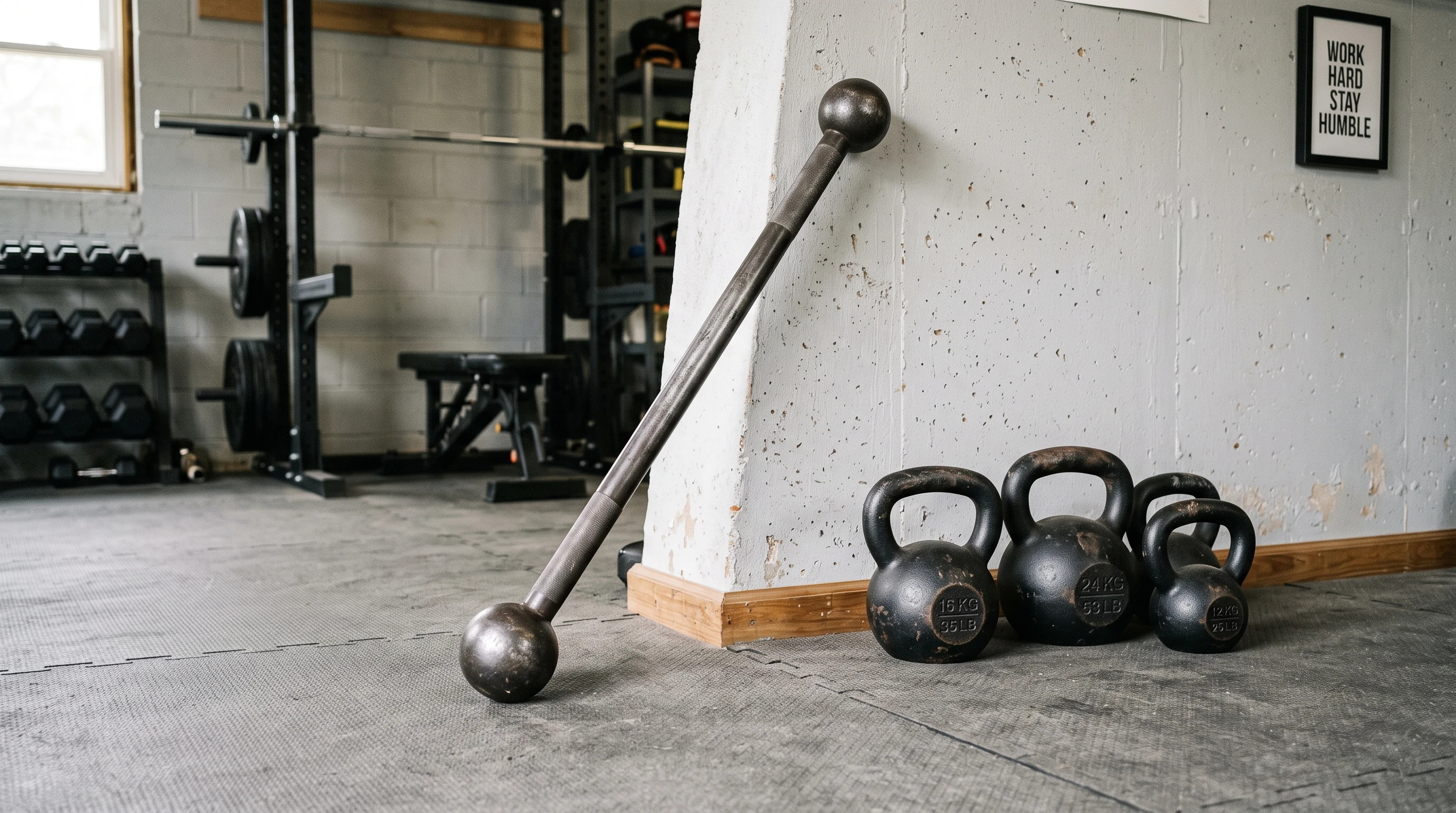
Mace training started centuries ago, especially in India, where wrestlers used the gada to build power and endurance. Today’s steel maces are usually made of metal but still carry the offset weight that challenges your grip, arms, core, and even your balance. The heart-pumping swinging movements not only boost strength but get your cardiovascular system working harder than standard weightlifting.
Incorporating swinging movements makes your heart rate climb quickly, giving similar benefits to high intensity interval training (HIIT). Many people use mace training as a standalone workout or a creative way to mix up traditional cardio. What’s interesting is that the continuous swinging and shifting of weight with the mace also helps you build coordination and flexibility, which are sometimes missing from conventional strength or cardio routines. This combination keeps the workout fresh and your motivation up.
Getting Started with Mace Training
Jumping into mace training doesn’t mean you need to overhaul your current routine or buy fancy gym gear. It just takes a bit of knowledge and a willingness to learn the new movements. Here’s what you’ll want to know before your first swing:
- Mace Weight: Beginners usually start with a 7-10 pound mace. The offset load is way tougher than it sounds, so lighter is better for learning.
- Grip Techniques: Mace exercises often use mixed or offset grips, which challenge your wrists and forearms.
- Form Comes First: Since swinging a mace uses lots of momentum, focus on smooth, controlled form before you try to increase speed or power.
It doesn’t matter if you work out in a large gym or just a home setup—mace training adapts easily. Many routines even require less space than you’d imagine, as long as you have room to swing the mace safely.
How Mace Training Boosts Cardiovascular Health
The swinging, twisting, and gripping that come with mace workouts push your heart and lungs in ways that regular lifting just doesn’t. Here’s why it’s so good for your cardiovascular health:
- Elevated Heart Rate: The dynamic, full body nature of most movements keeps your heart rate up throughout the set.
- Combines Cardio and Strength: Unlike steady state cardio like jogging, mace training builds muscle and endurance at the same time.
- Interval Ready: Many mace workouts use timed intervals, so you get those HIIT style benefits; think improved VO2 max and stamina.
- Core and Mobility: A strong core and better joint mobility support healthy blood flow and efficient movement, which are key for heart health.
Some athletes have stumbled upon mace training as a way to spice up what can often be a stale cardio schedule. You use more muscles at once, keep your brain engaged, and the constant changes in movement patterns mean you get full body benefits without the same repetition as running or cycling. Over time, this can help with lower blood pressure, better circulation, and increased stamina.
Beginner Mace Cardio Routine—You Won’t Need a Treadmill
Starting with mace training can be super straightforward. Here’s a basic, beginner friendly routine that combines swinging and pressing with short rests to keep your heart pounding:
- 10 to 2 Swings (30 seconds): Classic mace move, rotating between 10 o’clock and 2 o’clock positions, keeping your hips steady.
- Rest (30 seconds): Stay active, walk in place or shake out your arms.
- Switch Grip Presses (30 seconds): Hold the mace upsidedown (heavy head up), and press overhead, switching hand positions each rep.
- Rest (30 seconds): Recover, keep moving lightly.
- Mace Uppercuts (30 seconds): Simulate an uppercut by explosively driving the mace upward and across your body.
- Rest (1 minute): This is your recovery round; then repeat 2 to 3 more times.
It’s a simple routine, but you’ll notice after the first round that your heart rate stays up. Don’t be surprised if you feel your core and shoulders more than you would on the treadmill. The nonstop movement works as both strength and cardio in one. If you want to mix things up, add short bursts of agility moves like side shuffles or jumping jacks between sets.
Things to Know Before Jumping Into Mace Training
Mace training is different from classic barbell, dumbbell, or even kettlebell work. Here are a few things I found helpful when I first started:
- The Right Weight Matters: The unbalanced nature of a mace means it feels much heavier than the number stamped on the handle.
- Mobility Is Key: If you’ve got stiff shoulders or wrists, spend extra time warming up with mobility drills like arm circles or wrist stretches.
- Space Is Important: Swings need room. Make sure nobody is in the path of the mace; give yourself plenty of space on all sides.
The Offset Challenge
A mace is different because its weight is uneven, so you have to work harder to control it. This makes your grip and stabilizer muscles work much more, which naturally ramps up your heart rate over the course of a session. The muscle engagement is unique and you’ll start to spot increased grip strength after just a few consistent weeks.
Learning Curve
The movement patterns are new for most people, so progress can feel slow at first. Taking time to watch tutorials online or work with a coach can smooth out that learning curve and help avoid injury. Be patient—you might stumble upon a surprising challenge in learning to stabilize and control the offset weight. Most users say the learning phase is actually pretty fun once you get a feel for the basics.
Building Endurance
Grip and midsection endurance sometimes limit how long you can go. Rest as needed, and stack in extra rounds over time as your grip and conditioning improve. Mixing shorter and longer intervals can keep things interesting and help with steady progress. As you grow stronger, try extending your intervals and blending in footwork to make routines more challenging and dynamic.
Just like any new workout style, expecting some awkwardness in your first few sessions is normal. Staying patient and using a lighter mace pays off in the long run for both your heart and your confidence. You’ll soon find yourself picking up more advanced moves as your coordination improves, turning each session into something you can genuinely look forward to.
Advanced Techniques to Get More Out of Mace Cardio
If you want to squeeze even more from mace training, here are a few ideas:
Circuit Training: Mix mace movements like squats, lunges, and swings into a nonstop circuit. This juggling of patterns and grips challenges your cardiovascular system and coordination.
Flow Sets: Link multiple exercises together in a fluid sequence without putting the mace down. These “flows” demand endurance and boost your heart rate, while improving joint mobility.
Add Footwork: Step or lunge as you swing the mace, turning stationary moves into complex, heart pounding routines.
These advanced tweaks rely on muscle memory and coordination. It’s smart to master basic swings and presses first, but experimenting with flows and circuits keeps training fun and effective long term. As you progress, you might stumble upon ways to integrate mobility drills or creative challenges that keep boredom at bay and motivation high.
What Gear Should Beginners Use for Safe Mace Training?
Mace training is straightforward, but a little planning goes a long way. Here’s what’s helpful when you’re just getting started:
- Lightweight Steel Mace: Start with 7 or 10 pounds before thinking about heavier options. The offset load works muscles hard from the very beginning.
- Non slip Flooring: A good gym mat keeps you stable and protects your floors if the mace drops. Shoe grip matters, too.
- Optional Gloves: Some people like padded gloves for grip, while others go barehanded. Choose what feels secure for you.
Consider also using a timer (a basic phone timer works) to stay consistent with work and rest intervals, since timed sets are key for blending mace training with cardio benefits. Water, a towel, and a checklist or notebook can help you track rounds, reps, and your progress each session. Building small rituals like this ensures you stay on track and see improvements quickly.
- Grip Strength: Expect your hands and wrists to get worked as much as your heart and lungs. If your grip gives out quickly, try using maces with knurled (textured) handles for extra hold.
- Space: Make sure you have clearance on all sides; mace swings can have a long arc, and giving yourself extra room is just safer.
Frequently Asked Questions
Curious about getting started with mace training for cardio? Here are a few things I wondered about when I got started:
Question: Isn’t mace training mostly for strength, not cardio?
Answer: Mace training builds plenty of strength, but the swinging and dynamic movements spike your heart rate and work your cardiovascular system, sometimes even more than classic cardio machines.
Question: How often should I add mace training for heart benefits?
Answer: Two or three times a week is a good starting point, even as a warmup or part of a mixed workout. Over time, you might swap in longer, mixed circuits as your endurance builds.
Question: Can I use a mace if I have previous injuries?
Answer: Check with your doctor or physiotherapist first. Because swinging movements use so many joints, good form and pain free range of motion are really important.
Boosting Your Heart Health With Every Swing
Adding mace training to your routine brings a creative and effective approach for strengthening your heart and challenging your stamina. Starting light, focusing on form, and giving yourself time to learn new movements make a big difference in results and safety. Each training session can build not just stronger muscles, but a more capable cardiovascular system. Replace a treadmill session now and then with some mace swings, and you’ll feel the difference fast. Chances are, you might even start looking forward to cardio days as you spot progress and gain confidence.