
Methylene blue pops up in a lot of conversations about mental health lately, so I decided to take a closer look at whether it actually can play a role in boosting mood. Originally used as a dye and a treatment for certain medical conditions, methylene blue is now being explored for its effects on brain health, cognitive performance, and possibly mood. Here, I’m getting into what the research says, what people share from personal experience, and the practical things you need to know before getting curious about it yourself.
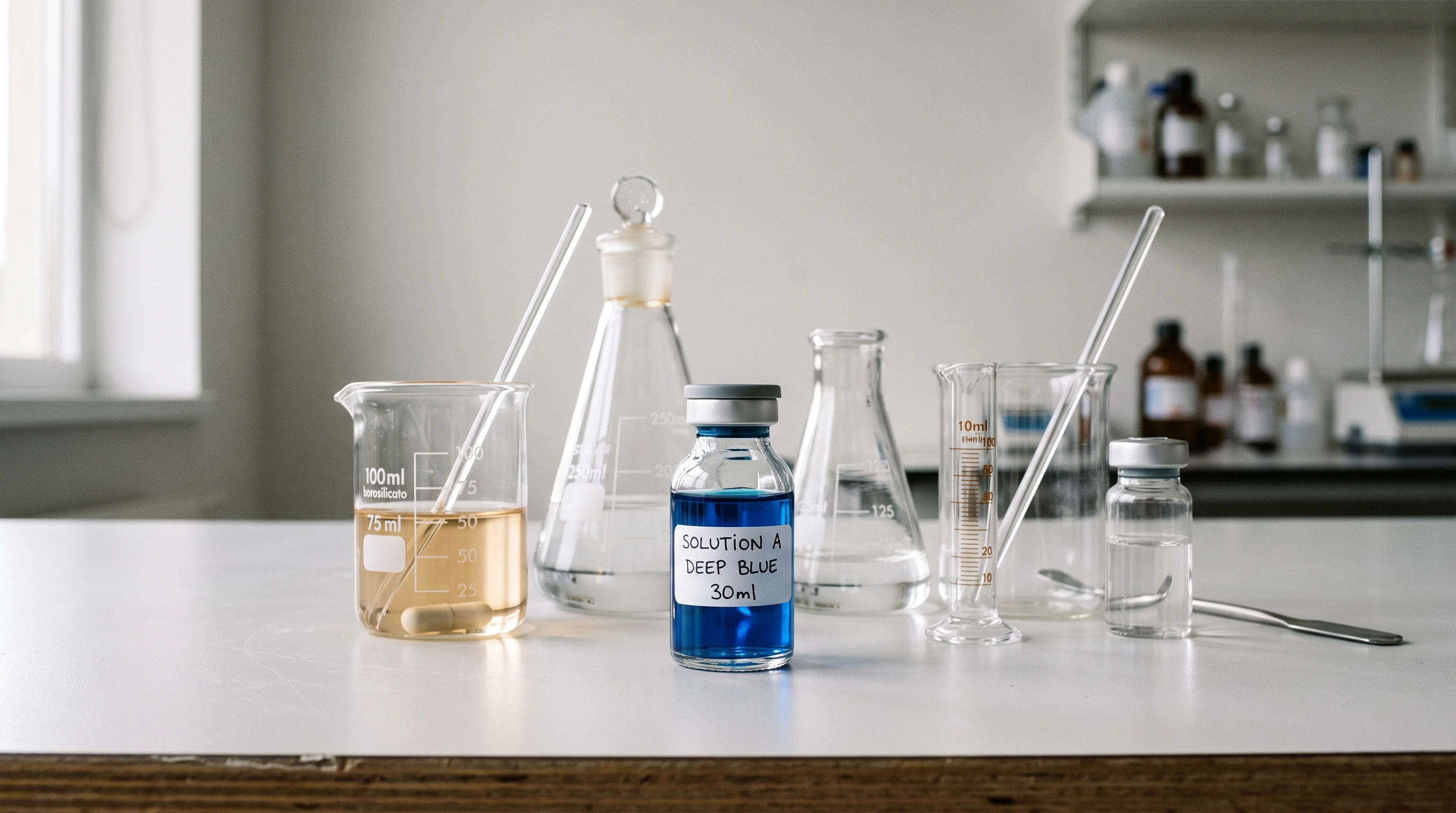
What is Methylene Blue and How Is It Used?
Methylene blue is a bright blue compound first made in the 1800s. Doctors first used it to treat malaria and some blood related conditions (like methemoglobinemia, which affects how blood carries oxygen). Over the decades, it also found a home in surgery departments and science labs as a stain to highlight cells under microscopes.
In the last twenty years, scientists have been interested in methylene blue’s effects on the brain. Some studies suggest it might impact how cells make energy and fight off stressors linked to inflammation and oxidation. Because of this, researchers started to ask whether methylene blue could help sharpen thinking or support better mood. There is also an emerging curiosity about how methylene blue may interact with other nootropics or cognitive supports, adding depth to ongoing discussions about mental health tools, both natural and synthetic.
How Science Thinks Methylene Blue Works for Mood
Most of what’s understood about methylene blue’s possible mood effects comes from its action in the brain. The main theories center on two things:
- Boosting Mitochondrial Function: Brain cells rely on mitochondria, basically, the powerhouses of the cell, to keep running smoothly. Methylene blue seems to help these little power plants run more efficiently, getting more energy to your brain cells, which might help with alertness and mood.
- Reducing Oxidative Stress: When the brain is under oxidative stress, it struggles to regulate mood and cognition. Methylene blue may lower some of that stress and inflammation, potentially supporting a more stable or even brighter mood over time.
Researchers have also looked at neurotransmitters like serotonin and dopamine, chemical messengers that play a role in mood. Animal models suggest methylene blue could impact these pathways, but there’s not enough human data yet to draw solid conclusions. Another idea being explored is whether methylene blue can influence brain connectivity and adaptability in a positive way, which could help with resilience to everyday stressors.
Known and Potential Benefits for Mood Enhancement
If you’re wondering what sort of benefits are being talked about, here’s a round up based on what’s out there in published studies, case reports, and shared experiences:
- Possible Mood Lifting Effects: Some small trials and anecdotal reports link low doses of methylene blue to an uplift in mood and energy. People sometimes report feeling lighter, more motivated, and less stuck in negative thinking. Online users sometimes refer to it as a “mental clarity booster,” although evidence remains preliminary.
- Sharpened Focus and Cognitive Clarity: There’s evidence that methylene blue can improve how quickly people process information, remember things, and pay attention. Better focus and clarity can sometimes also trickle down to improving mood, especially when brain fog is part of feeling low.
- Support During Depression: There’s some research suggesting a possible role for methylene blue in helping people with treatment-resistant depression. However, these studies are pretty limited and done on small groups, so researchers say more robust clinical evidence is needed before making any firm claims.
While these benefits sound promising, it’s good to remember that a lot of this research is still early stage. Clinical trials with large numbers of people and longer durations are still missing in the area of mood support. Some experts point out that existing studies often vary in their methodologies, making it harder to compare results directly.
Safety Considerations and Potential Side Effects
Methylene blue is generally well studied when used for its original medical purposes, but much less is known about its long term effects for mood support or cognitive performance. This makes safety one of the main things people should think about.
- Dosage is Key: The doses used for coloring samples in the lab or treating certain medical conditions are very different from the microdoses suggested for brain and mood benefits. Too much methylene blue can cause serious problems, including serotonin syndrome if mixed with antidepressants.
- Interactions with Medications: Methylene blue interacts with several medications, especially those affecting neurotransmitters (such as SSRIs or MAOIs). Anyone on regular medication should check with a doctor before considering it.
- Side Effects to Watch Out For: Some minor side effects include mild headaches, dizziness, blue urine (really), and stomach upset. High doses or overdosing can cause confusion, rapid heartbeat, or more severe reactions. It’s also important to note that methylene blue can interact with certain herbal supplements, adding an extra factor for those interested in holistic health approaches.
Always check reputable sources and talk with a qualified health professional before making any decisions about trying methylene blue, especially if you already take medication or have any health challenges. Responsible use is crucial, as experimenting without guidance could lead to unexpected and potentially harmful side effects.
Things to Think About Before Trying Methylene Blue for Mood
There’s a lot of buzz around methylene blue, but it’s not a magic solution and could come with risks you hadn’t considered. Here’s what I think is smart to think through first:
- Quality and Purity: Not all products marketed online for “nootropic” or “brain enhancing” use are high quality. Some lab grade or industrial grade methylene blue is unsafe for human use (they can contain harmful additives or heavy metals). Pharmaceutical grade is safer but harder to find and often requires a prescription in some places.
- Personal Sensitivity: Reactions can differ from person to person. Some people do fine with a tiny amount, while others get strong side effects at very low doses. Start low and slow, and always pay attention to how your body responds. Recording your experience in a gradual, organized manner can help you spot patterns early.
- Monitoring and Support: If you decide methylene blue is worth a try, working with a healthcare provider who understands its uses (and limitations) can help you track progress and spot any problems early. Some people even track changes in mood, sleep, and focus in a journal for added context.
How People Report Using It
Stories from online communities and forums show a wide range of methods. Some people dilute drops of methylene blue in water or juice, while others use capsules. Doses vary a lot, and that’s one reason clear, science backed guidance is lacking. Social platforms frequently feature different routines and “stacking” combinations, but again, scientific consensus on best practices does not exist yet.
Legal Status and Regulation
In some places, methylene blue is available over the counter, while in others, it’s classified as a prescription or research compound. Legal status can depend on the intended use, so check local rules before purchasing. Regulations also may change as new research emerges, making it worthwhile to keep an eye on updates from health authorities.
Advanced Insights and Research Developments
Interest in methylene blue for mood and cognitive support keeps rising as new studies pop up. Recent lab and animal studies are focusing on how it might help brain cells clean up damaged proteins, support neuroplasticity (the brain’s ability to adapt and grow), or even slow down the changes linked to aging. Some researchers think it may even help protect the brain in the long run, though human studies are needed to confirm that. These studies open up big questions about the future of mental health support tools, especially in how they may pair with lifestyle interventions like diet, exercise, and stress management.
Biohackers and people in longevity communities sometimes stack methylene blue with other supplements, hoping to pump up its effects. While this area is fascinating, it’s definitely experimental and not recommended without medical supervision. The sharing of “stacks”—or custom supplement blends—reflects the growing curiosity in self directed brain health, but again, the risks and long term effects are unknown.
Real World Uses and Cautious Optimism
Methylene blue isn’t just getting attention from people chasing better mood or sharper thinking. Some therapists and doctors explore its use in clinical trials for depression and cognitive decline. Research at recognized centers, like the National Institutes of Health (NIH), highlights the ongoing studies around neuroprotection and psychiatric health (source).
- Research Snapshots: Early clinical reports say that methylene blue might reduce symptoms of depression, particularly for people who haven’t gotten results from usual treatments. Some individual practitioners and wellness clinics have adopted it cautiously in protocols, but this is not yet standard practice.
- Beyond Mood: Interest has expanded to Alzheimer’s and Parkinson’s research, thanks to effects on mitochondria and cell health. Ongoing experiments may offer more concrete answers about long term brain protection in these serious conditions.
Expect to see more developments in the next few years as research grows and more people share their experiences. Following clinical trials and medical journals can help you keep up with the newest data. For those interested in testing methylene blue, consulting with a health professional who stays updated on emerging science is a wise approach.
Frequently Asked Questions About Methylene Blue and Mood
Here are answers to questions that get asked often by people exploring methylene blue for mental health:
Question: Is methylene blue approved for treating depression?
Answer: No, methylene blue isn’t approved by the FDA or any major authority for depression. Some studies are testing it for this use, but there’s no official guideline or prescription protocol for mood yet.
Question: Can methylene blue be combined with antidepressants or anxiety medication?
Answer: It’s best not to combine methylene blue with medications that affect serotonin and dopamine without checking with a healthcare provider. Some combinations can be risky or even dangerous.
Question: Are online sold methylene blue supplements safe?
Answer: Not all of them. Only products made for human consumption and tested for purity are considered safer. Industrial or aquarium use versions can be contaminated or toxic.
Final Thoughts on Methylene Blue for Mood Support
Methylene blue is a promising tool that’s getting a closer look for mood, focus, and brain support. It pairs some interesting science with personal stories, but it’s not free of side effects or risks. Careful research helps buyers make informed decisions, and working with someone who understands the science adds a layer of safety. It’s one of many tools that people are exploring for a boost in everyday mood and mental clarity, so staying up to date, playing it safe, and sharing honest experiences really matter. If you’re considering giving methylene blue a try, making your mental and physical health the top priority is always the best approach.