Cold exposure therapy keeps gaining popularity for its potential to boost mood, improve focus, and help with physical recovery. Whether you’ve noticed people mentioning ice baths on social feeds or are just curious after reading some health blogs, getting started at home is easier than you might think, especially with a little planning and the right mindset. I’m sharing how to safely experiment with cold exposure therapy from home, based on what’s worked for me and what expert advice suggests.
What is Cold Exposure Therapy?
Cold exposure therapy is a practice where you spend short periods in cold environments, typically through cold showers, ice baths, or stepping outdoors in chilly weather. People use it to support recovery after workouts, boost mental clarity, and even give their immunity a boost. It might sound intense at first, but with gradual exposure, it’s surprisingly energizing and can become a fun daily habit. Studies suggest benefits such as lowered inflammation, less muscle soreness, and uplifted mood (PubMed).
Preparing for Your First Cold Exposure Session
Jumping directly into an ice bath isn’t the best idea for beginners. It’s best to prepare your mind and body for the experience to make it less shocking and much more enjoyable. Here’s what I do to set up:
- Ask your doctor: If you have any heart, breathing, or circulation concerns, talk to your doctor first. Cold exposure isn’t a good fit for everyone.
- Pick a safe spot: Good options are your bathtub, shower, or a big container like a clean garbage bin. Ensure the area is free of trip hazards and that you can get out easily if needed.
- Choose your type: Cold showers, ice baths, or just a chilly foot soak all qualify as good starts. Most people find showers the most accessible.
- Set your boundaries: Remember, you can step out any time you feel uncomfortable. The point is to gently stretch your boundaries, never push them beyond what feels safe.
To further prepare, some people enjoy listening to calm music or a quick guided meditation before getting started—this can help shift the mindset and make the session feel less daunting.
Step-by-Step Guide To Safe Cold Exposure At Home
- Start Slow: If you’re new to this, end your normal shower with 30 seconds to a minute of cold water. Let the cold stream hit your hands, feet, and shoulders first, then gradually let it touch more of your body.
- Breathe Deep: Cold exposure often triggers gasping and muscle tension. Focusing on deep belly breathing helps calm nerves and makes each session a bit easier.
- Use a Timer: Don’t guess the time. Set a timer so you keep sessions short—1 or 2 minutes is all you need at first. If you become more experienced, you can steadily extend your sessions to 5 or 10 minutes, but no rush.
- Warm Up Gently: Afterward, dry off quickly and slip into warm, cozy clothing. Gentle movement or sipping on a hot drink is great. Avoid hot showers right away so the temperature change isn’t too extreme.
- Stay Hydrated: The initial stress can increase your body’s need for hydration. Keep some water handy and drink up after you finish.
What Gear Do You Need?
Unlike many trending wellness practices, cold exposure therapy requires very little to get started. Here’s what I recommend:
- Thermometer: Not required, but helps you see just how cold the session actually is. Cold exposure is most effective between 50°F to 59°F (10°C–15°C).
- Big Towels: Keep a couple of large towels close by to dry off fast and wrap up warm right away.
- Rubber Mats or Nonslip Rugs: Wet floors can get slippery, so mats help with safety and stable footing.
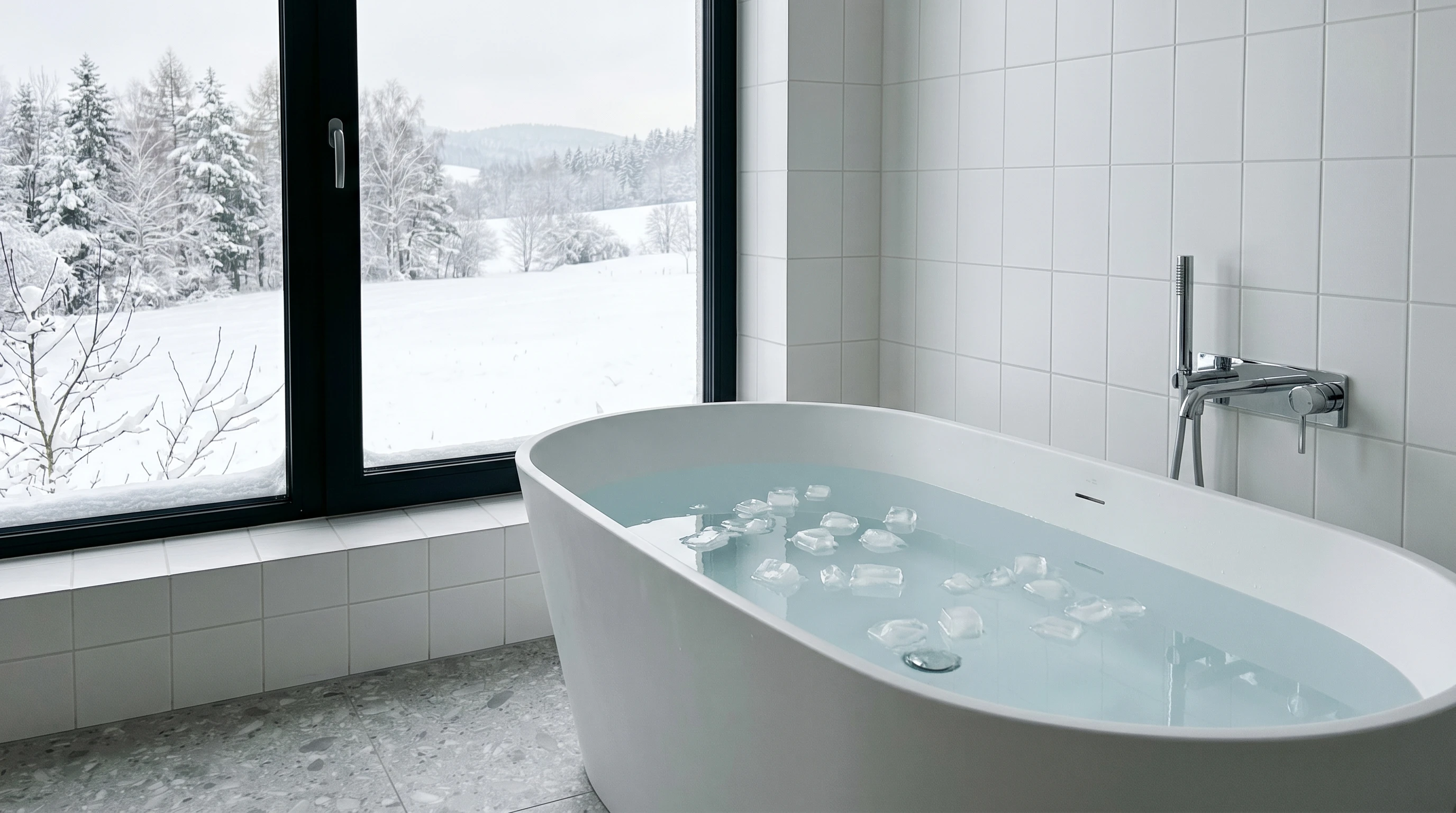
- Optional Ice Bags: If ice baths call your name, two or more big ice bags are helpful to chill the water gradually, letting you watch your body’s response as you add them.
You don’t need expensive “cold plunge” tubs or special measuring devices to start—simple tools and a careful approach work well for most people.
Tips For Making Cold Exposure More Comfortable
- Focus on Mindset: Shifting your attitude to accept discomfort, rather than fight it, makes sessions smoother. Some background music or a meditation app can help keep things relaxed.
- Wear a Hat: Outdoors or in cold rooms, keeping your head warm makes a huge difference in your comfort and lasting power.
- Have a Backup Buddy: If you’re nervous, check in with a friend by phone or keep someone in the next room to be safe.
- Track Your Progress: Recording the water temperatures and your exposure times in a notebook is motivating and makes it easier to see improvement.
To help your body adjust, consider adding some light stretching before or after cold exposure—you might notice faster comfort and improved flexibility.
Common Challenges and How To Handle Them
- Shivering: A little shivering is okay, but lots of it means it’s time to get out, warm up with gentle movement, and dress warmly.
- Numbness or Tingling: If you lose sensation or notice body parts changing color, stop and warm up quickly. Safety first always.
- Dizziness or Nausea: These signs mean you should stop immediately, find a warm place to lie down, hydrate, and take it easy until you feel better.
- Motivation Drops: When motivation lags, remind yourself how good you tend to feel afterward, and shorten sessions on off days.
Shivering and How to Recover
Shivering is your body’s natural method for generating warmth. Light shivering after a session is not dangerous, but when it becomes strong or uncontrollable, wrap up in your towels and move around gently—walking briskly or doing air squats helps bring your heat up safely. Rewarming this way avoids shock and feels better than leaping into a hot shower or bath.
When Cold Exposure Isn’t the Best Choice
Children, those who are pregnant, those with medical issues such as heart rhythm problems, Raynaud’s syndrome, severe asthma, or elderly adults should skip cold exposure unless a healthcare provider gives specific permission. If you ever feel chest pain or shortness of breath, stop the session and ask for immediate help if symptoms persist.
Extra Tips and Advanced Tactics
Once you’re comfortable with the basics, try these add-ons to amp up the benefits or keep things interesting:
- Contrast Water Therapy: Alternate between cold and warm water in your shower or bath. Two minutes in the cold, then two in warm, for two to three cycles, is plenty for a revitalizing boost.
- Breathing Practices: Box breathing (inhaling, holding, exhaling, holding, usually four counts each) or guided breathwork apps help you get centered and make the initial shock much easier to handle.
- Outdoor Cold Plunges: For the adventurous, consider a quick dip in a cold but safe natural body of water. Always go with a swim buddy or have a spotter on shore, and check local safety guidelines for currents or other risks.
Exploring cold exposure with a partner can turn it into a social, supportive habit—just be sure you both understand your comfort zones.
Common Questions About Home Cold Exposure
Can I do cold exposure every day?
Most people can safely do short cold showers or ice baths daily. Listen to your body—if you notice fatigue or staying chilled later in the day, take a break or make sessions shorter.
How cold should the water be?
Water is usually between 50°F to 59°F for therapy effects. You don’t have to rush into ice-cold plunges; just-cool water is plenty to start with.
Does cold exposure help with weight loss?
This is a popular question. While there’s some discussion around brown fat and metabolism, evidence is still early. Cold can help burn a few more calories, but a good diet and regular exercise have far greater effects on your weight.
Are there any risks with home cold exposure?
Yes, mainly the risk of slipping, shocking your system, or staying in too long. Short sessions, using nonslip mats, and always stopping immediately if discomfort or pain happens keeps things quite safe for most healthy people.
Bottom Line: Cold Practice as a Daily Wellbeing Habit
Giving cold exposure a try at home is all about taking it slow, being kind to your body, and making sure you have a warm-up plan for after each session. You might find, as I have, that the sense of accomplishment and the energy boost make it well worth doing. It gives your daily routine some next-level cool and a little excitement. Try it for a couple of weeks, keep your safety the priority, and see for yourself if this trending wellness routine is for you.