
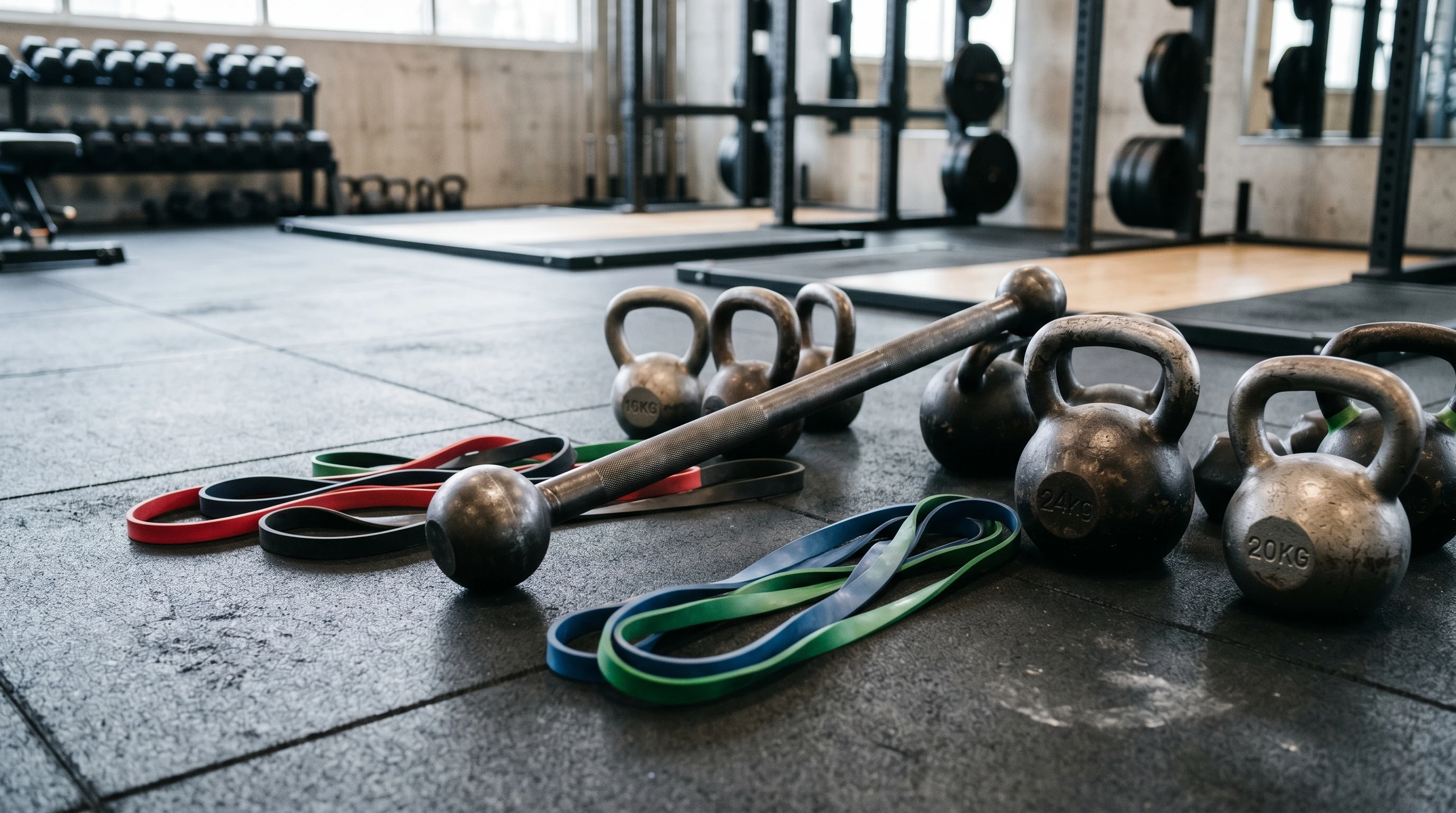
Mace training is gaining a lot of traction with physical therapists and fitness enthusiasts looking for fresh approaches to injury prevention and rehab. A steel mace might look pretty simple—just a long handle with a heavy ball at the end—but that simplicity is what makes it super useful for building stability, mobility, and functional strength. My own introduction to mace training was after dealing with recurring shoulder pain from traditional weightlifting. After a few months experimenting with various movements and talking to therapists, I found out how mace work can be both a game-changer for rehab and a solid way to lower your risk for future injuries.
What Makes Mace Training Work for Rehab and Injury Prevention?
Traditional weightlifting usually focuses on pressing, pulling, or squatting with basic, symmetrical movements. Mace training takes that up a notch by challenging you to control an uneven load—a weight that’s mostly at the end of a long lever. This setup trains your stabilizer muscles, helps correct imbalances, and boosts joint mobility.
I’ve noticed a big difference in my own workouts. Shoulder rotations, for example, with a mace not only strengthen the rotator cuff but also engage those tiny support muscles throughout the shoulder and upper back that often get ignored. This is super important for anyone coming back from injury or trying to stay flexible and strong during everyday activities. Plus, mixing in mace moves can simply break up the monotony if you’re feeling bored with the usual exercises.
The roots of mace training go all the way back to ancient Persia and India, where wrestlers used wooden and stone gada maces to improve their grip, build strong shoulders, and prep for battle or sport. These days, mostly steel maces are used in gyms, but the principles are still the same: stability, control, and dynamic movement. Some gyms are even starting to provide introductory classes in mace training, showing that this age-old tool is finding new life in modern fitness circles.
How to Get Started with Mace Training for Rehab
If you’re brand new to the mace, starting slow and focusing on good technique is really important. Don’t grab the heaviest one you can find—even a 7-pound mace feels challenging at first. Here’s how I usually ease people in:
- Choose a Lighter Mace: Start with 7-10 pounds so you can master the control and proper form without overloading your joints.
- Focus on Simple Movements: Stick to basic swings, presses, and rotations. Get used to how the mace feels as the weight wants to pull away from your center.
- Warm Up Fully: Good mobility work for your wrists, shoulders, and core before picking up the mace reduces tension and risk of aggravating old injuries.
Understanding some basic terms helps too:
- Offset Load: The mace places weight at the end of a lever, which forces your supporting muscles to stabilize throughout the movement.
- Shoulder Capsule: The group of ligaments and tissue around the shoulder joint—mace training helps keep this area healthy and mobile.
- Dynamic Control: Your muscles need to adjust as the mace shifts, which mimics real-life pushing, pulling, or carrying more than bilateral (symmetrical) weight training.
Step-By-Step: Building a Simple Mace Rehab Routine
Here’s my go-to starter sequence for using the mace in a rehab and prehab setting. Even if you don’t have injuries, adding these will help with stability and balance:
- Shoulder 360s: This is a classic mace move. Hold the mace with your hands near the end of the handle, and slowly circle it behind your head and around your shoulders. Go slow and focus on range of motion, not speed.
- Offset Presses: Standing tall, grip the mace near the end with weight on one side. Press it overhead, keeping your body stable, and switch sides each set. This helps balance strength and coordination between both shoulders.
- Lateral Swings: Swing the mace back and forth across your body at about hip height. Keep your core braced to limit unwanted twisting and protect your spine.
- Kneeling Halo: Get on both knees, grip the mace, and circle it slowly around your head. The kneeling position makes sure you’re using your core and shoulders, not relying on your hips for momentum.
- Single Arm Rows (Offset): Place the heavy end on the floor, grab the thin end, and row upward. The offset makes stabilizer muscles work harder than with a regular dumbbell.
Each movement should be controlled, pain-free, and focused on stability. You can cycle through 2-3 sets of 8-10 reps for each motion. If you feel any pain, swap it out for a less challenging move or shorten the range of motion. This helps build confidence and a foundation for harder exercises down the line. As you feel more comfortable, you might want to experiment with a few new moves, but always keep the focus on quality over quantity.
What to Watch Out for During Mace Rehab Training
Like with any rehab or prehab program, it’s important to pay close attention to your body’s feedback. Mace training is super versatile, but here are some things I watch for:
- Grip Fatigue: The odd shape can wear out your hands and forearms pretty quickly. Take breaks or switch to two-handed moves if you start to lose your grip.
- Shoulder Tightness: If you feel pinching or unusual discomfort, back off. Sometimes, shoulder impingement can get aggravated with certain rotations.
- Balance Loss: The shifting weight sometimes challenges your balance, especially on single-leg or kneeling exercises. Do these close to a wall or support for safety.
Progression and Adjustments
Progress in rehab is all about small steps. Increase the challenge by adding repetitions, slowing down each rep, or moving your grip closer toward the mace head. This makes the offset even more pronounced and your muscles and joints adapt. Over time, you’ll find your coordination and functional strength are noticeably better not just in the gym, but in daily life as well.
If you’re returning from a recent injury, checking in with a physical therapist who understands unconventional tools like maces is a solid idea. They can tweak movements for your body and help you avoid re-injury.
Common Issues and How to Solve Them
- Limited Range of Motion: Stick with partial 360s or smaller swings until you build up more flexibility. Even small movements make a big impact over time.
- Wrist or Elbow Pain: Check your grip—line up your wrists with your forearm, and make sure not to overgrip the mace.
- Lack of Core Engagement: It’s easy to arch your back and lose good posture during tough sets. Actively brace your abs before each rep.
Why Physical Therapists and Coaches Use Mace in Rehab
Mace training is popular among rehab pros because it offers dynamic movement and core stability. For example, working with a physical therapist after a rotator cuff injury, I learned to use 360s and offset presses to gently restore shoulder function without unnecessary strain. This was much safer than jumping into overhead presses with dumbbells, which always put my shoulder at risk of too much pressure.
Some therapists use the mace to check for movement imbalances. Since the load wants to pull you off track, it’s easy to spot compensations or weaknesses, making it simpler to identify problem areas and fix them early. It’s also a low-impact tool—easy on the joints, especially compared to fast-paced kettlebell or barbell work. Think of it as a safer alternative that can still give your whole body a solid workout, even when you’re in the recovery phase.
Frequently Asked Questions
Here are some things I get asked about all the time:
Question: Is mace training good for beginners in rehab?
Answer: Absolutely, as long as you start light and keep the movements basic. Focus on control and range of motion before increasing weight or speed. Check with your therapist first, especially after surgery or a major injury.
Question: How do I pick the right mace weight?
Answer: Go lighter than you think—usually 7 to 10 pounds is all you need for rehab work. The longer handle and offset head make it feel much heavier than a dumbbell.
Question: Can I use the mace if I have chronic shoulder or back pain?
Answer: Many people find pain relief through controlled movement and stability work with a mace, but it’s important to avoid anything that makes the pain worse. Team up with a professional for guidance.
Using Mace Training Beyond Injury Rehab
After you build a base with rehab and injury prevention, there’s plenty of room for mace training in everyday fitness. I keep it in my routine for conditioning, fullbody strength, and mobility. It also fits right into warmups for other sports or lifting. If you’re into functional fitness, yoga, or martial arts, mace moves are worth checking out; they support joint health, coordination, and injury resilience. Many people even enjoy mace training as a way to try something new when their old workouts start to feel stale.
Take your time with the learning process and focus on quality over quantity. Mace training works for all ages and levels, and it’s a great way to add some variety and joint health to your workout routine. It works well alongside other forms of fitness, making sure your progress doesn’t hit a wall.
Keeping movement fun, challenging, and safe goes a long way in keeping you pain-free and ready for more action, whether you’re getting over a tweak or just looking to keep your body in top shape. If you’re still not sure, jump into a class or ask a coach for tips. The steel mace might be the unique tool you need to set your progress in motion and stay strong for the long haul.