If you’ve been hitting the kettlebells for a while and want to take things up a notch, advanced kettlebell workouts can be a great way to push your strength and challenge your limits. I’ve learned over time that kettlebells aren’t just about swinging or basic moves. They offer a level of versatility that really keeps things interesting. This article breaks down advanced training ideas, the skills needed, and practical advice to help you safely progress.
What Can Advanced Kettlebell Workouts Offer?
Kettlebells have a special place in the strength training world, not just because they look cool on the rack. As you move past basic squats and swings, you unlock a whole collection of movements that build major power, boost coordination, and seriously test endurance.
Jumping into advanced routines feels really rewarding. You’ll build grip strength, core control, and explosive power at the same time. Professional athletes, fighters, and trainers often use these kettlebell variations to get functional strength that actually helps outside the gym. Plus, you won’t get bored. There’s always a move you can tweak or a load you can bump up, making each workout unique and refreshing.
Going further, advanced kettlebell training can improve your mental focus. Learning new skills and perfecting more complex combinations keeps both your body and mind in the game. As you push yourself physically, you’ll notice that your coordination and agility for sports or daily life tasks get a boost as well.
Essential Skills Before Leveling Up
Advanced kettlebell training isn’t just about hefting a heavier bell. There are a few key skills worth locking down first. If any of these still feel shaky, it’s worth going back to basics for a bit longer:
- Stable Hinge and Squat: Your hip hinge and squat form should be rock solid, since nearly every advanced move builds on these foundations.
- Turkish Getup Mastery: This move is a true test of allround strength and coordination. If you can smoothly work through a getup with good control, you’re probably ready for more challenges.
- Strong Overhead Control: Overhead presses and carries with a kettlebell demand shoulder stability and core strength. Make sure you can keep a bell locked above your head without arching your back or wobbling.
- Clean and Snatch Technique: Advanced flows often link cleans and snatches. If these still bang your wrists or feel rough, practice until you can move fluidly.
Mastering these fundamentals is crucial for injury prevention and for building a solid base that withstands high training volumes. When you feel confident with these movements, you’ll find it easier to add new drills or increase the workout intensity. Remember, a strong foundation makes advanced training safer and more effective.
Types of Advanced Kettlebell Workouts
There’s a huge variety in advanced routines, and you can get really creative once you’re confident. Here are some kettlebell workout types I like for pushing strength and skills:
- Complexes: Chaining multiple exercises together without putting the bell down. They push endurance and make the heart race. For example: clean, squat, press, snatch, and repeat.
- Double Kettlebell Work: Lifting two bells at once doubles the challenge for core, grip, and balance. Moves like double front squats or double swings feel way different than with only one bell.
- Explosive Power Moves: Exercises like kettlebell snatches, jerks, and swings with high force train serious hip drive and fast-twitch muscle action.
- Unilateral Flows: Working one side at a time with moves like singlearm snatches, windmills, and offset carries. Great for evening out imbalances.
Another option is to mix in isometric holds, such as kettlebell bottoms-up presses or overhead lunges. These drills test shoulder stability to the max and challenge your grip endurance in new ways. Experiment with tempo changes, pausing at the toughest portion of a lift, or slowing down the eccentric (lowering) phase for extra muscle fatigue.
Planning an Advanced Kettlebell Routine
Designing a workout plan helps you get the most out of advanced kettlebell moves. I usually keep these points in mind:
- Warm Up Smart: Since these workouts hit a lot of muscle groups, start with dynamic stretching, shoulder circles, and a few minutes of light kettlebell swings.
- Skill First, Then Load: Start new movements using a lighter bell. Once you nail the form and feel confident, add weight or reps.
- Mix Strength and Conditioning: Combining power moves (like snatches) with strength holds (like Turkish getups) gives you a balanced routine. I often alternate heavy days with flowstyle or lighter highrep days to let my joints recover.
- Rest and Recovery: Going heavy on kettlebell lifts is tough on your grip and shoulders. Programming rest days or light active recovery days is pretty important for steady gains.
- Track Progress: Advanced moves can be sneaky with fatigue. Logging your sets, reps, and perceived effort makes it easier to spot improvement or signs of overtraining.
It’s also smart to regularly switch up your movements. Use technical days for practicing skills and lighter flows, and then test your strength with some max load or high intensity complexes once a week. This keeps your training well-rounded and motivates you to hit new milestones.
Sample Advanced Kettlebell Workout Ideas
Here are a few workout templates I’ve found really effective for advanced kettlebell training. Adjust weights or reps based on your experience and goals. Remember, customizing these routines to suit your own level and recovery needs is key.
1. Double Kettlebell Complex
- 5 Double Kettlebell Cleans
- 5 Double Kettlebell Front Squats
- 5 Double Kettlebell Presses
- 5 Double Kettlebell Snatches
Repeat for 3-5 rounds, resting two minutes between rounds. Try not to set the bells down during each round for a real grip and conditioning challenge.
2. Singlearm Flow
- 6 Singlearm Snatches
- 6 Singlearm Overhead Squats
- 10 Singlearm Swings
- 6 Singlearm Clean and Press
Complete all reps with the right arm, then repeat on the left. Try 4 rounds total with one minute rest.
3. Explosive Power Circuit
- 10 Kettlebell Swings (heavy)
- 8 Kettlebell Clean and Jerks per arm
- 6 Kettlebell Snatches per arm
- Farmer’s Carry (as heavy as possible for 40 meters)
Take 90 seconds rest between rounds and aim for 3-4 rounds.
As you become more advanced, you might also want to add time-based challenges, such as completing as many reps as possible within a set interval or performing EMOM (every minute on the minute) circuits. These variations really demand focus and drive up your heart rate for extra conditioning benefits.
Challenges and Safety Tips With Advanced Training
Pushing into new movements can sometimes lead to overuse injuries or bad form if you’re not careful. Here are some hazards I watch out for:
- Fatigue and Form: When I’m tired, my hinge can get sloppy, so I keep a close eye and take breaks before things get ugly.
- Wrist, Shoulder, and Lower Back Strain: These areas tend to take the brunt if form slips. Starting with lighter bells and building stability makes a big difference.
- Grip Burnout: Double bell work in particular can really tire the forearms. Mixing in some gripspecific rest days or using chalk helps.
I always recommend a few pointers to make advanced kettlebell work safer and more effective:
- Focus on smooth, controlled reps instead of rushing.
- Film your sets every now and then to spot technique issues.
- Don’t ignore nagging aches. Rest or scale back if anything feels off.
- Ask a certified coach for feedback if you want a second opinion or get stuck on a move.
- Use proper footwear to maintain stability, especially during heavy lifts or dynamic movements.
Staying sharp while you train, taking breaks when needed, and listening to your body are key habits for anyone looking to push training to the next level. Safety should always be a top priority, no matter how experienced you are.
Cool Kettlebell Features and How They Help
One of the reasons kettlebell training gets so much attention is the unique shape and grip. A few practical things that make kettlebells super useful in advanced workouts include:
- Offset Center of Mass: Unlike barbells or dumbbells, kettlebells have their weight distributed away from the handle, which challenges your stabilizer muscles during snatches, presses, and carries.
- Thick Handles: The thicker grip makes you use more forearm muscle, helping with overall grip and wrist strength for other lifting and everyday tasks.
- Versatility for Flows: You can easily transition between moves (like clean, press, squat) just by changing your grip or angle, which keeps workouts dynamic and functional.
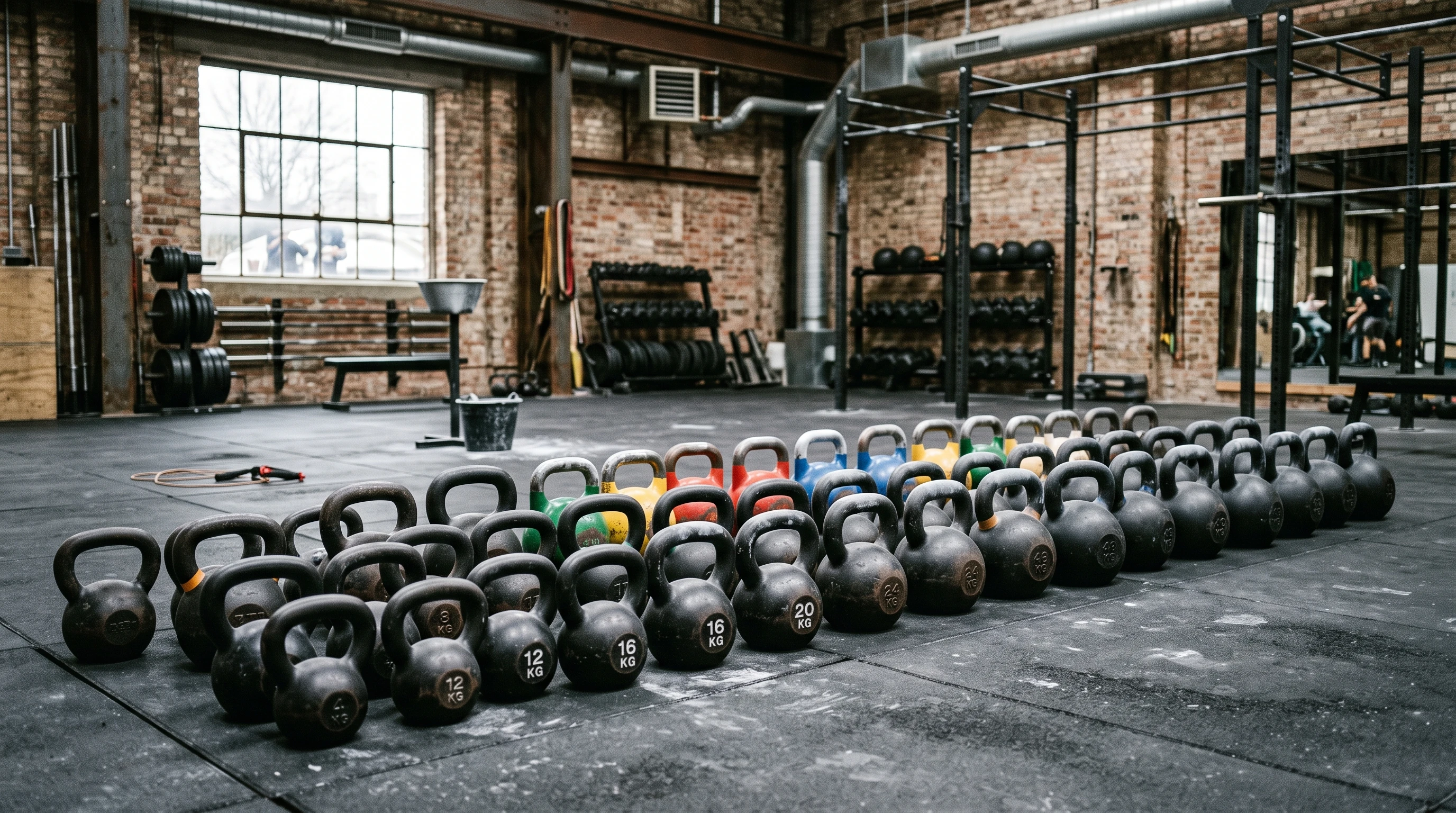
Another plus is that kettlebells take up very little space compared to barbells or exercise machines, which makes them perfect if you work out at home. Also, the variety of sizes and weights means you can steadily challenge yourself for years to come.
Frequently Asked Questions
People often have a handful of questions when moving into advanced kettlebell work, so I’ll answer some that come up a lot:
Question: How do I pick the right weight for advanced kettlebell exercises?
Answer: I usually recommend starting at a weight you can control for complex moves. Typically around 16-24kg for men and 8-16kg for women, depending on experience. As your form gets better, add weight slowly. Always pick form over ego.
Question: Are there specific kettlebell brands you trust for advanced training?
Answer: I’ve had good luck with competitionstyle kettlebells (like Rogue or Kettlebell Kings), since they have a consistent size across weights and durable coating.
Question: How many times a week should I train with kettlebells?
Answer: Three to five sessions a week feels about right if you’re spreading out heavy and light days and paying attention to recovery.
Question: Can advanced kettlebell workouts help with fat loss?
Answer: Absolutely; they’re fastpaced, use multiple muscle groups, and get the heart rate up. Combine with a balanced diet and you’ll see changes.
Question: What are some signs I should take a break from advanced training?
Answer: Watch for excessive soreness lasting more than three days, trouble sleeping, a dip in performance, or recurring pain in joints or tendons. These are clues your body needs some time off or lighter training for a bit.
Getting the Best Results With Advanced Kettlebell Training
Challenging yourself with advanced kettlebell routines can break through plateaus and keep strength training fresh. With good technique, smart planning, and a healthy respect for recovery, these moves build muscle, coordination, and overall power without a ton of fancy equipment. If you’re ready for the challenge, kettlebell training is definitely worth sticking with. There’s always another new skill to learn, so keep exploring new movements and stay enthusiastic about stepping up your performance every session.