If you’re dealing with joint pain, recovering from an injury, or you just want to be a bit kinder to your body, low impact indoor workout routines are a pretty smart way to keep fit. These routines put less stress on your joints, so there’s less risk of injury or flaring up old aches. I’ll walk you through how low impact workouts can help you stay active, even when running or jumping feels out of the question.
Why Low Impact Indoor Workouts Work for Joint-Friendly Fitness
Low impact workouts give your joints a break from the relentless pounding they usually get from high intensity activities. Unlike routines that involve a lot of jumping or twisting, these workouts focus on smooth, controlled movements. This approach is really helpful for people with arthritis, recovering athletes, or anyone looking to avoid wear and tear.
The Centers for Disease Control and Prevention (CDC) suggests low impact activities as a practical choice for those with chronic joint issues. What I like most about these workouts is their accessibility; you don’t need a gym membership or fancy machines. A bit of living room space and some everyday equipment, like resistance bands or light dumbbells, are usually enough to get started.
Fun Fact: Studies show that regular low impact exercise can even improve joint function and decrease pain for people with osteoarthritis (CDC: Physical Activity for Arthritis).
Getting Started with Low Impact Indoor Workouts
Jumping right into exercise isn’t always ideal, especially when you’re new or dealing with stiff joints. I always recommend starting slow and keeping things easy on the body. Having a solid warmup can make a huge difference in how your joints feel during and after your workout.
Here are a few warmup ideas I find helpful:
- Gentle Marching: March in place for three to five minutes to get your blood flowing.
- Arm Circles: Roll your shoulders and arms in slow, gentle circles.
- Ankle Rolls: Stand or sit and rotate your ankles to ease up tension in your lower body.
Once your body feels ready, you can ease into the main workout. Remember, the goal is steady movement that feels smooth and comfortable, not forced or rushed.
Low Impact Indoor Workout Routines to Try at Home
You can build a whole routine out of low impact moves, mixing in exercises for strength, flexibility, cardio, and even balance. Here are a few routines I’ve had good results with, and they’re super easy to adapt based on your current fitness level or joint situation.
1. Bodyweight Circuit for Everyday Strength
This sequence is all about using your own bodyweight, which limits joint load but still builds muscle and boosts your heart rate. I usually do 10-15 reps of each move and repeat the set two or three times:
- Squats to a Chair: Sit back and rise up, keeping weight in your heels for knee comfort.
- Wall Pushups: Stand arms’ length from a wall. Lower your chest toward the wall, then push away. There’s no need to get on the floor.
- Standing Knee Lifts: Lift one knee toward your chest, then switch sides for a light core and hip workout.
- Seated Calf Raises: While seated, press through the balls of your feet and raise your heels.
2. Indoor Cardio That’s Easy on the Joints
Cardio workouts don’t have to mean burpees or high knees. I’ve found these moves to be surprisingly effective for cardio, and they’re gentle on my joints:
- Low Impact Step Touch: Step side to side, tapping your foot and swinging your arms lightly.
- Marching in Place: Bring those knees up comfortably, and add arm swings to bump up your heart rate.
- Boxer Shuffle: Shift your weight from foot to foot while barely lifting your feet off the ground.
If you want to make it a bit more challenging, try doing each move for 45 seconds, then give yourself 15 seconds to rest between moves.
3. Flexibility and Mobility Flow
Stretching isn’t just for cooling down. Regular mobility work can help ease joint stiffness and keep your body limber. I tend to use this flow at the end of my routine:
- Gentle Cat-Cow Stretch: On hands and knees, arch your back toward the ceiling, then drop your belly and look forward. This move keeps your spine happy.
- Standing Side Stretch: Reach one arm overhead and lean to the opposite side. You’ll feel this in your sides and lower back.
- Ankle and Wrist Pumps: Move your ankles and wrists up and down in a pumping motion for circulation.
- Supine Knee Hugs: Lying on your back, hug your knees to your chest for a gentle lower body stretch.
Consider adding yoga-inspired stretches, like Child’s Pose or Downward Dog, to blend more flexibility into your routine. Even slow, controlled breathing during stretches helps with relaxation and joint ease.
Things to Consider Before Starting Low Impact Routines
Low impact doesn’t always mean “no risk.” A few things I like to keep in mind before starting or recommending any routine:
- Listen to Your Body: If something feels off, backing off right away helps avoid more trouble down the line.
- Choose Supportive Footwear: Even indoors, shoes with good arch support can make a world of difference for your knees and hips.
- Pace Yourself: Shorter workouts are fine. Consistency wins out over intensity when you’re taking it easy on the joints.
- Surface Matters: If you have the option, use a padded mat or work out on carpet to cushion your movements.
Common Challenges and Solutions
I’ve run into and heard about a few common hiccups with these workouts, and I’ve found some super practical ways to work past them:
- Staying Motivated Indoors: Trying out new exercises, listening to music, or following along with a workout video can keep boredom at bay.
- Limited Space: Many of these routines are totally doable in bedrooms or even in hotel rooms, so don’t stress about square footage.
- Plateaus: Mix up your routine every couple of weeks. Swap in resistance bands, light weights, or add balance moves for a new challenge.
Advanced Tips for Safe and Fun Low Impact Workouts
It doesn’t matter if you’re new or have been doing these routines for years; there’s always a way to take things up a notch or make them safer.
Try Interval Training: Alternate periods of faster, controlled movement with gentle recovery. This style can get your heart rate up without joint strain.
Use Props: A resistance band, chair, or yoga block can help with both support and increasing intensity in a jointfriendly way.
Add Balance Drills: Single leg stands or reaching exercises not only improve stability but keep the routine interesting.
Track Your Progress: Keeping a log or using a fitness tracker helps you see growth and stick with the habit. Plus, it’s always nice to look back at how far you’ve come.
For those seeking even more variety, consider working short Pilates routines into your weekly schedule or experimenting with aquatic low impact workouts, if you have access to a pool. These types of activities are naturally gentle on the joints and offer another way to stay active indoors or in community centers.
Best Equipment and Resources for Low Impact Exercise at Home
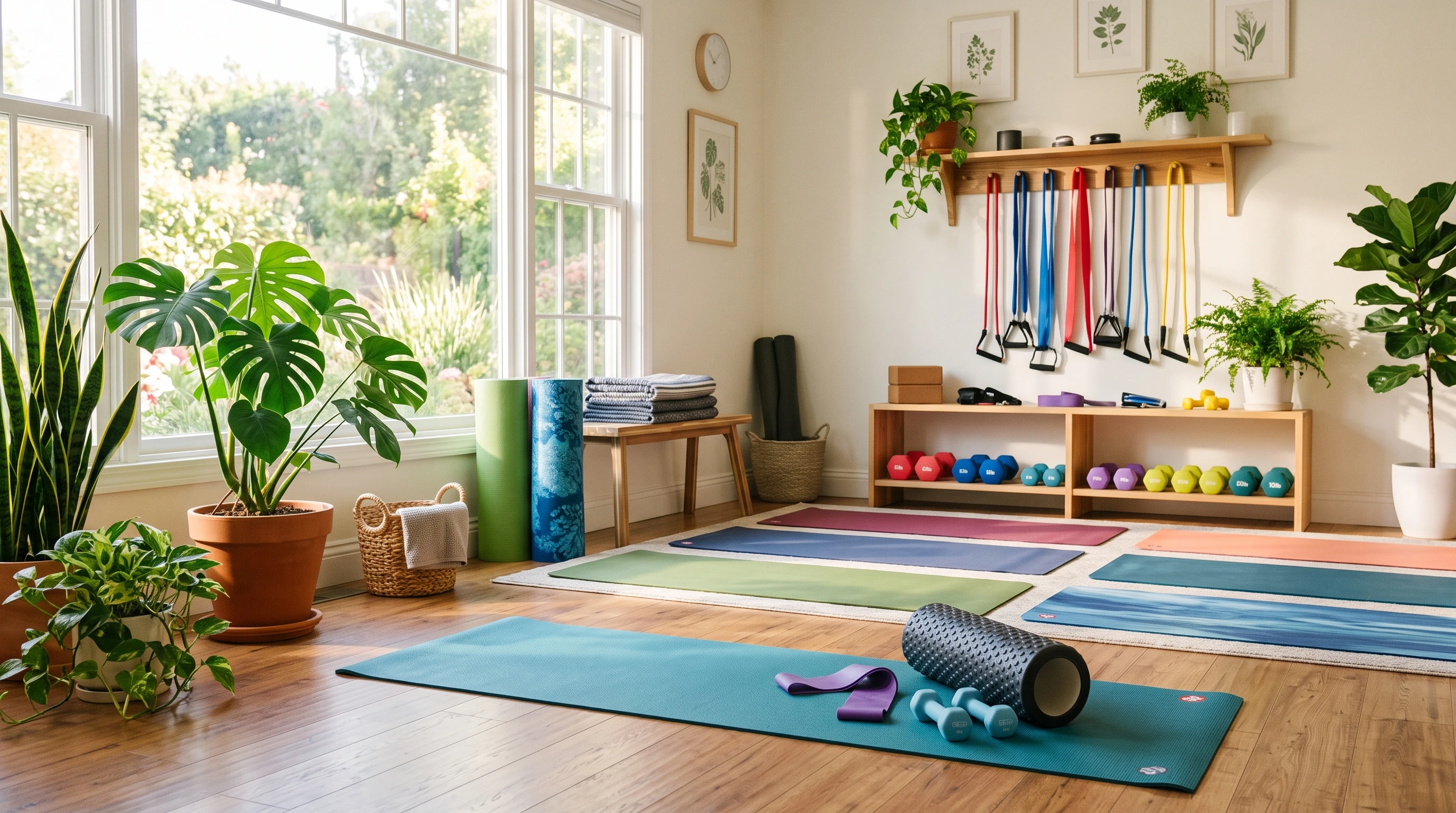
Having a few useful props on hand can turn any room into a mini workout space. My go-to equipment list includes:
- Resistance Bands: Versatile and great for both upper and lower body moves.
- Foam Roller: Awesome for postworkout muscle release.
- Light Dumbbells: Adds a bit of challenge to arm workouts.
- Yoga or Floor Mat: Gives you a safe, cushioned area for stretching and floor work.
There are some great online platforms that offer specific jointfriendly workout videos. I’ve gotten a lot of value from SilverSneakers and the Arthritis Foundation for beginner flows and inspiration, even for younger folks or those without a chronic condition.
You might also check out YouTube channels that focus on gentle fitness, which often feature short, easy-to-follow routines. Plus, local physical therapists sometimes host online classes tailored to folks with joint pain or mobility issues.
Frequently Asked Questions About Low Impact Workouts
These are some of the questions I get a lot from friends and readers just starting with this style of exercise.
Question: Can low impact workouts help with weight loss?
Answer: Yes, staying active with these routines helps burn calories and keeps your metabolism up. Pairing with a balanced diet will help even more.
Question: Are there low impact workouts that build muscle?
Answer: Absolutely. Bodyweight moves and resistance band exercises can build muscle strength without stressing your joints.
Question: How often should I do low impact exercise?
Answer: The CDC suggests aiming for around 150 minutes of moderate movement per week. You can start with three sessions, then add more as your comfort grows.
Staying Active Without Hurting Your Joints
Keeping up a fitness routine that doesn’t trigger joint pain is totally doable. By focusing on low impact indoor routines, you get all the perks of regular exercise, like stronger muscles, better mood, and higher energy, with way less risk of injury or discomfort. These routines are simple, adaptable, and can fit almost any lifestyle without needing a fancy setup. Give these moves a try, stay consistent, and you’ll likely spot positive changes in both how you feel and move each day.