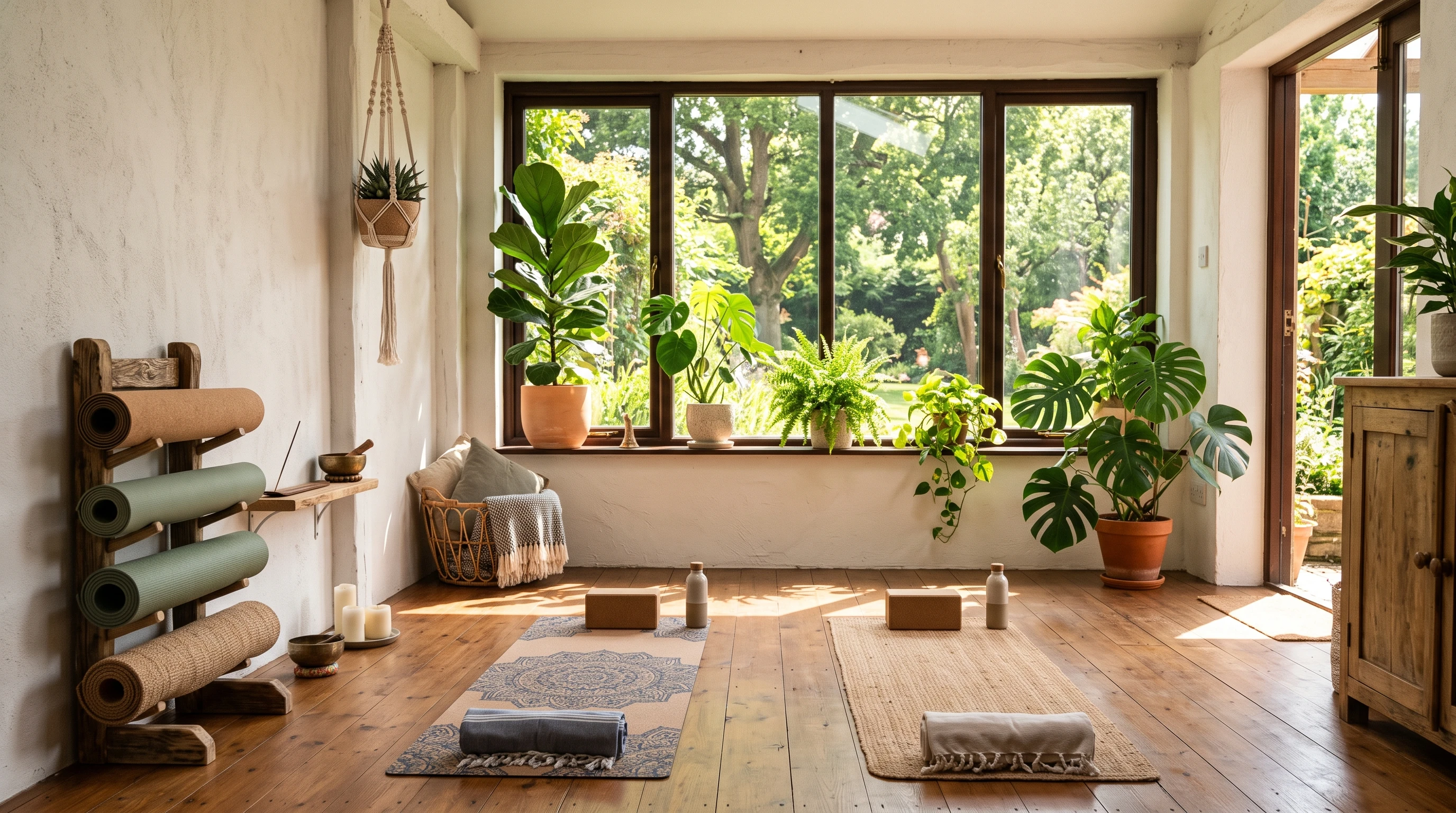
Indoor yoga routines can work wonders for both the mind and body. With our busy lives, carving out time and space for yoga at home can lead to big changes. More flexibility, less stress, and a stronger connection to yourself can all happen in your own living space. I’ve tried all sorts of routines and setups, and I’m excited to share some practical tips that will help you get the most out of your indoor yoga practice, whether you’re completely new or looking to refresh your flow.
Why Indoor Yoga Is Really Worth Trying
Practicing yoga indoors is one of the most convenient ways to bring movement and mindfulness into your routine. You don’t need tons of space or fancy equipment; just enough room for a mat and a comfortable spot to stretch out works fine. Research shows that even short yoga sessions at home help lower anxiety, improve focus, and ease physical aches from everyday stress. Plus, you get to pick the vibe, lighting, and music, making each practice feel personal.
Indoor yoga has deep roots. It’s built on old traditions, but fits beautifully into modern life, especially when getting to the studio just isn’t doable. Yoga’s popularity has grown fast, and many people have made home practice part of their wellness toolkit. Following along with streaming classes or fitness apps gives you plenty of structure and options for guidance, even if you can’t make it to a class in person.
Adapting yoga for indoor spaces means you can personalize your practice easily. Whether you use a corner of the living room, a spot in the bedroom, or an office break room, inside you control your environment, which helps you focus and relax without distraction. Over time, creating your own calming space often leads to a regular practice—something that’s hard to get from a less personal gym or shared studio.
Setting Up the Perfect Space for Indoor Yoga
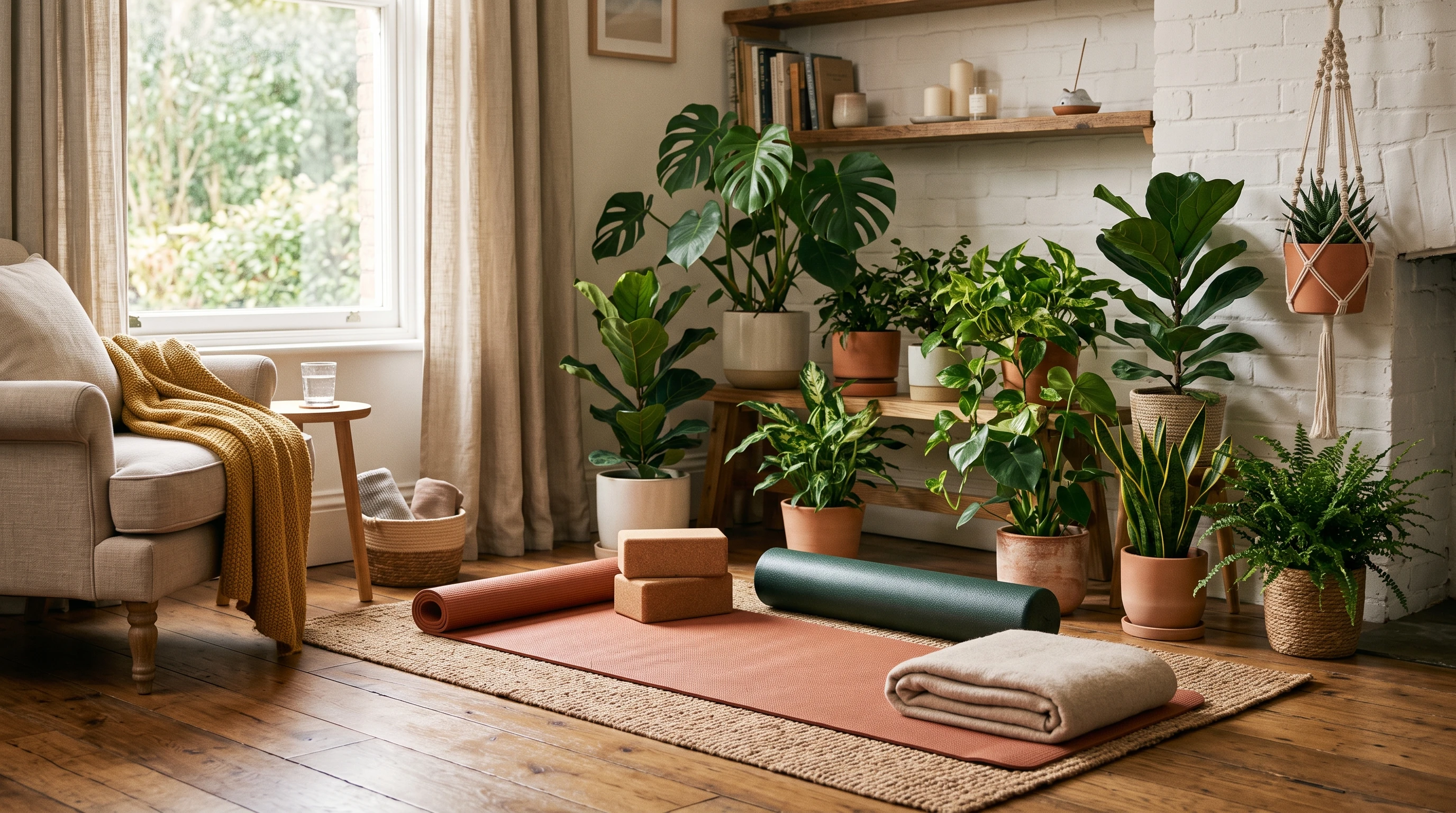
Having a comfortable setup makes a big difference in how motivated you feel to roll out your mat. There’s no need to change your whole house. Just find a small area that feels calm and clutter free. Natural light, if you can get it, sets a gentle mood. Add some plants or a favorite candle for a cozy touch to make the space even more inviting.
It’s smart to keep your yoga gear handy so there’s as little friction as possible before you start. Your setup doesn’t have to be fancy. A basic mat, maybe a block or strap, and a towel are usually enough for most routines. Storing your gear in a basket or under the couch means you won’t waste time searching for it before every practice. You can even add items over time—like a bolster, extra blanket, or a music speaker for soft background sound.
- Yoga Mat: Offers grip and supports your joints during standing and floor poses.
- Blocks/Straps: Make poses more comfortable and accessible, especially for beginners or people working on flexibility.
- Blanket or Towel: Helps cushion knees or support deeper relaxation during cool downs.
- Speaker: Optional, but having calming music or gentle nature sounds sometimes helps set the scene.
A few small decorations can also transform your practice space. Consider a small statue or meaningful artwork that reminds you of your intentions. If you want to spruce up your mood, soft lighting, fairy lights, or even an essential oil diffuser can create a welcoming atmosphere for your yoga adventure.
Getting Started with Indoor Yoga Routines
Everyone practices yoga for different reasons. Some want better flexibility, others look for stress relief, and plenty just crave a break from constant screen use or desk work. It helps to know what your goal is so you can pick a routine that fits your needs, your energy, and your schedule.
- Gentle Yoga: If you’re winding down at the end of the day, choose slow stretches and focused breathing.
- Energizing Flow: Mornings or mid-day breaks might be better with faster routines, like sun salutations or standing poses to wake up your body.
- Strength and Balance: Adding some standing balances, planks, or lunges gives you stability and power.
- Restorative: For deep relaxation and better sleep, supported poses and longer holds calm your mind before bed.
Start simple and build up. Try a 15 minute routine with poses you’re comfortable with. It’s more sustainable than pushing too hard at once, and it helps you create a habit that’s easy to stick with. As you grow confident, you might try longer classes, experiment with more advanced poses, or blend different styles for some variety.
Easy Indoor Yoga Routine for Mind and Body
Here’s a basic routine I use when I want a balanced session for both mind and body. You’ll only need a mat, and everything else is optional. Each pose can be held for about 5 to 10 breaths, moving slowly and focusing on your breathing. Try adding gentle background music for relaxation, or open a window for fresh air if the weather’s nice.
- Seated Breathing (Sukhasana): Sit comfortably, rest your hands on your knees, and close your eyes. Take deep breaths, letting your shoulders and jaw relax.
- Cat Cow Stretches: Get onto hands and knees. Alternate arching your back up (cat) and dipping it low (cow) to warm up your spine.
- Downward Dog: Tuck your toes under and press your hips up and back. Pedal your heels to stretch your legs.
- Standing Forward Fold: Walk feet forward and hang in a gentle fold, letting your head and neck relax.
- Warrior II: Step one foot back, bend your front knee, and reach arms out. Hold, then switch sides.
- Tree Pose: Stand and shift weight onto one foot. Place the other foot on your inner thigh or calf, and balance. Repeat on both sides for balance and focus.
- Seated Forward Fold: Sit and reach for your feet, keeping your spine long and shoulders relaxed.
- Supine Twist: Lie down, hug your knees in, and let them fall to one side, arms stretched wide. Repeat on both sides for a gentle back release.
- Savasana (Relaxation): Stretch out on your back with arms at your sides. Breathe deeply, noticing how your body feels as you let tension melt away.
Even if you only get through a few poses, showing up on the mat is what counts. Consistency, not perfection, leads to real, long lasting results.
Tips for Building a Consistent Indoor Yoga Practice
Sticking to a regular practice is important for seeing progress, but everyone has off days. Here are a few tricks that help me stay motivated and on track:
- Pick a regular time: Build yoga into your daily schedule—maybe right after you wake up or just before bed.
- Set realistic goals: Aim for a certain number of sessions each week instead of every single day; this keeps things flexible and takes the pressure off.
- Mix it up: Try new routines or online classes to keep boredom away. Many apps let you filter by duration, style, or focus, so it’s easy to keep things interesting.
- Track your progress: Even jotting down a quick note about how you feel after each practice can help you spot small improvements over time.
- Stay patient: Some days you’ll feel stiff, tired, or distracted. That’s totally normal. What matters is getting back on the mat when you can, without beating yourself up.
As your routine becomes more of a habit, you might find that both your mental and physical flexibility improve. Consider sharing your practice with a friend or family member as well, since even casual accountability can be incredibly helpful. Eventually, your indoor yoga practice may become something you look forward to, rather than a chore.
Things to Watch For: Common Indoor Yoga Hurdles
Like picking up any new habit, indoor yoga comes with its own set of challenges. Here’s how I handle the tricky parts so they don’t throw me off:
- Distractions: Home can be busy or loud. Putting your phone in another room or turning on “do not disturb” makes a huge difference. Letting family or roommates know you’d like a little quiet time helps too.
- Small Space: Even a narrow spot can work; you don’t need much more room than your mat. Try moving a coffee table or practicing at a slight angle if space is tight.
- Lack of Motivation: Some days, motivation just isn’t there. Remind yourself how good you’ll feel afterward, or put on a favorite playlist to spark some energy.
- No Fancy Gear: Yoga is accessible for everyone; a towel can stand in for a mat, and a stack of books can work instead of blocks if necessary.
Staying Safe During Indoor Yoga
Listening to your body is really important. Skip any poses that cause pain or strain. It’s normal to feel a stretch, but not sharp discomfort. If you’re following along with video classes, start with beginner options to learn proper form. Warming up at the beginning and not skipping your cool down helps protect your muscles and joints over time.
What to Do If You Have Health Concerns
If you have injuries or chronic health issues, checking in with a doctor or physical therapist before starting a new routine is always wise. There are lots of gentle, adaptive yoga routines online for all sorts of needs—so it’s truly possible to enjoy yoga safely without feeling left out or limited.
Frequently Asked Questions about Indoor Yoga Routines
These are questions I hear a lot from people just starting their yoga adventures at home:
Question: How often should I do indoor yoga?
Answer: Practicing two to four times per week suits most beginners. Listen to your body. Rest days are totally fine and help you recover and come back stronger.
Question: Do I need fancy equipment or a big space?
Answer: Not at all. A basic mat and a few feet of clear, open space is all you need. Props can be useful, but are not required.
Question: What type of indoor yoga routine is best for stress?
Answer: Slow, gentle flows that focus on deep breathing and relaxation work especially well for stress. Try restorative or yin yoga poses to let your tension melt away.
Question: Can I combine yoga with other workouts?
Answer: Yoga fits perfectly with strength training, cardio, or stretching routines. Just make sure you listen to your body and balance your activities to avoid overdoing it.
Wrapping Up Your Indoor Yoga Adventure
Building an indoor yoga routine is all about making your practice fit your life, not the other way around. Start where you are, let your goals mix it up as you grow, and remember that every time you unroll your mat you’re doing something good for yourself—physically and mentally. I hope these tips help you build a regular indoor yoga habit that leaves you feeling calm, strong, and focused. Happy practicing!