
Kettlebells have taken off in the fitness world thanks to their versatility, compact size, and ability to deliver a solid workout in a small space. But picking the right kettlebell weight is a bit of an art. Choose too light, and you’re not challenging yourself; go too heavy, and proper form goes out the window. This guide is built to help you figure out exactly which kettlebell weight best fits your fitness level so you can hit your goals safely and confidently.
Why Kettlebell Weight Selection Really Matters
Choosing the right kettlebell isn’t just about picking something that looks next-level cool or fits your budget. It has a direct impact on your workout results, progress, and injury risk. Go lighter than you need, and you might breeze through your session without much benefit. Opt for something way too heavy, and suddenly you’re struggling, compromising on form, or worse, pulling a muscle. Most kettlebell programs are built around large, compound movements, like swings, goblet squats, or Turkish get-ups, where your whole body has to coordinate together. The right weight will let you move with control, maintain good technique, and seriously enjoy the session instead of counting down the seconds until it’s over.
The kettlebell market has expanded rapidly, and with more people training at home or in boutique studios, there are options for every strength and skill level. Brands such as Rogue, CAP Barbell, and Onnit now offer lines that cater to different preferences. More options mean more room for confusion, but also a better chance to track down what really works for you.
Plenty of folks start kettlebell training after seeing powerful, athletic moves and wild transformations online. It’s a super accessible piece of equipment, but getting your setup dialed in makes all the difference. Here’s how to narrow down your choices.
Kettlebell Weight Ranges Explained
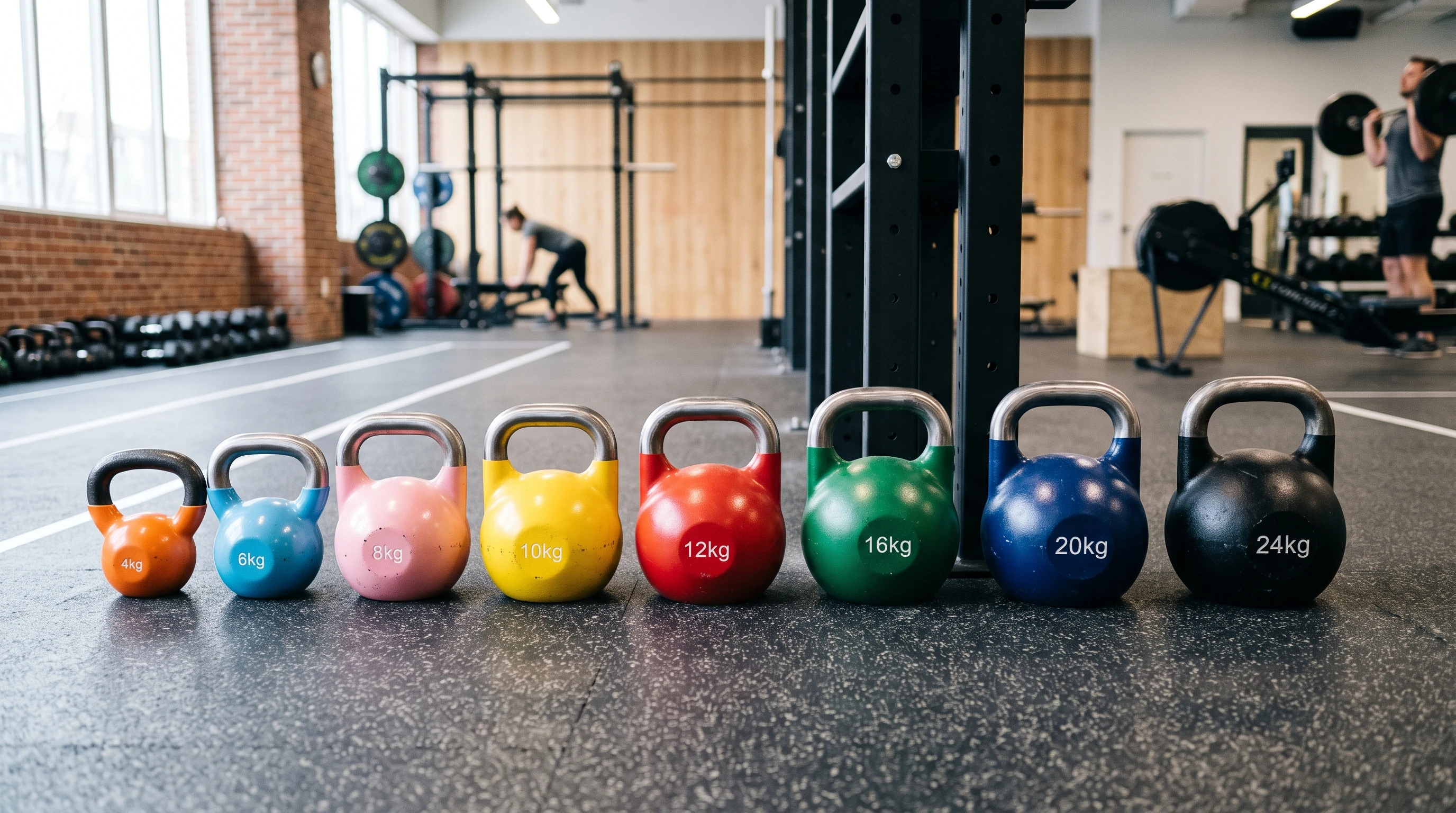
Kettlebells usually come in weights measured in kilograms (kg) or pounds (lb). The typical starting sizes for beginners include:
- 8 kg (18 lb): Perfect for total beginners, especially for upper body movements and learning form.
- 12 kg (26 lb): A solid entry point for most average men and experienced women with some baseline strength.
- 16 kg (35 lb): Great for men with strength training experience or for moves that require more load—like deadlifts or swings.
- 20-24 kg (44-53 lb): These weights are for folks with significant training under their belt and who want to ramp up difficulty for bigger lifts.
If you’re in the US, you’ll probably see kettlebells in pound measurements, and the idea is the same. Look for options that feel challenging but still let you control the bell throughout your movement. Most brands provide models in simple 2 kg or 5 lb increments, which makes progressing smoother and more doable.
How To Know Which Kettlebell Weight Is Right For You
When you’re deciding what weight to start with, think about your experience, primary goals, and which types of moves you plan on doing most.
- Total Beginner: If you’re completely new to strength training, start lighter so you can nail your form. Women often do well with 8 kg (18 lb) for upper body moves and 12 kg (26 lb) for lower body. Men can usually begin with 12 kg or 16 kg (26-35 lb), but should listen to their own body.
- Some Lifting Experience: Already doing squats, deadlifts, or using dumbbells at the gym? You might be ready to start a bit heavier—up to 16 kg (35 lb) for women and 20 kg (44 lb) for men in lower-body or two-handed moves. Go lighter if you’re focusing on overhead presses or Turkish get-ups; these are more technical and tough on the shoulders.
- Advanced or Athletic: With a strong training base, you might want to pick a heavier bell for strength and power—20-24 kg (44-53 lb) for swings and squats, and maybe 16 kg (35 lb) for snatches or overhead presses. Always make sure you feel in control, no matter how strong you are.
The best way to choose? Visit a local gym or sports store and try swinging a few different weights—literally. Most people are surprised at how different a kettlebell feels compared to a dumbbell with the same weight, mainly because of the shifting center of mass.
Sample Movements And Weight Suggestions
Some kettlebell exercises require more strength and stability than others. As you mix in variety, you’ll probably need more than one kettlebell to match the move:
- Kettlebell Swings: This classic move is perfect for building power and cranking up your cardio. Most folks can go heavier here—women can usually handle 12-16 kg (26-35 lb), while men might start with 16-24 kg (35-53 lb).
- Goblet Squats: You’ll have solid support from your upper and lower body, so a moderate to heavy bell works for most. Women: 10-16 kg (22-35 lb); men: 16-24 kg (35-53 lb).
- Turkish Get-Up: This move is more technical and needs balance. Start light until you really get the movement—women: 8-10 kg (18-22 lb); men: 10-16 kg (22-35 lb).
- Overhead Press: Your shoulders and triceps take the brunt here, so stick with something you can press overhead for 8-10 clean reps—women: 6-10 kg (13-22 lb); men: 12-16 kg (26-35 lb).
If you find yourself progressing quickly, it’s smart to gradually up your weight for each movement instead of jumping all at once. This lets your joints and muscles adapt and reduces the risk of pulling something unexpectedly.
Stuff Worth Thinking About Before You Buy
For anyone shopping for their first or next bell, here are a few practical tips to avoid frustration or wasted money.
- Handle Width: Find a handle that feels comfortable in your grip, with enough space to fit both hands. This becomes super important for swings. Some budget kettlebells are bulky or have odd handle shapes, which aren’t great for long training sessions.
- Material: Many commercial kettlebells are cast iron, which is tough and has a solid feel. There are also competition style bells that always stay the same size, which helps with consistency as you level up. Vinyl or rubber-coated bells might be easier on your floors but can sometimes make grips awkward.
- Increment Options: Adjustable bells might sound great, but nothing really matches the feel and balance of the real thing. If you want to grow your collection, try to get bells in increments that work for your progress—usually 4 kg or 5 lb.
- Budget: It’s tempting to buy the cheapest option, but a poorly made bell can actually hold you back. A decent midrange bell lasts for years without weird seams or chipping paint.
Handle Texture and Design
A smooth, slightly textured handle is way easier to hang onto when your hands get sweaty. Overslick handles or chunky seams can get in your way. Cast iron with a matte finish usually feels just right, and it’s best to skip anything with odd coatings that could mess up your grip.
Progression and Multiple Bells
You might want a couple of different weights, especially as you get stronger and switch up your routines. A lighter bell for warm-ups or complex moves, a medium bell for basic strength, and a heavier one for swings will cover almost everything you need at home for varied training. As your goals change, being able to mix in some variety with weights helps you keep making progress.
Tips For Safe and Effective Kettlebell Training
Making sure you’re training safely really matters, especially when you’re swinging iron near your knees and face. Here are some tips that I find super helpful, both for beginners and for anyone jumping back in after some time off:
- Start With A Warm-Up: Get your joints working and your muscles loose. Even five minutes of dynamic stretching usually does the trick to set you up for a solid workout.
- Focus On Form, Not Ego Lifting: Great technique beats using a heavier bell to try and impress someone. No one cares about the weight if your form is bad.
- Keep Your Core Braced: Keep that belly button up and in on every rep—kettlebell moves demand core control.
- Gradually Add Weight: When 12-15 perfect reps feel easy, it’s time to try a slightly heavier bell. Don’t rush it—steady progress is best for staying safe.
- Listen To Your Body: Sharp pain or constant discomfort is your cue to take it down a notch or rethink your technique. Pushing through can lead to setbacks you don’t want.
Frequently Asked Questions
These are some super common questions that come up when people are picking out their first kettlebell.
Q: Can I get away with just one kettlebell?
Absolutely! If budget or space is tight, one moderate-weight bell is enough for tons of moves. When you’re ready, adding another—either heavier or lighter—helps mix things up and keep your routine moving in the right direction.
Q: What if I outgrow my first kettlebell?
This happens pretty fast for most people. Try picking a new one that’s 4-8 kg (10-18 lb) heavier, and rotate between them based on your workout or movement focus. It’s a smart way to stay challenged.
Q: Is it better to choose kilograms or pounds?
Either works. Just stay consistent with what you buy and remember your weights so you can track your progress accurately. Most training programs list both options to make it easy.
Final Thoughts
Getting your kettlebell weight dialed in really matters for seeing actual progress and staying safe. Think about your experience, the exercises you want to do, and what fits for your space and budget. My usual advice: if you’re unsure, start a little lighter and move up as you gain confidence—progress comes with consistent practice and attention to form.
With the right kettlebell in your hands, you’ll be able to train whenever, wherever, and however you want. Enjoy the ride, listen to your body, and have fun building up kettlebell strength!