
Hydrogen water tablets sound pretty futuristic, but they’re actually becoming way more common these days. I’ve noticed more people popping them into their water bottles or pitching them as a new part of health routines. But before jumping in, I wanted to really check out how safe these tablets are, what they’re made of, and what the current research actually says. Here’s an all-in-one look at what you need to know if you’re curious about hydrogen water tablets and whether they belong in your daily routine.
Understanding Hydrogen Water Tablets
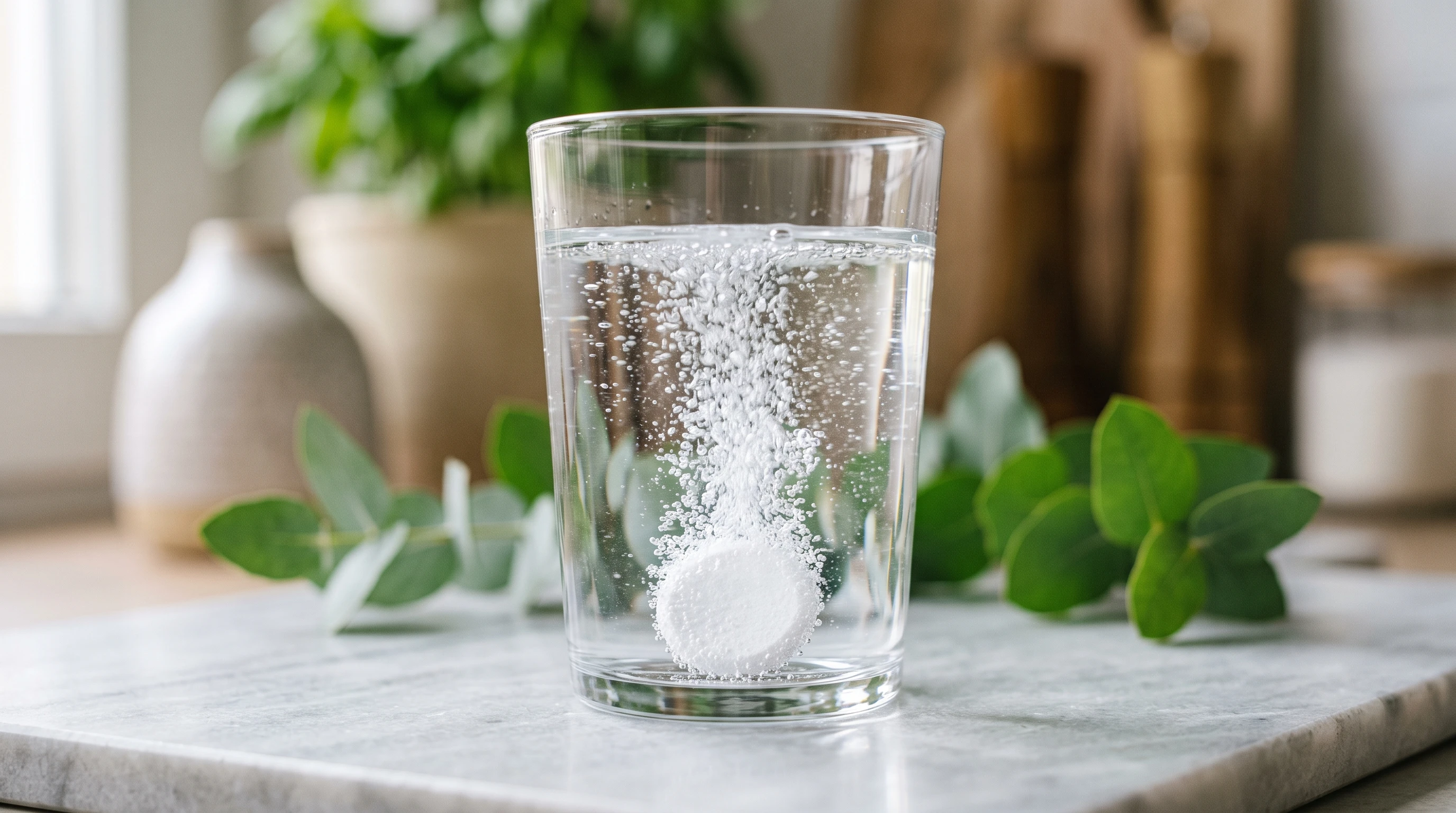
Hydrogen water tablets have gained popularity for their promise to infuse plain water with extra molecular hydrogen (H2). The idea is simple: drop a tablet into a glass or bottle of water, wait for it to dissolve, and you get hydrogen-rich water that’s often marketed as having extra health perks.
The basic claim is that molecular hydrogen acts as an antioxidant. If you’re unfamiliar with the term, antioxidants are just molecules that help counteract oxidative stress in your body. This kind of internal chemical stress can mess with your cells, so some people look for ways to manage it. But not all antioxidants work the same way, and not everyone will have the same benefits or safety concerns when it comes to supplements like these.
These tablets usually contain ingredients like magnesium (often in a proprietary blend), binding agents, and natural acids to help the tablet dissolve and make hydrogen gas. Reading the ingredient label is really important, since some brands add extra stuff you might not want in your water.
Are Hydrogen Water Tablets Safe to Use?
Safety is usually the first thing on my mind with any new supplement. Most hydrogen water tablets use forms of magnesium that are considered safe when used appropriately. When a tablet is dropped into water, magnesium reacts and releases molecular hydrogen. That’s where the “hydrogen” in hydrogen water comes from.
But just because the main ingredients are standard supplements doesn’t mean every person should take them without caution. Here are the main safety factors worth thinking over:
- Ingredient Sources: Most popular brands use magnesium, but the quality of tablets can vary. Some less reliable versions use fillers or flavors you might not expect.
- Recommended Dosage: Manufacturers typically advise using one tablet per 8–16 oz (about 250–500 ml) of water. Overdoing it isn’t a great idea, especially since too much magnesium may cause stomach upset.
- Preexisting Health Conditions: People with kidney problems or certain medical conditions should always double-check with a healthcare provider first, because extra minerals might not be recommended.
The U.S. FDA doesn’t currently regulate hydrogen water tablets as strictly as prescription drugs. Instead, they fall under the supplement category. That means careful research helps buyers make informed decisions, since safety standards can change from brand to brand. If you’re ever unsure, talking to a registered dietitian or healthcare professional is a smart move.
What Does the Research Say About Safety?
The scientific research on hydrogen water is growing, but a lot of it is still emerging. So far, most studies have looked at molecular hydrogen’s possible benefits, but there’s limited work focused specifically on the tablets themselves.
Some small clinical trials and animal studies show that hydrogen-rich water is generally safe when consumed in reasonable amounts. A research article in Medical Gas Research (PMC4270176) suggests that molecular hydrogen shows a good safety profile and is non-toxic at levels provided by most tablets. These studies tested both dissolved hydrogen water and actual hydrogen gas exposure for comparison, so the base ingredients in most high-quality tablets appear safe for adults.
No widespread side effects have been flagged for healthy adults. However, the safety of taking hydrogen water tablets daily for long periods hasn’t been studied much in large populations. Effects on kids, pregnant women, and people with chronic illnesses are even less understood, so those groups should be extra cautious. Future research may shed more light on these areas, but for now, sticking to the recommended dose and seeking medical advice if you have a health condition is wise.
Reasons People Use Hydrogen Water Tablets
The buzz around hydrogen water is mostly tied to its supposed health perks. Makers and fans of the tablets say these are some possible benefits:
- Better hydration
- More energy or reduced fatigue
- Faster recovery after exercise
- Reduction in inflammation
- Help with general wellness
Most of these claims are based on early-stage research or physical feedback from users, instead of large-scale scientific proof. Even if you’re curious about the benefits, I always suggest treating hydrogen water tablets as a fun health supplement, rather than a miracle fix for any condition.
One of the more popular draws for athletes is the report of faster muscle recovery. Some users say hydrogen water helps them bounce back more quickly after intense physical effort. Others like the novelty of trying something new to mix in some variety with their standard water intake. Scientists are still testing exactly how hydrogen works in the body and whether it’s truly better for hydration or balancing oxidative stress. So, it’s wise to stay realistic about potential outcomes.
Potential Side Effects and Precautions
Most people who use hydrogen water tablets as directed won’t notice any serious side effects. Still, anything you put in your body can have reactions, especially if you have sensitive digestion or use more tablets than directed. Some things to consider:
- Digestive Upset: Some people feel mild bloating or gas, especially when first trying the tablets.
- Too Much Magnesium: Extra magnesium can cause loose stools, cramping, or diarrhea if overused. See the National Institutes of Health’s magnesium factsheet for details.
- Allergic Reactions: Rare, but people with allergies should check every ingredient on the label.
Who Should Probably Avoid Them?
People with kidney disease or people who need to limit mineral intake should avoid extra magnesium unless recommended by a doctor. Kids and pregnant people are better off steering clear, because there’s just not enough information yet about long-term use or possible effects. People on certain prescription medications, specifically those affected by magnesium levels, should also check in with their healthcare provider before trying these tablets. Watching out for the interactions can help prevent unwanted side effects.
Things to Consider Before Trying Hydrogen Water Tablets
It’s easy to get swept up in wellness trends, but tablets like these deserve a little extra scrutiny before working them into your routine. Here are some quick checks worth doing:
- Check the Source: Buy tablets from companies that list their ingredients clearly and share third-party lab testing results. Quality control goes a long way, especially for supplements you drink daily.
- Read Reviews (Carefully): Look for personal experiences across reputable sites rather than just flashy ads. Look for patterns in how people experience the product.
- Be Realistic About Claims: No supplement replaces a healthy diet, regular movement, or standard medical advice. Try the tablets if you’re curious, but don’t expect immediate, dramatic improvements.
Getting advice from a dietitian or medical provider is a good idea if you’re on other medications or have a chronic health condition. Some medications (like certain heart or blood pressure pills) can be impacted by increased magnesium intake, so keeping an open line of communication with a professional is always best.
Tablet Quality and Storage
The best hydrogen water tablets dissolve quickly in plain water, don’t leave behind much residue, and taste relatively neutral. Always follow the storage directions. Keep tablets in a cool, dry place, as humidity or heat can reduce their effectiveness over time. Many products include expiration dates or best-by dates, which help maintain potency. Making sure you finish tablets before they lose strength is another way to make the most of them.
What to Look For in a Hydrogen Water Tablet
- Independent Lab Testing: Trustworthy brands have supplemental lab test results available to customers. This verifies both hydrogen release and heavy metal safety, and shows a commitment to transparency.
- Minimal Fillers: Short ingredient lists usually mean fewer additives and less risk for reactions.
- Ease of Use: Convenient packaging, clearly marked instructions, and dissolving within a few minutes are signs of a good product.
Some companies even list the specific amount of hydrogen their tablets produce, which can give buyers more confidence about what they’re getting. If you’re comparing products, checking for clear instructions and reputable lab results helps set the top products apart.
Frequently Asked Questions About Hydrogen Water Tablets
Here are some of the questions I get asked a lot when people are first exploring hydrogen water tablets:
Are these tablets FDA approved?
Hydrogen water tablets are sold as dietary supplements, so the FDA doesn’t officially approve them. Look for products that provide third-party testing for some peace of mind.
Can I take hydrogen water tablets with other supplements?
Generally, yes, but keep an eye on your total magnesium intake from all sources. Mixing with other high magnesium supplements could be too much for some people.
How often can I use hydrogen water tablets?
Most tablets are designed for one or two uses per day. Check the product’s recommended serving and don’t go overboard. Remember that more is not always better when it comes to supplements.
Do hydrogen water tablets change the taste of water?
Most tablets have a slightly mineral or “sparkly” taste like carbonated water, but they’re usually pretty mild. Some people even enjoy the slight fizz, which can make drinking water more interesting.
Are Hydrogen Water Tablets Worth Trying?
Hydrogen water tablets are mostly safe when used as directed and don’t typically cause problems for healthy adults. They’re interesting if you’re a fan of new health trends and enjoy trying out ways to mix up your hydration. Still, I’d recommend starting slowly and keeping expectations realistic. These tablets aren’t a substitute for healthy basics like a balanced diet or drinking enough regular water.
If you decide to give them a go, start with trusted brands, monitor how your body responds, and always check with your healthcare provider if you have underlying health issues. Staying informed and cautious makes it easier to safely try out the next-level cool world of hydrogen water while making sure it really fits your lifestyle.