
Indoor HIIT workouts are catching on fast, especially for anyone short on space or looking to shake up a home fitness routine. High-Intensity Interval Training (HIIT) doesn’t need a massive gym or fancy equipment. I’ve found even the tiniest living room works great if you pick the right moves. So if you want to break a sweat, boost stamina, and torch calories without heading out, this guide walks you through how to set up an effective HIIT session with almost no gear or room required.
How HIIT Works, and Why It’s Perfect for Small Spaces
HIIT stands for High-Intensity Interval Training. Basically, you push yourself hard during short bursts of exercise, then slow down for a brief break. This cycle repeats for the whole session, usually 15 to 30 minutes. In my experience, HIIT routines work super well in small areas because most of the movements use your own bodyweight. You won’t need much more than enough room to stretch your arms. Research shows HIIT can actually burn more calories in a shorter amount of time compared to steady cardio. Plus, it ramps up your metabolism even after you’re done working out.
This style of training started out in the athletic performance world but quickly caught on for everyday fitness because of how efficient it is. Since HIIT can be scaled up or down, it suits both beginners and experienced folks. You’re in control of the intensity by simply adjusting your pace or choosing easier moves.
Starting Out: Planning an Indoor HIIT Workout
Putting together a HIIT workout at home doesn’t need to be complicated. Here’s how I do it when I have minimal space and zero equipment:
- Pick 4–6 Bodyweight Moves: Classic choices like squat jumps, pushups, mountain climbers, burpees, and high knees fit well indoors and need hardly any space.
- Decide the Intervals: I usually go for 30 seconds on, 30 seconds off to start, but you can scale it based on your fitness level and how tough you want the session to feel. Advanced routines might use 40–50 second work periods with shorter rests.
- Plan Your Sets: Three to five rounds gets the job done for most people. If you’re new to HIIT, try two rounds and see how you feel.
- Warm Up and Cool Down: Never skip these. Marching in place, arm circles, or even shadow boxing for five minutes loosens things up. At the end, take time to stretch out, especially your quads and hamstrings.
Keeping workouts varied is key. Swapping in new moves or changing intervals helps challenge your muscles in different ways. Having a go-to playlist ready can help keep your energy high, too.
The Best HIIT Moves for Indoor Spaces
Not every exercise works in a small living room, so I’m sharing some moves I find super practical. They target major muscle groups and keep your heart rate up:
- Jumping Jacks: Low impact but effective for getting your body moving and your blood pumping, even in tight quarters.
- Squat Jumps: Perfect for legs and glutes, and you only need a spot the size of a standard yoga mat.
- Mountain Climbers: Easy to modify for space, these torch calories and build core strength.
- Plank Shoulder Taps: Builds shoulder stability and works the core without any jumping. Your neighbors downstairs will thank you.
- Standing Knee Drives: A good cardio move that doesn’t require a lot of horizontal space and is quieter than most jumping moves.
If you’re worried about noise, swap out the jump-based moves for options like squats, pushups, or alternating lunges. These still give great results without thumping footsteps.
Tips for Making the Most of Limited Room
Small areas can seem like a problem at first, but there are plenty of ways to maximize your workout:
- Work Diagonally: Even in a narrow hallway or square room, add some lateral step or cross patterns, like side lunges or diagonal shuffles, to increase intensity without needing extra length.
- Keep It Simple: Stick with moves that don’t require travel, like planks, static lunges, and stationary sprints.
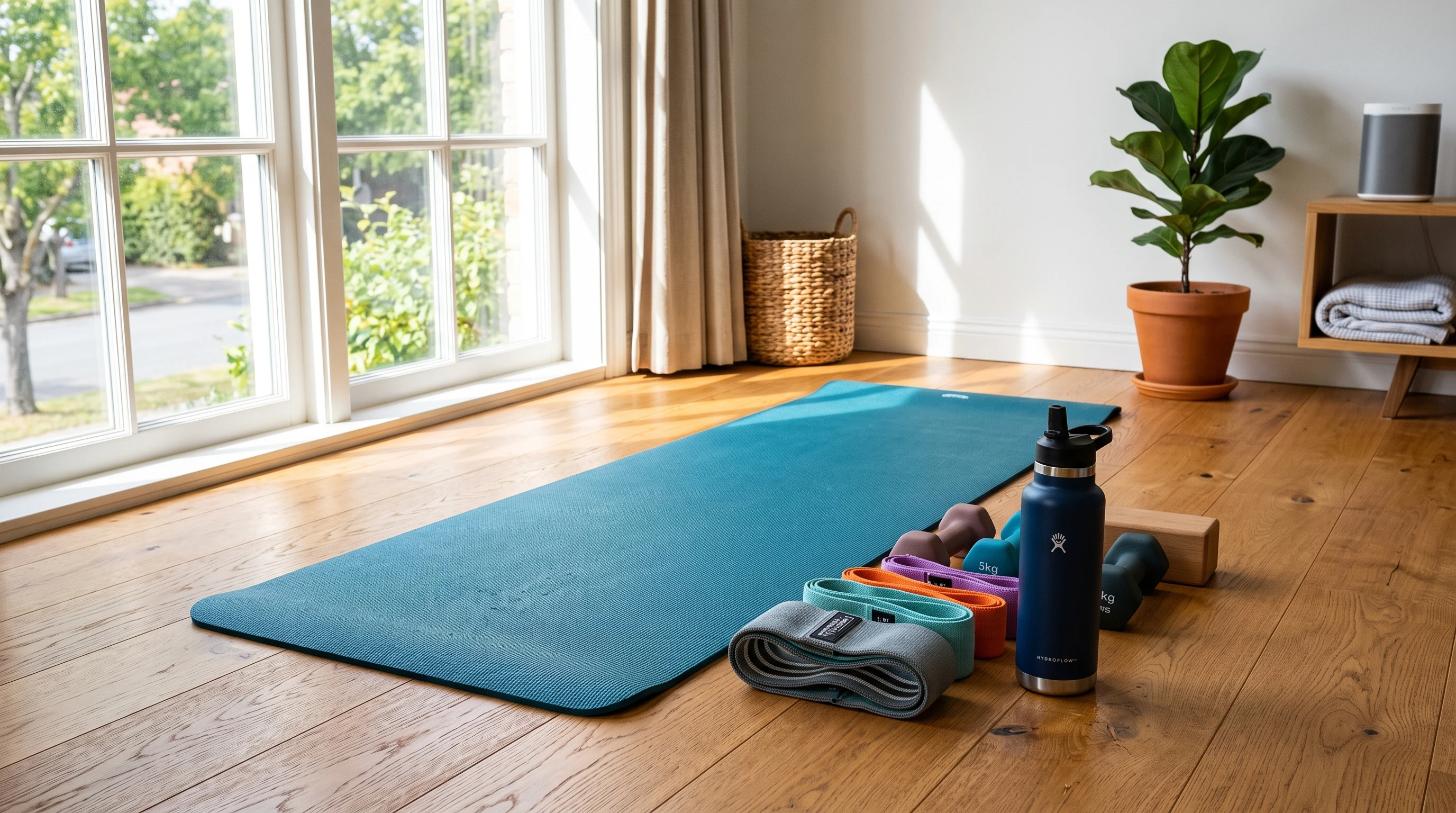
- Move Furniture If You Can: If possible, slide a coffee table aside to create a little more space. Rolling up rugs or working on a yoga mat gives a clear workout zone.
- Embrace Minimalist Gear: Light resistance bands, a jumprope (if ceiling height allows), or sliders barely take up any storage space but can add new challenges.
Worried about distractions? I turn my phone onto “do not disturb” mode to keep focused. Also, keeping your water bottle nearby saves you from having to dash to the kitchen between sets.
Common Roadblocks and How to Work Around Them
Indoor HIIT is convenient, but not every session is smooth sailing. Here’s what I’ve run into and how I deal with it:
Noise Concerns
Neighbor complaints about jumping or stomping can be a real concern, especially in apartments. To keep things quiet, focus on low impact moves. Try planks, alternating lunges, or sumo squats. You still get a great workout without shaking the floors.
Motivation Drops
Working out at home sometimes means it’s too easy to slack off or get distracted. Accountability helps. Sometimes I’ll FaceTime a friend for a virtual workout or use apps that shout encouragement or track progress. Setting a specific time on my calendar also keeps me consistent.
Limited Equipment
If you don’t have weights, get creative. A backpack filled with books makes a solid substitute for resistance or try using towels on a hard floor for slider moves. Moving slowly and focusing on full range of motion goes a long way, too.
Advanced Tweaks and Programming Tips
After you’ve been doing indoor HIIT for a while, adding new challenges keeps things interesting and your results coming. Here are some additions I find super useful:
- Pyramid Intervals: Instead of sticking with set intervals, try work intervals that get longer or shorter each round, like 20/30/40/30/20 seconds. It makes each set more interesting, and your body doesn’t adapt as quickly.
- EMOM Structure (Every Minute On the Minute): Pick a set of reps for two or three moves. Each minute, complete those reps as fast as you can, then rest until the next minute starts. This approach is great for testing work capacity and mental toughness.
- Adding Pauses or Pulses: At the bottom of each squat or lunge, hold for two or three seconds or add small “pulse” movements to really burn out your muscles.
- Incorporate Balance Work: Singleleg moves like split squats or singleleg deadlifts challenge stability and coordination, all without any space-hogging equipment.
Rest and recovery are super important. Make sure to take rest days or alternate HIIT sessions with lowimpact movement to help reduce injury risk.
Real-World Success: HIIT for Homebodies
I’ve seen a lot of people get awesome results from indoor HIIT, myself included. My friend managed to shed a noticeable amount of weight and boost her energy after just a month of 20minute, threetimesaweek HIIT circuits in her tiny studio. Some simple furniture rearrangement and a dedicated playlist made it much easier for her to stick with the habit.
- Fat Loss: Quick circuits that combine burpees and high knees can burn fat and improve heart health. No treadmill needed.
- Muscle Tone: Moves like pushups, planks, and squat variations build muscle endurance and definition right at home.
- Mental Perk: HIIT gets your endorphins going, so you finish feeling energized and more alert, which is super handy during long workfromhome days.
Frequently Asked Questions
Plenty of people have questions about setting up a routine indoors. Here are the common ones I hear:
Question: Is HIIT safe for beginners?
Answer: Absolutely, as long as you stick with basic moves and allow enough rest. Pay attention to form, and start slow.
Question: How many days per week is good for HIIT?
Answer: Two to three sessions a week is a great target for most folks. Space them out to allow recovery, especially at first.
Question: Can you get results without equipment?
Answer: You totally can. Bodyweight HIIT circuits target all the big muscle groups and get your heart pumping just fine on their own.
Wrapping Up: Making HIIT Work in Any Space
Indoor HIIT is a super practical solution for busy people, anyone short on space, or folks who just want privacy while working out. With a little creativity and consistency, you can make real progress. All it takes is a clear patch of floor, some highenergy moves, and the willingness to put in the work. If you’re starting from scratch, focus on simple combos, maintain good form, and add intensity as you grow stronger. Before you know it, you might end up looking forward to your next sweaty session, even if your workout zone is just a couple feet wide.