
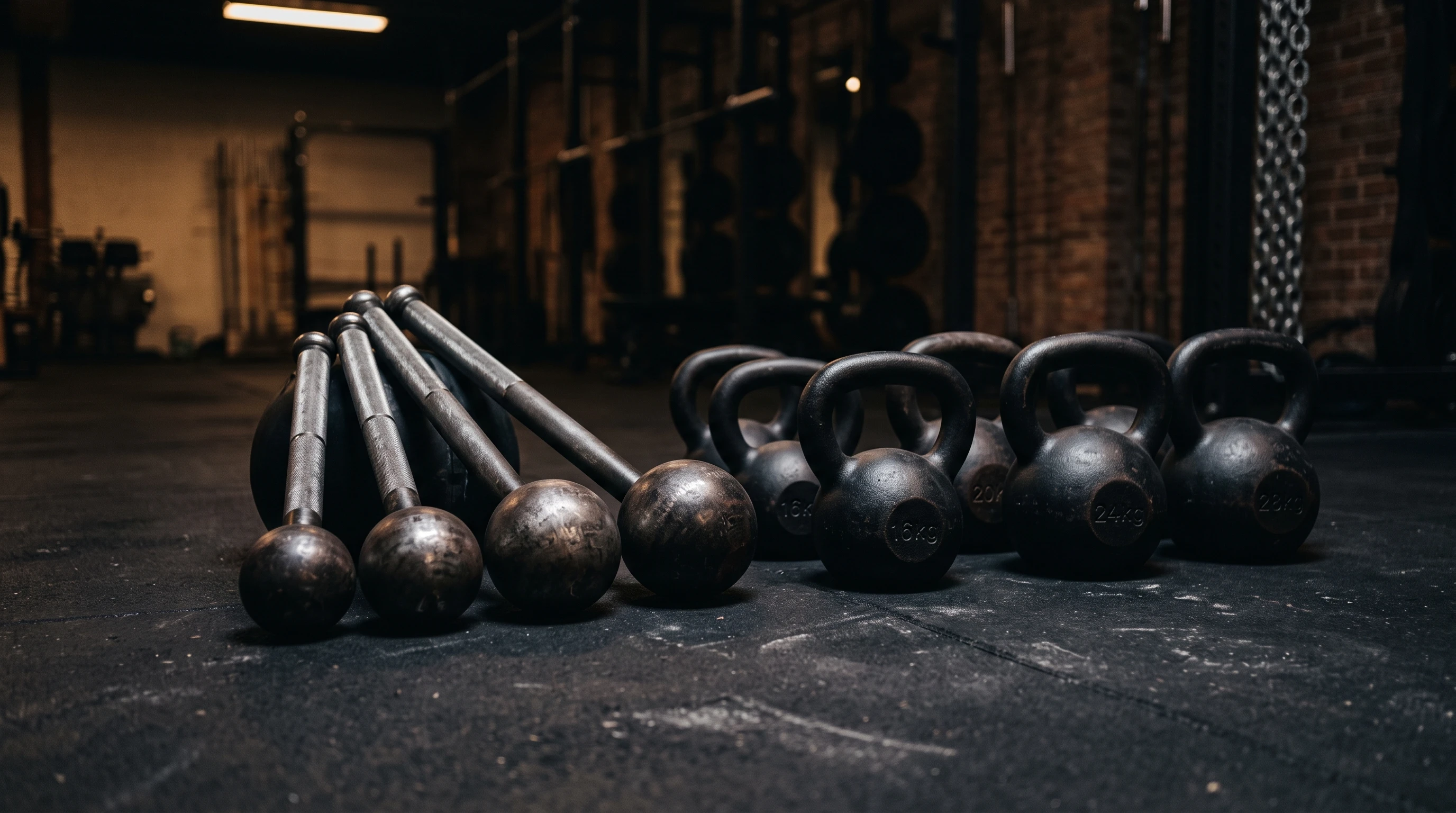
Mace training has emerged as one of my favorite ways to shake things up in the gym. The steel mace (sometimes called a “macebell”) isn’t just a cool looking weight with a long handle and a weighted ball at one end. It’s actually a super useful tool for building real-world strength, coordination, and mobility. I’ll break down how to bring mace training into your routine, so you can get the best out of your workouts whether you’re a beginner or looking to go beyond the basics.
Why Mace Training Is Worth Adding to Your Fitness Program
The mace is an oldschool tool that’s made a big comeback in functional fitness circles. First off, mace training isn’t just about bulking up. It’s really helpful for improving grip strength, shoulder health, and rotational power, which comes in handy for sports, daily activities, and even traditional lifts like deadlifts and squats.
Originating from ancient warrior training, the mace challenges your muscles in ways that typical dumbbells or barbells just can’t. Its uneven weight makes your core, wrists, and shoulders work extra hard to stabilize the movement. This means you’re training lots of small but important muscles at once.
Recent trends are showing that more people are turning to functional and unconventional tools like the mace for fullbody fitness, mobility, and injury prevention. The rise of “flow” style training (where you string movements together smoothly) has made it even more popular for folks looking to spice up their routines.
Getting Familiar With the Basics of Steel Mace Training
If you’re new to the mace, you’ll want to start slow. Learning the basic grips and movements makes a big difference and helps you avoid building up unnecessary injuries. Here are some important terms and moves you’ll run into early on:
- Choked Grip: Holding the mace closer to the center of the handle. This makes it easier to control during your first tries.
- Offset Weight: Because there’s more weight at one end, your nondominant side (hello, core!) needs to stabilize during every rep.
- 360s and 10-to-2s: Two swinging moves that are classic in mace training. They work your grip, shoulders, and upper back while improving mobility.
- Mace Flow: Linking moves together without stopping for a fluid, wholebody workout. This takes some practice but makes your sessions more creative and fun.
StepbyStep Guide to Adding Mace Training To Your Workouts
Getting started doesn’t need to be complicated, and you don’t have to replace your entire routine with mace training. Here’s a simple plan to work it in alongside your other gym favorites:
- Pick the Right Weight: Start with a lighter mace (7-10 lbs) so you can focus on good form before going heavier. Most people find that beginning light helps them build confidence and reduce the chance of injury. Lighter weights are easier to control, especially for moves like the 360 or 10-to-2 that require stability and wrist mobility.
- WarmUp Well: Use bodyweight movements and dynamic stretches to get your shoulders, wrists, and core ready. Spend five to ten minutes on warmups for better results and fewer injuries. Incorporate arm circles, resistance band work, and wrist circles to prep your joints for swinging.
- Learn the Basics: Focus on simple exercises like the twohanded swing (mace 360), front presses, and squats with an offset load. These moves offer a strong foundation for all further mace work and help you get used to the feel of the tool.
- Mix It In: Try swapping a mace variation for a dumbbell or barbell movement every other workout. For example, do a set of mace overhead presses instead of the usual dumbbell versions. This small switch keeps your routine fresh and your body guessing.
- Experiment and Flow: Once you’re comfortable, link two or three movements into a minicircuit, like a lunge, press, and swing, all in a row. Increase the weight only once you can maintain good control.
Practicing dedicated mace skill days is also worth a try. Some folks have a single day each week where their whole session revolves around learning new flows and techniques. This focused practice helps with creativity and builds a strong base for tackling advanced combinations later down the line.
Key Points to Remember Before You Start Mace Training
Getting the most out of the mace means knowing what you’re working with. Here are some factors that can trip up beginners, plus ways to handle them safely:
- Shoulder Mobility: Limited shoulder movement can make swinging the mace uncomfortable or even risky. Spend extra time on shoulder warm-ups and stretches. Mobility drills with bands or light weights before and after training are especially useful.
- Wrist Strength: If you’re not used to gripping a long handle, your wrists and forearms might fatigue faster than you expect. Add things like farmer’s carries or plate pinches to your routine to build up the necessary strength.
- Core Stability: Your core works overtime when the weight pulls you off balance. You may need to start with shorter sets or easier moves until those trunk muscles catch up. Anti-rotation exercises with bands, Planks, and dead bug variations all help build this kind of stabilizing strength.
- Weight Selection: Maces feel heavier than they look because the weight is at the end. Stick with lighter choices and move up only when your form stays clean throughout the workout.
Shoulder Mobility
Some new trainees find their shoulders tight when starting with mace work. Using resistance bands or yoga moves to loosen up your shoulders makes a real difference, and it’s a routine I still keep up even now. Don’t rush this step. It pays off in more comfortable, safer sessions.
Wrist and Grip Strength
Mace training reveals weaknesses you never even noticed. Those first sessions might leave your forearms smoked. Farmer’s walks using kettlebells or plate pinches help make gripping the long, awkward handle feel less taxing over time. This is an underrated aspect that pays off in other lifts as well.
Core Engagement
With the uneven weight distribution, your core muscles must stabilize almost every movement. I found plank holds or antirotation band exercises are essential for handling heavier maces and longer flows in the future. Consider pairing these exercises with your mace days to progress faster.
Choosing the Right Weight
Picking a mace that’s too heavy is a fast way to mess up your form (and possibly tweak your back or shoulders). Always start light, and even more advanced folks go back to basics now and then to tighten up technique or recover proper patterns. There’s no shame in working lighter for quality movement.
A lot of people hit these same snags. By keeping things slow and controlled, and focusing on good technique, you’ll move past small hurdles and keep seeing progress without setbacks.
Tips and Techniques for More Effective Mace Workouts
Dialing in your form and adding a few new tricks makes mace workouts a lot more effective, and much more fun. The following tips work no matter your experience level:
Focus on Controlled Movement: Wild swings raise your risk of injury. Slow down the movement, especially on swings and flows, to get muscle activation and boost mobility. Practicing this with lighter weights builds solid habits for heavier sets.
Take Advantage of Unilateral Training: Many mace moves are performed onehanded or with uneven loading, which builds strength and control on both sides of your body. I noticed a big jump in my regular lifts after just a few weeks working this way. Your less dominant side will catch up fast, creating a more balanced athlete overall.
Try Flow Complexes: Go beyond single moves by mixing things like squats, lunges, presses, and swings. You’ll boost your conditioning and mental focus, not just muscle strength. These complexes can keep your heart rate up for an extra cardio effect.
Rotate Your Grip and Stance: Switch up where you hold the mace or how you stand. Using an offset or unstable stance sparks stabilizer muscles in the hips, knees, and core for real-life carryover.
Keep Sessions Short and Frequent: You don’t need marathon workouts to see gains with the mace. Short, focused sessions (even 15–20 minutes) a few times per week will give you noticeable progress without causing burnout.
Exploring advanced tutorials and online communities (such as Onnit’s mace training guides) is a great way to sharpen your skills and track down new flow combinations or learn moves that match your fitness goals.
Smart Equipment Choices for Beginners
Not all maces are made the same—especially important when you’re starting out. Here’s what I recommend looking for if you’re shopping for your first mace or building out a home gym setup:
- Weight: For most people, a 7 to 10pound mace covers everything you’ll need as a beginner. Heavier maces (15+ lbs) are better once you’ve got the basics down and your shoulder stability is solid. Lighter maces help you learn form and flows without overloading your joints.
- Handle Length: Standard handles run about 40 inches. Shorter handles are easier while learning, while longer handles are ideal for advanced movements and stretching out your range of motion.
- Material: Look for welded steel construction. Avoid cheaply made versions with loose heads or rough grips, since those won’t feel secure during dynamic moves and can become safety hazards.
- Accessories: Having yoga mats, resistance bands, and stability balls in your setup keeps warmups and cooldowns effective and your sessions safe. These extras help you customize your routine and support mobility work.
If you’re unsure where to start, check out guides like Healthline’s steel mace workout primer for honest reviews of beginner-friendly brands and tips for checking product quality before you buy.
Frequently Asked Questions
Here are a few common questions that pop up for folks new to mace training:
Question: Can I replace all my regular weightlifting with mace training?
Answer: Mace training is a great supplement, but you don’t need to give up traditional weights entirely. Mixing your favorite lifts with mace sessions delivers the best of both worlds.
Question: How often should I train with the mace?
Answer: Two or three sessions each week work well for most people. Start off short and build up as you get more comfortable with the movements.
Question: Are steel maces safe for beginners?
Answer: Yes, they are, as long as you start with light weights and mind your form. If you have any shoulder pain or past injuries, it’s wise to check in with a coach or physical therapist before jumping into mace swings.
Bringing More Variety and Fun To Your Workouts
Switching things up with your training keeps life interesting and helps you keep learning. Mace training is a solid way to build strength, level up your mobility, and challenge your body in brand new ways. With a little patience and regular practice, you’ll be picking up cool new skills and seeing those results show up everywhere else in your fitness life.
If you’re ready to give it a shot, start light and build from there. In time, you’ll find your groove and might even inspire a few friends at the gym to ask where you learned those nextlevel cool moves.