
Methylene blue might not be the first supplement that pops into your mind when you’re after more energy or better cellular health, but it certainly occupies a unique spot in the world of mitochondrial support. Here, I’m spending some time sharing what I’ve learned about this compound, how it works, and why more people are interested in it for extra cellular support.
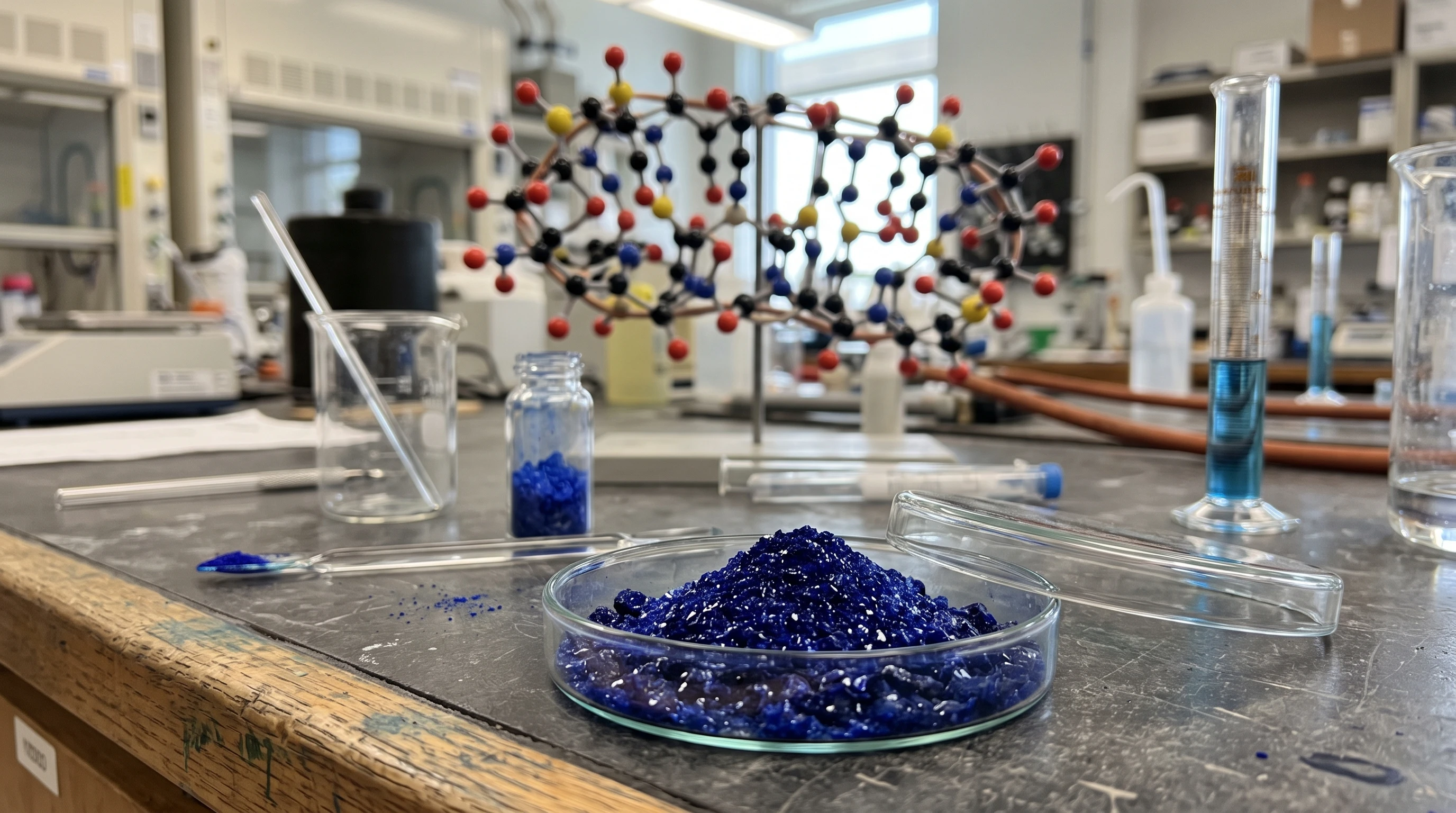
How Methylene Blue Works for Mitochondrial Function
Mitochondria often get called the powerhouses of the cell since they produce most of the energy our cells need to stay active and healthy. When mitochondrial function dips, energy levels can drop, leaving you foggy-headed, unmotivated, or just tired. Methylene blue seems to provide a helping hand by making energy production run smoother and supporting cellular vigor.
Methylene blue acts as what’s called an electron cycler inside mitochondria. This basically means it helps shuttle electrons between various steps of the energy production process, making the chain run more efficiently. Studies show it can increase ATP output—the key energy molecule in our cells. That’s a big deal if you’re struggling with brain fog or general sluggishness since it might make things feel a bit more vibrant.
Originally, methylene blue was used as a dye, but scientists later tracked down its other applications, using it to treat diseases, support nerve function, and even protect stressed brain cells. It’s been around for more than a hundred years and actually has FDA approval (at specific doses) for other medical uses, including treating certain blood disorders and as an antidote for some chemical poisonings.
Getting Started With Methylene Blue for Cellular Health
Are you curious about trying methylene blue? Knowing the basics helps you decide if it fits your goals. Here are key terms that will give you a clearer picture:
- Redox agent: Methylene blue acts as a redox agent. This means it can both accept and donate electrons, which is essential to keep your mitochondria working their best.
- Neuroprotection: Some research suggests methylene blue helps protect brain cells, which is especially crucial as you age or want to support better memory and focus.
- NAD+/NADH balance: This ratio is critical for energy production. Methylene blue helps keep this balance in check, fueling smoother mitochondrial activity.
Simple Steps if You’re Considering Methylene Blue
Supplements and the world of biohacking can seem crowded and confusing, so here’s a handy checklist to guide your steps if you decide to check out methylene blue for yourself:
- Look for Quality: Only stick to pharmaceutical-grade methylene blue designed for human use. Lower-grade versions can sneak in contaminants or heavy metals.
- Understand Dosage: Starting doses are very low, usually in the range of 0.5–2 mg per kilogram of body weight. Always ask a healthcare professional for advice on the right dose for you.
- Start Low, Go Slow: Some people experience mild side effects, so it’s smart to begin with the smallest dose and keep tabs on how you feel over a week or two.
- Avoid Mixing with Certain Meds: Check in with your doctor before combining methylene blue with other drugs, especially antidepressants like SSRIs or MAOIs, since there could be some risky interactions.
- Be Aware of Staining: As the name suggests, methylene blue might change the color of your urine or even your mouth. It’s not something to worry about, but it may catch you off guard the first time.
Taking these actions helps you stay safer and makes it easier to figure out if methylene blue is giving your daily energy a real boost.
Things Worth Considering Before Using Methylene Blue
People get excited about new energy hacks, but methylene blue—like any supplement—has some things to think about before you add it to your routine. Here are key points to keep in mind:
- Purity Standards: Not every methylene blue product is suited for humans. Aquarium or lab-grade types could contain heavy metals or other risks. It’s smart to stick with products clearly labeled as pharmaceutical grade and ideally supported by third-party testing.
- Interactions: Because it might interact with MAOIs, SSRIs, and anesthesia drugs, double-check with your provider if you’re currently taking other medications.
- Pigmentation Changes: Your urine, saliva, and sometimes the whites of your eyes could shift to a blueish tint. It’s harmless for most people, but definitely an interesting surprise.
- Allergic Reactions: While they’re rare, any signs like rashes, hives, or breathing changes mean you should stop and ask your doctor what’s up.
Purity and Sourcing
I always dig into brands to make sure their sourcing and quality control hold up. Some online shops look trustworthy but don’t always publish lab results, so I prefer the ones who get those third-party tests front and center.
Possible Medication Interactions
If you’re into supplementing for focus or mood—or if you’re microdosing—remember that methylene blue acts as an MAOI. That means it can’t always play nicely with antidepressants or certain blood pressure drugs. Ask an expert before mixing if you’re not sure.
Staining Issues
Unexpected blue urine (or even a blue tongue) is a harmless but classic side effect. Just remember it’s a known quirk and nothing dangerous, so don’t let it catch you off guard.
Allergic and Sensitivity Reactions
Most people tolerate methylene blue, but rare allergies can still happen. Listen to your body and get help if anything feels off or alarming after you try it.
It pays off to do a bit of homework and double-check with experts if there’s any confusion. I like to make sure I’m as prepared as possible before changing my wellness game plan.
Advanced Tips, Biohacking, and Real-World Applications
For those who want to get a bit more advanced or experiment with biohacking and longevity, methylene blue can open up new options. Here are some science-backed (and some anecdotal) pointers I’ve picked up from community forums and research reviews:
Supplement Stacking: Some experimenters team up methylene blue at low doses with other mitochondrial boosters like CoQ10 or nicotinamide riboside. If you plan to try combinations, it’s best to add new things slowly so you can track how each one affects you individually.
Brain Health and Clarity: Research supports its use for sharper focus and better working memory in small amounts. I know people who add a tiny dose to their regimen after a restless night, claiming better energy and mental clarity the next day.
Physical Performance: Endurance athletes sometimes check out methylene blue as part of their pre-workout to support stamina and smoother recovery. Evidence is early but promising, so it’s one of those supplements you’ll hear talked about in athletic circles.
Biohacker Appeal: The big draw is that methylene blue goes right to the heart of energy metabolism. Scientists are studying whether it can slow aging or guard your brain from toxins and oxidative stress—a popular topic if you’re interested in resilience and staying sharp as you get older.
Common Uses and Potential Benefits in Daily Life
Beyond advanced uses, methylene blue shows up in some surprising places in everyday routines. Here’s where people most often put it to work:
- Morning Productivity: Some take methylene blue to help boost clarity and alertness in the mornings, particularly when caffeine feels too jittery or doesn’t last as long as needed.
- Microdosing for Mood: Early research (and lots of anecdotal reports) suggest it may help manage low mood or stress and even take the edge off burnout. Still, it’s not a replacement for medical treatments—always check with your doctor for any mood-related health concerns.
- Healthy Aging: It’s being looked at for its possible role in keeping brain health steady and energy levels higher as you get older, due to its cell-protective effect and support for cellular resilience.
It’s smart to review new studies and get professional advice before adding any supplement to your daily stack. Still, it’s interesting to see how methylene blue gets put to the test in different routines by people looking to feel a bit brighter and tougher every day.
Frequently Asked Questions About Methylene Blue and Cellular Health
Here are some of the top questions I hear from friends and those newly curious about methylene blue:
Can anyone try methylene blue?
Answer: Most healthy adults using a pharmaceutical-grade, low-dose form can use it safely, provided there aren’t any medication conflicts. I don’t consider it ideal for pregnant women, children, or those with a complicated health history until they’ve gotten advice from a professional.
Is it safe to take every day?
Answer: Short-term studies say daily use in small amounts is usually fine. Long-term effects aren’t as well understood, so cycling or taking breaks can be safer. Regular check-ins with a care provider are a must for new, long-term practices.
Can I take it with other supplements?
Answer: Many opt to add methylene blue alongside other mitochondrial boosters like CoQ10 or PQQ. I’d suggest starting one new supplement at a time so you can spot any issues before stacking more. Avoid using methylene blue with medications that can interact, like SSRIs, unless you’ve double-checked with a doctor.
Key Takeaways for Using Methylene Blue Wisely
If you’re searching for a way to give your cellular energy a deeper boost, methylene blue is worth a second look. Staying aware of purity, dosage, and your own reaction can maximize any potential benefits and reduce unexpected bumps in the road. Most crucial of all, do your research and pay attention to how your body responds before putting anything new into play.
Fine-tuning your supplement routine should be an ongoing process. Methylene blue could be another valuable tool for boosting cellular health, resilience, and day-to-day energy!