
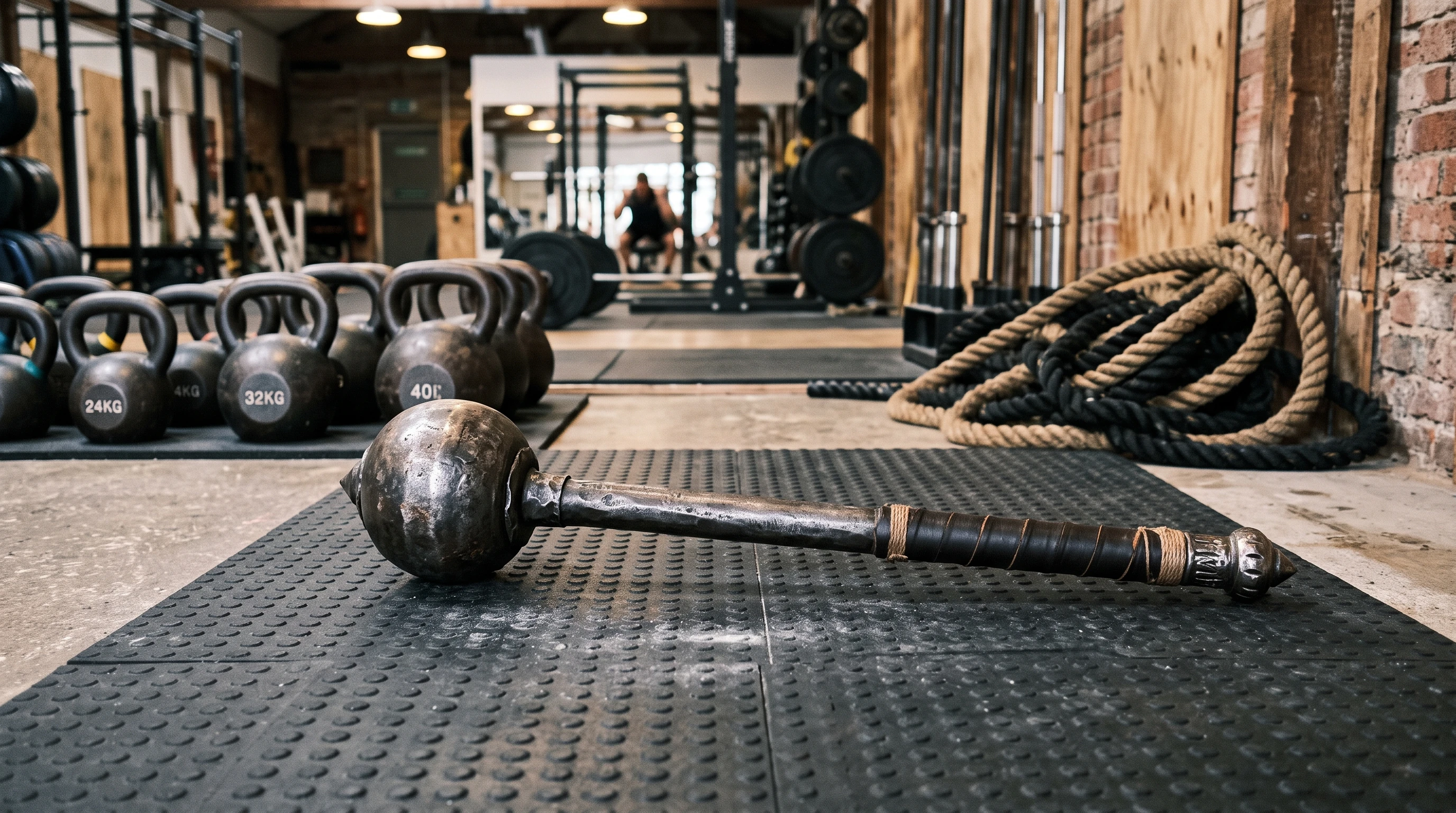
Mace training is catching fire in the fitness world as a fun way to build foundational strength, balance, and mobility. If you’re interested in an alternative to traditional weights or you want to shake up your workout routine, mace training is definitely worth checking out. I’ll break down what you need to know to get started, with practical tips to have you swinging confidently and safely in no time.
Why Mace Training Has Become So Popular
Fitness mace workouts have roots going back centuries, especially in places like India where this kind of equipment (sometimes called a gada) was traditionally used by wrestlers and warriors. Today, it’s catching on in mainstream gyms for its ability to target muscles and movements regular weight training can sometimes miss.
Mace training stands out because it mixes strength, endurance, and coordination. The uneven weight distribution challenges your grip, core, and stabilizing muscles in every rep. Since most mace moves are rotational or swinging, your body has to work together as one unit. This makes it super useful for athletes or anyone looking for more functional strength.
People enjoy the dynamic, next-level cool experience it brings. If you’ve ever found barbells and dumbbells a little dull, the mace can breathe new life into routines while giving you a great full-body challenge.
Benefits of Mace Training for Beginners
Some standout reasons people stick with mace training:
- Improved Core Stability: Most mace moves force your abs and lower back to work overtime, since you have to control a swinging weight on one side.
- Grip and Forearm Strength: The long handle means your hands, wrists, and forearms are always working, which is excellent for other types of lifting and daily life.
- Shoulder Mobility and Strength: Mace training tends to open up the shoulders, giving both mobility and durable joint strength. That’s important for anyone who slouches or spends long hours at a desk.
- Full-Body Coordination: Even simple moves require coordination from head to toe, working more muscles in each rep than basic isolation exercises.
- Mental Focus: Because the mace is offset and constantly in motion, you can’t space out. Workouts stay interesting and engaging.
- Versatility: You can string together flows, circuits, and strength sets with a single mace, so there’s no need for heaps of equipment.
Source: Men’s Health tracks down even more details on benefits and how mace compares with other unconventional fitness tools.
How to Pick the Right Mace for Your First Workouts
Choosing your first fitness mace doesn’t need to be a headache. Most beginners do best with a lighter weight (usually 7–10 lbs) even if they’re used to heavier dumbbells. Trust me, using a mace is more about control and movement than brute force.
- Length: Most training maces are around 39–42 inches, which is a good size for learning basics like 360s and 10-to-2 swings.
- Weight: Don’t go heavy from the jump. Masculine-presenting people often start with 10 lbs, while feminine-presenting folks do well with a 7-lb mace. It might feel easy to pick up, but swinging and controlling it is a different animal.
- Grip Texture: Look for a handle with some texture. Knurling or a rubber coating helps keep your grip solid and comfortable during swings.
- Material: Steel is the most popular and tends to last. While wood and other materials exist, metal maces usually keep their shape and balance longer.
Brands like ONNIT, Set For Set, and Rogue Fitness all offer beginner maces worth checking out if you want something tried and trusted.
Core Movements Every Beginner Should Learn
When starting, focus on a few foundational movements. These help you build essential skills before moving to trickier flow combos.
- 360 (Mace Swing): The classic move to build shoulder and core strength. Hold the mace with both hands, swing it behind your upper back in a circular path, and return to start. Move slowly to learn good control.
- 10-to-2: Similar to the 360, but you swing the mace from over one shoulder to the opposite hip, mimicking clock hands moving from “10 o’clock” to “2 o’clock.”
- Overhead Press: Press the mace straight up from your shoulders. The key is maintaining steady form despite the unbalanced weight.
- Switch Squat: Hold the mace on one side, do a squat, and switch it to the other side as you come up. This works your legs, core, and balance.
- Lunge with Offset Hold: Hold the mace vertically on one side and perform lunges. This taxes your stabilizers on the opposite side.
Tips for a Safe Start With Mace Training
Kicking things off with the right approach makes training safer and more fun. Here’s how you can make the most of your early mace workouts:
- Warm Up Well: Shoulder circles, wrist stretches, and a bit of cardio help prep your joints for swinging and pressing work.
- Go Slow: Slow, controlled reps matter more than speed or tons of repetitions. Quality counts over quantity.
- Balance Both Sides: Since the weight is off-center, alternating sides prevents muscle imbalances from forming.
- Keep Your Area Clear: Make sure you have open space—mace swings reach further than you think, and you don’t want to hit furniture, walls, or people.
- Pace Yourself: Mace training isn’t about pushing until exhaustion. Short sets and longer rests keep your technique sharp.
- Use Video Feedback: Filming your set helps you spot technique errors and correct them quickly.
Common Challenges Beginners Face
Almost everyone runs into a few speed bumps as they get used to maces. Here’s what comes up most often:
- Grip Fatigue: Many newbies notice their hands and forearms tiring out fast. That’s normal. Your grip gets stronger after just a few practice sessions.
- Mobility Restrictions: Tight shoulders or wrists can make swinging moves uncomfortable. Dedicating some time to flexibility drills helps a lot. Start light and progress at your own pace.
- Uneven Movements: Controlling the mace evenly can be tricky at first. Slowing down and practicing the basics helps build steadiness.
Most new maces seem tough at first, but things become easier as your coordination improves. If anything is painful, back off and consult with a coach or therapist for alternatives.
Grip Fatigue
Your hands, wrists, and forearms might fatigue while you learn new moves, especially with 360 swings or offset lunges. Take breaks for wrist circles, finger stretches, and shake out any tension. With regular practice, grip strength grows surprisingly fast.
Mobility Issues
If big swings or overhead movements feel tough, odds are your shoulders or wrists need more mobility work. Gentle stretching, resistance bands, and dynamic warmups can help make your swing pain-free.
Uneven Form
The asymmetrical design pushes one side harder. Switching hands often and checking video feedback helps you work toward symmetry. Over time, you’ll shore up weaknesses and develop a balanced swing.
Advanced Mace Training Tips for When You’re Ready
Once basic moves feel comfortable, a little variety can make training more effective and keep things interesting:
- Try Mace Flow Sequences: Linking multiple moves (like swings, presses, and squats) tests stamina and keeps your mind alert. There are loads of great flow tutorials online to follow.
- Play With Grip Width: Change where you grip the mace to hit different muscles. Go wide to light up your core, or closer for a bigger challenge to your shoulders.
- Adjust Your Tempo: Slower reps build more muscle tension. Once confident, move into faster, rhythmic swings for a conditioning boost.
- Add Holds: Pause partway through a press or during a swing to double down on control and strength.
Pushing yourself with mace training is about finding small challenges, not simply going heavier. Mixing up how you approach the moves keeps progress coming.
Suggested Equipment for Beginner Mace Athletes
You don’t need a full gym to start, but a few key items improve your training experience:
- 10-lb or 7-lb Steel Mace: Pick a reliable brand with textured grip and a balanced head. Steel maces last and feel right when you swing them.
- Wrist Wraps or Athletic Tape: These provide extra wrist support, especially during long sessions or for those with sensitive joints.
- Firm, Open Training Space: A flat, clear area with gym mats gives you safety and confidence for big swings.
Nice extras include a second, heavier mace (for squats or presses), resistance bands, or chalk for better grip.
Frequently Asked Questions
Here are some of the questions beginners ask most often about mace training:
Question: Do I need any special athletic background to start mace training?
Answer: Not at all. Anyone can learn the basics with a bit of patience. If you’re new to all workouts, stick with light weights and simple moves until you build confidence.
Question: How many times a week should I do mace workouts?
Answer: For most beginners, two or three sessions a week is plenty. You’ll recover between workouts and allow grip strength and stamina to grow steadily.
Question: Is swinging a mace dangerous?
Answer: As long as you warm up, choose a clear workout spot, and use proper form, swinging a mace is no riskier than dumbbells or kettlebells. Take things slow at first and your control will build nicely.
Ready to Try Mace Training?
Mace training is a straightforward way to build real-world strength, boost joint mobility, and break out of a gym rut. The accessibility and playful challenge make it a standout training method. Stick to the key moves, focus on safety, and keep things playful—you’ll level up quickly. Grab a mace, swing away, and see what your body can do!