Exploring ancient wellness rituals can be really eye-opening. Ancient traditions hold loads of practical wisdom for health and relaxation, and a lot of these timehonored practices have stood up well in today’s world. I’ve always found it fascinating how rituals from different cultures focus on wholebody wellbeing—mind, body, and sometimes even community healing. If you’re curious about adding a slice of ancient wellness into your daily routine, this guide will walk you through some of the classic methods and how they might fit into modern life.
The Roots of Ancient Wellness Rituals
Every wellness trend we see today has some deep roots in history. Many popular practices, like meditation, herbal remedies, or cleansing rituals, go back thousands of years. Civilizations like the Egyptians, Greeks, Chinese, and Indigenous peoples around the world each built systems for maintaining physical and mental health in their own ways. What they all agreed on was the idea of balance, staying in tune with nature, our bodies, and our communities.
Looking at ancient healing systems, such as Traditional Chinese Medicine or Ayurveda from India, it’s clear these approaches aren’t just about treating symptoms. Instead, they focus on prevention and achieving harmony within and around us. A lot of these ideas have found their way into what we now call holistic wellness. Even simple daily actions—like infusing bathwater with herbs or taking time to pause—were seen as super important to health.
Popular Rituals from Ancient Times
With so many different cultures and eras to choose from, it’s easy to get lost in the details. So, here’s a look at a few ancient wellness rituals that are still worth checking out today.
- Thermal Bathing: Ancient Romans loved their communal bathhouses, using heated pools and steam rooms not just for getting clean, but for relaxing muscles and socializing. Today’s hot springs and saunas continue this tradition.
- Meditation and Breathwork: Practices like Buddhist meditation or yogic pranayama breathing have helped people manage stress and stay clearheaded for centuries. Even five minutes of deep breathing can make a difference.
- Herbal Remedies: From Chinese ginseng tea to Egyptian chamomile, using medicinal plants was a regular part of everyday health. Many people now turn to herbal teas or natural oils for similar reasons.
- Smudging and Incense Burning: Indigenous tribes in the Americas and cultures in Asia have used the smoke from burning sage, cedar, or frankincense to cleanse spaces and invite positive energy.
- Movement Practices: Ancient yoga, Tai Chi from China, and even simple rituals like walking under the moon or stretching at sunrise are timeless ways to boost mobility and mood.
Getting Started with Ancient Wellness in Daily Life
Adopting oldschool wellness rituals doesn’t mean you need to go all in or change your life overnight. Small changes can provide a real boost to your routine. Picking up even one or two simple habits can help you feel more centered and connected.
Here are some suggestions if you’re just starting out:
- Create a Simple Tea Ritual: Start the morning or wind down at night with herbal tea—something people have done for generations to relax, hydrate, and settle the mind.
- Try Smudging: Use a sage stick or palo santo (if it’s available and harvested ethically) to gently cleanse your living space. It’s more about setting intentions and clearing your head than anything magical.
- Embrace Mindful Bathing: Add Epsom salts, a few drops of essential oil, or dried flowers to your bath. Ancient Greeks and Egyptians believed in soaking away tension, and it still works wonders after a tough day.
- Practice Movement: Start with a couple of yoga poses, slow stretches, or a gentle walk around your block. Ancient cultures saw movement as key to wellbeing, and even light activity can boost your spirits.
Main Things to Consider Before Trying Ancient Wellness Rituals
Some traditional practices may not be for everyone, especially if you’ve got allergies, sensitivities, or medical conditions. A bit of background reading or a quick chat with a healthcare provider can help you avoid anything that might cause trouble. Here are a few practical reminders worth keeping in mind:
- Allergies and Sensitivities: Certain herbs, essential oils, or incense can trigger reactions. If you’re not sure, test a small amount or stick with gentle options.
- Quality of Ingredients: Using fresh, natural herbs and highquality oils makes rituals safer and more enjoyable. Sometimes, cheap incense contains additives that could irritate your nose or lungs.
- Respect for Cultures: When you try rituals from traditions outside your own, learning a bit about their meaning and history shows respect. It also helps you appreciate the full power of what you’re doing.
- Pace Yourself: There’s no need to do everything at once. Wellness should feel calming, not overwhelming.
Herbal Safety
If you’re new to herbs, it can be helpful to start with teas or baths using herbs like chamomile, lavender, or peppermint. These are less likely to cause problems than stronger plants like mugwort or valerian. Always read up on new herbs before you use them, especially if you’re pregnant, breastfeeding, or on medication.
Incense and Clean Air
Burning incense or smudge sticks can feel refreshing, but it’s smart to open a window to keep the air moving. If you have asthma or sensitive lungs, unscented candles or diffusing essential oils might be an easier swap.
Advanced Tips for Deepening Your Wellness Rituals
Once you’re comfortable with the basics, you can experiment with more involved practices. Here are a few ideas for digging a bit deeper. Consider making your rituals fit your own schedule, too—there’s no set time or format, just what feels good for you.
Combine Rituals: Try pairing morning meditation with herbal tea, or add gentle stretching before an aromatherapy bath. Mixing traditions can really give a boost to the effects.
Use Journaling: Ancient cultures often wrote about their dreams, diets, and feelings. Keeping a journal of your rituals and how you feel afterward helps you notice patterns that work best for you.
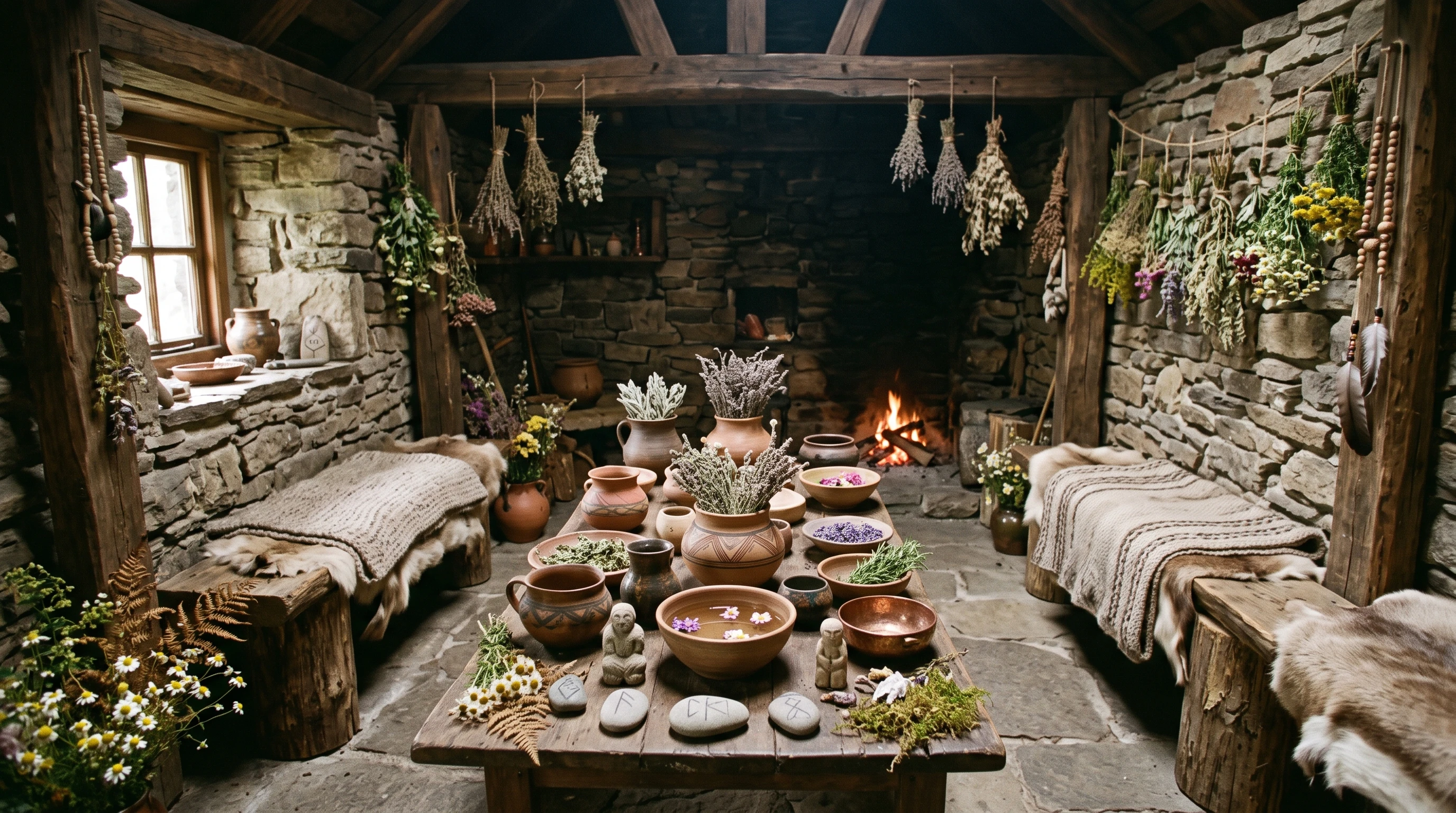
Create a Sacred Space: Designate a small area in your home for your wellness practices. Maybe it’s just a chair by a sunny window, a cozy rug, or a corner with your favorite plant. By returning to this spot, you tell your brain it’s time to relax.
Connect to the Seasons: Many ancient rituals change with the time of year, like flower baths in spring or warming spices in winter. Tuning your rituals to the season adds a new layer of meaning and enjoyment.
Ancient Wellness Rituals in Everyday Life
These rituals weren’t just for the elite or spiritual leaders. In the past, regular folks used simple, practical techniques to keep their families healthy. For example, soaking feet in warm water at night had both physical and symbolic benefits; it felt good and helped signal the day’s end.
- Family Healers: Grandparents in many cultures had a vast knowledge of plantbased remedies, massages, and folk cures, passing them down generation after generation.
- Community Wellness: Public bathhouses, group dances, and prayer circles weren’t just for fun, they offered social connections, too, which modern science now shows are super important for mental and physical health.
- Cleansing Rituals: Taking time to clean living spaces with salt, herbs, or fresh water wasn’t just about dirt but starting fresh, which helped with stress and focus.
Frequently Asked Questions About Ancient Wellness Rituals
People often have the same few questions about getting started with these ageold practices, so here are some straightup answers:
Question: Are ancient wellness rituals safe for everyone?
Answer: Most basic rituals, like herbal tea or gentle stretching, are pretty low risk. Still, anyone with allergies, health conditions, or who takes medication should doublecheck new herbs or supplements with a health provider.
Question: How do I avoid “cultural appropriation” when borrowing rituals from other backgrounds?
Answer: Showing curiosity and respect makes all the difference. Learning about the history and meaning behind each ritual not only deepens your practice but also avoids unintentionally disrespecting someone else’s tradition.
Question: Will these rituals help with stress or anxiety?
Answer: Many people find that ancient wellness habits add calm and focus to their lives. Practices like breathwork, journaling, and slow movement can reduce stress, but don’t hesitate to get help from a pro if you ever feel overwhelmed.
Bringing Ancient Wellness into Modern Life
What stands out the most for me about ancient wellness rituals is how flexible they are. You can tailor them to your needs, time, and space. Taking even a few minutes for yourself with a cup of herbal tea or a mindful walk can feel like a tiny dose of oldschool wisdom. I like to keep things simple and focus on what feels soothing. Wellness really can be as easy as pausing to breathe or enjoying a warm bath at the end of the day.
Choosing to try ancient wellness rituals brings a little more intention and calm into your routine. No need for perfection, just curiosity and a little patience with yourself. These traditions have lasted for a reason, and even small steps can add up to a big difference over time.