
If you’re interested in physical therapy or strength training, you might have come across the steel mace—or just “mace”—as a tool for building strength and improving mobility. Even though mace training shows up more and more in rehab and fitness programs, it’s common to struggle with some mistakes at the start. I’ve watched both patients and new trainers bump into a few pretty typical hurdles. Knowing what these mistakes are and how to fix them can really improve your physical therapy results and keep you safe along the way.
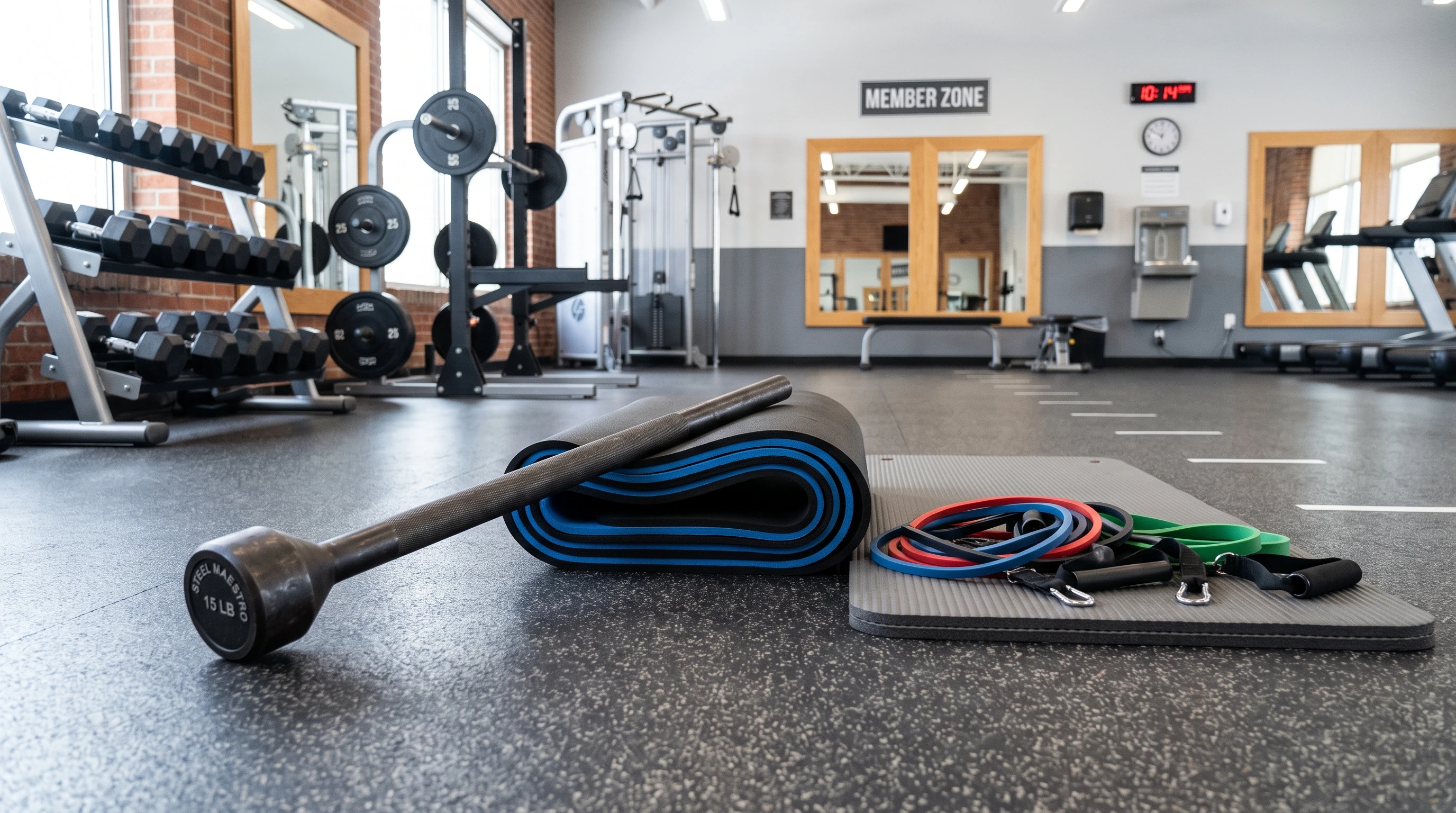
Why Mace Training in Physical Therapy Deserves Attention
Physical therapists have started to add steel mace work to rehab plans because of its versatility. A steel mace, basically a weighted, unbalanced bar, challenges muscles to stabilize and coordinate in ways most regular gym equipment just can’t. Clinicians use it for shoulder rehab, core activation, and dynamic balance, making it a super useful option for building functional strength.
Since mace moves often feel foreign at first, especially in a rehab setting, it’s easy for patients to fall into some rookie errors. Addressing these can prevent injuries and help people actually get the mobility, stability, and postural gains they’re after. The mace’s versatility lets therapists try creative drills that work multiple muscle groups while demanding focus, so learning good habits with this tool can set you up for success far beyond the rehab room.
Common Mace Training Mistakes in Physical Therapy
I see a few big mistakes come up over and over when patients or even new trainers start working with the mace. Understanding these will help anyone using the mace in therapy get better benefits from every session. It’s easy to think you’re doing well but subtle errors can sneak in if you aren’t careful. Awareness and attention to basics make a real difference.
- Poor Grip and Wrist Alignment: Most people gripping a steel mace for the first time end up either squeezing too hard or not paying attention to wrist position. This can cause wrist pain and even make the movement less effective.
- Rushing Through Movements: Steel mace training rewards control, not speed. Swinging too fast reduces muscle activation and increases the chance of tweaking the shoulder, neck, or even hitting yourself with the mace.
- Using the Wrong Weight: Beginners sometimes go too heavy too soon. Maces are deceptive; ten pounds might not sound like a lot, but that unbalanced design requires good technique and coordination. Going too heavy instantly leads to poor form and a higher risk of injury.
- Ignoring Core and Posture: Mace exercises force you to stabilize your entire midsection. Letting your core relax, or compensating with your lower back, makes these drills less effective and sometimes even risky.
- Lack of Full Body Engagement: Trying to power moves only with your arms defeats the purpose. True mace training pulls in your shoulders, back, core, legs, and grip. Missing this means missing out on the full benefit.
Even after learning these basics, it’s important not to get complacent. Regularly check that your fundamentals are still solid—old habits can sneak back in over time, especially as you move on to more complex or challenging variations.
Setting a Solid Foundation for Mace Training Success
Nailing the basics is really important in therapy, especially with something as unique as a mace. Here’s what I’ve seen work best for beginners in a physical therapy setting:
- Learn the Proper Grip: Hold with relaxed hands and a neutral wrist. Start with two hands until you’re comfortable with the movement pattern. Check the way your knuckles line up toward the sky and keep your fingers wrapped but not locked.
- Start Light and Progress Slowly: There’s no need to grab the heaviest mace in the gym. Even experienced athletes benefit from starting with a 5 or 7 pound mace, especially during rehab. You can always take things up a notch once form is locked in.
- Emphasize Controlled Movement: Quality over quantity wins every time with mace swings. Slow things down; this gives the nervous system a real workout and ensures small stabilizing muscles stay in the game.
- Focus on Core Bracing: Before each move, take a second to brace your abdominals, tuck your hips slightly, and set your ribs down. This protects your back and helps build the mind-body connection therapists aim for.
- Use Mirrors or Video Feedback: Visual feedback lets you spot mistakes you might not feel. Watching your own movement helps you catch misalignments early and develop better body awareness.
Mixing these habits together gives beginners an extra boost of confidence and may prevent unnecessary setbacks. If you can build foundational skills early, you’re much more likely to enjoy sustainable, pain-free progress.
Physical Therapy Mace Drills Worth Checking Out (and Common Pitfalls)
Physical therapists love the mace for how well it targets weak links in common injury rehabs. Some drills show up in therapy sessions more than others for good reason:
- Mace 360s: Swinging the mace around the head challenges shoulder stability and rotation. Mistake: Letting elbows flare too wide, which can stress the shoulder joint.
- Mace Switch Squats: Passing the mace side to side as you squat helps coordination and midline strength. Mistake: Leaning the torso or letting the knees cave in under load.
- Offset Overhead Presses: Pressing the mace overhead with one hand on the tail and one near the head trains anti-lateral flexion. Mistake: Arching the back or craning the neck forward during the press.
- Rotational Lunge with Mace: Lunging as you rotate the mace across the body builds full body athleticism. Mistake: Letting the front knee collapse inward or rounding the upper back.
It’s always tempting to jump into the more eye-catching moves, but small details like elbow angle, knee tracking, or grip alignment matter more than flash. Stay aware and keep refining your form—these basics are the engine that powers safe improvement.
How to Keep Your Mace Training Safe and Effective During Rehab
Mace training during physical therapy sometimes requires a little more caution, especially if you’re working through pain or limited range of motion. Here’s what I recommend for safety and progress:
- Stick to Low Reps, More Sets: This lets you practice frequently without getting fatigued or sloppy. It also helps your brain learn the complex movement patterns.
- Check in With Your Therapist: Always confirm new moves or intensity jumps with your therapist if you’re in a rehab plan. Personalized feedback is priceless.
- Don’t Ignore Soreness or Pain: Mace training asks a lot from stabilizer muscles you might not have used before. If pain crops up in wrists, shoulders, or back, back off and assess your form right away.
- Proper Warm Up: Warming up joints and muscles, especially shoulders, wrists, and lower body, prepares you to handle the awkward loads a mace provides.
It’s also wise to be honest about your energy levels every session. If you feel off, take a step back rather than risking a setback that could undo all your gains. Staying sharp and checking in with your body each day is your first line of defense.
Mace Training Mistakes and How to Troubleshoot Them
Here are a few quick tips for the mistakes I see most often in physical therapy settings:
- Wrist Pain: Usually caused by over-gripping or bending the wrist. Try loosening your grip a bit and keeping the wrist straight in line with the forearm.
- Low Back Soreness: Usually a sign your core isn’t doing its job. Pause, reset your abs, and focus on keeping your ribcage tucked down throughout the movement.
- Shoulder Clicking or Strain: Check if you’re swinging out of your comfort zone or if the mace weight is just a touch too high. Go down in weight and keep elbows and shoulders in their natural path.
- Difficulty Balancing: Maces can pull you off center, especially as you get tired. Plant your feet, bend your knees a bit, and ground yourself before each rep.
If these troubles keep coming up, don’t feel bad—lots of people run into them. Sometimes, simple changes like adjusting foot placement or reducing mace weight are all it takes to get back on track. Continually ask for feedback or take short video clips to spot the small issues you may miss during movement.
Cool Features of the Mace That Benefit Physical Therapy
A steel mace is pretty simple, but that’s part of its magic. Here’s what I love about it for physical therapy and why patients like it too:
- Unilateral Loading: Forces each side of the body to work independently. This is great for fixing sidetoside imbalances after injury.
- Grip and Forearm Strength: Just holding onto a mace challenges wrists and hands in a way dumbbells rarely do, which helps with everyday tasks.
- Shoulder Mobility: Moves like the 360 help restore mobility and stability after rotator cuff or shoulder injuries.
- Full Body Coordination: Mace work demands that your shoulders, core, hips, and legs all stay connected, which builds real world functional strength.
Having a versatile tool that addresses so many weak points at once makes the mace a special element in rehab programs. It keeps therapy engaging for patients and provides progress that carries over into many daily activities.
Frequently Asked Questions About Mace Training in Physical Therapy
People usually have a lot of questions about where the mace fits into rehab and strength training. Here are a few I see most often.
Question: Can anyone use steel mace exercises during physical therapy?
Answer: Most people can benefit, but you should always check with your therapist, especially if you’re working with recent injuries or limited mobility. Some modifications can make mace moves much safer and more doable.
Question: How do I know what weight mace to start with?
Answer: Most therapists will recommend starting light, usually between five and seven pounds for new users. If even that feels wobbly or awkward, go lighter if possible, and increase only when your form stays clean for every rep.
Question: Are there any conditions where mace training should be avoided?
Answer: If you have significant joint instability, recent fractures, or severe pain during basic activities, the steel mace might not be right yet. It’s always important to discuss new tools with your health provider.
Smart Ways to Get the Most Out of Mace Training in Rehab
Improving at mace training in physical therapy is all about patience, honest feedback, and slow progressions. I’ve seen people bounce back from nagging shoulder or back pain and develop genuine confidence by sticking with the basics, taking their time, and asking for help when things feel off.
Quality reps, an open mind, and a team approach with your therapist go a long way. With the right approach, mace training can turn into a really fun and rewarding part of your recovery or strength program. Always remember, it’s the simple changes and regular check-ins that stack up—before long, you’ll look back and be surprised at just how much progress you’ve made with this unique tool.