Building strong legs is one of the best things I’ve done for my overall fitness. Whether I’m aiming to get better at sports, move with less pain throughout day-to-day life, or simply feel more confident in my workouts, my leg strength has always played a big role. Leg strength isn’t just about squats either; there are a wide range of exercises and strategies out there that can really take your lower body up a notch. In this guide, you’ll get the basics of leg training, practical exercises worth adding to your routine, and a bunch of tips I’ve picked up from years of hitting the gym and soaking up advice from coaches.
Why Leg Strength Matters (and How It Helps You Day-to-Day)
Strong legs do far more than just help you lift heavier at the gym. Healthy, powerful legs guide you through daily motions like walking, climbing stairs, getting up from a chair, or picking up a heavy box with ease. I’ve noticed I stand taller with better posture and experience less back pain as my lower body got stronger, since the legs, hips, and core all work together to keep you balanced and upright. Leg strength lets you move more explosively in sports, lift objects safely at work, and brings down your risk of falls or injuries, especially as you rack up the years.
Beyond those everyday wins, leg training gets your heart pumping fast, burns a ton of calories, and helps build muscle that supports your metabolism. Training your legs isn’t just for athletes or gym goers—it’s super useful at every age and fitness level. Even folks who are mostly sedentary benefit a great deal by giving their lower body a boost once or twice a week.
Leg Muscles You’ll Target
When I’m putting together a leg workout, I aim to hit all the main muscle groups in my lower half. Here’s a quick rundown of what you’re working with:
- Quadriceps (Quads): The front of your thigh. Helps straighten your knee and stabilizes things when you walk, run, or squat down.
- Hamstrings: The back of your thigh. Kicks in when you bend your knee or hinge at the hips. Super important for explosive strength and keeping your knees healthy.
- Glutes: Big muscles in your butt and hips. These help you extend your hips and keep your movement smooth and powerful.
- Calves: The lower leg muscles, including the gastrocnemius and soleus. Key for balance, jumping, and every single step you take during the day.
- Adductors & Abductors: Your inner and outer thigh muscles. They help move your legs in and out, and steady your hips all the time.
You don’t have to target every group with each exercise, but a balanced approach keeps everything working together and prevents those weak spots that can lead to injuries.
The Basics: Getting Started Safely with Leg Training
If you’re new to leg workouts or making a return after some time away, sticking with proper form is mission critical. I always recommend an easy warm up—think dynamic stretching or a brisk walk—to get your blood flowing and joints ready for action. Then, before you load up the weights, try each move with just body weight first to nail down your technique and ensure your movement feels right. Good basics lead to steady progress over time and help you steer clear of unwanted injuries.
Another helpful thing? Starting with shorter sessions two times a week and gradually working up to more as your strength and comfort grow. Don’t forget to stretch after your session, focusing on hamstrings, quads, and calves to keep you limber and less sore the next day.
Foundational Leg Strength Exercises
Now for the go-to exercises that build a rock solid lower body. Here’s what I always keep in my workout rotation, and why:
- Squats: Amazing for quads, glutes, and hamstrings. Stand with feet shoulder width, squat down (keep chest up, knees in line with toes), then drive upwards. Do these with just your bodyweight, a barbell, or dumbbells for extra challenge.
- Lunges: Step one foot forward, lower your back knee toward the ground, then push back up to standing. You can do walking lunges or stay in place. These boost balance and strength at once.
- Deadlifts: Target hamstrings, glutes, and your lower back. Hinge at the hips with a straight back, pick up a barbell or dumbbells, stand tall, then return the weight gently. Romanian deadlifts (with slightly straighter legs) zero in on the hamstrings.
- Glute Bridges: Lay on your back, knees bent, feet flat on the ground. Press your hips towards the ceiling and squeeze at the top. You can stack weight on your hips as your strength increases.
- Step Ups: Step up onto a sturdy bench or box and step back down. This single leg move knocks up your balance and strengthens your whole lower body. Hold dumbbells to add intensity.
- Calf Raises: Stand tall and press through your toes to lift your heels off the floor; lower back down slowly. This one keeps your calves strong for running, hiking, or daily walking.
These moves cover every critical muscle in your legs and can be done in various ways: with machines, dumbbells, barbells, or just your body weight.
Top Tips for Progress and Avoiding Plateaus
If you want to get stronger, you need to keep nudging your workouts forward. Here are a few tricks that have helped me keep making gains, year after year:
- Add Resistance Gradually: Start light, get your technique sharp, and add weight in small amounts as you get stronger. Jumping up too quickly can derail your progress or lead to aches.
- Adjust Range of Motion: As your mobility gets better, deepen those squats and lunges. You’ll fire up more muscle fibers and see better results all around.
- Mix Up Rep Ranges: For pure strength, stick to sets of 4 to 8 reps with heavy weights. For muscle endurance, go for more reps at a lighter weight. Flipping between these styles every few weeks keeps things interesting and your body guessing.
- Pace Yourself: Trust me: leg days are legendary for soreness. Space out the hard sessions, lock in your recovery, and don’t be afraid to ease up if you’re feeling wiped. A good rest day helps you build back even better.
Things to Consider Before You Start Piling On Weights
Adding more load is exciting, but don’t skip these basics first:
- Knee and Hip Health: If you’ve had past injuries, move slowly. Speak to a fitness expert or physiotherapist about what adjustments work best for you.
- Footwear and Surface: Make sure you’re wearing supportive, grippy shoes and training on a safe, non-slip floor.
- Proper Warm-Up and Cooldown: Don’t skimp on prepping your muscles before and after—they’ll recover faster and move better next time.
- Balance and Flexibility: If your form is shaky, toss in some single leg balance moves and try stretching more often. Building balance keeps you steady and prevents tweaks.
How to Modify If You’re Working Out at Home
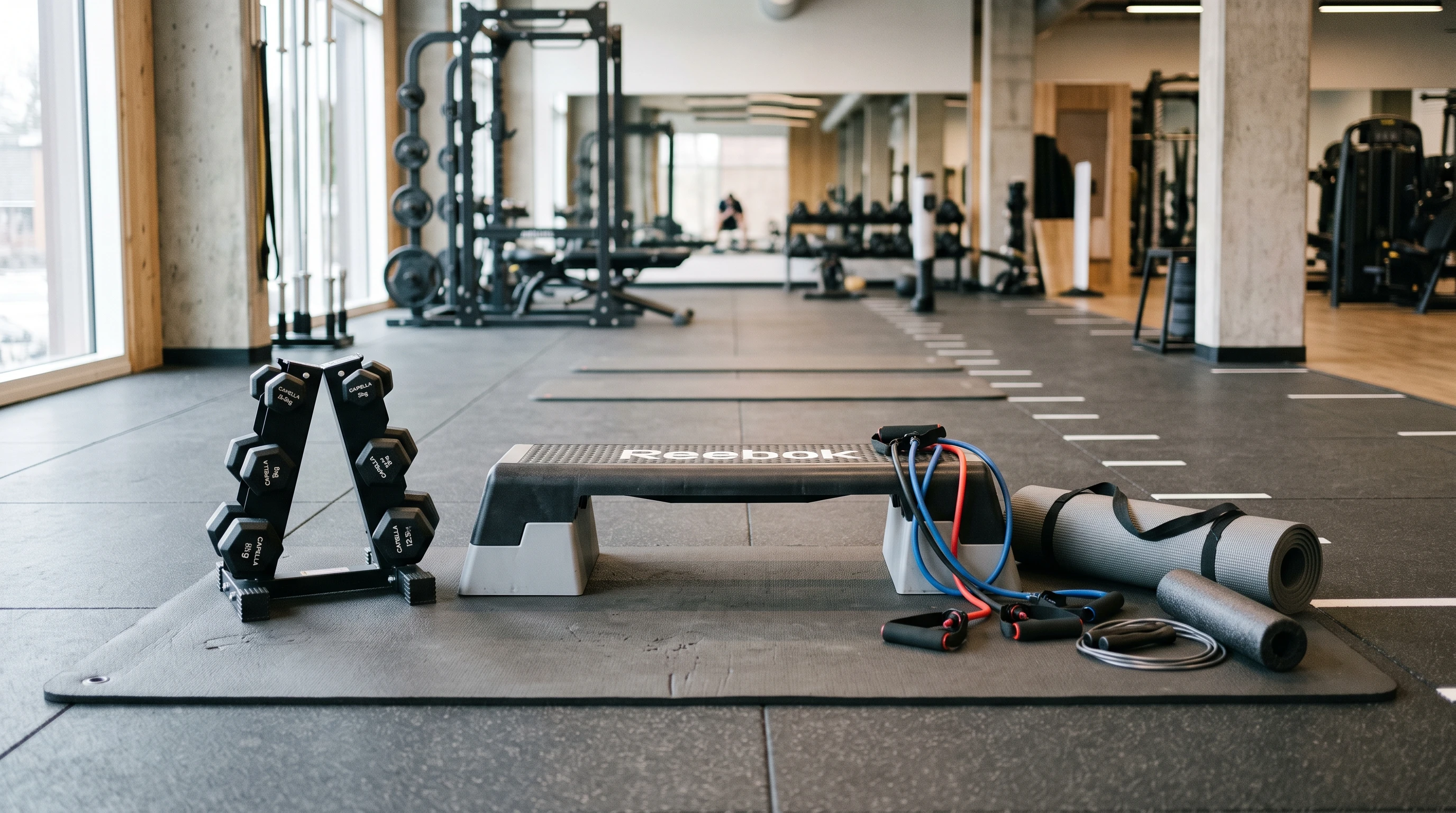
No gym membership? No sweat—most of these exercises work right in your living room. Backpack full of books? Instant dumbbell. Resistance bands can give a solid boost, and bodyweight moves like jumping squats or split squats can absolutely get your legs burning. You can also step onto stairs instead of a box or use a couch for Bulgarian split squats. There’s always a creative option, no matter your space or equipment.
Advanced Moves: Leveling Up Leg Workouts
Ready to set your leg workouts on fire? These advanced exercises build major strength, stability, and control:
- Bulgarian Split Squats: Stand in front of a chair or bench, place one foot behind you, and squat down on your working leg. This will light up your quads and glutes, plus dial in your balance.
- Pistol Squats: On one foot, lower as far as your strength and flexibility allow, reaching your free leg forward. Super tough at first, but you can steady yourself by using a chair or TRX strap for balance.
- Nordic Hamstring Curls: Kneel on a cushion, anchor your ankles, and lower your chest slowly toward the floor, then power back up. A challenging yet awesome way to bulletproof your hamstrings.
- Sled Pushes or Hill Sprints: Want explosive power? Load up a sled to push or find a steep hill for sprints. Both teach your legs to work hard and recover fast.
These moves aren’t for beginners, but adding one or two as you build strength helps you break through plateaus and keeps things fresh.
Real-World Benefits of Stronger Legs
I notice my day-to-day leg strength most when I run up stairs or scoop up a heavy bag without straining my back. Runners and athletes jump higher and sprint faster, parents keep up with kids, and anyone who walks a lot faces fewer aches and pains. Strong legs ramp up stability, which cuts your risk of tripping or falling—a big deal as you age. And if you hate cardio, good news: many leg workouts double as killer cardio sessions.
- Smoother Sports Performance: Faster sprints, higher jumps, and harder tackles, all thanks to solid lower body muscle.
- Everyday Confidence: Carrying groceries or moving furniture is no problem, and stairs are less daunting.
- Better Metabolism and Heart Health: The more lower body muscle you carry, the more calories you burn—even when you’re at rest. Plus, higher intensity leg workouts fire up your heart rate and boost cardiovascular health.
From teenagers to grandparents, strong legs make every day better, whether you’re training for a sport, chasing after kids, or just enjoying an active lifestyle.
Frequently Asked Questions
Here are some of the most common questions I get about building leg strength:
Question: How often should I train legs?
Answer: Two to three times per week works for most folks. Spread sessions out over non-consecutive days so your muscles have time to recover and grow stronger.
Question: Is it bad to train legs and run on the same day?
Answer: That depends on your goals. If you’re working on strength, keep heavy leg sessions and long runs on different days. But a light jog after a strength workout can help work out soreness and boost recovery.
Question: Do I need machines, or can I build leg strength at home?
Answer: You can get a killer workout using free weights, bodyweight, and resistance bands—no machines required. The main thing is to keep your muscles challenged by upping reps, sets, or resistance as you go.
Wrapping Up: Sticking with Your Plan
There’s no all-in-one routine for perfect leg strength, but mixing up the exercises listed here is a solid place to get started. Consistency and steady progress matter a lot more than crushing yourself in one session then burning out. Remember to track your progress, keep workouts varied, and don’t slack off on those leg days—they’re vital for just about everything else you want to do!
Try adding some of these moves to your next workout, pay attention to how your body feels, and keep stacking up the progress. Leg day doesn’t have to be scary—it might just turn into your favorite part of your week!