
Mace training is showing up in gyms and home workout routines everywhere, but it’s not just about swinging a chunk of steel. A lot of people ask how mace exercises step up rotational movement and help support healthy spines. Since these topics can be confusing if you’re new to unconventional training, I’ll break it all down with real examples that show why a steel mace is worth including in your fitness routine.
What Makes Rotational Movement And Spinal Health So Important?
If you think about moving through daily life — twisting, turning, reaching, and even bending to pick something up — those movements rely on rotation. Rotational strength and mobility make everyday tasks easier and help reduce the risk of back injuries. When I started focusing on rotational training, my core got stronger and my back felt a whole lot better, especially after long days at the desk.
Your spine moves more than just forward and back; it also rotates and bends side to side. Training those movements directly goes a long way in keeping your back healthy. Neglecting them often leads to stiffness and discomfort. So, keeping your spine mobile and supported by strong muscles matters for long-term health and daily comfort. Many people forget how much we use these movements—standing up from a car, lifting a bag from the floor, or walking up stairs all require rotation or diagonal movements. Developing these can help you avoid injuries from sudden twisting, and even improve coordination for recreational sports like basketball, pickleball, or even gardening.
Mace Training Basics: What Happens During A Steel Mace Workout?
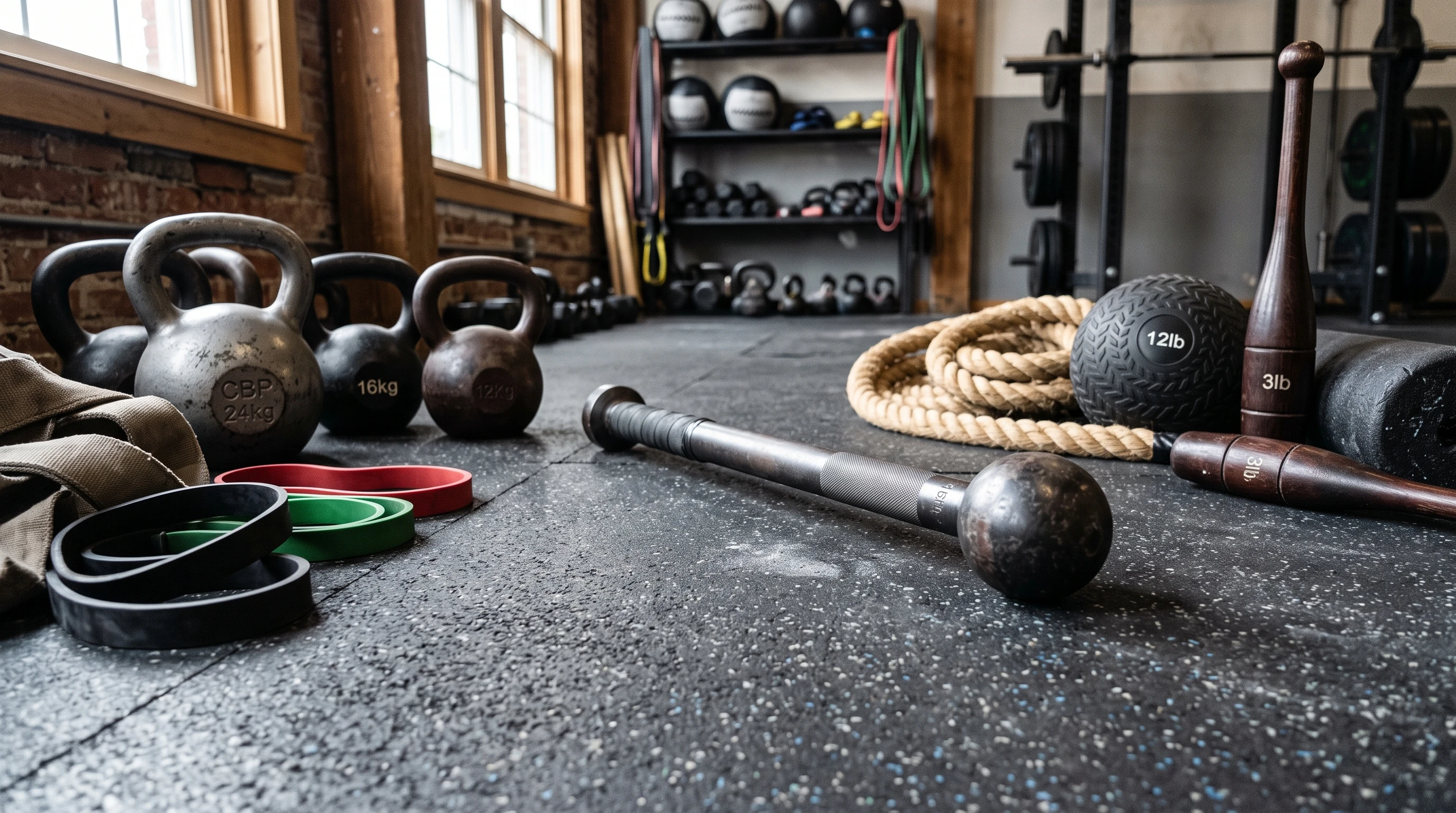
The steel mace (sometimes called a macebell) is a long handle with a weighted ball on one end. When you grip the handle, you get an uneven load: one side is heavy while the rest is light. This kind of uneven resistance challenges your muscles to stabilize and rotate, quite unlike most traditional weightlifting tools.
- Offset Weight: The weighted end pulls your body off center, making your core work overtime to keep you steady, especially during arcs, circles, or rotations.
- Full Body Involvement: Nearly every mace movement draws in your hands, wrists, arms, shoulders, chest, core, and even legs. It’s a seriously dynamic way to move.
- Movement Patterns: Mace exercises are often circular or swinging. Swings, 360s, and mills all blend rotational power and strength at the same time.
The first time I tried the 360 swing, my abs and the muscles around my lower back felt like they’d woken up for the first time. It’s a wake-up call for old movement patterns most of us didn’t know we’d been missing out on.
How Mace Training Supports Rotational Movement
Mace training is great for building rotational strength because you’re constantly working through arcs and twists. Moves like the 360 or the “gravedigger” really make your core and spinal muscles work hard to stabilize while you rotate. You don’t need a heavy mace to get results; lighter ones are usually better for learning and getting quality movement.
- Dynamic Core Strength: Exercises force your core to brace gently and keep the spine safe as you twist. This boosts your body’s ability to handle quick turns and sudden rotations in real life.
- Anti-rotation Resistance: Swinging the mace gets your oblique muscles and spinal stabilizers to stop unwanted motion. This is a hidden but crucial skill for protecting your back.
- Improved Coordination: Training rotation with a mace makes you more coordinated, as you learn to connect your hips, core, and shoulders. Over time, you move more smoothly during both workouts and daily life.
People who do rotation-heavy sports, like golf or tennis, notice better power and more freedom of movement after adding mace swings to their workouts. Even reaching back into a car seat or twisting to grab something can become easier and less stressful with this kind of training.
The Mace And Spinal Health Connection
Mace workouts help spinal health in several ways:
- Active Mobility: Most mace moves don’t just build strength; you also practice controlled mobility, like gently bending and rotating without straining yourself. You train to move through your range safely, which helps keep your joints happy.
- Postural Awareness: Since it’s easy to slip out of form with a mace, your body learns to maintain better posture even as you get tired. This kind of self-correction is incredibly important if you sit a lot or have a desk job.
- Strong Stabilizers: The little muscles along the spine, like the multifidus and other deep core muscles, get direct work. This helps maintain spinal health and gives you a solid foundation for everything else you do.
I noticed my own back tension from sitting too long started disappearing once I picked up the mace. The magic wasn’t just strength—the way these exercises made me move through my full range without losing control paid off in fewer backaches and better posture throughout my day. Over time, this training can actually help keep chronic aches at bay and fend off future problems.
A Quick Guide To Getting Started With Mace Training
Kicking off mace training may seem intimidating, but it really comes down to a few steps:
- Pick Your Mace: Most beginners do best with a 7- to 10-pound steel mace. Heavier maces look impressive, but lighter ones let you learn good technique safely and with more control.
- Master Basic Moves: Start with foundation skills, such as two-handed 360 swings, the uppercut, or gravediggers. Slow it down, break down each step, and focus on control over speed.
- Train Rotation Thoughtfully: Pay attention as you move through your range—don’t force anything. If you feel resistance, back off and let your mobility build over time.
- Mix In Mobility Drills: Blend static holds, like overhead presses with the mace, and gentle rotational movements. This adds up to more control, greater flexibility, and even better strength.
- Balance Both Sides: Since imbalances sneak up on us, make sure to practice equally on both your left and right sides. Film yourself or track your reps to keep things even.
If the mace feels confusing, check out steel mace video tutorials or find reputable fitness coaches online. Understanding the basics before swinging away is key to staying safe and getting results.
Common Challenges When Starting Mace Training
Every new training tool comes with its share of bumps. Here are a few common hurdles you might face with mace training—and how to handle them:
- Grip Fatigue: The first thing you’ll feel with a mace is grip and wrist fatigue, especially in longer sets. Using chalk, taking rest, and sticking with lighter weights early on really helps.
- Coordination: Many moves feel awkward at first. Go slow, watch breakdowns from experienced trainers, and remind yourself that learning new movement patterns takes time and patience.
- Overrotating: Using too much momentum early in your mace journey can risk a tweak to your lower back or shoulders. Control matters most—start with small swings, then build up once you’re comfortable.
- Form Slips: Everybody loves flashy moves, but smart training starts with lining up your body and moving right. Using video feedback or a coach can help keep you on track.
My own frustrations faded within a few weeks, just by going lighter, practicing more often, and staying patient through that awkward early stage. Remember, consistent practice is way more valuable than perfect technique right out of the gate.
Grip Training
It’s normal for your hands to get tired before anything else at first. Grip strength builds pretty quickly if you don’t overdo it. Add in some simple grip exercises or rest your hands as needed to help things along.
Building Core Stability
The rotational force from the mace makes your deep core muscles work much harder than regular crunches. Planks and antirotation drills are great, but nothing lights up your obliques and spine-stabilizing muscles like a couple rounds of steel mace swings and rotations. You might even notice more definition and less stiffness after just a few weeks of training.
Mobility And Flexibility
If you’re tight in your shoulders or hips, slow mace movements can stretch and mobilize those joints over time. Controlled arcs are a gentle way to unlock tight spots and gradually boost your flexibility. Adding a few shoulder or thoracic mobility exercises before and after your mace session can make the benefits even greater.
Real-World Examples Of Mace Training For Rotation And Spine Health
- Athletes: Many golfers and tennis players use mace work to improve their swing mechanics and actually cut down on low back pain. Rotation, balance, and strength all come together for better sports performance.
- Desk Workers: If you sit all day, upper body mobility sessions with the mace can perk up your posture and shake out that stiff, hunched feeling from hours at the computer.
- Active Lifters: Folks who stick with traditional barbell exercises find their squats, deadlifts, and overhead pressing form improves with the rotation and stability they get from mace drills.
I recall a story: a friend who always dealt with nagging mid-back tightness began using the mace for just five minutes of mobility twice a week. In a month, he said his need for a heating pad was gone—and his energy in daily life went way up.
Frequently Asked Questions
Here are a few questions I often get about mace training and spine health:
Question: Is mace training safe for people with back issues?
Answer: With the right approach, mace exercises can actually help people build supportive strength around the spine. However, those with injuries or sharp pain should check in with their doctor or a physical therapist before jumping in. Always start light and stay mindful of your form.
Question: How often should I train with a steel mace?
Answer: Beginners usually do great with 2-3 mace training sessions a week. Recovery is important—grip and shoulders need time to adjust at first.
Question: What other equipment works well with mace training for spinal health?
Answer: Resistance bands, stability balls, and classic bodyweight moves (like planks and birddogs) mix well with mace training for a smart approach to spinal mobility and core strength.
Bringing It All Together: Where Mace Training Fits Into Your Routine
Steel mace workouts can easily slot into lots of different routines. Whether you want more rotational strength for sports and daily movement, or just crave a fresh challenge to keep your back feeling good, adding mace swings and rotational drills makes a difference. The best progress comes from regular practice, careful attention to form, and moving with control through your available range.
Mace training feels just as rewarding during a full gym session as it does in a quick home workout. I’ve noticed it can break up the boredom of standard lifting and offers a new challenge while giving your spine much-needed mobility and stability. If you’re interested in keeping your back in good shape while learning a next-level cool way to train, the steel mace is absolutely worth checking out.