
Sea salt does a lot more than just flavor food. Thanks to its natural minerals, it’s become a go-to ingredient in skin and hair care for plenty of people. I’ve personally seen some really cool changes when I started using it in my beauty routine, and I’m always surprised at how many benefits it offers beyond just being a simple pantry staple. In this guide, I’ll show you how sea salt can help transform your skin and hair, along with some easy ways to get started.
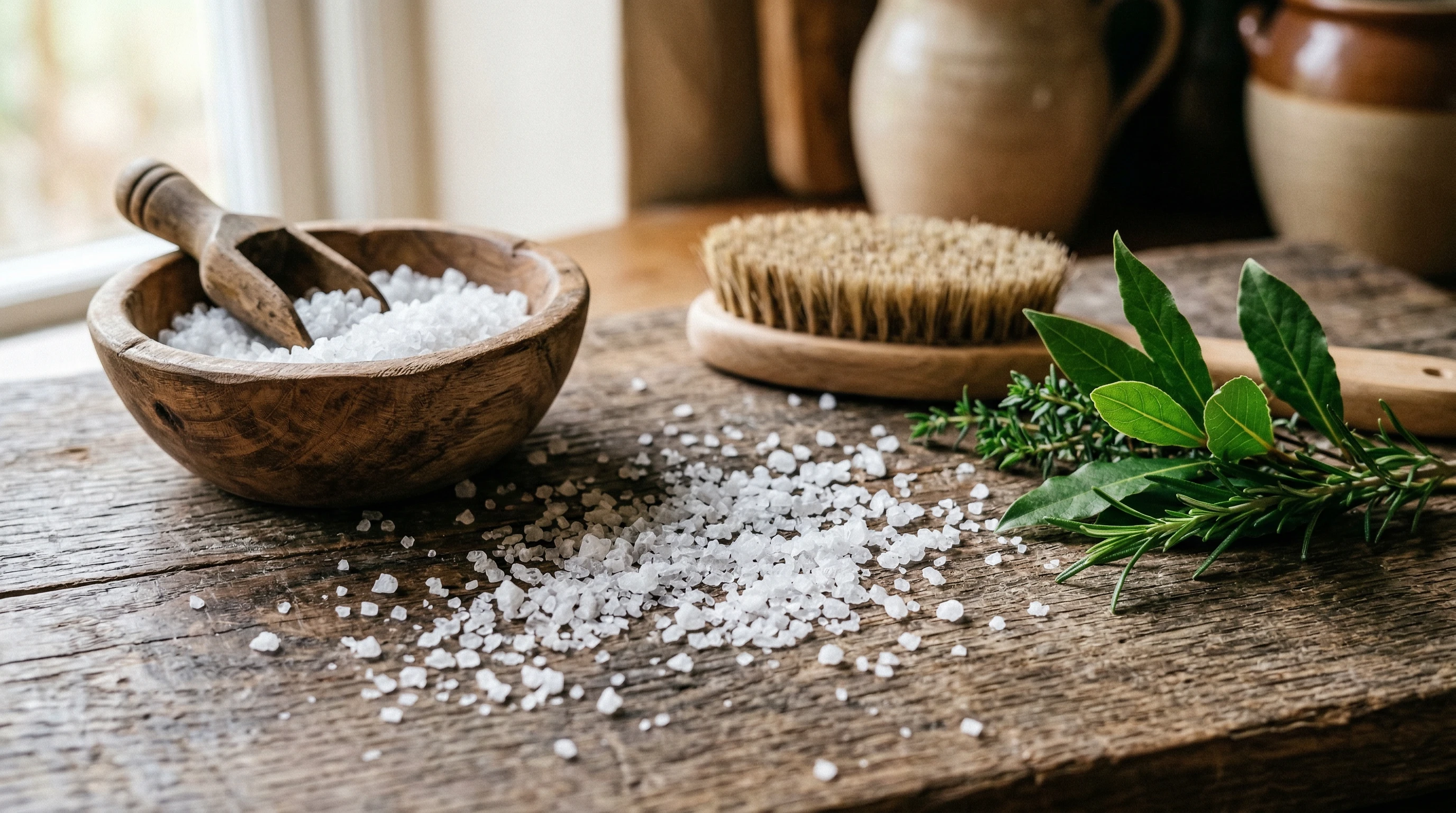
Why Sea Salt Works So Well for Beauty
Sea salt is basically salt that’s been naturally harvested from evaporated seawater, and it’s less processed than typical table salt. That’s why it holds onto minerals like magnesium, calcium, potassium, and more. When you use it on skin or hair, these minerals can help balance, cleanse, and nourish in some pretty noticeable ways.
Sea salt has a reputation in the beauty world for acting as a natural exfoliant and detoxifier. Unlike some harsh scrubs or chemical ingredients, it breaks down gently and doesn’t just sit on your skin. The minerals can hydrate, calm irritation, and even give your complexion a refreshed look.
People have been soaking in mineral-rich salt baths for centuries. Studies and dermatology sources say that minerals in sea salt can actually help improve how the skin barrier works, which is really important if you want healthy, hydrated skin (NCBI: Dead Sea Minerals in Dermatology).
Starting Out: Simple Ways to Use Sea Salt for Skin
The best part about using sea salt in your routine is how versatile it is. You don’t have to go out and buy expensive products; many easy routines use just basic ingredients.
- As a gentle exfoliator: Sprinkle a pinch of sea salt into a small amount of your favorite cleanser. Massage gently onto damp skin in circular motions, avoiding the eye area.
- For a clarifying face mask: Mix a teaspoon of sea salt with honey or plain yogurt. The combination draws out impurities and hydrates at the same time. Let it sit for about 10 minutes and rinse with lukewarm water.
- In a DIY toning spray: Dissolve a half teaspoon of sea salt in a small spray bottle filled with filtered water. Spritz on clean skin for a refreshing, mineral boost that can help with oil control.
Sea salt is especially helpful if you have oily, acne-prone, or combination skin. It can help reduce that shiny look and keep pores less clogged. Just be careful with frequency. Using it too often or with too much pressure may dry or irritate sensitive skin types.
Natural Hair Care: Sea Salt Benefits and Simple Treatments
Sea salt isn’t just great for your skin; it can work wonders for your hair, too. The reason is pretty simple: sea salt helps refresh the scalp, exfoliate away buildup, and even boost volume.
- Scalp scrub: Mix one tablespoon of sea salt with a tablespoon of coconut or olive oil. Gently massage into your scalp before shampooing. This can help shift dandruff, flakes, or product buildup and leaves your roots feeling really clean.
- DIY sea salt spray: Dissolve a teaspoon of sea salt in a cup of warm water. For style and extra shine, add a few drops of argan or jojoba oil and a little aloe vera. Spray onto damp hair and scrunch for easy, beachy texture.
- Clarifying rinse: Add half a teaspoon of sea salt to a cup of water, then pour over your scalp after shampooing but before conditioning. This helps reset your scalp, especially if it feels oily or heavy from styling products.
I’ve found that using a sea salt scalp scrub once or twice a week really keeps my roots cleaner and less weighed down. The homemade spray has given me soft, natural waves without all the stickiness you sometimes get from storebought texture sprays. Plus, the minerals found in sea salt nourish the scalp, making its use even more beneficial for a healthy hair routine.
Easy Sea Salt Bath for Soothing Skin
A sea salt bath is an old-school remedy for tired muscles and irritated skin. Just adding a generous cup of sea salt into a tub of warm water creates a soaking experience that feels both calming and restorative. You can toss in a handful of Epsom salt for added muscle relief, but regular sea salt already brings a lot of those relaxing minerals.
If you’ve ever dealt with body acne, rough patches, or dry itchy skin, a weekly soak can really help. Those minerals help lock in moisture and restore skin’s natural pH. People with eczema or psoriasis often mention that salt baths make their skin feel way less itchy (just check with your doctor if you’re treating any specific condition). For a next-level cool experience, try adding a few drops of your favorite essential oil, like lavender, to the bath and create a spa-like feel at home. Soaks like these help ease muscle fatigue and let you unwind mentally, too.
Potential Issues and Tips for Using Sea Salt Safely
Even with all these natural benefits, I always recommend starting slow with sea salt treatments—too much salt can dry things out if your skin or scalp is sensitive. Here are a few pointers I keep in mind myself:
- Patch test: Before you go all-in with a new scrub or spray, test it on a small area of your skin to make sure there’s no irritation.
- Don’t overdo it: Two or three times a week is usually plenty for scrubs or masks; daily use is often too much for most skin and hair types.
- Moisturize well: After any salt-based treatment, following up with a nourishing moisturizer, skin oil, or hair conditioner can help prevent dryness.
- Choose high-quality salt: Sea salts from reputable brands are less likely to have additives or anticaking agents that could be harsh on skin.
If you’re ever in doubt, or if you have a history of allergies, a quick check-in with a dermatologist is a good idea. They can help you customize your approach to make sure you’re getting the good stuff without any unwanted side effects. Sometimes, taking a photo of product packaging to show your dermatologist helps when you need advice on which products to try or avoid, especially if you’re new to natural beauty routines.
Sea Salt and Sensitive Skin
Some people find even gentle scrubs a little rough. If you’re one of them, try using blends with more hydrating ingredients, like honey or oils, and keep the salt-to-liquid ratio lower. Hydration is super important; don’t skip the moisturizer after!
Ways to Get Even More from Sea Salt in Beauty Routines
Sea salt on its own has some powerful effects, but combining it with other natural ingredients brings even more perks. Here are three of my favorite quick combos:
- Sea salt + honey: For exfoliation and deep hydration, this mix draws out dirt while calming red or inflamed areas. Add a little lemon juice for a refreshing scent and a touch of brightening.
- Sea salt + aloe vera: Aloe adds extra soothing and a softer finish, making it great for after-sun skin or a summer hair rinse. For those who spend a lot of time outdoors, this blend can make your skin bounce back after sun exposure.
- Sea salt + tea tree oil: A drop or two of tea tree oil in a sea salt rinse can help keep blemishes at bay. I use this sparingly since essential oils are potent, but it’s really helpful for spot treatments.
Customizing scrubs, sprays, or soaks is pretty simple once you find what feels good for your skin and hair type. Remember to stick to smaller amounts with essential oils and always blend everything well for even results. When you start using these combos, jot down which ones give your skin or hair the best response, so you can stick with or adjust your mix easily.
Sea Salt Beauty in Everyday Life: Real-World Examples
Lots of people share their experiences with sea salt beauty online, from beauty bloggers to dermatologists. I started with DIY scalp scrubs after reading a friend’s post and noticed my roots stayed fresh for longer between washes. On vacation at the beach, I found my skin was softer and less irritated. It turns out, that “beach glow” effect gets some real credit from the minerals in sea salt and being out in the sun.
Some spas use finely ground sea salt as the base for body polishes, and luxury brands bottle mineral-rich salt sprays to add texture. While you can grab these ready-made treatments, I find basic homemade mixes are just as effective for a lot less money. As with anything, it’s about finding a routine you enjoy that leaves your skin and hair feeling their best. Even using sea salt in a hand soak can bring relief after a long day; just dissolve a few tablespoons in warm water and soak your hands for a few minutes.
- Improved scalp health: Weekly sea salt scrubs help clear away styling residue and boost overall scalp comfort for people with oily roots.
- Glowing, even skin: People using sea salt face sprays and gentle exfoliators say their skin looks cleaner and less irritated.
- Natural volume and waves: DIY sea salt hair sprays are popular for getting that easy, windswept style without heat damage. This is not only eye-catching, it’s a healthier choice than overusing heated styling tools.
Frequently Asked Questions
These are some of the questions I hear the most from people who are curious about bringing sea salt into their beauty routine.
Can sea salt help with acne?
Answer: Sea salt can help unclog pores and reduce excess oil for some people with mild acne. It’s not a cure, and it may be drying for sensitive types, so it’s smart to patch test before using.
What’s the best way to mix a sea salt hair spray?
Answer: Dissolve 1 teaspoon of fine sea salt in 1 cup of warm water, add up to 1 teaspoon of your favorite lightweight oil, and a little aloe vera. Shake and spritz onto damp hair, then style as you like.
Is there a difference between table salt and sea salt for beauty?
Answer: Yes, sea salt has more minerals and is less processed, so it tends to have extra skin benefits. Table salt is usually just sodium chloride and may have additives best avoided for beauty routines.
Your Skin and Hair, Naturally Refreshed
Sea salt can really bump up the way your skin and hair look and feel, all without pricey products or complicated steps. I’ve stuck with it for the simplicity, and the changes I’ve noticed make it something I’ll keep in my routine for the long haul. Whether you’re trying a scrub, a spray, or a relaxing soak, sea salt should be on your radar if you want a more natural way to care for yourself.
There’s no one-size-fits-all approach to natural beauty, but sea salt is a good place to start. If you’re after softer skin, healthier roots, or just a budgetfriendly mineral boost, this easy ingredient offers a lot. Make it a habit to pay attention to what your skin and hair like best, and don’t be afraid to experiment with small changes to perfect your routine. A little sea salt can let you take your natural beauty care up a notch and keep things feeling fresh and uncomplicated.