
Getting quality sleep isn’t just about your mattress or surrounding noise. What you choose to sleep in matters too, and that includes your sheets, pajamas, and even your pillowcase. There’s always the big debate: Are natural fabrics or synthetic fabrics better for sleep health? Picking the right material can make a huge difference in how cool, dry, and comfortable you feel through the night. So, I’ll break down what you need to know about each type, how they affect your sleep, and which might be the better fit for your bedtime routine.
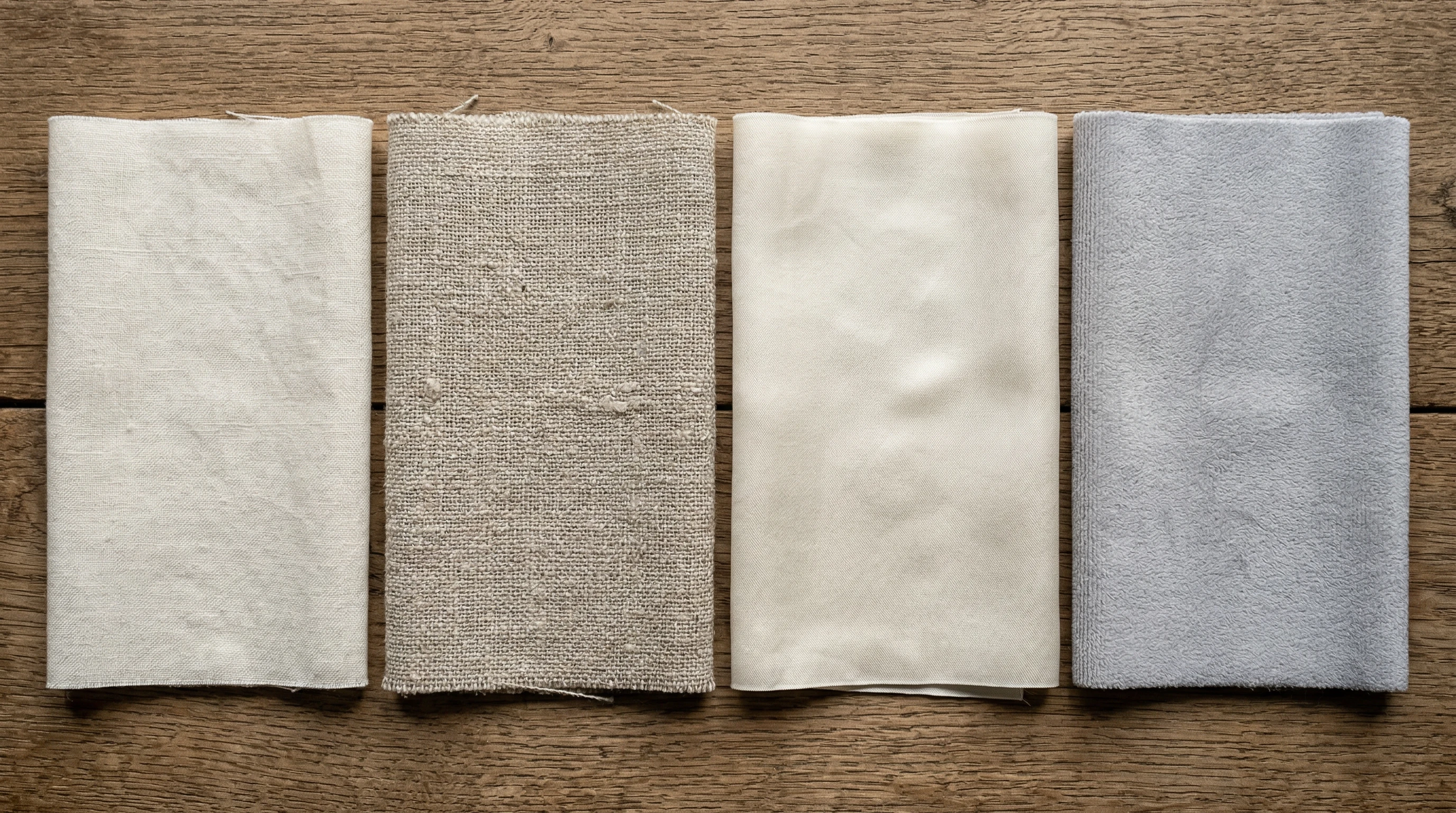
Natural vs. Synthetic Fabrics: An Overview
When it comes to sleepwear and bedding, natural fabrics usually mean cotton, linen, bamboo, wool, or silk. These are made from materials sourced directly from plants or animals, and they have their own set of perks and drawbacks. On the other hand, synthetic fabrics like polyester, nylon, and microfiber are produced through chemical processes, often designed to mimic the feel of natural fibers but with added durability or performance tweaks.
The difference between the two really comes down to how they handle moisture, temperature, and airflow. Each has a unique texture, feel, and lifespan, which means the choice you make can directly affect how well you rest.
The Science Behind Sleep Health and Fabric Choice
The fabrics you curl up in have a real impact on more than just comfort. They can affect things like your body temperature during the night, how much you sweat, and how often you wake up. Scientists have looked into these factors for years, showing that overheating, dampness, or irritation from rough materials can disturb deep sleep stages.
Natural fibers, like cotton or bamboo, are known for their ability to breathe and let heat escape from your body. This helps keep your skin cool and dry even if you’re someone who tends to sweat at night. Synthetics, on the other hand, often trap heat and might leave you waking up hot and sticky, which is definitely not the vibe anyone wants for a good night’s shut-eye.
Benefits of Natural Fabrics for Sleep
Choosing natural fabrics comes with a lot of perks. Some of the most popular options are cotton, linen, bamboo, silk, and wool. Here’s why a lot of people swear by them when it comes to sleep:
- Cotton: Super soft and highly breathable, cotton is king for most people who want something light and easy to care for. It lets air pass right through, so it doesn’t trap much heat, and it absorbs moisture, helping you stay dry all night.
- Linen: This plantbased fabric is famous for being even more breathable than cotton. It has a slightly rougher feel at first, but gets even better with every wash. Linen pulls moisture away from your body fast, helping regulate temperature in both hot and cool climates.
- Bamboo: Naturally moisture wicking, hypoallergenic, and super soft, bamboo fabric is becoming a favorite for eco conscious sleepers. It keeps things cool, even on stuffy summer nights.
- Silk: Luxe and ultra smooth, silk glides over your skin, cutting down on friction (which is nice for hair and sensitive skin). It balances temperature pretty well and naturally repels allergens.
- Wool: Wool is all about insulation and moisture control; it keeps you warm in winter and wicks sweat away in warmer seasons. Its texture isn’t for everyone, but modern weaving methods have made it much softer for sleep.
With natural fibers, you’re getting materials that help your skin “breathe” and keep things balanced as you snooze. They’re also less likely to irritate your skin since they come straight from nature and often skip harsh chemicals during processing.
Pros and Cons of Synthetic Fabrics While Sleeping
Synthetics like polyester, nylon, and microfiber are everywhere in the textile world. Companies love these fabrics because they’re more durable, hold color longer, and are usually cheaper to make. For sleep, they have some pluspoints worth noting:
- Durability: Synthetic fibers resist wrinkles, shrinking, and fading. You can toss them in the washer and dryer a bunch of times without seeing much wear.
- Budget friendly: If you’re outfitting a spare room or want backup sheets, synthetics won’t hit your wallet nearly as hard as premium cotton or silk.
- Moisture resistance: Some synthetic sheets use tech to wick moisture, which might work okay for mild sweat, but they don’t breathe as well as natural fabrics. You might stay drier but also feel pretty warm.
The biggest downside? Synthetic fabrics can trap heat and restrict airflow, causing you to sleep hot. Some people also find them less soft against skin, which can lead to irritation, especially if you have sensitive skin or allergies. They’re also less sustainable since most synthetics come from petroleumbased chemicals.
Quick Guide to Picking Fabric for Your Sleep Needs
If you’re feeling a little stuck between the two options, a quick checklist can help:
- Consider How You Sleep: Are you sweaty or chilly at night? If you run hot, lighter natural fabrics like cotton or bamboo work best. If you need extra warmth, wool or heavier blends are worth checking out.
- Take Allergies Seriously: Go for hypoallergenic options—bamboo, silk, or tightly woven cotton keep out dust mites and pollen better than most synthetics.
- Don’t Forget Budget: Synthetic bedding can be more wallet friendly, but investing a little more upfront for natural materials can pay off in better sleep and longerlasting sheets.
- Ease of Care: If you need something super easy to wash and quick to dry, polyblend sheets work great as backups, but stick with natural for your main set if comfort’s your thing.
- Eco Friendliness: If minimizing environmental impact is important, organic cotton, bamboo, or linen are easy winners since they break down naturally and often have a lower carbon footprint.
Thinking through these points makes picking your sleep fabrics a lot easier, plus it’s more personal. Matching your fabric to your specific sleep needs is a small step that can lead to noticeably better nights.
Challenges and Considerations With Each Fabric
- Natural Fabric Care: While comfy, some natural fabrics take extra TLC. Linen wrinkles quickly and might need ironing, while silk hates harsh detergents. Cotton is the low fuss pick.
- Synthetic Sensitivities: If you’re prone to skin conditions, synthetics might feel scratchy or even trap oils and sweat, which can mean more breakouts over time.
- Longevity: Synthetics resist pilling and tearing but can get stiff and less cozy as they age. Natural fabrics break in and get softer, but stains and rough washing will wear them down faster.
Keep in mind, even the most durable synthetic fabrics start to lose their comfy feel after lots of use, while natural materials like linen become softer with time if cared for properly. Also, the environmental impact and production methods of both types can affect your decision, especially if sustainability matters to you.
Temperature Regulation
How hot or cool you stay overnight is super important for deep sleep. Natural fabrics are naturally better at releasing trapped heat and moisture, preventing that sticky, overheating feeling that wakes you up. Some synthetics are starting to close the gap, but most still struggle to keep you as cool as linen or bamboo. Breathable weaves and new tech are helping, but natural still wins for temperature control overall.
Skin Health & Allergies
Most people with allergies or eczema get better results with natural fibers. They’re less likely to trap dust mites or pet dander. Bamboo and silk, in particular, are favorites for folks with sensitive skin because they’re soft and naturally antibacterial. Natural materials are also less likely to trigger or worsen common skin conditions, making them a reliable choice for anyone worried about irritation or breakouts.
Popular Applications and Real World Scenarios
- Sweaty Sleepers: Moisture wicking cotton and bamboo sheets are super popular for anyone who wakes up drenched, especially in hot climates or during summer.
- Allergy Friendly Bedrooms: Allergy sufferers often set up their beds with bamboo or tightly woven cotton to keep dust and pollen at bay.
- Guest and Kids’ Rooms: Busy families often pick synthetic blends for easy cleaning and durability. Spills and accidents are easier to manage with polyester sheets.
In my own line up of sheets, I have a set of cotton and one of bamboo for those hot and humid nights. I keep microfiber backups for guests, but when I want the best sleep, I go for natural every time. Many people find that keeping both options handy lets them easily mix things up based on season, guests, or mood.
Frequently Asked Questions
Question: Does investing in natural fabric actually improve sleep quality?
Answer: For most people, yes. Breathable, moisture absorbing natural fibers can help you feel more comfortable and less likely to wake from overheating.
Question: Are synthetic sheets always bad for your health?
Answer: Not always; some people aren’t sensitive to them and like the price or strength. Just know they may feel warmer, and sensitive skin might react to them.
Question: What about blends?
Answer: Blended fabrics like cottonpolyester mixes give you the best of both—easier care, decent breathability, and more durability. They’re a smart way to ease into upgrading your bedding.
Final Thoughts
The right fabric for better sleep really depends on your skin, habits, and budget. Natural materials offer a breathable, comfy feel that keeps heat at bay and are especially friendly for anyone with allergies or sensitive skin. Synthetics can be practical and budget friendly for everyday use or as backup sets. Trying both in your bedding rotation is a pretty handy way to find what gives you the best sleep possible. Before you buy, check out how you sleep and what your body likes, and you’ll wake up feeling fresh and renewed.