
Indoor workouts without equipment are super handy, especially for anyone short on time, space, or gym gear. Calisthenics lets you use your own body weight for resistance, making it easy to build strength, burn calories, and stay active whenever you want. I’m sharing what’s worked for me and what you might find helpful for your own routine.
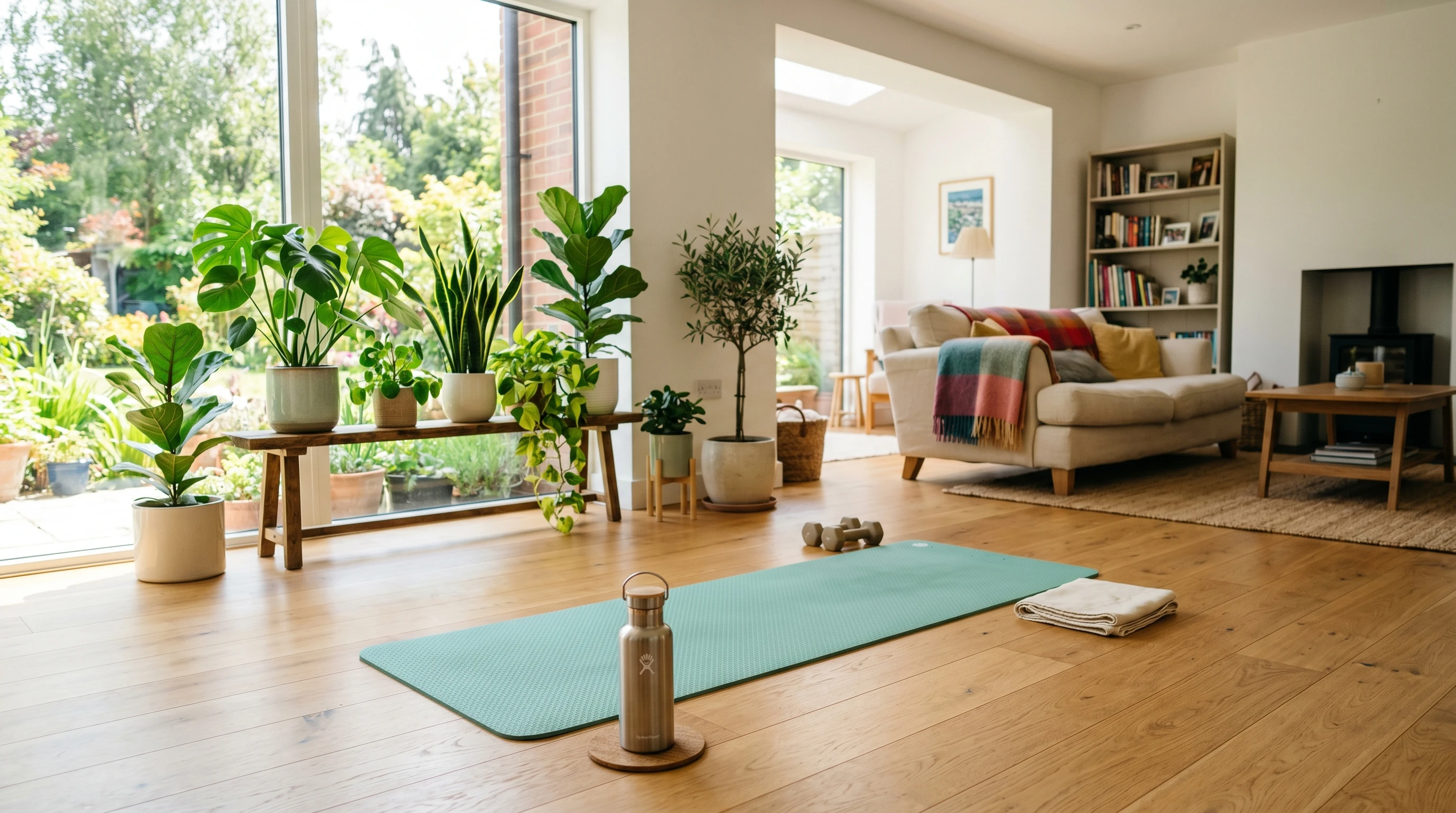
Why Calisthenics Works for At-Home Fitness
Bodyweight exercises, also called calisthenics, rely on natural movement and gravity. Unlike lifting weights, you won’t need any equipment, and you’re less likely to run into safety problems as long as you listen to your body. Calisthenics routines are great for full body fitness, mobility, and core stability. You don’t even need much space. This style of working out has deep roots, from military training to playground games, and can get really challenging once you start building strength.
Exercise doesn’t have to be complicated or expensive. Many successful programs use nothing but pushups, squats, planks, and a few other staple moves. The trick is consistency and mixing things up to stay challenged. Plus, since you don’t need anything fancy, working out is possible in apartments, offices, or even hotel rooms during travel.
Getting Started: Basic Moves for Any Space
If you’re new to bodyweight training, a few exercises can take you a long way. When I started adding regular calisthenics to my day, I noticed results in my energy and strength after just a couple of weeks. Here are a handful of moves anyone can try indoors:
- Squats: Great for your legs, glutes, and core. Lower yourself as if sitting in a chair, then stand back up. No equipment needed, and you can adjust depth based on how you feel.
- Pushups: These work your chest, arms, and shoulders. You can do them on your knees if you need a lighter version.
- Planks: Hold a straight arm or forearm plank to hit your core. If you’re short on time, this is a tough and effective move.
- Lunges: Step forward and lower into a lunge, keeping your knee in line with your foot. Alternate legs to challenge your balance and stability.
- Mountain Climbers: These get your heart rate up and fire up pretty much every muscle group. Bring knees in toward your chest one at a time from a pushup position. Go slow for control or fast for cardio.
Getting familiar with these basics makes it easy to create a quick, reliable routine. You don’t have to do all of them every day. Mix and match based on how your body feels and what motivates you.
Sample Routine for a Full Body Indoor Workout
Structure is really important when working out at home, since distractions can leave you stuck in “I’ll do it later” mode. Here’s a straightforward full body circuit that’s worked well for me when I want a quick but effective workout:
- 10-15 Squats
- 10 Pushups (or knee pushups)
- 10-12 Lunges (each leg)
- 30 seconds of Mountain Climbers
- 30 second Plank Hold
Cycle through this circuit 3-4 times, resting one minute between rounds. The whole thing usually takes less than 25 minutes. If you want more burn, throw in extras like burpees or jump squats, but you’ll still see progress even by just sticking to these basics.
Tips for Making Indoor Workouts Stick
I’ve found that setting realistic goals helps keep me consistent. Instead of aiming for an hour every day, I focus on what fits my schedule, even if it’s just 10 or 15 minutes. Here’s what has really helped me stick to indoor workouts:
- Pick a Time: Making a habit by linking workouts to something daily, like after waking up or before dinner, makes it easier to stay regular.
- Track Progress: Using a notebook or phone app to track reps, time, or how you feel provides motivation. Seeing small wins adds up fast.
- Mix Things Up: Adding variety with new bodyweight exercises or routines keeps things interesting. I rotate in side planks, reverse lunges, jump squats, or even yoga flows.
- Focus on Form: Quality over quantity leads to better results and helps you avoid injuries. I pay attention to how each move feels. If something hurts in a bad way, I take a break or adjust my technique.
Things to Watch Out For When Training Indoors
Indoor exercise is super convenient, but there are a few things that can hold people back. Knowing these is really important for progress and safety:
- Limited Space: You don’t need a huge area for most moves, but keep an eye out for furniture or slippery floors.
- Lack of Motivation: Without a gym or workout buddy, it’s easy to slack off. Setting goals or joining online challenges helps keep things fun.
- Plateauing Results: Since your body adapts to stress, switch up your routines every couple of weeks for better results.
- Form Fatigue: Pushing too hard or doing too many reps can lead to sloppy technique. If I feel my form slipping, I take a short break or stop altogether for the day.
Addressing Plateaus
Hitting a plateau can feel like progress has stalled, but a few tweaks make a big difference. I switch up my rep scheme, try new exercise variations (like decline pushups or Bulgarian split squats), and increase intensity by shortening rest times. Even small changes can help refresh motivation and get results moving again.
Staying Safe Without Equipment
One bonus of bodyweight training is a lower risk of injury compared to heavy weights, but proper warmup and cooldown routines still matter. I start each session with a few minutes of dynamic stretching, like arm circles, leg swings, or gentle jumping jacks, and end with gentle stretching to keep muscles loose.
Stepping Things Up: Advanced Calisthenics Indoors
When the basics get easy, it’s time to add new moves or progressions. Here are a few calisthenics exercises that require solid core strength and balance, but ramp things up indoors without equipment:
- Pistol Squats: Single leg squats that challenge balance and strength. Holding onto a chair for stability helps at first.
- Decline Pushups: Feet elevated on a low table or stairs target the upper chest and shoulders.
- Plank Variations: Side planks, plank reach unders, or shoulder taps add intensity and variety.
- Burpees: Full body, high intensity exercise that builds strength, endurance, and coordination. They’re tough, but even a few reps are effective.
Trying advanced moves isn’t about fancy skills, but rather challenging yourself just a bit more each time. I always try the move slowly and focus on control before ramping up speed or reps. There are a ton of free resources and video tutorials online to learn new variations safely.
Frequently Asked Questions
Here are some common questions that come up when building an indoor calisthenics routine:
Question: Can you really build muscle without weights?
Answer: Absolutely. Bodyweight exercises can be just as tough as lifting weights, especially with higher reps, holds, or advanced variations. It’s all about how you challenge your muscles.
Question: How many days a week should I work out?
Answer: Three to five days works well for many people, but even a couple sessions a week make a difference. Listen to your body. Rest days help with muscle recovery and overall results.
Question: What’s the best way to stay motivated when working out alone?
Answer: Tracking progress, joining online communities, and changing up routines keep things fun and fresh. Sometimes, just putting on workout clothes is enough to get started. I also play my favorite music or podcasts while working out.
Takeaways for At-Home Calisthenics Success
Bodyweight workouts are simple, flexible, and really effective for building fitness from home. They don’t need expensive memberships or gear, and you can do them on your own schedule. Whether you’re a beginner or looking to bump up your routine, calisthenics offers endless variety without leaving your living room.
The most important thing is to get moving and keep challenging yourself. If you miss a day, just start fresh next time. Progress comes one rep at a time, right at home.