
Prostate health doesn’t often pop up in daily conversations, but it matters a lot for men, especially as they get older. Curious about how to keep your prostate in top shape and prevent problems like enlargement? You’re not alone. I’ve spent time checking out the science and the most common supplements people track down for a healthy prostate. Here’s a breakdown of what I’ve learned, laid out simply with plenty of practical pointers you can use right away.
What Is Prostate Enlargement and Why Does It Happen?
Prostate enlargement, commonly called benign prostatic hyperplasia (BPH), affects many men past age 50. The prostate, which is about the size of a walnut, can grow as men age, leading to problems like trouble starting urination, weak urinary flow, or frequent trips to the bathroom—especially at night.
Doctors aren’t completely sure why the prostate grows with age. Factors probably include hormonal changes, lifestyle choices, genetics, and certain medications. While BPH isn’t cancer, it can seriously affect comfort and quality of life. That’s why prevention and early action count for so much.
How Prostate Supplements Fit Into Prevention
Supplements show up all over the web and health aisles, boasting all sorts of promises for prostate health. Their main goal is usually to help keep the prostate in good condition and maybe delay or tone down benign enlargement.
Most prostate supplements blend herbal extracts, plant sterols, vitamins, and minerals. These components are thought to help urinary function, lower inflammation, and balance hormones. While these aren’t cure-alls, some ingredients are backed by good research, making them worth a look if you’re interested in prevention or early support.
Top Ingredients You’ll See in Prostate Supplements
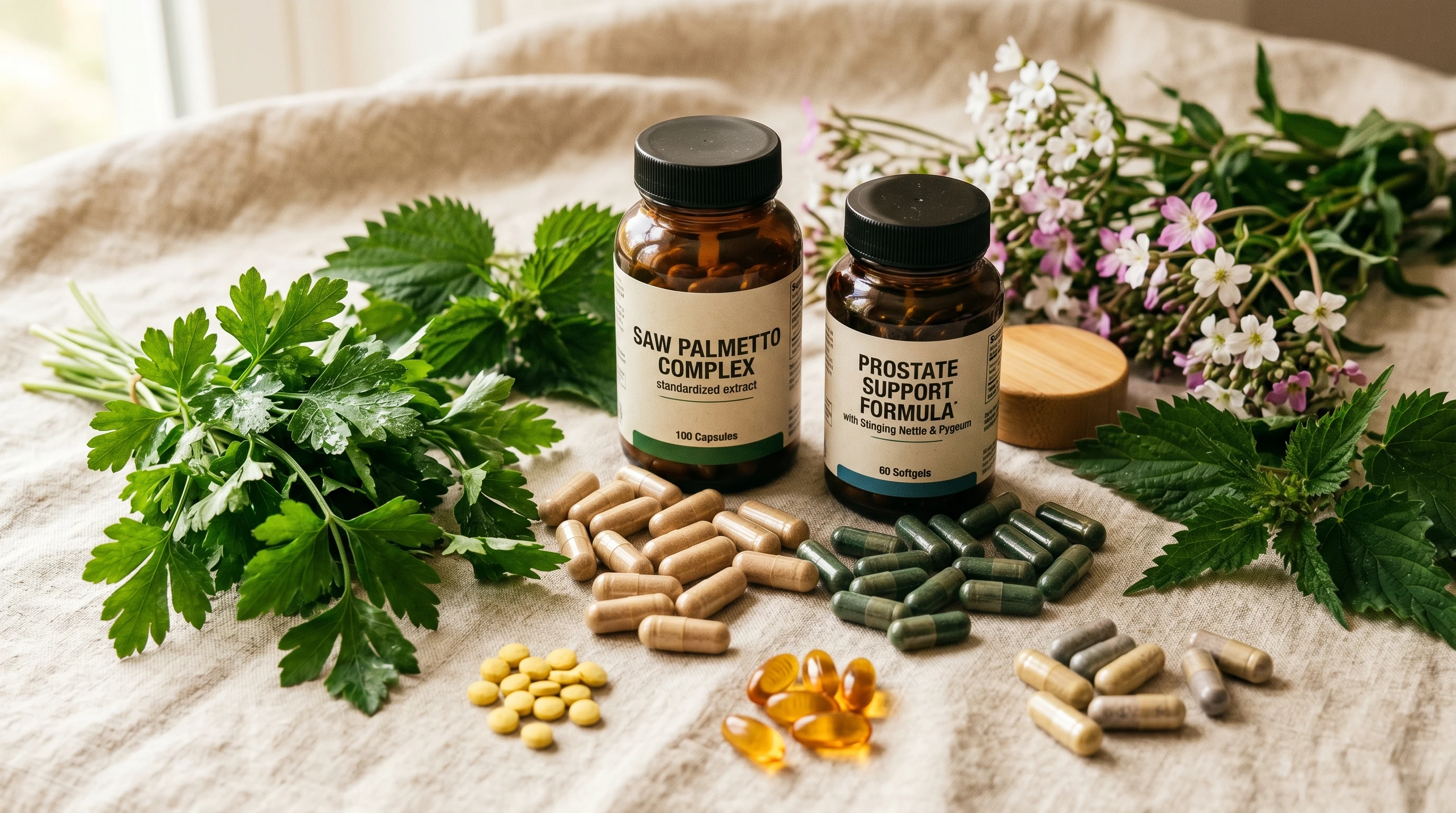
- Saw Palmetto: Probably the biggest name in prostate support, saw palmetto comes from palm berries and may help slow prostate growth by blocking certain enzyme activity in testosterone processing. Research is mixed, but it sticks around because some men do see improvement in symptoms like frequent urination.
- Beta Sitosterol: This plant-based compound (found in veggies and nuts) can help improve urinary flow and reduce nighttime bathroom calls. Studies are encouraging for mild symptoms, even if they aren’t rock solid.
- Pygeum Africanum: Extracted from an African tree’s bark, pygeum is a popular choice in Europe. It may help with nighttime urination and urine flow, likely due to its inflammation-easing benefits.
- Lycopene: This antioxidant-rich pigment gives tomatoes their color. Some research suggests it supports prostate tissue and could possibly lower the risk of certain problems, although results can be mixed.
- Zinc: Essential for men’s health, zinc often ends up in supplements since low levels are linked to prostate issues. But too much can be harmful, so stick to the recommended amount.
Do Prostate Supplements Really Work?
Results are all over the place depending on your body and what’s in the supplement. Research shows some benefits for ingredients like saw palmetto and pygeum, mostly for mild BPH symptoms such as frequent urination or reduced flow. However, improvements tend to be small. Supplements should be part of a bigger plan—balanced eating, frequent exercise, quality sleep, and doctor visits make a bigger difference. Popping a pill alone isn’t enough.
Simple Steps to Support Your Prostate Naturally
- Eat lots of fruits and veggies: Vibrant produce is loaded with antioxidants. Tomatoes, leafy greens, strawberries, broccoli, and peppers all make good choices for your daily menu.
- Keep active every day: Physical activity is associated with a reduced risk of BPH symptoms. Even brisk walks or casual cycling add up in your favor.
- Reduce processed foods and red meat: Diets that are heavy on animal fat and ultra processed snacks increase prostate risk factors.
- Be mindful with drinks: Hydrate throughout the day, but cut down before bedtime to avoid nighttime bathroom trips.
- Manage your weight: Extra pounds have been linked closely with BPH, so keeping a healthy weight gives your prostate a real boost.
Potential Downsides and Cautions with Prostate Supplements
- Side effects: Natural ingredients can cause reactions too. Saw palmetto may bring stomach issues. Beta sitosterol might mess with cholesterol numbers. Always notice how you feel with a new supplement.
- Interactions: Some prostate formulas can interfere with prescription meds—particularly blood thinners or hormone-related drugs. Ask your doctor before adding supplements to your routine.
- Quality concerns: Because supplements aren’t strictly regulated, stick with reputable brands. Check if they use third-party quality testing for added safety.
- Too much of certain nutrients: Large doses of minerals like zinc and selenium can be harmful, so avoid mega-supplements unless your doctor says otherwise.
Do You Actually Need a Prostate Supplement?
If you’re healthy, eating right, and not having symptoms, you might not need a supplement at all. But if you notice urinary changes or want to be proactive, definitely check in with your healthcare provider. They can help figure out if a supplement makes sense or if there’s a better route for your situation.
How To Choose a Good Prostate Supplement
- Look closely at the ingredients: Go for proven elements like saw palmetto, pygeum, or beta sitosterol. Steer clear of secret blends that hide dosages.
- See what other users say: Real reviews help, but keep in mind what works for one might not work for all.
- Buy from trusted companies: Choose brands with a history of safety and clear labeling; third-party certification is a plus for quality assurance.
- Avoid massive doses: Supplements shouldn’t contain giant amounts of any vitamin or mineral—the body only needs so much.
Common Questions About Prostate Supplements
Question: Can supplements cure BPH?
Answer: Supplements don’t cure BPH, but they can give a boost to mild symptoms—paired with proper habits for overall health.
Question: How long does it take to notice a difference?
Answer: Often several weeks are needed before changes appear, and results are usually mild. No progress after a few months? Have another talk with your doctor.
Question: Are there risks with long-term use?
Answer: Most well-known options are safe if you stick to the recommended amount. Still, high dosages or sketchy brands carry higher risks, so regular check-ins with a professional are your safest bet.
Why Paying Attention to Prostate Health Matters
Keeping your prostate healthy can save you real trouble and discomfort later. Prostate supplements aren’t magic, but when chosen wisely, they fit with smart habits to keep your prostate going strong as you age. Start with food, activity, and doctor visits; supplements make a fine addition after that, not the main event.
Early steps now can make a big difference later. Knowing what’s in your supplements—and how they work—lets you make those choices with confidence.