
Mace training and kettlebell workouts are two fitness trends with plenty of passionate fans. Each delivers real benefits for strength, endurance, and full-body conditioning, but they use very different equipment and training philosophies. Deciding which one fits you best can be a challenge—especially if you’re new to unconventional training or are simply craving something more exciting than the usual gym routine. Let’s lay out what makes each style unique, where they shine, and explore how you might choose (or even combine both) based on your fitness goals.
What’s the Difference? (Mace vs Kettlebell Explained)
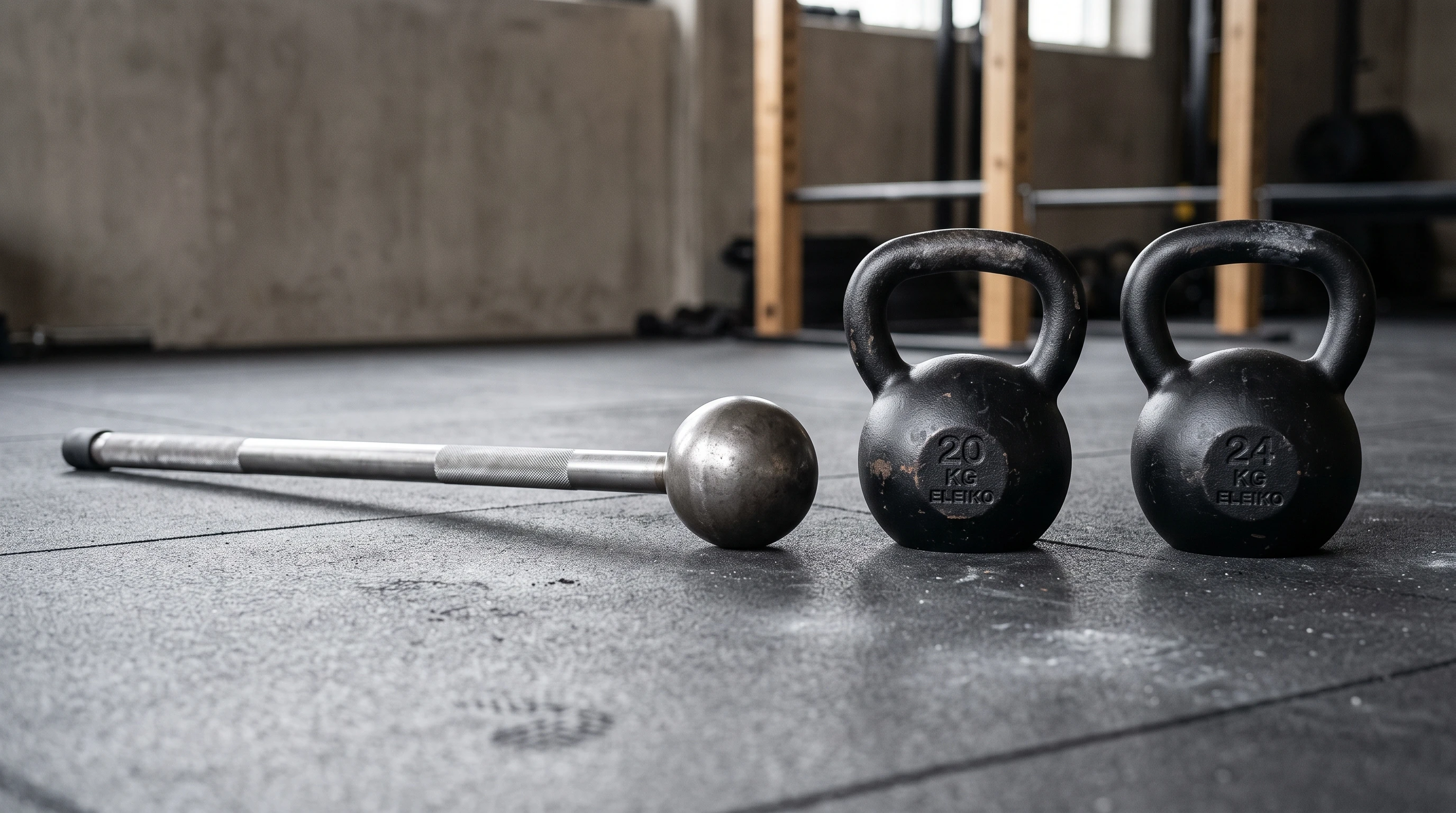
Steel maces and kettlebells are both classic training tools experiencing a big return in the world of strength and conditioning. The steel mace, sometimes called a gada, traces its roots to Indian wrestling—used by warriors and wrestlers to build robust strength and remarkable shoulder stability. It looks simple: a long steel handle with a round, weighted ball on one end, giving it a unique, awkward balance that challenges the body differently in every movement.
Kettlebells emerged from Eastern Europe, originally used to weigh crops before evolving into a favorite training tool for soldiers and athletes. Each kettlebell is basically a thick-handled, cast-iron ball. Its balanced weighting makes it incredibly flexible for swinging, pressing, squatting, and carrying.
- Mace: Long handle, weight sits far from your hands, ideal for swinging, rotating, and moving in arching patterns.
- Kettlebell: Small, balanced iron ball with a handle, perfect for explosive moves, powerlifting, and endurance circuits.
Training Focus and Benefits
The most noticeable difference isn’t just the equipment itself—it’s how each gear works your body and the types of strength you end up building. Here’s a breakdown of what stands out with each option:
Mace Training Highlights
- Rotational strength: Every movement pushes your grip, shoulders, and core, especially your ability to control twists and prevent unwanted rotation.
- Shoulder mobility and health: The constant swinging encourages flexible, powerful shoulders and a strong upper back.
- Unilateral training: Most mace moves have you working one side at a time, reinforcing balance and crushing grip and core in the process.
- Flow and coordination: Once you learn the basics, it’s satisfying to string together movements seamlessly, almost like a dance that leaves your core and forearms burning.
Kettlebell Workout Highlights
- Explosive power: Moves like the swing and snatch develop hip drive and total-body athleticism—key for jumping, sprinting, and feeling more explosive in general.
- Grip and posterior chain: Lifts hit your grip, glutes, hamstrings, and lower back more intensely than straightforward dumbbell or barbell work.
- Cardio plus strength: When you build high-rep complexes, kettlebells deliver a killer cardiovascular challenge while building muscle and stamina.
- Versatility: From pressing and rowing to squats, carries, and specialty moves, kettlebells act like a mini portable gym, supporting dozens of effective exercises.
Getting Started: What You Should Know
New to mace or kettlebell workouts? Here’s what I learned the hard way and wish I’d known at the start:
- Start light: Both maces and kettlebells can feel heavier than they look, given their unique design. With maces, 10-15 pounds is plenty for most newbies. Kettlebell beginners should reach for an 8kg (18 lb) or 12kg (26 lb) range.
- Technique matters: Quality reps are key. Mace moves such as the 360 and 10-to-2 need controlled movement, or your shoulders and wrists will quickly get cranky. For kettlebells, the hip hinge in the swing or snatch is vital; learned wrong, these moves can strain your back or shoulders.
- Warm up your grip and shoulders: Expect some serious burn in your hands and forearms, so give your wrists and shoulders a proper warm-up before going hard.
- Drills before skills: Start with foundational moves: kettlebell deadlifts or goblet squats, and simple mace chokes or two-hand presses, before progressing to complex swings or snatches.
Common Challenges and How to Steer Through Them
Both types of training come with a sharp learning curve at first; but knowing the main stumbling blocks will help you make faster progress.
- Imbalanced strength: Mace flow usually hammers one side, so alternate your reps and directions to keep things even.
- Joint irritation: The mace’s odd weight demands control. Don’t grip too hard or let the mace whip—you’ll save your wrists and elbows.
- Back fatigue: Kettlebell swings and cleans are legendary for fatiguing the lower back. Listen to your body and rest if form suffers or your back feels achy.
- Space requirements: Give yourself plenty of room for mace swings. Low ceilings and overcrowded spaces just invite accidents.
Mace Training Common Issues
The uneven weight of the mace challenges your grip, wrists, and shoulders in new ways. At first, it seems like the mace wants to wrestle itself out of your hands. Practicing empty-handed drills can help you learn the movement paths, letting you add weight safely when you’re ready.
Kettlebell Workout Common Issues
Kettlebell exercises often press the weight into your forearm or wrist—especially during cleans and snatches. Solve this by focusing on technique, chalking up, or using wrist guards, and aim for crisp, controlled rep transitions instead of rushing.
Programming: How Workouts Look in Real Life
Both maces and kettlebells are excellent for full-body circuits, intense intervals, and flowing sequences. Here are beginner-friendly sample sessions to show how you might structure your training:
Sample Mace Routine
- Warm-up: Arm circles, hip openers, unweighted rehearsal of mace motions
- Skill focus: Practice 360s or 10-to-2s for 3-5 sets of 5-10 reps each direction
- Strength block: Mace presses, lunges, and rows—3 sets of 8-10 reps per side
- Finisher: Two minutes non-stop mace flow, combining swings, presses, and chokes
Sample Kettlebell Routine
- Warm-up: Hip bridges, bodyweight squats, gentle shoulder circles
- Power work: Kettlebell swings (four sets of 15-20 reps)
- Strength trio: Goblet squats, overhead presses, and one arm rows—3 sets each (8-12 reps)
- Conditioning: Turkish get-ups (1-2 per side, 5-10 minutes)
Who Should Try Mace Training or Kettlebell Workouts?
Picking the right tool rests on your goals, body quirks, and what you find enjoyable. Here’s how I break it down based on experience and insights from top coaches:
- Mace training works best if you: Are looking to pump up shoulder health, love smooth, flowing movements, or want a big challenge for your grip and core. Martial artists and those who get bored in the gym also tend to enjoy mace sessions.
- Kettlebell training shines if you: Want a simple, flexible setup for full-body power; like fast, efficient training sessions; or have fat loss, metabolic conditioning, or functional athleticism in mind.
If you get bored easily or love learning skills, working both into your routine amps up the fun and the challenge.
Advanced Tips for Eye-Catching Progress
Once you’ve nailed the basics, try these tactics to take your workouts up a notch:
Try Timed Sets: Swap out rep counting for time-based sets—say, 30-60 seconds per exercise. This works wonders with mace flows or kettlebell swings, helping boost endurance and challenge your focus.
Mix Both Tools: Alternate moves in circuits, such as flowing with the mace, then switching to kettlebell swings or Turkish get-ups. This makes your routine more interesting and leads to better overall development.
Dial in Breathing: Matching your breath to each movement—inhale as you lower, exhale on effort—keeps your form solid and your energy up, especially when the moves get tough.
When to Stick, When to Mix It Up
If you have both tools on hand, switch things up every couple of weeks. Changing the leverage, movement pattern, and grip keeps your muscles on their toes and your motivation high. Only have one? No biggie—each can deliver impressive gains in strength and athleticism as long as your routine stays smart and challenging.
Frequently Asked Questions
Question: Can beginners use maces or kettlebells safely?
Answer: Absolutely. Start with lighter weights, focus on your form, and don’t rush the learning process. Watching good instructional videos or booking a session with a skilled coach is a quick way to improve safety and technique.
Question: Which burns more calories?
Answer: Either can do the trick, mainly if you use high-rep circuits or pair cardio-style intervals. Kettlebell complexes tend to push your heart rate up quickly, while continuous mace flows offer steady-state work and a fantastic grip challenge.
Question: What about joint health and injury risk?
Answer: Both require attention to form and a gradual ramp-up in weight. Shoulder, wrist, and hip mobility are especially important. Mix up your grips, planes of movement, and set/rep schemes to stay balanced and avoid repetitive strain.
Which Should You Pick?
The best choice between mace and kettlebell workouts comes down to your tastes and goals. If you want rotational strength, shoulder mobility, and a creative approach to fitness, give the mace a shot. For explosive power, efficient training, and variety, kettlebells are tough to beat.
Blending both brings well-rounded development and keeps you excited about training. The most important part? Stay curious, challenge yourself, and celebrate each step forward. The gains will follow!