Iron deficiency is a really common health issue worldwide. You might have heard about it being linked to anemia, but there’s a lot more to iron’s role in the body than most people realize. When iron levels drop, you can start experiencing symptoms that change how you feel day to day. I’m going to break down what iron deficiency looks like, what causes it, and some ways you can tackle it if it pops up in your life.
Iron’s Role in the Body and Why It Matters
Iron plays an important job in helping your body make hemoglobin, which carries oxygen in your blood. It’s also found in myoglobin, a protein that helps your muscles store and use oxygen. Without enough iron, your body doesn’t get the oxygen it needs for energy, focus, and even mood regulation.
The World Health Organization says iron deficiency is one of the most common and widespread health issues, affecting around 2 billion people. It can hit anyone, but kids and women of childbearing age are more likely to run into it. When iron gets too low, everyday things like heading up a flight of stairs or staying awake during an afternoon meeting suddenly take way more effort.
Signs and Symptoms of Iron Deficiency
Not everyone gets the same symptoms, and some people don’t even realize they’re low on iron until it’s pretty advanced. Here are a few classic signs you might notice if your iron stores are running low:
- Fatigue; You might feel wiped out even after a good night’s sleep or just get tired faster than normal.
- Paleness, Skin can look lighter or less rosy, especially around the inside of your eyelids, lips, and gums.
- Shortness of breath, Even mild activity, like walking up a hill, can leave you a little winded.
- Dizziness or headaches; You could notice more frequent headaches or feel lightheaded getting up too quickly.
- Cold hands and feet, Your fingers and toes might get chilly because of less oxygen in your blood.
- Brittle nails or hair loss, Nails may break more easily, and hair might seem thinner.
- Restless legs, That uncomfortable urge to move your legs, especially at night, can show up if iron gets low.
- Unusual cravings, Some folks get cravings for things like ice, clay, or even dirt; this is known as pica.
These symptoms can also show up in other conditions, so it’s really important to check with a healthcare provider rather than jump to conclusions.
Main Causes of Iron Deficiency
Knowing why iron levels might dip helps you prevent or manage deficiency a bit easier. Here are a few root causes:
- Not getting enough iron through food, Diets low in ironrich foods like meat, eggs, leafy greens, and fortified grains can be one factor. Vegetarians and vegans might need to pay extra attention here, since plantbased iron (called nonheme iron) isn’t absorbed as easily as the kind from animal sources (heme iron).
- Blood loss, This can be from obvious things like heavy periods or surgery, or less obvious sources like ulcers, hemorrhoids, or even frequent blood donation. Hidden bleeding in the digestive tract is one thing doctors often check for if you become anemic.
- Poor absorption, Some health issues, like celiac disease, inflammatory bowel disease (IBD), or even certain stomach surgeries, can lower how much iron your body takes up from food.
- Increased need, Growing kids and teenagers, pregnant and breastfeeding women, and athletes (especially endurance athletes) might just need more iron than the average person.
If you’re curious about your iron levels or you notice any warning signs above, a simple blood test (usually checking hemoglobin and ferritin) gives a clear picture.
Quick Tips for Preventing and Managing Iron Deficiency
There are a few things you can start doing to keep your iron levels in the healthy range or to help bring them back up if you’re low:
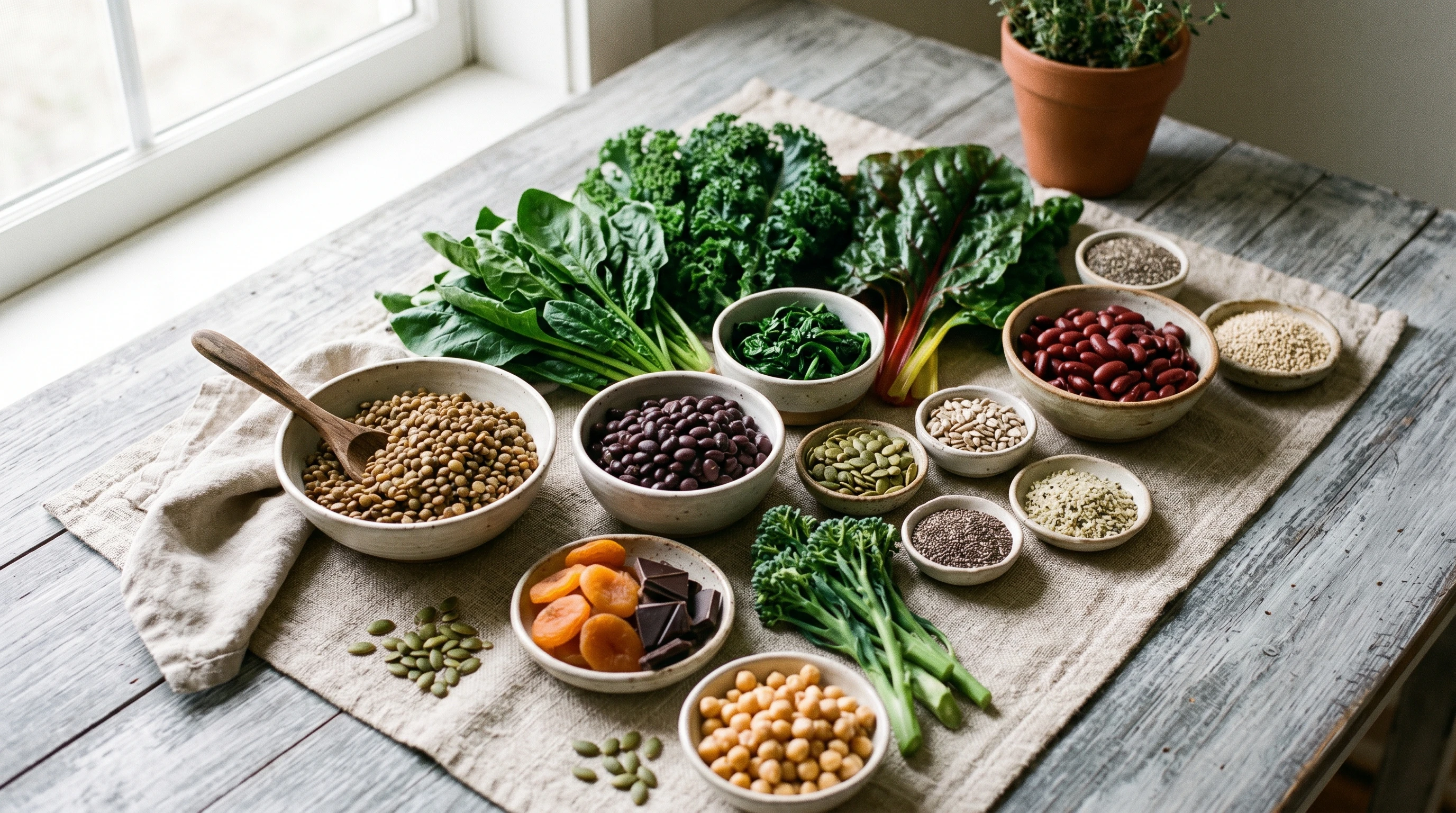
- Eat more ironrich foods: Red meat, chicken, turkey, fish, eggs, beans, lentils, tofu, spinach, pumpkin seeds, quinoa, and ironfortified cereals are all worth adding to your meal rotation.
- Pair ironrich food with vitamin C: Foods like bell peppers, citrus fruits, strawberries, tomatoes, and broccoli help you absorb more iron from plants. Squeezing a little lemon on your greens or eating an orange after your meal goes a long way.
- Trim back coffee, tea, and calcium at mealtime: Coffee, tea, and calciumrich dairy can cut down on how much iron you absorb if you eat them too close to your ironrich meals. Try to space them out by at least an hour when possible.
- Keep an eye on supplements: Only use iron supplements with advice from your doctor. Too much iron isn’t great for you either, and supplements can cause things like stomach aches or constipation if used without a real need.
- Talk to your doctor about underlying issues: If you suspect you’re losing blood or not absorbing nutrients properly, getting to the bottom of what’s causing it is super important for getting things back on track.
Challenges in Spotting and Treating Iron Deficiency
Treating iron deficiency isn’t always as simple as eating a steak or popping a supplement. Here are a few tricky bits:
- Symptoms can be subtle; Many people don’t notice problems until iron is pretty low.
- Supplements can irritate your gut; Iron pills tend to cause constipation or stomach upset for some, so it might take some trial and error to find a type or dose you tolerate.
- Absorption is a balancing act; Some meds and foods can get in the way. Timing iron around meals and medications takes a bit of practice.
- Underlying health issues may go undetected, Sometimes, recurring low iron is the first sign something bigger is going on, like slow blood loss or digestive disease.
Foods That Help Your Body Absorb Iron
Boosting iron naturally isn’t just about eating more spinach (even though it’s great). Try building meals with these foods that pair well for topnotch absorption:
- Lean beef or lamb with sauteed peppers
- Chickpea stew with a squeeze of lemon
- Ironfortified cereal with a handful of strawberries
- Stirfried tofu with broccoli and sweet potato
Aim to eat a mix of heme and nonheme iron foods for a better shot at hitting your daily goal.
Practical Steps for Families and AtRisk Groups
I find that it helps to build habits around iron, especially for people at higher risk. Pregnant women and kids can work with their doctors to track iron levels regularly. Athletes might benefit from having blood checks if they notice performance dipping or weird fatigue. Anyone switching to a plantbased diet can talk to a nutritionist about how to balance iron with vitamin C sources.
Common Questions About Iron Deficiency
You probably still have questions, especially if you’re dealing with tiredness or trying to make sense of your blood work. Here are a few that come up a lot:
Question: What is the fastest way to boost iron levels?
Answer: If you need your numbers up quickly, iron supplements (from a doctor’s advice) are usually faster than diet changes. Still, upping ironrich foods and vitamin C helps too.
Question: Who should get their iron checked regularly?
Answer: Women with heavy periods, pregnant women, vegetarians or vegans, kids, and people with ongoing health conditions (like IBD or frequent blood donation) should chat with their doctor about regular testing.
Question: Can you get too much iron?
Answer: Yes, excess iron can be harmful, so it’s best to use supplements only with professional guidance and avoid taking more than directed.
What Really Works: Personal Tips and Everyday Solutions
Through my own experience and what I’ve seen from others, making small daily changes works really well. Adding ironfortified oatmeal to breakfast, eating more beans or lentils, and squeezing lemon over veggie dishes are simple but surprisingly effective. Remember to keep an eye on how you feel. Energy levels, focus, and tolerance for exercise often improve within weeks of fixing low iron, especially if the cause is caught early and treated appropriately.
No single fix works for everyone, but a combination of checking in with professionals, changing up meals, and smart supplement use goes a long way for most people.
Paying attention to iron intake is something that pays off over time, not only for preventing tiredness but also helping your overall well-being. Whether you’re trying to step up your athletic performance, support your family’s health, or simply want to skip that afternoon slump, keeping tabs on your iron is a solid—if sometimes overlooked—part of a healthy lifestyle.