
Regular dental check-ups really help keep your mouth healthy and your smile bright. Many people believe that brushing and flossing are enough, but seeing a dentist every so often is super important for staying ahead of dental problems and making sure your whole body stays healthier. If you’ve ever wondered why those dentist appointments matter, let’s get into what really happens at a regular check-up, why skipping them can cause issues down the road, and how they help catch problems before they turn into much bigger headaches.
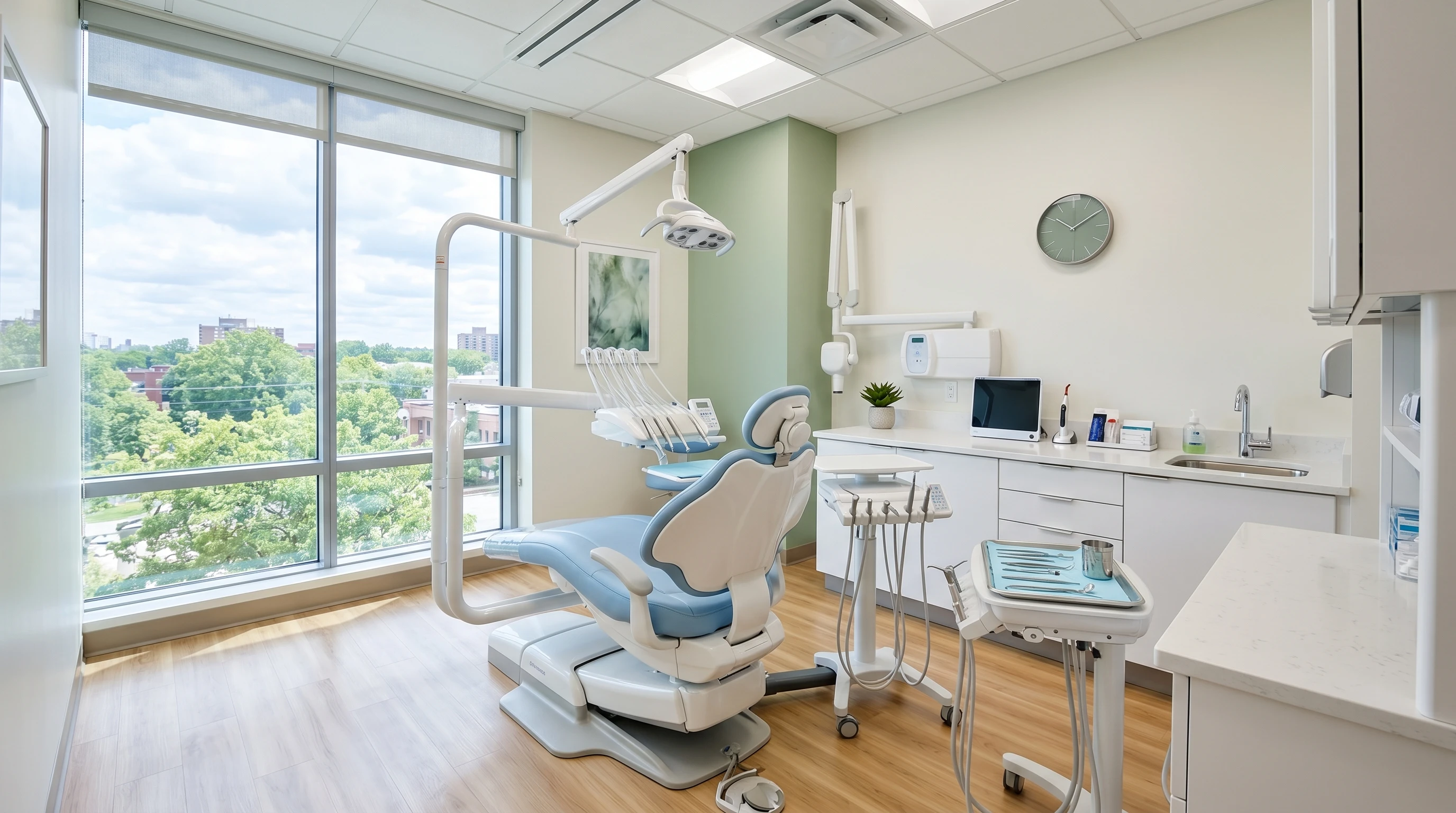
Why Dental Check-ups Matter More Than You Think
Dental check-ups aren’t just about getting your teeth cleaned; they’re a key part of keeping your mouth healthy. During these visits, the dentist and hygienist look for anything out of the ordinary. It all helps keep your teeth strong and prevents bigger problems down the road.
Skipping regular check-ups can lead to way more than just cavities and bad breath. Poor oral health has been linked to a higher risk of heart disease, diabetes, and even pneumonia. The American Dental Association recommends at least two check-ups a year for most people, but your dentist may suggest more frequent visits based on your needs.
In years past, going to the dentist was mostly about fixing problems as they came up, today, it’s about catching and preventing issues before they start. That approach saves you time, money, and pain in the long run.
What Actually Happens During a Dental Check-up?
Walking into a dentist’s office just for a check-up might sound boring, but a lot gets done during that visit. Here’s a quick breakdown:
- Professional Cleaning: The dental hygienist removes plaque and tartar you might miss at home. This keeps your gums healthy and helps ward off cavities.
- Examination: The dentist checks your teeth, gums, and mouth for any trouble spots, from cavities and gum disease to signs of oral cancer.
- X-rays (if needed): These give a closer look at what’s happening below the surface, helping to spot cavities or other issues early.
- Gum Health Check: Your gums reveal a lot about your overall health. The dentist checks for inflammation, bleeding, or receding gums.
- Advice & Prevention: You’ll get personalized tips on brushing, flossing, diet, and anything else that can give your smile a boost.
The Benefits of Regular Dental Visits
There are plenty of good reasons to stick with your dentist appointments. Here are a few big ones that matter for just about everyone:
- Early Detection of Problems: Dentists pick up on cavities, gum disease, and even signs of oral cancer, often before you notice anything’s off.
- Saves Money Over Time: Tackling problems early usually means simpler, more affordable treatment options.
- Cleaner and Whiter Teeth: Professional cleanings remove stains and buildup, giving your smile a fresher look.
- Better Breath: Tartar and plaque build-up are major causes of bad breath, and dentists are much better at removing them than your toothbrush at home.
- Helpful Reminders: Regular check-ins encourage better habits and give you the chance to ask questions or talk through any concerns.
Getting Over Dental Anxiety
Dental anxiety is a real challenge for many people. The good news is that dental teams see nervous patients all the time; you’re definitely not alone. Most teams focus on comfort, patience, and talking things through before starting. Having a chat with your dentist about your worries can make a big difference; they want to help, not judge.
Distracting yourself with music, using relaxation techniques, or even bringing a friend along for support can work wonders if you get anxious about appointments. Plus, modern dental technology is faster and less painful than before, making many procedures much more comfortable.
Common Myths About Dental Check-ups
There’s plenty of misinformation out there about dental visits, and clearing these up can help you make smarter choices for your health.
- “If my teeth don’t hurt, I don’t need to see a dentist.”
Pain isn’t the only sign something’s wrong. Many dental problems don’t cause pain until they get pretty serious. - “Going to the dentist is always expensive.”
Routine check-ups are far less costly than treatment for bigger problems. Many plans cover preventive care, and clinics often offer budgetfriendly check-up options. - “Brushing and flossing mean I don’t need check-ups.”
Good brushing and flossing help a lot but can’t replace a professional’s trained eye and tools. Some areas are tough to clean at home.
How Regular Dental Check-ups Help Prevent Serious Issues
People often underestimate the importance of preventive care. Getting regular check-ups means small issues, like tiny cavities or early gum disease, are caught before they turn into something tougher or pricier to set right. Early detection saves you discomfort and even bigger health troubles later on.
- Cavities: Tiny spots of decay get filled before they grow or start to hurt.
- Gum Disease: Dentists catch early warning signs of gum trouble and can help you change your habits or try new treatments.
- Mouth Cancer: Early signs of oral cancer may otherwise go unnoticed. Dentists are trained to spot warning signals, and early detection can be lifesaving.
- Tooth Wear and Alignment: Grinding, clenching, or crooked teeth can lead to headaches or damaged enamel, but dentists can help stop the cycle early.
Gum Disease
Gum disease is really common, often showing up as red or bleeding gums. The early stage, called gingivitis, can usually be turned around with better brushing, flossing, and professional cleaning. Left too long, though, it can become periodontitis, with receding gums or even lost teeth.
Cavities and Tooth Decay
Cavities start out tiny and may not hurt right away. If you skip check-ups, you might not pick up on the damage until it gets deep enough to need serious treatment. Regular check-ups let your dentist handle small spots before you even feel them; it’s a lot less stressful and costly than a big filling or a root canal.
Oral Cancer Screenings
Oral cancer isn’t the most common health problem, but it does happen, and early detection is key for better outcomes. Dentists look for warning signs at each check-up, so you’re not likely to miss important red flags.
Seeing your dentist regularly isn’t just about keeping your teeth shiny. It’s about preventing problems, saving money, and making sure your mouth, and your whole body, stay healthier in the long run.
Tips for Making the Most Out of Every Dental Visit
- Be Honest: Tell your dentist if you’ve noticed changes like pain, bleeding, sores, or even shifts in taste. The more they know, the more they can help.
- Ask Questions: No question is too small. Whether it’s about brushing, flossing, or treatments, dentists are always ready to explain.
- Stick to a Schedule: Set reminders for your next visit or book it before you leave the office.
- Follow Recommendations: If your dentist offers advice on home care or suggests a follow-up, sticking to their tips will help keep your smile healthy.
FAQs About Regular Dental Check-ups
Still have some questions? Take a look at these answers that might clear things up.
How often should I see the dentist?
Most people do well with two check-ups a year, but your dentist may recommend more if you have specific oral health concerns.
Will my check-up hurt?
Regular cleanings are usually easy. If your teeth or gums are sensitive, let your dentist know so adjustments can be made to keep you comfortable.
Are check-ups covered by insurance?
Most dental plans cover at least basic preventive care, but it’s always smart to double-check your benefits to avoid surprize bills.
Do children need dental check-ups regularly?
Absolutely. Kids’ teeth are still developing, and regular check-ups mean problems can be caught early. Plus, starting young helps build lifelong habits. The American Academy of Pediatric Dentistry says a first visit should happen by the first birthday.
Final Thoughts
Teeth and gum health is much easier to manage, and way less stressful, when you stay on top of regular dental visits. These check-ups help catch problems early, give you peace of mind, and let you ask about anything you’ve noticed in between. Prevention makes dental care, managing your budget, and taking care of your overall health a whole lot simpler. Keeping your smile bright and strong really starts with those simple dental check-ups every six months.