
Kettlebell training is showing up everywhere, whether you’re in high-end gyms or making the most of a home setup. If you want to boost strength, improve your cardio, or just switch things up, kettlebells keep routines interesting and effective. By figuring out how these tools fit into your plan, you open the door to new moves and progress, especially if traditional weights have gotten boring. This guide covers all the practical perks of regular kettlebell training—including beginner tips and strategies for getting the most from every session.
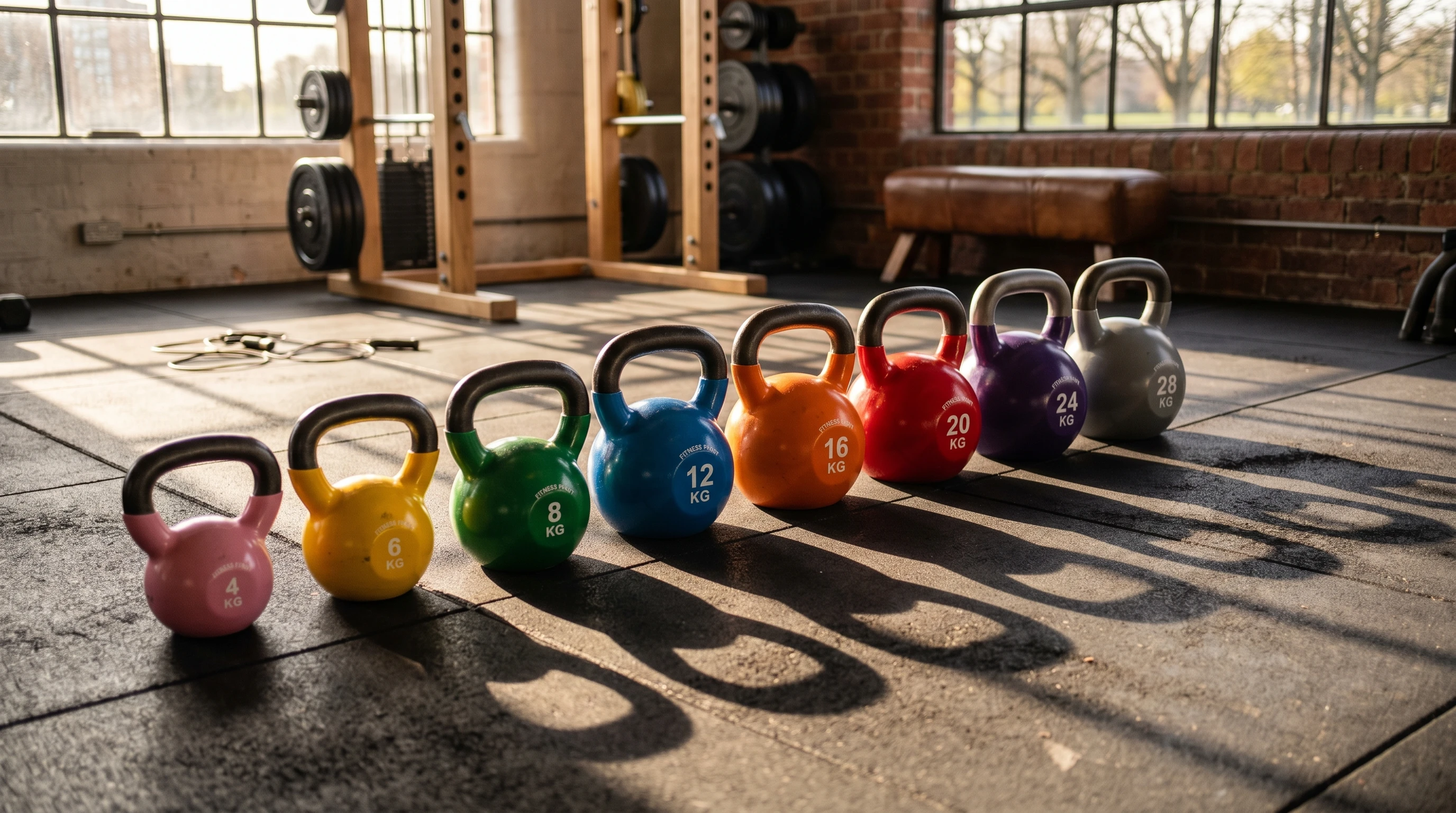
The Benefits of Adding Kettlebells to Your Workout
Kettlebells have really grown in popularity over the past ten years—and for good reason. With just one piece of gear, I get cardio, strength, balance, and mobility training altogether. Every session recruits tons of muscles at the same time, so I find my workouts feel both efficient and engaging compared to boring isolation lifts.
Most folks start lifting with dumbbells or resistance machines, but kettlebells are in a class of their own. The off-balanced design pulls the center of gravity away from my hand, so my core and grip need to work overtime just to keep control. After plenty of research—including studies from the American Council on Exercise—turns out that kettlebell workouts can burn almost 20 calories a minute, making them top-notch for fat loss and endurance (ACE Fitness).
Kettlebells originated in Russia as a way to weigh out goods in markets. Eventually, athletes realized they had huge training potential, sparking a lasting movement that’s spread worldwide and changed the fitness landscape.
How Kettlebells Work: The Basics For Beginners
Before jumping into routines, I focus on learning the basic kettlebell movements. Whether the goal is muscle building, fat loss, or just feeling healthier, dialing in proper technique matters. Kettlebells come in lots of sizes, often starting as light as 8 pounds and going well over 100 pounds for advanced users.
Starting light is key until form becomes second nature. Unlike static dumbbells, kettlebells allow swing, snatch, and press styles for one or two hands. The must-know foundational moves include:
- Kettlebell Swing: The signature motion, this move targets hips, glutes, and hamstrings with a strong hip hinge.
- Kettlebell Goblet Squat: At chest height, this move challenges my core to stabilize while my legs and back work together.
- Kettlebell Clean and Press: Involves several steps, helping to build power, shoulder strength, and full-body coordination.
- Kettlebell Turkish Getup: A controlled movement that’s fantastic for strength and mobility—it’s a stability game-changer.
Other terms you’ll see often:
- Rack Position: Holding the kettlebell tight at the chest or shoulder to boost stability for presses and squats.
- Grip: Different ways to hold a kettlebell completely change how exercises feel, so practicing grip techniques helps reduce fatigue and prevent injury.
Getting Rolling With Kettlebell Training
Jumping into kettlebell routines doesn’t mean flinging weights around—technique and safety always come first, especially for newcomers. Here’s what helps as I get started:
- Pick the Right Weight: Choose a kettlebell that’s manageable at first, aiming for challenge but never risking safety.
- Focus on Technique: Getting the hip hinge and other fundamentals right is critical. Watching trustworthy tutorials or joining a session with a coach makes a world of difference.
- Use Full-Body Movements: Many moves train different muscle groups at once, so it’s easy to get big results from a handful of exercises.
- Repeat and Refine: Consistent practice locks in muscle memory. I keep it simple at first—mastering basics before adding new variations.
I like to fit kettlebell exercises into my full-body strength circuits, or swap traditional dumbbell work for a kettlebell option. Progress comes from gradually moving up in weight or adding slightly more complex movements once my form is solid.
What To Watch For: Common Challenges with Kettlebell Training
Kettlebell training has its own challenges. Watching out for these common issues sets me up for better results and a safer experience:
- Grip Fatigue: My grip gets a proper workout with kettlebells, more than with most gym equipment. Chalk can help, or I work on grip exercises to build endurance.
- Back Strain: Rushed or incorrect form—especially swinging too heavy—can tweak the back. I keep my back neutral and hinge from the hips to stay safe.
- Lack of Mobility: Moves like Turkish getup or windmill require flexibility. I always warm up, stretch, and start with bodyweight until my mobility improves.
- Difficulty Progressing: Sometimes, results don’t come as quickly as I’d like. Tracking sets, reps, and weights gives a clear picture of progress so I can adjust when needed.
Grip Fatigue
Kettlebell training tests my grip like nothing else. That offset handle strengthens my hands and forearms fast, provided I start light and pace myself. Shorter sets and a gradual ramp-up help build grip resilience in the long run—my notebook tells me if my grip is catching up with heavier loads.
Back Strain
Back tension often comes from forgetting to hinge at the hips or accidentally rounding the spine. I take time to reset, brace my core, and follow cues from expert coaches or reputable videos. A strong, flat back makes a huge difference in injury prevention.
Lack of Mobility
For exercises like Turkish getup, I work through the move without weight at first. Consistent stretching—especially in my hips and shoulders—makes the full range possible and pays off with smoother lifts over time.
Difficulty Progressing
Plateaus happen. I keep a simple log of weights and reps or track progress in an app. Looking at my own stats every few weeks motivates me and highlights steady improvement—even when I don’t feel it immediately.
No challenge is a dealbreaker. With tweaks to the approach and steady practice, I’ve been able to push through these hurdles again and again.
Leveling Up: Advanced Kettlebell Tips and Useful Variations
Once the basics are in place, there are tons of ways to level up or keep kettlebell training fun:
- Mix Up Movement Patterns: Adding cleans, snatches, or windmills opens up new strength needs and keeps the routine lively.
- Try Flow Workouts: Chaining together a swing, clean, and press—plus a squat or two—creates a cardio circuit that challenges my coordination and keeps the intensity up.
- Experiment With Unilateral Training: Doing one-arm or one-leg moves helps spot weak points and corrects imbalances.
- Change Rep and Set Schemes: Heavier bells for low reps test raw strength, while lighter weights and high-speed sets add endurance and calorie burn.
- Train Outdoors: Taking my kettlebell to the park for a session brings in some fresh air and breaks the monotony of indoor training.
Nailing the essentials means I can be creative—and digging into advanced kettlebell forums or community routines online is a smart way to find inspiration or tackle sticking points.
Real-Life Ways Kettlebell Training Fits Everyday Fitness
Kettlebell training isn’t limited to the gym. Some people keep a kettlebell at their work desk for quick swing sets on breaks. Athletes use them for power, while weekend fitness fans (like me) find big cardio and injury-prevention perks.
- Functional Strength: Kettlebell patterns are close to motions like lifting groceries, picking up kids, or digging in the yard—skills that actually pay off outside workouts.
- All-in-One Home Gym: A couple of well-chosen kettlebells don’t take up much space, giving most of the benefits of a full gym with just one or two pieces of gear.
- Time-Efficient Workouts: You can get a killer full-body session in under 20 minutes. It’s a huge time-saver that still gives great results.
- Cardio and Strength Combined: With moves like swings, cleans, and complexes, I see my heart rate rise while building muscle—all in a single session.
FAQ: Common Kettlebell Training Questions
A lot of beginners have the same questions about kettlebell routines, so I’ve rounded up the most frequent ones:
Question: How heavy should my first kettlebell be?
Answer: For most women, 8–12 kg (roughly 18–26 lbs) works, while most men do well with 12–16 kg (26–35 lbs). Testing in person is always best. Pick a weight just light enough to keep good form for 10-12 reps.
Question: How often should I train with kettlebells?
Answer: Starting with two or three sessions per week is solid. Quality matters more than sheer quantity so keep sessions regular and technique crisp.
Question: Can kettlebell workouts replace traditional gym training?
Answer: Kettlebells offer strength, cardio, and greater flexibility in a compact package. They can serve as the main tool for a fitness program. However, mixing in other equipment if you like keeps things fresh and balanced.
Wrapping Up
Kettlebell training is a fantastic way to mix strength and cardio into quick, challenging, and truly rewarding workouts. With minimal equipment and floor space, I’ve been able to gain better whole-body stability, endurance, and excitement in my routine. Whether you train at home, outside, or in a big gym, kettlebells have perks for anyone wanting to feel fitter, stronger, and more athletic.
Why not pick up a kettlebell, sharpen your form, and track how much better you feel? Every swing, press, and squat brings you one step closer to a more energetic and resilient you.