Organic baby food is turning up more often in grocery aisles and stores than ever, catching the attention of parents eager to give their babies a healthy start with their diet. There’s a lot more to organic labels than just “grown without pesticides,” and making the right choice for your family isn’t always straightforward. I’m here to break down what’s happening with the rise of organic baby food and share what really matters for parents these days.
The Switch Up Toward Organic Baby Food
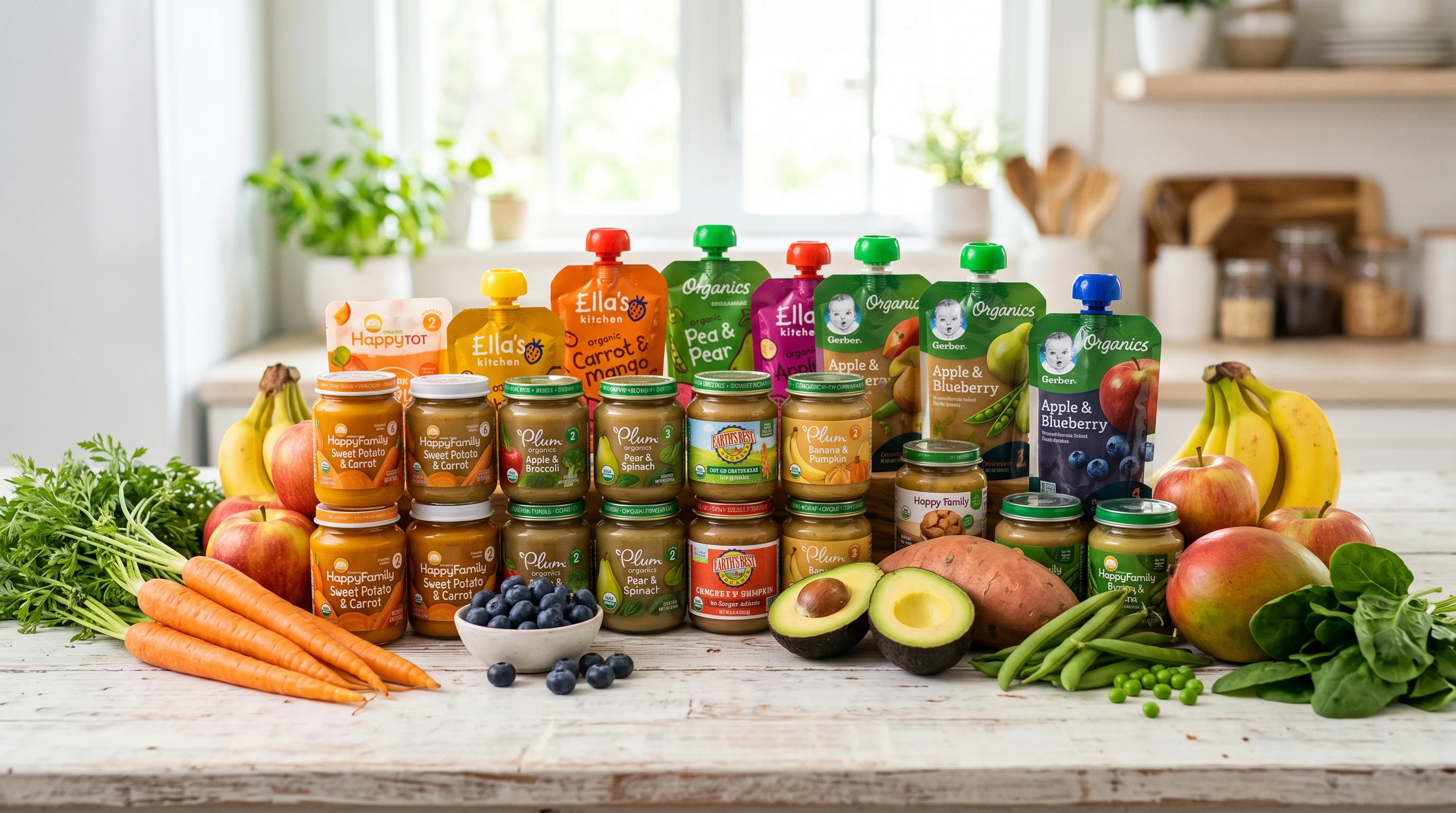
Interest in organic food has steadily gone up, and baby food is no exception. The organic baby food market is growing fast, with more products on the shelves; everything from classic purees to trendy squeezable pouches. This wave is partly parents wanting fewer synthetic ingredients in their little one’s diet. There’s also more awareness about where food comes from and what’s in it, which really affects decision-making for families starting solids.
Organic isn’t just a buzzword, especially when it comes to baby food. To carry an “organic” label, products follow farming and processing standards set by agencies like the USDA. This means they use fewer synthetic pesticides and fertilizers, avoid genetically modified organisms (GMOs), and skip artificial preservatives or flavors. The availability of organic baby food is a direct response to the way parents are thinking about long-term health and the planet.
What Organic Baby Food Actually Means
Seeing “organic” on the label sounds healthy, but it helps to know what’s actually covered. Here’s a quick rundown:
- Grown with fewer synthetic chemicals: Organic fruits, veggies, and grains aren’t treated with most synthetic pesticides, herbicides, or fertilizers.
- No GMOs: Organic food doesn’t use ingredients that have been genetically modified.
- Minimal processing: Organic standards set limits on artificial preservatives, sweeteners, and dyes.
- Certified by trusted organizations: Most organic baby foods carry certification from national agencies (such as the USDA).
This doesn’t always mean organic foods are automatically better from a nutrition point of view, but it does mean fewer chemicals and additives, which many parents see as a win.
Key Things to Watch for When Choosing Organic Baby Food
With more options out there, finding the right baby food comes down to a few basics. I always look at these points before trying or recommending new products:
- Read ingredient lists: Organic or not, good baby food should keep the ingredient list simple; whole foods you recognize.
- Look out for sugar and salt: Some organic pouches still add extra sweeteners or sodium. Babies don’t need much of either, so it’s worth checking.
- Check for recalls and recent news: Occasionally, even organic brands face recalls or safety concerns related to heavy metals or contamination. Staying updated can help parents avoid unwanted risks.
- Choose age-appropriate textures: Texture matters to support your baby’s development (purees for starters, chunkier blends as they grow).
- Think about packaging: Glass jars or BPA-free pouches can be more appealing, both from a health and convenience point of view.
Getting Started with Organic Baby Food
Starting solids is one of those big parenting milestones, and there’s no single right way. Going organic just adds one more element to consider. Here’s how I made it work in my own home and what I think helps most:
- Start with single ingredient purees: This makes it easy to notice allergic reactions and helps babies taste each food on its own.
- Mix in homemade options: Not every family can go 100% organic, but blending storebought organic baby food with homemade versions lets you control what’s in each bite.
- Rotate flavors and colors: Offering a mix of fruits, veggies, and grains (organic or otherwise) helps babies get a variety of nutrients and develops their palate.
- Stick to developmental guidelines: Always ask your pediatrician about the right time to start solids and any special diet needs, especially with allergies or health issues in the family.
Combining these tips made my own switch up into solids a lot smoother, and the peace of mind was worth it.
Potential Challenges with Organic Baby Food
Organic options definitely have some perks, but there are a few hiccups I’ve run into too. Some of the most common things parents run into include:
- Price: Organic baby food is usually more expensive than nonorganic, which adds up fast if you’re buying in bulk.
- Limited variety in some regions: Depending on where you live, you might not have as many brands or flavors to pick from.
- Quality isn’t always the same: Some brands are much better with taste and consistency than others, even if they’re all organic.
- Shelf life and freshness: Organic options may use fewer preservatives and might not last as long after opening.
For me, doing a little research and reading reviews before sticking with a brand helped avoid disappointment, especially from super picky eaters in my house.
Price and Access
Buying organic baby food can stretch the grocery budget, especially in the early months when little ones eat small amounts often. Bulk buying and looking for sales can help, but making your own purees at home using seasonal organic produce can also cut costs a lot. I found that stores with online options sometimes have better deals on organic brands compared to my neighborhood grocery store.
Lately, some community coops and farmer’s markets offer deals on organic produce, which can be turned into fresh baby food at home. A little meal prep once a week goes a long way for convenience and savings.
Safety and Quality Concerns
Parents sometimes worry about things like heavy metals (arsenic, lead, cadmium, and mercury) in baby food, organic or otherwise. Some top brands have made changes in their sourcing and testing, but it’s still something to pay attention to. Checking recent reports, staying alert for recalls, and using organizations like Consumer Reports as a resource keeps me feeling informed.
Washing organic produce thoroughly at home before making your own purees also helps cut down on contaminants. Reading packaging labels and company policies about ingredient sourcing can offer more reassurance, too.
Why Parents Are Making the Switch
I’ve talked with plenty of moms and dads who say the reasons for choosing organic mostly come down to peace of mind. Here’s what usually comes up in conversations:
- Fewer chemical residues: Choosing organic gives parents another way to limit what their baby is exposed to at a vulnerable stage of development.
- Backing sustainable farming: Organic farming is designed to be easier on the environment, which appeals if you want to support earthfriendly practices.
- Building healthy habits early: Some families see the baby stage as a great time to lay the groundwork for positive eating patterns.
Whether or not you stick with organic for every meal, swapping in a few options now and then is a solid approach for many families. Even including just a couple of organic meals a week goes a long way toward reducing chemical exposure, especially for foods known to carry higher pesticide residues.
Frequently Asked Questions About Organic Baby Food
I see a lot of recurring questions come up among new parents thinking about making the switch. Here’s what people ask the most:
Is organic baby food healthier for my baby?
Organic baby food usually contains fewer synthetic pesticides and is less likely to have artificial flavorings or preservatives. Nutritionally, organic and nonorganic foods are often pretty close, so picking organic is more about limiting exposure to chemicals.
What’s the best way to introduce organic baby food?
Start with single ingredient purees and work up to mixed blends. Mix homemade organic purees with storebought jars or pouches to keep variety up and costs down.
Does organic baby food taste different?
Taste can vary from brand to brand or based on the produce used. Some parents notice a fresher or more natural taste, while others find little difference.
How do I know if the baby food is truly organic?
Look for certification logos (like “USDA Organic”) and ingredient lists that make sense. Official labels mean the product meets strict organic standards.
Are there risks involved in giving only organic baby food?
The main downsides are possible higher costs and limited choices, but rotating different brands and including homemade foods helps avoid issues with nutrition variety.
Organic Baby Food in Real Life: Everyday Use
For many parents (including myself), a mix of organic and conventional options works best. If cost or access is a concern, picking organic for the “dirtiest” crops (like apples and spinach) and going conventional for others balances things out. Homemade purees with organic sweet potatoes or avocados are super quick to make in bulk and freeze for later. I rely on a few trusted organic brands for grab-and-go snacks, especially on road trips or busy days when prepping food just doesn’t fit in.
- Purees for early eaters: Organic sweet potatoes, squash, or apples make classic, beginnerfriendly meals.
- Pouches for onthego: These are handy for quick outings and avoid messy spills.
- Finger foods for older babies: Small diced organic bananas or soft cooked carrots support selffeeding and fine motor skill growth.
Trying new things, reading up on what’s available locally, and chatting with other parents lets you build a routine that works for you and your little one.