
If you’re searching for a simple tool that delivers a full-body workout, mace training is definitely worth checking out. With roots tracing back centuries in old-school strength traditions, the mace (or steel mace) combines dynamic movement and strength building in a way few other fitness tools do. Because it’s affordable, portable, and pretty fun to swing around, the mace makes a great option for anyone looking to break the monotony of traditional workouts.
What Makes Mace Training Unique?
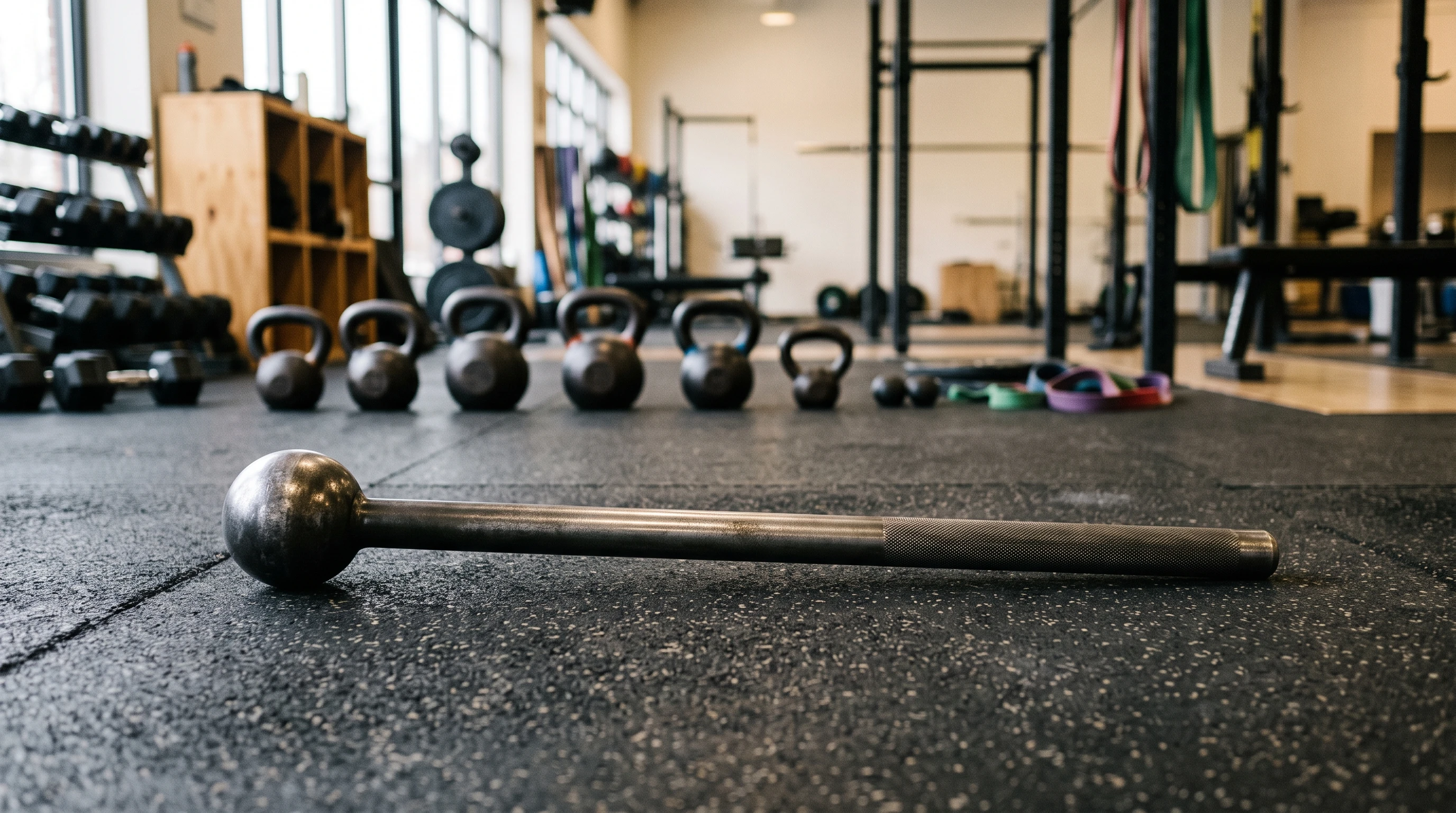
Mace training gives you something a regular barbell or kettlebell can’t provide: unbalanced weight. That long handle with the weighted ball at one end creates leverage that forces your grip, core, and stabilizer muscles to wake up during every rep. Historical warriors, like those in India and Persia, used versions of the mace for battle readiness and wrestling. These days, the steel mace is designed to be safe and effective for modern training.
Compared to classic gym movements, mace exercises require rotation, grip control, and balance. This type of training hits muscles at angles regular weights often skip. It doesn’t just work out your arms or legs separately. It pulls your whole body into the action, especially your core and shoulders, while also giving smaller stabilizer muscles a workout.
Getting Started with Mace Training
Before jumping into swinging a mace around, you’ll want to know the basics behind both the tool and the training style. Maces typically come in weights ranging from 7lbs to 25lbs, but even the lightest options can be challenging due to their design.
Some key terms will pop up in mace training that are good to get familiar with:
- Mace 360/Different Swings: Moves where you swing the mace in big circles around your head or body. These boost shoulder mobility, coordination, and grip strength.
- Offset Weight: The weight is on one end, forcing your stabilizers and core to kick in while you control the tool.
- Flow Training: A series of connected movements that turn strength exercises into a sort of strength and mobility dance.
How to Start a Full-Body Mace Workout
Mace training is approachable even for folks with no prior experience using weighted clubs or martial arts equipment. Here’s a quick guide that makes it easy to get rolling:
- Pick the Right Mace: Start light (7 or 10lbs is great for beginners). Heavier maces look cool but can strain your joints or hurt your technique if you’re new.
- Master the Basics: Learn foundational moves like the 360 swing, the 10-to-2 swing, and basic presses or squats with the mace. These create a base for more creative and complex flows later on.
- Use an Open Space: Make sure you have plenty of room to swing the mace without hitting anything or anyone. An empty garage, yard, or gym studio all work well.
- Focus on Control: Don’t rush. Mace training is about quality movement and staying in control. Speed comes later as your technique improves.
- Keep Sessions Short: Early workouts can be as quick as 10 to 20 minutes. The intensity and unique challenge of the mace means you’ll get sweaty and sore in less time than a typical gym session.
Practicing these steps lets you build grip strength, core stability, and shoulder endurance, even before adding heavier weights or complex routines.
Specific Benefits of Mace Training for Total-Body Strength
Mace workouts combine strength, endurance, rotation, and coordination, making them a solid full-body challenge. I’ve found the following benefits stand out when adding the mace to my routine:
- Core Power: Every swing, press, or squat with a mace forces your entire core—especially those deep oblique and transversus muscles—to wake up for support. This process protects your lower back and builds real athletic strength.
- Shoulder Mobility and Health: Most mace moves involve swinging or rotating the arms above the head. This feels uncomfortable at first but leads to noticeably healthier, pain-free shoulders over time.
- Grip Strength: Because you’re always adjusting grip pressure, your forearms and hands get an extra workout. This is useful for sports, manual labor, or just carrying groceries.
- Unilateral Training: The mace is almost always offset, which means every rep challenges both sides of your body to work independently. This helps even out muscle imbalances left by traditional weightlifting.
- Metabolic Boost: The dynamic, full-body nature of mace moves drives up your heart rate. It doubles as both a cardio and strength session, which comes in handy if you’re pressed for time or looking to burn extra calories.
Things to Know Before Your First Mace Session
Proper prep and mindset make a big difference with this style of training. A few things I wish I’d known earlier:
- Start Light, Go Slow: Even seasoned lifters can get humbled by a 10 pound mace. Picking a manageable weight gives you time to develop the control needed for safe and effective movement.
- Warm-Up Is Key: Mace training asks a lot from your shoulders, wrists, and spine. Dynamic warmups like shoulder circles, arm swings, and trunk twists help you avoid tweaks or soreness.
- Learn with Tutorials: There are tons of free online resources and coaches who break down proper form and flow. Watching a few videos or taking a beginner workshop helps smooth out your learning curve.
- Use Chalk or Gloves: Sweaty hands make it tough to control the mace. Keeping a towel nearby or using chalk can keep your grip steady and safe during intense sets.
Mace Safety: Simple Tips to Keep Training Safe
Being comfortable with the mace’s unique feel will take a handful of sessions. Here are the keys that help the most:
- Always keep a firm grip, even if your hands are tired.
- Don’t try advanced flow patterns until the basics feel natural; move with intention and focus.
- Set the mace down slowly, not by dropping it on the floor, to avoid damage or injury.
- If you feel shoulder pain or wrist discomfort, lighten your load or switch to two-handed moves.
Common Hurdles and How to Fix Them
Mace training can feel awkward at first. I definitely found a few parts challenging early on.
- Fatigue: The unbalanced design tires out your grip and shoulders faster than almost any other tool. Take breaks and build up your endurance. Rest is not slacking; it’s smart training.
- Technique Drifts: If your swings start going wild, slow down and reset. Recording your form or training in front of a mirror helps you spot mistakes before they become habits.
- Overuse: Rotational movements are awesome for variety, but too many reps too fast can strain joint tissues. Mix up exercises, include rest days, and listen to your body.
Cool Mace Training Moves to Get You Started
- 360 Swing: The classic mace move. Swing it behind your head in a slow circle and return to the front. This builds shoulder mobility, grip, and coordination.
- 10to2: A more athletic swing that mimics chopping or throwing, great for core power and shoulder endurance.
- Mace Squat to Press: Squat holding the mace in front of you (offset or centered), then press it overhead as you stand. This hits legs, core, and shoulders together.
- Lateral Lunge with Mace Pull: Step to the side, reaching the mace to the outside of your planted foot. Pull it back to your chest as you stand. This attacks the lower body while challenging shoulder stability.
- Mace Flow Sequence: Combine swings, lunges, presses, and rotational moves for a flowing circuit. This is where creativity makes workouts fun and challenging.
Frequently Asked Questions
New to mace training? Here are some answers to questions I hear all the time:
Question: Is mace training safe for beginners?
Answer: With the right weight and good instruction, yes. Most injuries happen from going too heavy too soon or swinging with bad form. Stick with lighter maces and take your time with the basics.
Question: Do I need to be really fit to start using a mace?
Answer: Not at all. The great thing about the mace is how it scales to any fitness level. If you can stand and hold the mace safely, you’re ready to start. The rest builds with practice.
Question: Where can I buy a quality mace?
Answer: Many fitness brands online sell steel maces. Look for welded, powder coated handles for safety and durability. Local gyms or fitness stores may also carry them, so it’s worth testing the grip in person if you can.
The Takeaway: Why Mace Training Is a Full-Body Game Changer
Adding the mace to your fitness toolkit brings together strength, mobility, and functional movement. The uneven load means that every muscle, big and small, gets called up to keep you stable and in control. Whether you aim to improve athletic performance, shake up your training, or just have more fun with fitness, mace training is an approachable, effective way to challenge your full body and keep workouts fresh.
Try out a few basic swings and see how your core, shoulders, and grip respond. You’ll probably be sore (in a good way) and surprised at how far a simple piece of equipment can go. Give it a shot, and who knows, you might find yourself hooked on old-school strength in a modern package.