
If you’re just starting with indoor workouts and feeling a bit overwhelmed, you’re not alone. There’s a lot to figure out, like which exercises make sense, what gear you might need, and how to find routines that keep you coming back. My beginner’s guide will lay it all out: what to focus on, mistakes to avoid, and easy ways to build confidence while working out at home.
Why Indoor Workouts Are Worth Your Time
Moving your workouts inside comes with some nice perks. For starters, you aren’t limited by bad weather or gym schedules. There’s total privacy, making it super helpful if you’re shy about working out in front of a crowd. Plus, you can fit a workout in no matter the time, and you don’t need a ton of space or special machines to get started.
During the pandemic, indoor exercise became a big trend. Tons of people realized they can stay fit without needing to leave home or buy an expensive gym membership. Apps, YouTube channels, and fitness communities grew like crazy, making it easier than ever to track down routines that match your level and goals.
Even with a few basic pieces of gear or none at all—bodyweight moves are awesome—you can build strength, improve your mood, and give your health a boost. There are studies showing that home workouts can be just as effective as hitting the gym, especially if you keep things consistent and keep challenging yourself.
Getting Started: Basic Indoor Workout Gear
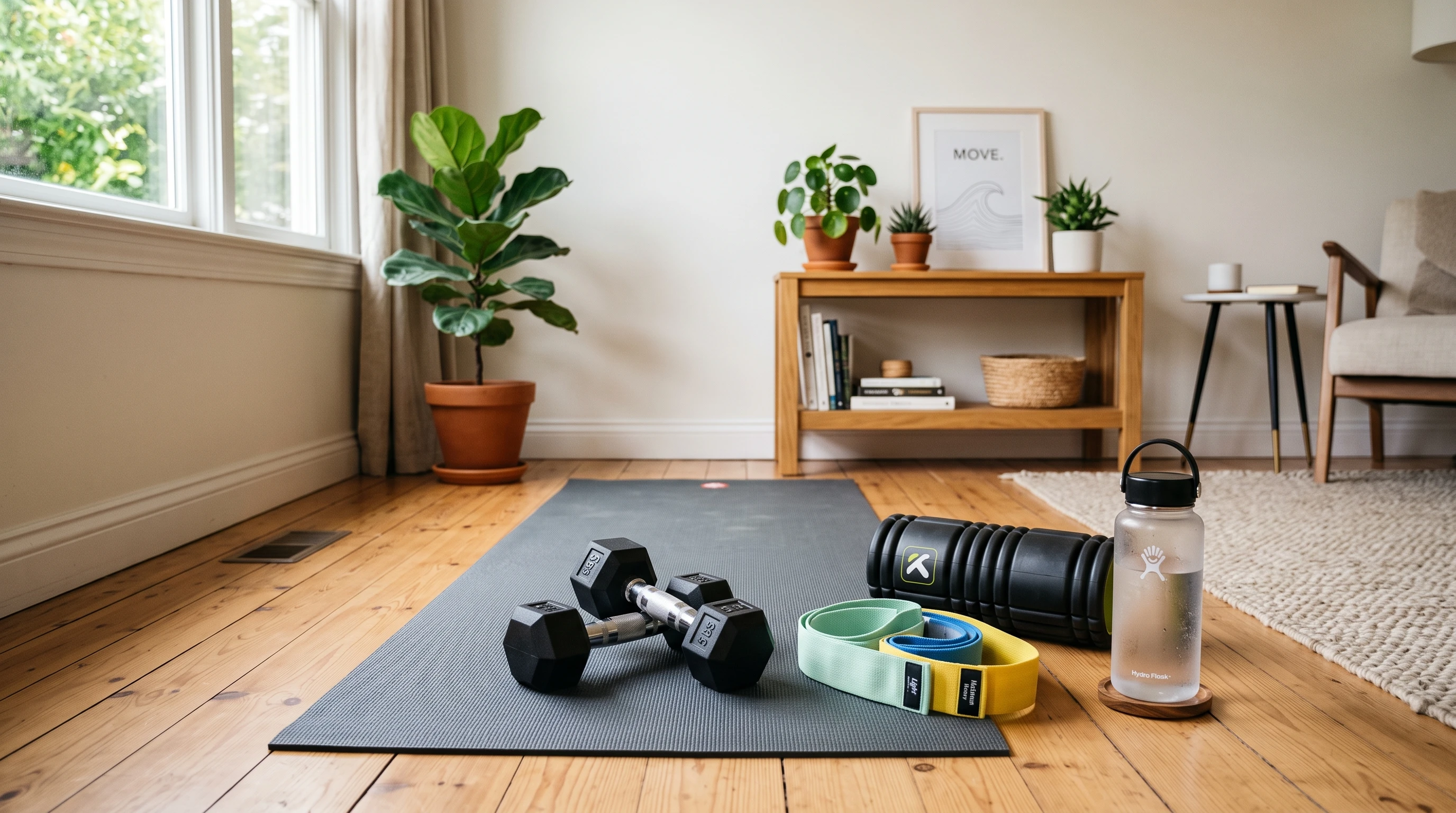
Kicking off an indoor fitness routine doesn’t mean filling your living room with fancy equipment. Most beginners can get a lot done with just a few basics:
- Yoga Mat: Good for stretching, yoga, pilates, and even basic bodyweight workouts. A mat helps cushion your joints and keeps you from slipping.
- Dumbbells or Resistance Bands: These are really handy for adding resistance and making workouts more challenging as you get stronger. Bands are easy to store and take up barely any room.
- Chair or Step Stool: Lots of effective exercises, like dips, step-ups, and incline pushups, just need a sturdy seat or platform.
- Foam Roller: Not totally mandatory but super helpful for muscle recovery and warming up or cooling down.
If you want to go even more minimalist, bodyweight exercises—like squats, lunges, pushups—require zero equipment. There are loads of routines online that use nothing but your own body.
Core Concepts: How To Structure A Beginner Indoor Workout
Building a beginner workout plan is all about picking the right movements, getting the order right, and skipping things that are too advanced for now. Here’s an easy structure that works well for most people:
- Warmup (5 to 8 minutes): Get your body ready and lower the risk of injury. March in place, do jumping jacks, hip circles, arm swings; just get moving.
- Circuit or Set Based Training: Try fullbody circuits (example: squats, pushups, planks, lunges) repeated 2 or 3 times, with short breaks between each exercise. Setbased routines (example: 3 sets of 10 reps of one movement before switching) work too. Start with 20 to 30 minutes total.
- Cool Down and Stretch: Slowing your heart rate and stretching out your muscles is really important for recovery and flexibility. Gentle stretching works.
A solid beginner session might include 5 or 6 main moves. I like to focus on big “compound” exercises that work lots of muscles at once; think squats, glute bridges, pushups, or rows with a resistance band. This saves time and gives you more bang for your buck.
Avoiding Common Beginner Mistakes
It’s totally normal to make a few blunders when you’re new to indoor workouts. Here are a few I see all the time (and honestly, I made these too):
- Doing Too Much, Too Fast: One of the fastest ways to get hurt or burned out is jumping in with an intense routine before your body’s ready. Start simple and work your way up.
- Skipping the Warmup or Cool Down: I used to think I could save time by skipping these, but skipping them makes soreness way worse and slows down your progress.
- Poor Form: Learning from poorquality YouTube videos or rushing through moves can lead to injuries. Take it slow, and if you’re not sure about your form, look for reputable sources.
- Inconsistent Schedule: Consistency is really important for building strength and confidence. Set a regular workout time and treat it like any other appointment.
Home Workout Routines To Try (Sample Plans)
Getting started is easier when you have a clear plan. Here are a couple of starter routines anyone can do at home, with or without equipment:
Bodyweight Fullbody Circuit
- March or jog in place (1 minute)
- Bodyweight squats (12 reps)
- Pushups (on knees if needed, 10 reps)
- Glute bridges (12 reps)
- Standing lunges (10 reps per leg)
- Plank (hold 20 to 30 seconds)
- Rest for 60 seconds, then repeat the circuit 2 or 3 times.
Minimal Equipment Routine
- Resistance band rows or dumbbell rows (10 reps)
- Stepups onto chair (10 reps per leg)
- Resistance band chest presses or wall pushups (10 reps)
- Banded or weighted deadlifts (12 reps)
- Rest for 60 seconds, repeat 2 or 3 rounds.
Keep a water bottle close by, use a timer, and play your favorite playlist for motivation. Adjust reps, rounds, or rest time based on how you feel; listen to your body and don’t be shy about taking extra breaks if you need them.
Things You’ll Want to Think About Before You Start
Indoor workouts are smart, but there are a few things worth considering:
- Space: Even a small area cleared of furniture can work. Try to roll out your mat, stretch your arms, and make sure nothing’s in the way.
- Noise: If you have neighbors, family, or roommates, softer moves (like yoga, pilates, or slow circuits) are less noisy than jumping jacks or burpees.
- Motivation: Setting up your workout space (maybe with some color or a favorite poster) and keeping your gear within sight can be a nice nudge to get moving.
- Online Guidance: There are some awesome beginnerfriendly YouTube channels and apps (like Fitness Blender, Nike Training Club, or HASfit). Following a video helps you pace yourself and keep proper form.
Finding The Right Routine for You
There are thousands of workouts out there. The best way to find one you’ll stick with starts with figuring out what you enjoy. Hate burpees? Skip them. Not a fan of yoga? Try a bodyweight strength circuit instead. As long as you’re moving and challenging yourself, you’re winning.
Some Questions Beginners Often Ask
How many times per week should I work out?
Three or four times per week works great for most beginners. You can always add days if you start feeling more confident.
How do I know if I’m doing exercises correctly?
Look for highquality instructional vids, or check resources from fitness organizations; these usually break down moves step by step. If you feel sharp pain, something’s wrong. For general muscle soreness though, that’s pretty normal in the beginning.
Do I have to buy gear right away?
Nope! You can get a really good workout using only your bodyweight. If you enjoy it and want more challenge, then try adding a couple resistance bands or light dumbbells.
What if I fall off track?
Life happens. Missing a workout or two isn’t the end of your progress. Just hop back in when you can and keep going. Building a lasting habit is more important than having a “perfect” streak.
Level Up: Tips For Going Beyond The Basics
Once you’re in the groove, there are easy ways to make indoor workouts more interesting and effective:
- Switch Up Your Routine: Every couple of weeks, try a new video, different exercises, or mix up the number of sets and reps.
- Track Your Progress: Use a notebook or your smartphone to keep tabs on which exercises, how many reps, and how you felt after each session. It can be super motivating to see yourself improving.
- Bring In Friends (Virtually or IRL): Joining online fitness challenges or doing video calls with a workout buddy adds accountability and makes workouts more fun.
- Try Mobility or Balance Routines: Check out yoga classes, stretching routines, or balancefocused moves. These round out your fitness and help prevent injury.
Sticking with indoor workouts is more about finding something enjoyable than getting everything “perfect.” Create a routine you like, use the space you have, and keep moving forward. That way, working out at home can stick with you for the long haul.